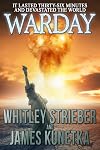
Warday
by Whitley Strieber (Author), James W. Kunetka
On This Page
Description
Two writers travel across the U.S. that remains after a "limited" nuclear war.Tags
Recommendations


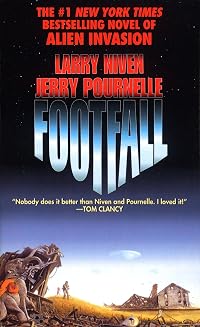

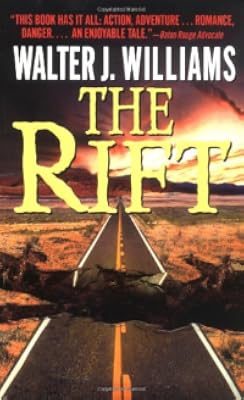

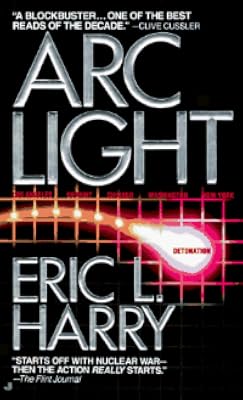
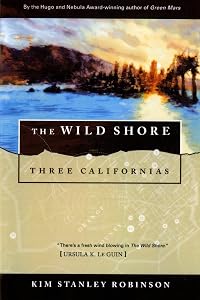






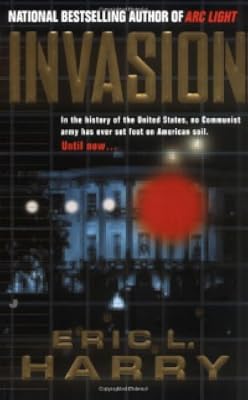

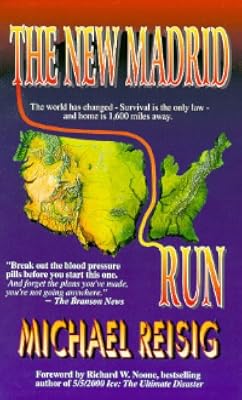
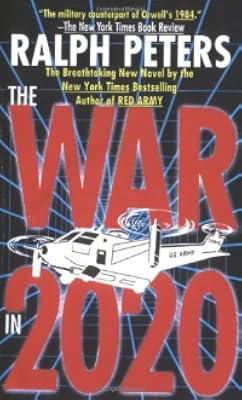
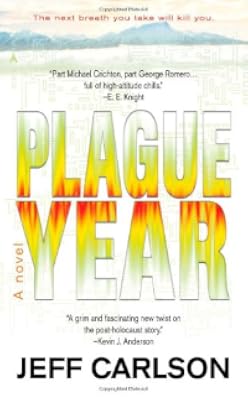

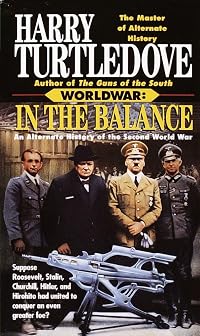
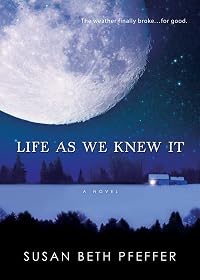

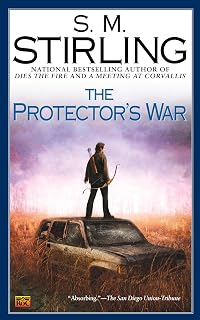
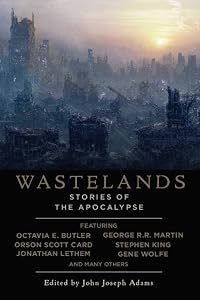


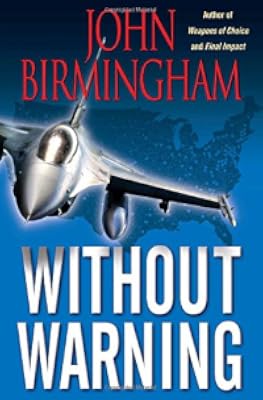
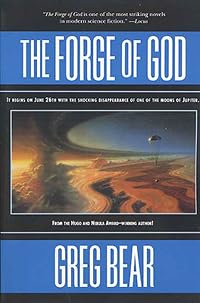
Member Recommendations
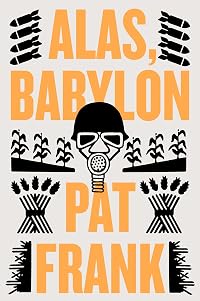
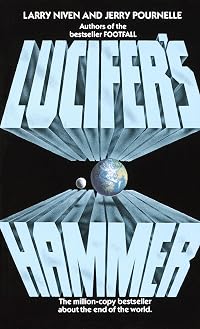
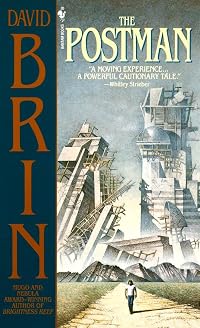
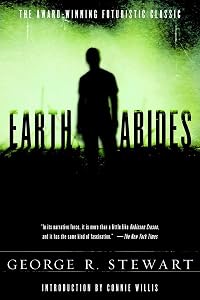
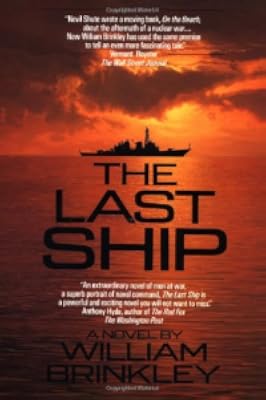
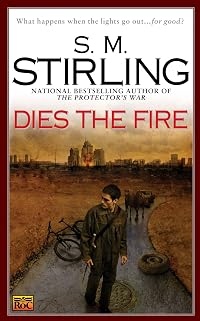
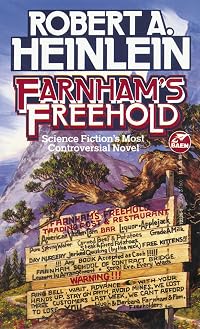
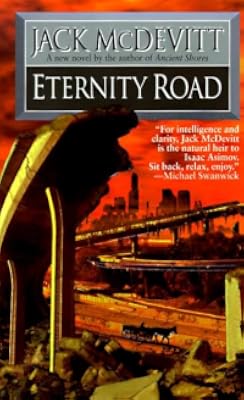
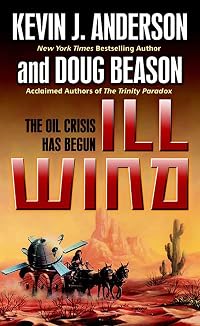
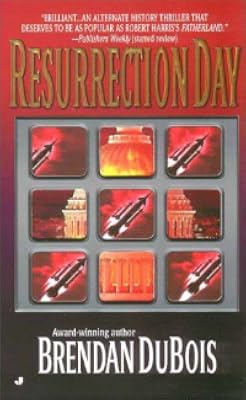
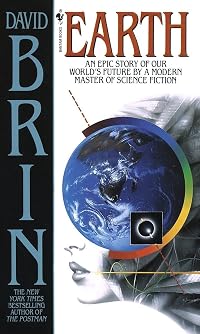
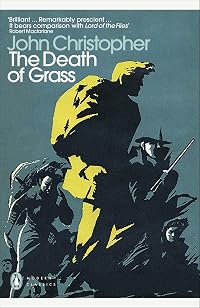
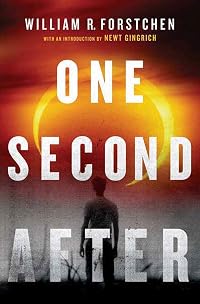
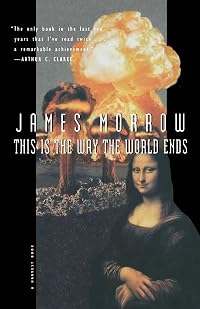
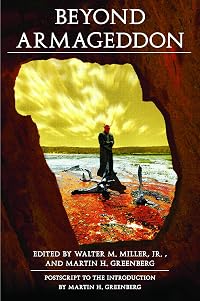
jseger9000 Both books use the device of survivor's stories to describe an apocalyptic event and the aftermath.
Member Reviews
Superb post-apocalyptic novel about two writers who decide to tour the country five years after a limited nuclear exchange. Their own writings form the basis for the story line, punctuated throughout by ""interviews" with individuals in which they are simply allowed to say what they want to about their experiences related to the war and its aftermath. Among the people interviewed are politicians, a cab driver, a man who was on the plane with the president when the buttons were pushed, a school teacher, a midwife, a child, and many more--they related what it was like for them when the war happened and how they have changed and coped since. Finally, the narrative is peppered throughout with official "documents" describing the official show more government response to events. The overall effect is both realistic (both authors use their real names and there are other real people in the book) and intensely personal. I found two of the accounts--the simple day to day life of a child and the author's experience of returning to his NYC apartment to be almost unbearably moving. I've read many of these books since I first came across ""Alas Babylon" in high school, and I would have to rank this one among the very best I've read. Liked it enough to locate and acquire a signed copy. show less
War Day is a post nuclear apocalypse written in the early 1980’s that I found strangely relevant in 2015. The premise of War Day is that there has been a nuclear war between the United States and the USSR (remember 1980’s). What is different about this war is it was very limited. Only a few areas of the USA are actually hit. No countries have nuclear hits other than the USA or USSR. Every country though feels the political and economic balance change drastically.
The two main characters, who are not fictional but place themselves in a fictional world, visit the different areas of the country. It contrasts the destitution and need of the areas that were close to the strikes with the areas that essential had no physical effects, no show more radiation at all. The story is told alternating between the main characters and the people they interview to assess the state of the union five years after War Day.
I read the book when it first came out. I bought the hard back, which four moves later is no longer in my library. I am very much a cold war child and have always been drawn to apocalyptic literature, especially post nuclear. Reading it before the collapse of the USSR and as a 24 year old, it was a great story. Reading it now in a post USSR world as a 52 year old is completely different. The difference comes down to the one “post” I haven’t mentioned: we live in a post 911 world.
I started reading the book simply because I remembered it as a good one and had an opportunity to review the audio version (This audiobook was provided by the author, narrator, or publisher at no cost in exchange for an unbiased review.). As I was reading the book again in 2015 I found parallels to how we as a nation have changed. When the areas unaffected by War Day are discussed, the issue of individual rights vs public protection become very prominent. It really was fascinating to see how the authors saw their fictional world facing limiting personal rights and freedoms to protect what the government perceived as the greater good.
The audio narration is excellent. Mr. Pierce has a very nice voice. He speaks clearly and communicates the emotions the authors created. His narration is a performance. It does not sound as though he is just reading it. It sounds like he studied the book. learned its secrets and then passed them on to the listener. It really is a very good narration. I would definitely listen to another book narrated by Mr. Pierce. I would recommend War Day especially the audio book narrated by Mr. Pierce. show less
The two main characters, who are not fictional but place themselves in a fictional world, visit the different areas of the country. It contrasts the destitution and need of the areas that were close to the strikes with the areas that essential had no physical effects, no show more radiation at all. The story is told alternating between the main characters and the people they interview to assess the state of the union five years after War Day.
I read the book when it first came out. I bought the hard back, which four moves later is no longer in my library. I am very much a cold war child and have always been drawn to apocalyptic literature, especially post nuclear. Reading it before the collapse of the USSR and as a 24 year old, it was a great story. Reading it now in a post USSR world as a 52 year old is completely different. The difference comes down to the one “post” I haven’t mentioned: we live in a post 911 world.
I started reading the book simply because I remembered it as a good one and had an opportunity to review the audio version (This audiobook was provided by the author, narrator, or publisher at no cost in exchange for an unbiased review.). As I was reading the book again in 2015 I found parallels to how we as a nation have changed. When the areas unaffected by War Day are discussed, the issue of individual rights vs public protection become very prominent. It really was fascinating to see how the authors saw their fictional world facing limiting personal rights and freedoms to protect what the government perceived as the greater good.
The audio narration is excellent. Mr. Pierce has a very nice voice. He speaks clearly and communicates the emotions the authors created. His narration is a performance. It does not sound as though he is just reading it. It sounds like he studied the book. learned its secrets and then passed them on to the listener. It really is a very good narration. I would definitely listen to another book narrated by Mr. Pierce. I would recommend War Day especially the audio book narrated by Mr. Pierce. show less
As a child of the 1980s, I remember well just how dark the shadow of nuclear war cast upon us. With billions of dollars being spent on “survivable” nuclear weapons systems and Ronald Reagan joking over an open mic about launching a first strike against the Soviet Union, it seemed as though nuclear war was not a question of “if” but “when”. This feeling was reinforced by the response of numerous writers and filmmakers, who flooded the decade with novels such as Doomsday Plus Twelve and The Postman, movies such as Testament and Miracle Mile, and television shows such as The Day After and Threads, all of which conveyed the horrors of such a conflict and the miseries that its survivors would suffer.
Whitley Strieber and James show more Kunetka’s book was one of the most successful of this genre. Set in 1993, it is a fictional travelogue of the two authors journeying across the United States five years after a “limited” nuclear war (the “Warday” of the book’s title) triggered by the deployment of a space-based anti-missile system decimates the United States. Electronics throughout North America are destroyed by a massive EMP attack that cripples the economy, Washington D.C. and San Antonio are annihilated, New York City suffers a near miss, and large portions of the Great Plains are irradiated by strikes on missile silos. Much of this is related through the recollections of the characters in the novel (some of whom are fictionalized versions of the authors’ friends), and through documents they collect on their travels.
As the two discover on their journey, the nation is falling apart. Millions of Americans aspire to relocate elsewhere. The British and the Japanese assume an increasingly dominant presence in much of the country. In west Texas, secessionists establish a Hispanic-majority nation of “Aztlan,” which the rest of the state is marshaling forces to attack. The West Coast, which was spared the worst effects of the war, is an exclusionary region that is slowly moving towards independence. The Midwest suffers from recurrent fallout caused by weather stirring up irradiated soil from further west, hobbling efforts to rebuild the economy.
Reading this as a teenager, the future prophesized for a “survivable” nuclear war was a grim one. Re-reading it years later, the grimness is still very much apparent, even amidst the undertone of determination and glimmers of hope that the authors inject in the narrative. Much of this is due to the effectiveness of their approach, as by imagining themselves as part of the story they infuse the book with an extra sense of personal suffering, of the exhaustion of living through an imperfect recovery and sadness over what has been lost. While readers today can enjoy the book with a sense of gratitude that no version of the future they envisioned ever came to pass, the book nonetheless serves as an effective artifact from a time when a sense of imminent destruction felt omnipresent and the future horrifyingly bleak. show less
Whitley Strieber and James show more Kunetka’s book was one of the most successful of this genre. Set in 1993, it is a fictional travelogue of the two authors journeying across the United States five years after a “limited” nuclear war (the “Warday” of the book’s title) triggered by the deployment of a space-based anti-missile system decimates the United States. Electronics throughout North America are destroyed by a massive EMP attack that cripples the economy, Washington D.C. and San Antonio are annihilated, New York City suffers a near miss, and large portions of the Great Plains are irradiated by strikes on missile silos. Much of this is related through the recollections of the characters in the novel (some of whom are fictionalized versions of the authors’ friends), and through documents they collect on their travels.
As the two discover on their journey, the nation is falling apart. Millions of Americans aspire to relocate elsewhere. The British and the Japanese assume an increasingly dominant presence in much of the country. In west Texas, secessionists establish a Hispanic-majority nation of “Aztlan,” which the rest of the state is marshaling forces to attack. The West Coast, which was spared the worst effects of the war, is an exclusionary region that is slowly moving towards independence. The Midwest suffers from recurrent fallout caused by weather stirring up irradiated soil from further west, hobbling efforts to rebuild the economy.
Reading this as a teenager, the future prophesized for a “survivable” nuclear war was a grim one. Re-reading it years later, the grimness is still very much apparent, even amidst the undertone of determination and glimmers of hope that the authors inject in the narrative. Much of this is due to the effectiveness of their approach, as by imagining themselves as part of the story they infuse the book with an extra sense of personal suffering, of the exhaustion of living through an imperfect recovery and sadness over what has been lost. While readers today can enjoy the book with a sense of gratitude that no version of the future they envisioned ever came to pass, the book nonetheless serves as an effective artifact from a time when a sense of imminent destruction felt omnipresent and the future horrifyingly bleak. show less
I finally got through the post-nuclear novel WARDAY. Supposedly, it was quite controversial when it was published. Some parts are graphic, horrifying. What were you expecting?
There were graphs and charts pertaining to megaton yields and casualties within X miles of ground zero for each affected US region. I found those to be a distraction, those numbers have no point of reference for me.
The protagonists were two men out to write a book about warday, as they call it, interviewing people Studs Terkel style. These interviews were the best parts and held my interest.
I guess I will stop whining about having to wear a mask now.
There were graphs and charts pertaining to megaton yields and casualties within X miles of ground zero for each affected US region. I found those to be a distraction, those numbers have no point of reference for me.
The protagonists were two men out to write a book about warday, as they call it, interviewing people Studs Terkel style. These interviews were the best parts and held my interest.
I guess I will stop whining about having to wear a mask now.
This is probably the best of the "Cold War goes hot" nuclear apocalypse stories. The "a bunch of stories from the perspective of the narrator, a reporter, interviewing people" worked well. Good audiobook quality as well.
1900 Warday and the Journey Beyond, by Whitley Strieber and James W. Kunetka (read 7 Jan 1985) My nephew said this was the best book he read in 1984, so I have now read it. It tells of events after 28 Oct 1988, when the U.S. and the USSR engage in a limited 20-minute nuclear war. Washington is destroyed, as is San Antonio and New York. It is a horrendous, extremely disquieting story--even though it is amateurish and in some ways inconsistent. New York after five years has only 7000 people and green vegetation is taking over! After reading this, I cannot be against ban-the-bomb and nuclear freeze people. I wish U.S. and Soviet leaders would read the book--though since it is all fiction they no doubt won't bother. But one can't help but show more think Russia isn't as bad as a devastated world. show less
An interesting picture of post-nuclear-war America. I cannot remember much more than the basic story of two men traveling in the ruins to try to grasp the extent of the disaster.
Members
- Recently Added By
Lists

Best Post-Apocalyptic Stories
143 works; 88 members
Author Information

Whitley Strieber was born on June 13, 1945 in San Antonio, Texas. He received a B.A. from the University of Texas in 1968 and a certificate from the London School of Economics and Political Science. Before becoming an author, he worked at an advertising agency from 1970 to 1977, going from account supervisor to vice president. He is the author of show more several novels including The Wolfen, The Hunger, Superstorm, The Last Vampire, Lilith's Dream, 2012: The War for Souls, The Omega Point, Critical Mass, Melody Burning, and the Alien Hunter series. In 1987, he published Communion: A True Story, which described his personal encounters with extraterrestrials. His other non-fiction works include Transformation, Breakthrough: The Next Step, The Secret School, Solving the Communion Enigma: What Is to Come, and Miraculous Journey. He founded the Communion Foundation in 1989 to assist in establishing a productive relationship with alien beings. He is the host of the paranormal and fringe science-themed internet podcast, Dreamland, available on a weekly basis from his website, Unknown Country. (Bowker Author Biography) Whitley Strieber, the co-author of the recent "New York Times" "Coming Global Superstorm", is the author of two classic pieces of American horror fiction: "The Hunger" & "The Wolfen". He is also widely known for his multi-million-copy best-selling account of his own close encounter, "Communion: A True Story". He is engaged in the most advanced research being conducted into the physical evidence of close encounters, & the supernatural in general, today. (Publisher Provided) show less
8 Works 1,359 Members
Some Editions
Awards and Honors
Distinctions
Common Knowledge
- Canonical title
- Warday
- Important events
- World War III
- Canonical DDC/MDS
- 813.54
- Canonical LCC
- PS3569.T6955
Classifications
Statistics
- Members
- 820
- Popularity
- 33,688
- Reviews
- 10
- Rating
- (3.68)
- Languages
- 13 — Danish, Dutch, English, Finnish, French, German, Icelandic, Italian, Norwegian (Bokmål), Portuguese, Slovenian, Spanish, Swedish
- Media
- Paper, Audiobook, Ebook
- ISBNs
- 21
- ASINs
- 11