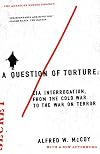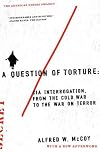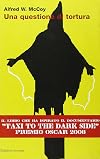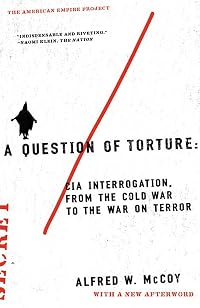
A Question of Torture: CIA Interrogation, from the Cold War to the War on Terror
by Alfred McCoy
The American Empire Project
On This Page
Description
"In this revelatory account of the CIA's secret fifty-years effort to develop new forms of torture, historian Alfred W. McCoy uncovers the deep, disturbing roots of recent scandals at Abu Ghraib and Guantanamo. Far from aberrations, as the White House has claimed. A Question of Torture shows that these abuses are the product of a long-standing covert program of interrogation."--Jacket.Tags
Recommendations
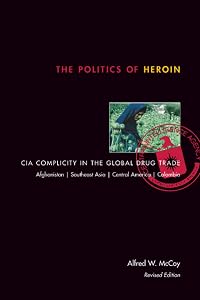
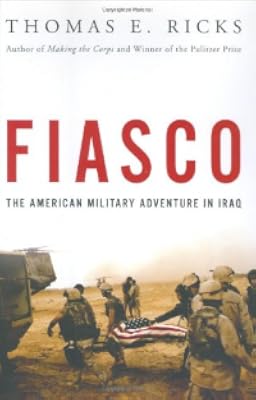
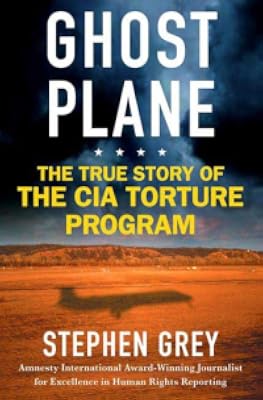
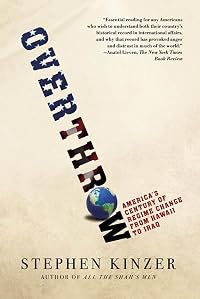





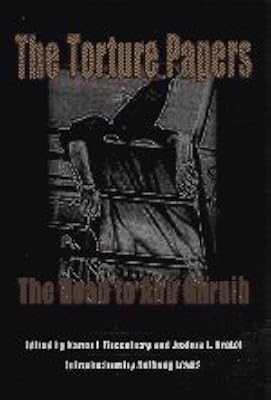
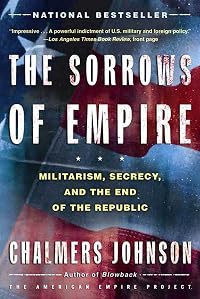

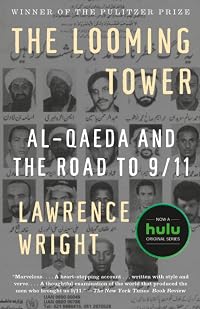
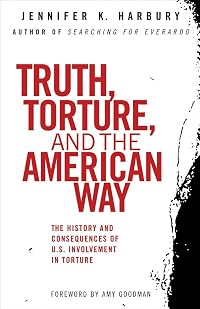
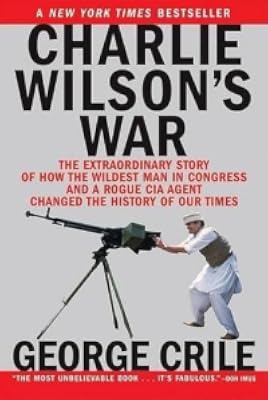

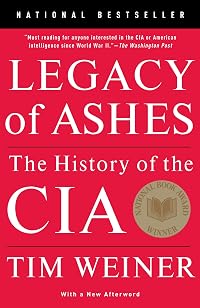
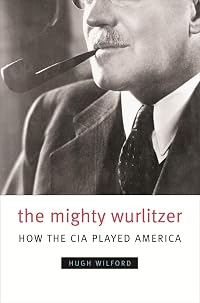
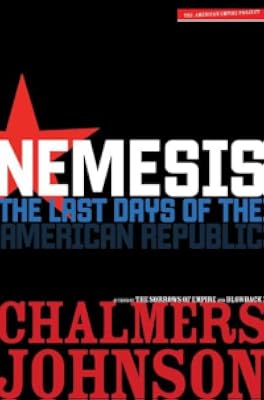
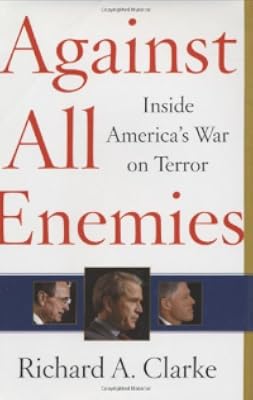
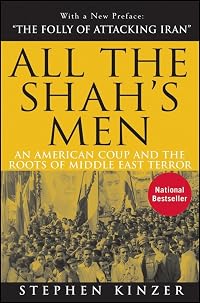
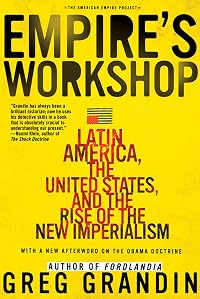
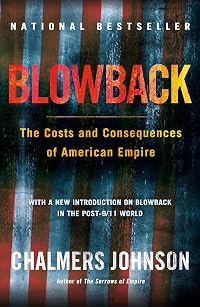


Member Recommendations

Member Reviews
Alfred McCoy, a distinguished professor of history at the University of Wisconsin, has long been a thorn in the side of the CIA. In the pages of this brief book McCoy traces the history of modern torture techniques as developed and used by the CIA. The book demonstrates that the Abu Ghraib abuses have roots far beyond the Bush years. The techniques used there are standard operating procedure.
Sensory deprivation, self-infiction of pain, and assault on the cultural mores of the victim are the hallmarks of the techniques. Read this book and then take one look at the infamous Abu Ghraib pictures and you will understand with certainty that the responsibility goes well beyond Lynndie England and the prison guard grunts. They did not come up show more with these techniques.
McCoy briefly relates that the US historically engaged in systematic torture in the Vietnam Phoenix program and taught Central American governments the CIA methods, to name just two examples. This history was largely ignored in discussions of Abu Ghraib as some commentators simply refused to believe that Americans would do such things.
But does torture work? And if it does, should we use it?
With respect to the efficacy of torture, McCoy quotes a 4th century C.E. Roman legal scholar Ulpian: "the strong will resist and the weak will say anything to end the pain." McCoy also destroys the silly hypotheses about the atomic bomb in Times Square used to justify torture.
McCoy has explained why we, in whose name this torture is performed, should oppose it:
"There's an absolute ban on torture for a very good reason. Torture taps into the deepest recesses, unexplored recesses of human consciousness, where creation and destruction coexist, where the infinite human capacity for kindness and infinite human capacity for cruelty coexist, and it has a powerful perverse appeal, and once it starts, both the perpetrators and the powerful who order them, let it spread, and it spreads out of control."
Highly recommended. show less
Sensory deprivation, self-infiction of pain, and assault on the cultural mores of the victim are the hallmarks of the techniques. Read this book and then take one look at the infamous Abu Ghraib pictures and you will understand with certainty that the responsibility goes well beyond Lynndie England and the prison guard grunts. They did not come up show more with these techniques.
McCoy briefly relates that the US historically engaged in systematic torture in the Vietnam Phoenix program and taught Central American governments the CIA methods, to name just two examples. This history was largely ignored in discussions of Abu Ghraib as some commentators simply refused to believe that Americans would do such things.
But does torture work? And if it does, should we use it?
With respect to the efficacy of torture, McCoy quotes a 4th century C.E. Roman legal scholar Ulpian: "the strong will resist and the weak will say anything to end the pain." McCoy also destroys the silly hypotheses about the atomic bomb in Times Square used to justify torture.
McCoy has explained why we, in whose name this torture is performed, should oppose it:
"There's an absolute ban on torture for a very good reason. Torture taps into the deepest recesses, unexplored recesses of human consciousness, where creation and destruction coexist, where the infinite human capacity for kindness and infinite human capacity for cruelty coexist, and it has a powerful perverse appeal, and once it starts, both the perpetrators and the powerful who order them, let it spread, and it spreads out of control."
Highly recommended. show less
The first account of the CIA’s decades long research and investment in violent coercive interrogration.
Ratings
Members
- Recently Added By
Author Information

25+ Works 1,201 Members
Alfred W. McCoy holds the Harrington Chair in History at the University of Wisconsin-Madison. His award-winning books include Policing America's Empire.
Series

Belongs to Publisher Series
Common Knowledge
- Canonical title
- A Question of Torture: CIA Interrogation, from the Cold War to the War on Terror
- Important events
- Cold War
Classifications
- Genres
- Nonfiction, Politics and Government, History, General Nonfiction
- DDC/MDS
- 323.4 — Society, government, & culture Political science Civil Rights & Liberties/ Human Rights The state and the individual
- LCC
- HV8599 .U6 .M33 — Social sciences Social pathology. Social and public welfare. Criminology Social pathology. Social and public welfare. Criminal justice administration Penology. Prisons. Corrections
- BISAC
Statistics
- Members
- 215
- Popularity
- 151,402
- Reviews
- 2
- Rating
- (3.85)
- Languages
- English, German, Italian
- Media
- Paper, Ebook
- ISBNs
- 5
- ASINs
- 1