On This Page
Description
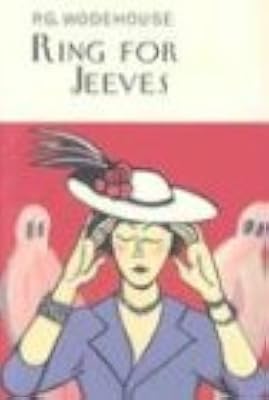
Bill (Lord) Rowcester was well and truly in the gumbo. With the benefit of hindsight he could see that setting himself up as a Silver Ring bookie might not have been his smartest move ever. Particularly when being down on his dibbs threatens his oncoming nuptials with the sterling Jill Wyvern. Lucky for Bill he had the land-lease of Jeeves. Lucky indeed that the fish-fed mastermind's formidable genius was at liberty to take a header into such teasers as borrowing the stellar Mrs. show more Spottsworth's pendent for an hour or three or overseeing the added ingredients of Abbey's Derby Dinner, to say nothing of his lordship's mauve pajamas. show lessTags
Recommendations










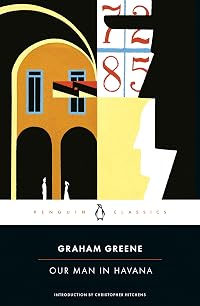
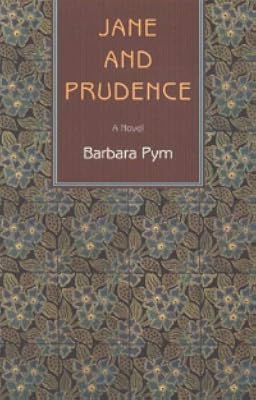


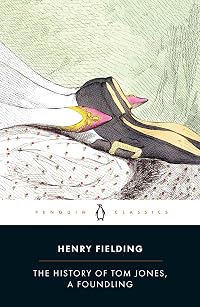
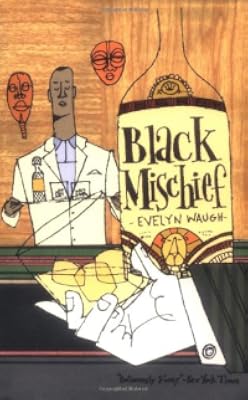



Member Recommendations

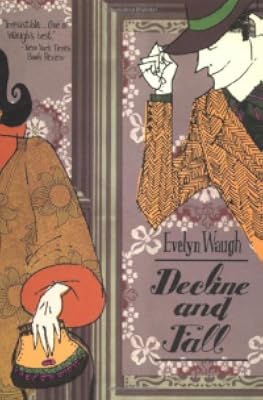
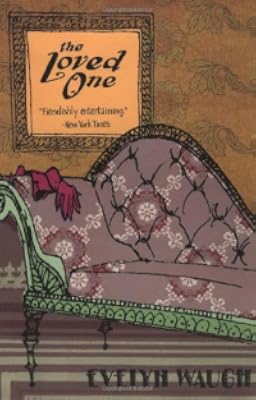
themulhern Written around the same time, a principal theme of both books is aristocratic penury in England and American affluence.
Member Reviews
The only Jeeves novel not to feature Bertie, and it's a bit odd. Granted, the Jeeves books only take up about 15% of Wodehouse's literary oeuvre, so there's no reason why I should expect them all to be consistent, yet it's intriguing how much the loss of Bertie's narrative voice really does affect the novel.
Instead, Jeeves is temporarily servant to another man, and this is one of Wodehouse's typical country house comedies of errors. His trademark turns of phrase are as funny as ever, and he shows perhaps a greater analysis of character motivations than we usually see in the Jeeves or Blandings canons, where most of the characters are deliberately farcical.
Still, I must admit it's slightly unusual to read, since this just isn't the show more funniest of Wodehouse's works. It's more a breezy little character piece, but I ultimately don't think that was Wodehouse's greatest strength. It's a confection, and really you shouldn't read too much at once without feeling light-headed. Without Bertie Wooster's narrative voice to distress and bamboozle us, our knowledge that Jeeves will save the day somewhat ruins the low dramatic stakes. (Indeed, some of the business in the book's second act - where Jeeves becomes almost exclusively a classical literature quotation machine - borders on self-parody.)
Not a bad book at all, and indeed things liven up in the third act when Wodehouse really goes out guns a-blazing. Still, a trifle odd! show less
Instead, Jeeves is temporarily servant to another man, and this is one of Wodehouse's typical country house comedies of errors. His trademark turns of phrase are as funny as ever, and he shows perhaps a greater analysis of character motivations than we usually see in the Jeeves or Blandings canons, where most of the characters are deliberately farcical.
Still, I must admit it's slightly unusual to read, since this just isn't the show more funniest of Wodehouse's works. It's more a breezy little character piece, but I ultimately don't think that was Wodehouse's greatest strength. It's a confection, and really you shouldn't read too much at once without feeling light-headed. Without Bertie Wooster's narrative voice to distress and bamboozle us, our knowledge that Jeeves will save the day somewhat ruins the low dramatic stakes. (Indeed, some of the business in the book's second act - where Jeeves becomes almost exclusively a classical literature quotation machine - borders on self-parody.)
Not a bad book at all, and indeed things liven up in the third act when Wodehouse really goes out guns a-blazing. Still, a trifle odd! show less
This is an ultramodern (1950s) episode with Bertie not in the picture. But an old Jeeves still has it in this rollicking post-War story of the usual recipe ingredients: betting, financial issues, marriage, and dolts. Lots and lots of lovable pesky, irritating dolts This one is actually one of my favorites. The script just never gets old.
I am shocked by the number of negative reviews of this book by self-professed Wodehouseans here. So shocked that if I were the great man himself, you'd be likely to see an eyebrow of mine raised at least a sixteenth of an inch in response. Yes, the lack of dear Bertie Wooster's wit and schmoozy charm is unfortunate, but the ad hoc cast old P. G. summoned in Bertie's absence does a good job. I liked Bill "Billiken" Towcester (it seems some editions introduce him as Rowcester as in "rooster"; he is firmly Towcester as in "toaster" in my copy), the big game hunter Beggar, the multiple-surnamed American millionairess, and was even able to tolerate Bill's bozo of a brother-in-law, Sir Roderick, at times. I disagree with anyone writing that show more Jeeves was not himself in this volume; I found him to be well-stocked with his typical traits hyperintelligent cunning and English butlerly sangfroid -- two things that are handy to have in a jam, and this book certainly abounds in satisfyingly resolved jams, as any good Wodehouse should. show less
Apparently this is the only Wodehouse novel featuring Jeeves that does not also have Bertie Wooster. Bertie is mentioned a few times, but Jeeves is off playing butler for a penniless English Lord in this one. As usual, there are (2) couples in love but separated by lack of funds. This one has most of the elements of a classic Wodehouse tale, but it felt a bit flat to me. Not enough humor, maybe.
Nice departure for Wodehouse. In this book he portrays the penury of the post-war British landed aristocracy and contrasts it with the affluence of the American widow for humourous effect. The book is in the third person, as Bertie is temporarily absent from the tale. This frees the author to go into his subject a little more deeply without jarring the reader too much, as a Bertie fallen from affluence would be a very helpless Bertie. Also, Jeeves gets to unleash his quotations and general encyclopedic knowledge yet more freely than in Bertie's company, to a subtly different, but still very humourous effect.
The reading by Nigel Lambert was outstanding. The accent he put on for the American widow was remarkable but pleasing; he manages show more to work an "r" into "applesauce" where I did not expect it. show less
The reading by Nigel Lambert was outstanding. The accent he put on for the American widow was remarkable but pleasing; he manages show more to work an "r" into "applesauce" where I did not expect it. show less
This review is written with a GPL 4.0 license and the rights contained therein shall supersede all TOS by any and all websites in regards to copying and sharing without proper authorization and permissions. Crossposted at WordPress, Blogspot & Librarything by Bookstooge’s Exalted Permission
Title: Ring for Jeeves
Series: The Jeeves Omnibus #3.1
Author: P.G. Wodehouse
Rating: 3.5 of 5 Stars
Genre: Humor
Pages: 256
Format: Digital Edition
Synopsis:
In this novel, Bertie Wooster has gone to school to learn to take care of himself and so Jeeves is on loan to another useless lump of English Aristocracy. Unfortunately for this lump, he's not rich like Bertie so his life is a bit harder. He wishes to marry the local veterinarian but without the show more funds, well....
Jeeves suggests he become a bookie and between the 2 of them, they start bringing in the money. Until the Lump (as I shall be calling him from here on out) goes against Jeeves' advice and covers a bet. The horse wins and suddenly the Lump owes an african hunter 3000 pounds, plus some odd change. At the same time the Lump's ancestral house is falling to pieces and the only way to save it is to sell it. Hopefully to a rich american widow. Unfortunately for the Lump, the Great White Hunter chases him and Jeeves and tracks him down to his ancestral home. Where it turns out the rich american widow is someone he knows and has loved.
Hijinks ensue, Jeeves gives advice and the Great White Hunter and the Widow marry, the Widow buys the house and ships it to America and the Lump now has the money to marry the Vetinarian. And Jeeves gets a call that Bertie has been kicked out of the school for hiring an old woman on the sly to do his darning of socks for him.
My Thoughts:
While this was amusing, Lumpy Aristocrat was no Bertie Wooster. And Jeeves taking an active part in the proceedings seemed a bit out of character for him. Wearing a fake mustache and hoofing it with a fiver when Lumpy welshes on the bet, well, it just didn't seem like Jeeves.
Lumpy was useless. Bertie isn't useless because he has money but Lumpy? That guy needs to be cut out of the gene pool. Makes me wonder how long before this starts happening to the nouveau rich here in America in this day and age.
I breezed through this and while I wouldn't recommend skipping it if you're reading the omnibus editions, I certainly wouldn't recommend seeking it out just on its own.
★★★☆½ show less
Title: Ring for Jeeves
Series: The Jeeves Omnibus #3.1
Author: P.G. Wodehouse
Rating: 3.5 of 5 Stars
Genre: Humor
Pages: 256
Format: Digital Edition
Synopsis:
In this novel, Bertie Wooster has gone to school to learn to take care of himself and so Jeeves is on loan to another useless lump of English Aristocracy. Unfortunately for this lump, he's not rich like Bertie so his life is a bit harder. He wishes to marry the local veterinarian but without the show more funds, well....
Jeeves suggests he become a bookie and between the 2 of them, they start bringing in the money. Until the Lump (as I shall be calling him from here on out) goes against Jeeves' advice and covers a bet. The horse wins and suddenly the Lump owes an african hunter 3000 pounds, plus some odd change. At the same time the Lump's ancestral house is falling to pieces and the only way to save it is to sell it. Hopefully to a rich american widow. Unfortunately for the Lump, the Great White Hunter chases him and Jeeves and tracks him down to his ancestral home. Where it turns out the rich american widow is someone he knows and has loved.
Hijinks ensue, Jeeves gives advice and the Great White Hunter and the Widow marry, the Widow buys the house and ships it to America and the Lump now has the money to marry the Vetinarian. And Jeeves gets a call that Bertie has been kicked out of the school for hiring an old woman on the sly to do his darning of socks for him.
My Thoughts:
While this was amusing, Lumpy Aristocrat was no Bertie Wooster. And Jeeves taking an active part in the proceedings seemed a bit out of character for him. Wearing a fake mustache and hoofing it with a fiver when Lumpy welshes on the bet, well, it just didn't seem like Jeeves.
Lumpy was useless. Bertie isn't useless because he has money but Lumpy? That guy needs to be cut out of the gene pool. Makes me wonder how long before this starts happening to the nouveau rich here in America in this day and age.
I breezed through this and while I wouldn't recommend skipping it if you're reading the omnibus editions, I certainly wouldn't recommend seeking it out just on its own.
★★★☆½ show less
Full disclosure: I am a huge fan of P.G. Wodehouse, and four stars is the default rating.
The fact that this one is 3.5 stars tells you it's not among my favorites. For a Jeeves novel especially you'd think it would be higher, but in this case, the matter is susceptible of a ready explanation--no Bertie. This is Sherlock without Watson, eggs without bacon, Hobbes without Calvin. It's also explicitly set in post WWII England, which strips away the Edwardian elegance of most of the series. Lastly, it seems to be out of continuity with the rest of the series.
The source material was a stage play which ended with a wedding for the hero. Since Wodehouse did not want Bertie to get married, he could not be the hero himself. But he wanted it to show more include Jeeves. And so the duo was separated, and the results were less than impressive. This book, essentially a novelization of the play, should be appreciated for what it is--a view into the world of Wodehouse the playwright, not Wodehouse the author.
Recommendation: For Wodehouse fans who are willing to forgive an aside in the history of Jeeves and Wooster. show less
The fact that this one is 3.5 stars tells you it's not among my favorites. For a Jeeves novel especially you'd think it would be higher, but in this case, the matter is susceptible of a ready explanation--no Bertie. This is Sherlock without Watson, eggs without bacon, Hobbes without Calvin. It's also explicitly set in post WWII England, which strips away the Edwardian elegance of most of the series. Lastly, it seems to be out of continuity with the rest of the series.
The source material was a stage play which ended with a wedding for the hero. Since Wodehouse did not want Bertie to get married, he could not be the hero himself. But he wanted it to show more include Jeeves. And so the duo was separated, and the results were less than impressive. This book, essentially a novelization of the play, should be appreciated for what it is--a view into the world of Wodehouse the playwright, not Wodehouse the author.
Recommendation: For Wodehouse fans who are willing to forgive an aside in the history of Jeeves and Wooster. show less
Members
- Recently Added By
Lists

Folio Society
831 works; 48 members

20th Century Literature
1,161 works; 55 members

Books Read in 2011
684 works; 20 members
Author Information

657+ Works 111,114 Members
P. G. Wodehouse was born in Guildford, United Kingdom on October 15, 1881. After completing school, he spent two years as a banker at the Hong Kong and Shanghai Bank in London and then took a job as a sports reporter and columnist for the Globe newspaper. His first novel, The Pothunters, was published in 1902. He wrote over 100 novels and short show more story collections during his lifetime including A Perfect Uncle, Love Among the Chickens, The Swoop, P. Smith in the City, Meet Mr. Milliner, Doctor Sally, Quick Service, The Old Reliable, Uneasy Money, A Damsel in Distress, Jill the Reckless, The Adventures of Sally, A Pelican at Blandings, The Girl in Blue, and Aunts Aren't Gentlemen. His most famous characters, Bertie Wooster and his manservant, Jeeves, appeared in books such as Much Obliged, Jeeves. He also wrote lyrics for musical comedies and worked as screenwriter in Hollywood in the 1930s. In 1939, he bought a villa in Le Touquet on the coast of France. He remained there when World War II started in 1939. The following year, the Germans appropriated the villa, confiscated property, and arrested him. He was detained in various German camps for almost one year before being released in 1941. He went to Berlin and spoke of his experience in five radio talks to be broadcast to America and England. The talks themselves were completely innocuous, but he was charged with treason in England. He was cleared, but settled permanently in the United States. He became a citizen in 1955. He was made a Knight Commander of the Order of the British Empire in 1975. He died from a heart attack after a long illness on February 14, 1975 at the age of 93. (Bowker Author Biography) show less
Some Editions
Series

Belongs to Publisher Series
Work Relationships
Common Knowledge
- Canonical title
- Ring for Jeeves
- Original title
- Ring for Jeeves
- Alternate titles
- The Return of Jeeves
- Original publication date
- 1953
- People/Characters
- Bertram Wilberforce Wooster; Reginald Jeeves; William Egerton Ossingham Belfry, ninth Earl of Towcester; Captain Cuthbert Gervase 'Bwana' Brabazon-Biggar; Rosalinda Spottsworth; Lady Monica 'Moke' Carmoyle (show all 8); Sir Roderick 'Rory' Carmoyle; Jill Wyvern
- Important places
- Towcester Abbey; England, UK
- First words
- Towcester Abbey---pronounced Toaster---the seat of William Egerton Ossingham Belfry, ninth Earl of Towcester, is one those stately homes of England which were a lot statelier in the good old days before the moth got at them.
- Quotations
- Shy creatures of the night rustled in the bushes at her side and, to top the whole thing off, somewhere in the woods beyond the river a nightingale began to sing with the full-throated zest of a bird conscious of having had a... (show all) rave notice from the poet Keats and only a couple of nights ago a star spot on the program of the B.B.C.
(p. 107) - Last words
- (Click to show. Warning: May contain spoilers.)"I say," said Rory, the receiver at his ear, "I've just remembered another one. Which is bigger, Captain Biggar or Mrs. Biggar? Mrs. Biggar, because she became Biggar. Ha, ha. Ha, ha, ha! Meanwhile, I'm trying to get---"
His number came through.
"Oh, hullo," he said. "Harrod's?" - Disambiguation notice
- UK title 'Ring for Jeeves', US title 'The Return of Jeeves'
Classifications
Statistics
- Members
- 1,466
- Popularity
- 16,021
- Reviews
- 29
- Rating
- (3.93)
- Languages
- 10 — Czech, Dutch, English, French, Hungarian, Italian, Norwegian (Bokmål), Russian, Spanish, Swedish
- Media
- Paper, Audiobook, Ebook
- ISBNs
- 42
- UPCs
- 1
- ASINs
- 31