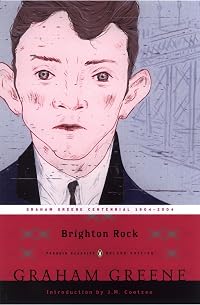
Brighton Rock
by Graham Greene 
On This Page
Description
A teenage sociopath rises to power in Britain's criminal underworld in this "brilliant and uncompromising" thriller (The New York Times). Seventeen-year-old Pinkie Brown, raised amid the casual violence and corruption in the dire prewar Brighton slums, has left his final judgment in the hands of God. On the streets, impelled by his own twisted moral doctrine, he leads a motley pack of gangsters whose sleazy little rackets have most recently erupted in the murder of an informant. Pinkie's show more attempts to cover their tracks have led him into the bed of a timid and love-struck young waitress named Rose-his new wife, the key witness to his crimes, and, should she live long enough, his alibi. But loitering in the shadows is another woman, Ida Arnold-an avenging angel determined to do right by Pinkie's latest victim. Adapted for film in both 1948 and 2010 and for the stage as both a drama and musical, and serving as an inspiration to such disparate artists as Morrissey, John Barry, and Queen, "this bleak, seething and anarchic novel still resonate[s]" (The Guardian). show lessTags
Recommendations

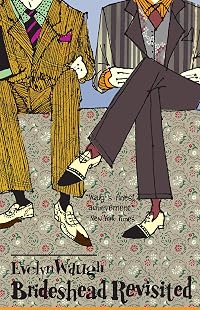
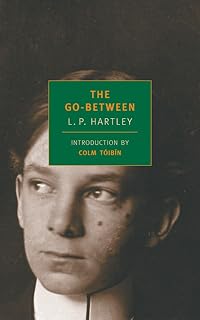
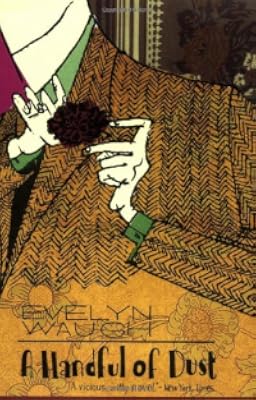
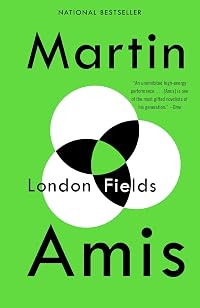

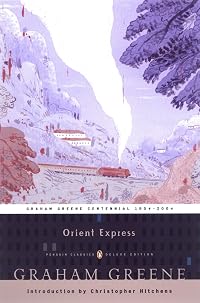









Member Recommendations


Cecrow Events in these two Greene novels are loosely related ('A Gun for Sale' first).
Member Reviews
Rating: 4.25* of five
The Book Report: Charles "Fred" Hale, aka newspaper columnist "Kolley Kibber," is in Brighton to hand out paper-chase prizes to loyal readers of his paper. He's also running as fast as he can from someone who means to kill him. Why? We aren't told. Who? That's made very plain within the first thirty pages. Well, there goes the suspense, right? Not right.
In a vain effort to live to fight another day, Hale hooks up with Ida, a blowsy pub-crawling broad with a heart of gold and a steely sense of right and wrong. Her trip to the public convenience to wash up a bit before her bit of fun with Hale allows the killer time enough to deal with Hale...permanently.
Ida, once she figures out the gentleman (!) who stood her up show more (and after she washed and everything!) in Brighton is the murder victim in her next morning's paper, determines that Hale will be avenged despite his lack of family, his murder being ruled a natural death, and her own complete lack of detective experience. The fun of the book, the bulk of the story, is in Ida circling closer and closer to the party we know to be the killer, and the multiple characters trailing in his wake slowly falling to his amoral, sociopathic self-preservation response. In the end, triumph changes Ida. The consequences of her victory over the forces of evil are such that she undergoes a sea change of feeling and desire. Justice never comes without a price. Never. Everyone involved in the story pays. Some with their lives.
My Review: Moralistic, yes; marvelously written, oh my yes! Greene's characters are, as in others of his work that I've read, mouthpieces for a worldview. He elevates them from the dreary, tiresome leadenness of Message Characters by imbuing them with a sense of humor as black as the world they inhabit, the world of carneys and racing touts and waitresses trapped forever in second-rate diners and gangsters whose souls are so dead to beauty that they can't see anything but violence as a solution to any and every problem.
It surprised me how often I laughed as I read on in this grisly, blood-soaked bagatelle. And yes, I meant "bagatelle" -- light, airy, almost inconsequential read that "Birghton Rock" is. I was completely delighted by the tone of the book, I was half in love with Ida, I was even sad for the killer and his parched, wounded soul.
A marvelous entertainment, then, and one whose substantial moral manages to keep itself underneath the story being told, supporting it. As it should be. Well made, worthwhile fiction. One expects nothing less from Graham Greene, no? show less
The Book Report: Charles "Fred" Hale, aka newspaper columnist "Kolley Kibber," is in Brighton to hand out paper-chase prizes to loyal readers of his paper. He's also running as fast as he can from someone who means to kill him. Why? We aren't told. Who? That's made very plain within the first thirty pages. Well, there goes the suspense, right? Not right.
In a vain effort to live to fight another day, Hale hooks up with Ida, a blowsy pub-crawling broad with a heart of gold and a steely sense of right and wrong. Her trip to the public convenience to wash up a bit before her bit of fun with Hale allows the killer time enough to deal with Hale...permanently.
Ida, once she figures out the gentleman (!) who stood her up show more (and after she washed and everything!) in Brighton is the murder victim in her next morning's paper, determines that Hale will be avenged despite his lack of family, his murder being ruled a natural death, and her own complete lack of detective experience. The fun of the book, the bulk of the story, is in Ida circling closer and closer to the party we know to be the killer, and the multiple characters trailing in his wake slowly falling to his amoral, sociopathic self-preservation response. In the end, triumph changes Ida. The consequences of her victory over the forces of evil are such that she undergoes a sea change of feeling and desire. Justice never comes without a price. Never. Everyone involved in the story pays. Some with their lives.
My Review: Moralistic, yes; marvelously written, oh my yes! Greene's characters are, as in others of his work that I've read, mouthpieces for a worldview. He elevates them from the dreary, tiresome leadenness of Message Characters by imbuing them with a sense of humor as black as the world they inhabit, the world of carneys and racing touts and waitresses trapped forever in second-rate diners and gangsters whose souls are so dead to beauty that they can't see anything but violence as a solution to any and every problem.
It surprised me how often I laughed as I read on in this grisly, blood-soaked bagatelle. And yes, I meant "bagatelle" -- light, airy, almost inconsequential read that "Birghton Rock" is. I was completely delighted by the tone of the book, I was half in love with Ida, I was even sad for the killer and his parched, wounded soul.
A marvelous entertainment, then, and one whose substantial moral manages to keep itself underneath the story being told, supporting it. As it should be. Well made, worthwhile fiction. One expects nothing less from Graham Greene, no? show less
The more I do not read Contemporary Fiction, the more important the predecessors become. Case in point: Graham Greene. Never has the degradation of every but one of the dramatis personae been so trepidatiously depicted. Imagine someone writing in those years between the apexes of Hammett and Chandler, a British Catholic, setting his terrors at the most cliched of sites, the seaside resort. Impotent wanna-be gangsters collide with both semi-professionals and well-meaning interlopers. Being me, I knew how it all would end. Graham Greene proved me very wrong, to my delight.
Brighton Rock is a typical Graham Greene novel, in that it is a taut but literary character-driven story laced with a lot of Catholic angst. This angst sometimes gets rather dreary, but the pairing of 'Brighton rock' (an English candy whose writing looks the same no matter where it is broken off) with the concept of Original Sin is one of those things that sounds silly when you say it but which works in the story. Pinkie is one of Greene's cruellest characters; the 'splinter of ice' that Greene famously said every writer must have in their heart is on full display here.
That said, Brighton Rock sometimes seems overwritten, and my mind glazed over many unnecessarily verbose passages. After a strong start with Hale, it gets rather swampy show more and loses its narrative thrust. It is entertaining, but lacks the grace and clarity of Greene's later work. show less
That said, Brighton Rock sometimes seems overwritten, and my mind glazed over many unnecessarily verbose passages. After a strong start with Hale, it gets rather swampy show more and loses its narrative thrust. It is entertaining, but lacks the grace and clarity of Greene's later work. show less
Such anger and self loathing in such a young man. It was never going to end well. Witness the spiral into inevitable horror as Pinkie chases one bad impulsive decision after another.
"He had a fair smooth skin, the faintest down, and his grey eyes had an effect of heartlessness like an old man’s in which human feeling has died."
When Pinkie's boss Kite is killed by a rival gang Pinkie takes over, at 17 knowing everything and nothing.
"‘When people do one murder, I’ve read they sometimes have to do another—to tidy up.’ The word murder conveyed no more to him than the word ‘box’, ‘collar’, ‘giraffe’.
"He had a fair smooth skin, the faintest down, and his grey eyes had an effect of heartlessness like an old man’s in which human feeling has died."
When Pinkie's boss Kite is killed by a rival gang Pinkie takes over, at 17 knowing everything and nothing.
"‘When people do one murder, I’ve read they sometimes have to do another—to tidy up.’ The word murder conveyed no more to him than the word ‘box’, ‘collar’, ‘giraffe’.
Brighton Rock by Graham Greene takes you on a trip to the seedy, underside of Britain’s premier seaside resort town in the 1930’s. Here we meet such characters as the rising gangster Pinkie Brown, a 17 year old, ruthless sociopath. Fred Hale, knowing he is targeted as Pinkie’s next victim but unable to escape his fate. Rose, young, innocent and naïve, as a witness that could incriminate Pinkie, he must shut her up either by marriage or murder. And the big-hearted Ida Arnold, generous, motherly and a stickler for the truth. She lives large and makes no apologies. Wanting to find out the truth behind Fred’s death, she becomes obsessed with saving Rose.
On the surface this is a book about Pinkie trying to cover his tracks and show more having everything escalate out of his control. But just like the glitz and glamour of the resort town, there is a lot going on underneath the surface. A superb character study, as we delve into the mind of Pinkie Brown and see a young boy who never had a chance, a product of poverty and neglect, he was destined to end up as he did. His relationship with Rose is both dark and twisted, yet gives a glimpse of tenderness now and again as well. Graham Greene also touches on religion, contrasting how Catholicism influenced both Rose and Pinkie, yet non-religious Ida appears to have the stronger moral core.
The unique vision of Graham Greene has resulted in a book that is both complex yet thrilling. Timeless, entertaining and thoughtful, I highly recommend Brighton Rock. show less
On the surface this is a book about Pinkie trying to cover his tracks and show more having everything escalate out of his control. But just like the glitz and glamour of the resort town, there is a lot going on underneath the surface. A superb character study, as we delve into the mind of Pinkie Brown and see a young boy who never had a chance, a product of poverty and neglect, he was destined to end up as he did. His relationship with Rose is both dark and twisted, yet gives a glimpse of tenderness now and again as well. Graham Greene also touches on religion, contrasting how Catholicism influenced both Rose and Pinkie, yet non-religious Ida appears to have the stronger moral core.
The unique vision of Graham Greene has resulted in a book that is both complex yet thrilling. Timeless, entertaining and thoughtful, I highly recommend Brighton Rock. show less
There are some spoilers in this review.
Our story follows the leader of a 1930s Brighton gang in the aftermath of a murder. Pinkie Brown is a cold, ruthless 18-year-old psychopath whose grey eyes give “an effect of heartlessness like an old man’s in which human feeling has died.” (God damn, Graham Greene.) Following the murder of his gang leader, Pinkie is in charge of those loyal enough to remain, and his first order of business is vengeance.
Pinkie’s target is Fred Hale, a man who betrayed the gang leader in some way, presumably (I can’t claim I understand how gangs work at all). Just before Fred’s murder (spoiler, but I don’t think Fred even makes it to page 30), he encounters the easy-going Ida, whose bosom is described show more in virtually every chapter. When Fred disappears, Ida is extremely suspicious and refuses to rest until she discovers the truth about what’s happened.
As Ida pursues Pinkie, Pinkie pursues Rose, a teenager who unknowingly holds a key piece of evidence that could implicate Pinkie in murder. Even though the idea of romance is utterly repellent to Pinkie and he sees the traditional path of marriage and children as a slow death, he convinces Rose he loves her in order to dissuade her from talking to anyone about what she knows. Is he willing to sacrifice his “bitter virginity” (whatever the fuck that means), his freedom, and even his eternal soul in order to keep Rose quiet?
Like basically every other Graham Greene novel ever written, this one is highly critical of the Catholic Church. Pinkie and Rose are both Catholic, in contrast with Ida, who isn’t religious is spiritual and has a few weird superstitions about ghosts and Ouija boards. As a child, Pinkie wanted to be a priest, and Greene draws parallels between his contempt for the rest of humanity, indifference to suffering, and disdain of sex and romantic love with the Catholic Church. Greene also prods quite a bit at the two Catholic characters’ willingness to sin despite the promise of eternal damnation, going so far as to say “a Catholic is more capable of evil than anyone” (246).
For some reason I didn’t get into his the first time around I tried it, but I LOVED it this time. It’s outrageously cynical, and the only novel I can think of in which a candy tourists buy in Brighton is used as a metaphor for the inescapability of human nature.
Fair warning that you’ll have to deal with a reasonable amount of dated ‘30s slang that feels made up, esp. re: women. (Both “buer” and “polony” get thrown around A LOT and I still don’t fully understand what either means. I just kept thinking of Polonius from Hamletand also Thelonious Monk every time someone used the word “polony.”)
The end also gets a bit melodramatic, and it’s hard not to imagine physically throwing Rose. She’s an idiot. Most frustrating is that Ida, the only likeable character, gets quite a lot of focus at the beginning of the novel, but then Pinkie receives more and more attention. I was so excited when I thought (however briefly) this was actually a female-centric Greene novel.
My favorite quote is also a good test of whether you might enjoy this one or find it too dark and cynical: “That was what happened to a man in the end: the stuffy room, the wakeful children, the Saturday night movements from the other bed. Was there no escape––anywhere––for anyone? It was worth murdering a world” (92). Chills, you guys.
The Spectator’s review on the back of the book says of Greene, “Entertaining he may always be; comforting, never,” which I think is the most accurate description of his novels I’ve ever read. (And at the same time seems a bit like backhanded praise and also possibly written by Yoda?) I can’t think of another writer quite like Greene; perhaps Cormac McCarthy in terms of bleakness? John Le Carré in terms of suspense and a darker take on spying (as inThe Quiet American)? William Golding for shared views on human nature? He’s not quite like any other writer I can think of, which is why I love him so much. show less
Our story follows the leader of a 1930s Brighton gang in the aftermath of a murder. Pinkie Brown is a cold, ruthless 18-year-old psychopath whose grey eyes give “an effect of heartlessness like an old man’s in which human feeling has died.” (God damn, Graham Greene.) Following the murder of his gang leader, Pinkie is in charge of those loyal enough to remain, and his first order of business is vengeance.
Pinkie’s target is Fred Hale, a man who betrayed the gang leader in some way, presumably (I can’t claim I understand how gangs work at all). Just before Fred’s murder (spoiler, but I don’t think Fred even makes it to page 30), he encounters the easy-going Ida, whose bosom is described show more in virtually every chapter. When Fred disappears, Ida is extremely suspicious and refuses to rest until she discovers the truth about what’s happened.
As Ida pursues Pinkie, Pinkie pursues Rose, a teenager who unknowingly holds a key piece of evidence that could implicate Pinkie in murder. Even though the idea of romance is utterly repellent to Pinkie and he sees the traditional path of marriage and children as a slow death, he convinces Rose he loves her in order to dissuade her from talking to anyone about what she knows. Is he willing to sacrifice his “bitter virginity” (whatever the fuck that means), his freedom, and even his eternal soul in order to keep Rose quiet?
Like basically every other Graham Greene novel ever written, this one is highly critical of the Catholic Church. Pinkie and Rose are both Catholic, in contrast with Ida, who isn’t religious is spiritual and has a few weird superstitions about ghosts and Ouija boards. As a child, Pinkie wanted to be a priest, and Greene draws parallels between his contempt for the rest of humanity, indifference to suffering, and disdain of sex and romantic love with the Catholic Church. Greene also prods quite a bit at the two Catholic characters’ willingness to sin despite the promise of eternal damnation, going so far as to say “a Catholic is more capable of evil than anyone” (246).
For some reason I didn’t get into his the first time around I tried it, but I LOVED it this time. It’s outrageously cynical, and the only novel I can think of in which a candy tourists buy in Brighton is used as a metaphor for the inescapability of human nature.
Fair warning that you’ll have to deal with a reasonable amount of dated ‘30s slang that feels made up, esp. re: women. (Both “buer” and “polony” get thrown around A LOT and I still don’t fully understand what either means. I just kept thinking of Polonius from Hamletand also Thelonious Monk every time someone used the word “polony.”)
The end also gets a bit melodramatic, and it’s hard not to imagine physically throwing Rose. She’s an idiot. Most frustrating is that Ida, the only likeable character, gets quite a lot of focus at the beginning of the novel, but then Pinkie receives more and more attention. I was so excited when I thought (however briefly) this was actually a female-centric Greene novel.
My favorite quote is also a good test of whether you might enjoy this one or find it too dark and cynical: “That was what happened to a man in the end: the stuffy room, the wakeful children, the Saturday night movements from the other bed. Was there no escape––anywhere––for anyone? It was worth murdering a world” (92). Chills, you guys.
The Spectator’s review on the back of the book says of Greene, “Entertaining he may always be; comforting, never,” which I think is the most accurate description of his novels I’ve ever read. (And at the same time seems a bit like backhanded praise and also possibly written by Yoda?) I can’t think of another writer quite like Greene; perhaps Cormac McCarthy in terms of bleakness? John Le Carré in terms of suspense and a darker take on spying (as inThe Quiet American)? William Golding for shared views on human nature? He’s not quite like any other writer I can think of, which is why I love him so much. show less
Graham Greene has many different faces, as I have discovered in reading his other novels, and Brighton Rock seemed to me to offer yet another side of a multi-faceted writer. Brighton Rock is a murder story, which follows the brief career of Pinkie, a seventeen year old who has taken over as leader of the mob after the murder of its previous leader, Kite. Pinkie is a paranoid who has obviously had a rough life and has learned the ways of the street. He is overconfident, cruel minded, and in over his head. He is a ruthless character.
Rose is a young girl who knows something she should not know, information that might threaten Pinkie. He needs to keep her close, so he pretends to woo her, and in her naivety, she believes. Her involvement show more with Pinkie leads her into places a young innocent should not go, and we see her struggle with her feelings and beliefs.
At one point in the story, Pinkie pushes a group of blind musicians off the roadside because they are blocking his way.
but he hadn’t realized they were blind, he was shocked by his own action. It was as if he were being driven too far down a road he only wanted to travel a certain distance.
What Greene seems to be saying in much of the book is that once we begin to depart into the path of evil, we find ourselves trapped on a road that has no exit.
As he so often does, Graham tackles the question of morality and sin, personal responsibility, and Roman Catholic doctrine through several of his characters: The ruthless Pinkie, the naive and innocent Rose, and the worldly but good-hearted Ida. He explores the difference between religion and morality and the nature of mercy. The surface of the tale might be rather simple, the underside, of course, is not. Greene is nothing if not complex and insightful.
Despite the depths Greene attempts to plumb, this is not his best work, from my point of view. I did not find a single character to relate to or invest in, and I even found the story tedious in spots. But, a lesser Greene novel is better than many another author’s best work, for he always has something of import to say. It is an early work, with the spark of genius skimming the surface and never truly reaching the heights that his later works do. Brighton Rock does not have the humor that underpins [b:Our Man in Havana|133394|Our Man in Havana|Graham Greene|https://i.gr-assets.com/images/S/compressed.photo.goodreads.com/books/1327926887l/133394._SY75_.jpg|1912267], the emotional impact of [b:The End of the Affair|29641|The End of the Affair|Graham Greene|https://i.gr-assets.com/images/S/compressed.photo.goodreads.com/books/1613946254l/29641._SY75_.jpg|267229], the character development of [b:The Quiet American|3698|The Quiet American|Graham Greene|https://i.gr-assets.com/images/S/compressed.photo.goodreads.com/books/1388187216l/3698._SY75_.jpg|1469913], or the philosophical intelligence of [b:The Power and the Glory|3690|The Power and the Glory|Graham Greene|https://i.gr-assets.com/images/S/compressed.photo.goodreads.com/books/1388210459l/3690._SY75_.jpg|1036817]. I have come, in fact, to expect so much excellence from Greene that anything less than tremendous seems a letdown. I am still quite glad to have read this, and excited to see what his other novels that I have yet to read will have to offer. show less
Rose is a young girl who knows something she should not know, information that might threaten Pinkie. He needs to keep her close, so he pretends to woo her, and in her naivety, she believes. Her involvement show more with Pinkie leads her into places a young innocent should not go, and we see her struggle with her feelings and beliefs.
At one point in the story, Pinkie pushes a group of blind musicians off the roadside because they are blocking his way.
but he hadn’t realized they were blind, he was shocked by his own action. It was as if he were being driven too far down a road he only wanted to travel a certain distance.
What Greene seems to be saying in much of the book is that once we begin to depart into the path of evil, we find ourselves trapped on a road that has no exit.
As he so often does, Graham tackles the question of morality and sin, personal responsibility, and Roman Catholic doctrine through several of his characters: The ruthless Pinkie, the naive and innocent Rose, and the worldly but good-hearted Ida. He explores the difference between religion and morality and the nature of mercy. The surface of the tale might be rather simple, the underside, of course, is not. Greene is nothing if not complex and insightful.
Despite the depths Greene attempts to plumb, this is not his best work, from my point of view. I did not find a single character to relate to or invest in, and I even found the story tedious in spots. But, a lesser Greene novel is better than many another author’s best work, for he always has something of import to say. It is an early work, with the spark of genius skimming the surface and never truly reaching the heights that his later works do. Brighton Rock does not have the humor that underpins [b:Our Man in Havana|133394|Our Man in Havana|Graham Greene|https://i.gr-assets.com/images/S/compressed.photo.goodreads.com/books/1327926887l/133394._SY75_.jpg|1912267], the emotional impact of [b:The End of the Affair|29641|The End of the Affair|Graham Greene|https://i.gr-assets.com/images/S/compressed.photo.goodreads.com/books/1613946254l/29641._SY75_.jpg|267229], the character development of [b:The Quiet American|3698|The Quiet American|Graham Greene|https://i.gr-assets.com/images/S/compressed.photo.goodreads.com/books/1388187216l/3698._SY75_.jpg|1469913], or the philosophical intelligence of [b:The Power and the Glory|3690|The Power and the Glory|Graham Greene|https://i.gr-assets.com/images/S/compressed.photo.goodreads.com/books/1388210459l/3690._SY75_.jpg|1036817]. I have come, in fact, to expect so much excellence from Greene that anything less than tremendous seems a letdown. I am still quite glad to have read this, and excited to see what his other novels that I have yet to read will have to offer. show less
Members
- Recently Added By
Published Reviews
ThingScore 75
This is no book for those who would turn delicate noses away from the gutters and sewers of life; but there is nothing that could give the faintest gratification to snickerers. If it is as downright as surgery, it is, also, as clean as a clinic. There is not an entirely admirable character in it; but there is not one that can, by any chance, be forgotten nor one that could be set aside as show more untrue to life. show less
added by John_Vaughan
Why does this bleak, seething and anarchic novel still resonate? Its energy and power is that of the rebellious adolescent, foreshadowing the rise of the cult of youth in the latter part of the 20th century. And while Catholicism may have given way to secularism, Pinkie ultimately realises that hell isn't located in some distant realm: it's right here, present on earth, all around us.
added by John_Vaughan
Greene's entertainments look better now than most of his pretentious and overpraised 'serious novels'. One of the few British crime novels of the time which matched the modernist tone of the Americans, while remaining completely authentic.
added by Cynfelyn
Lists

The Guardian's 1000 Novels Everyone Must Read
1,005 works; 550 members

1001 Books You Must Read Before You Die
1,448 works; 1,134 members

Recommend the 20 best books you've read in the last five years
2,168 works; 601 members

Harold Bloom - The Western Canon: D. The Chaotic Age
833 works; 24 members

Year 9 Reading List
29 works; 3 members

The Top 100 Crime Novels of All Time
100 works; 15 members
Best Noir Fiction
160 works; 14 members

Top 100 Mystery Novels of All Time
98 works; 9 members
20th Century Literature
1,161 works; 54 members

To Read - Literature / Fiction
26 works; 1 member
1,001 BYMRBYD Concensus
723 works; 27 members

Blue Pyramid 1,276 Best Books of All Time
1,248 works; 32 members

Books Read in 2023
5,547 works; 145 members

1930s
262 works; 5 members

Radio 4 Book at Bedtime
12 works; 1 member

Huxley's reading log 2016
84 works; 3 members

SHOULD Read Books!
354 works; 9 members

Haycraft Queen Cornerstones
181 works; 3 members

Catalog
41 works; 2 members
Books About Murder
313 works; 7 members

Books I Own But Haven't Read
144 works; 2 members

DigitalDreamDoor top 300
300 works; 4 members

Books Read in 2025
4,091 works; 97 members

Las 10 mejores novelas negras para comenzar a leer novela negra
10 works; 1 member

.
194 works; 2 members
School Made Us Read It
380 works; 196 members

Just Kids by Patti Smith
43 works; 1 member

.
396 works; 1 member

Books Read in 2019
4,052 works; 110 members

Recommended Reading : 600 Classics Reviewed, Editors of Salem Press, 2015
634 works; 6 members

AP Lit
363 works; 6 members

Books available on Open Library
171 works; 4 members

Books
85 works; 1 member
My TBR
371 works; 3 members

Books mentioned in Julian Symons’ Bloody Murder
438 works; 6 members

Books About Boys
175 works; 15 members

Novels with a city or town in the title
61 works; 1 member
Author Information

356+ Works 87,436 Members
Born in 1904, Graham Greene was the son of a headmaster and the fourth of six children. Preferring to stay home and read rather than endure the teasing at school that was a by-product of his father's occupation, Greene attempted suicide several times and eventually dropped out of school at the age of 15. His parents sent him to an analyst in show more London who recommended he try writing as therapy. He completed his first novel by the time he graduated from college in 1925. Greene wrote both entertainments and serious novels. Catholicism was a recurring theme in his work, notable examples being The Power and the Glory (1940) and The End of the Affair (1951). Popular suspense novels include: The Heart of the Matter, Our Man in Havana and The Quiet American. Greene was also a world traveler and he used his experiences as the basis for many books. One popular example, Journey Without Maps (1936), was based on a trip through the jungles of Liberia. Greene also wrote and adapted screenplays, including that of the 1949 film, The Third Man, which starred Orson Welles. He died in Vevey, Switzerland in 1991. (Bowker Author Biography) show less
Graham Greene has a Legacy Library. Legacy libraries are the personal libraries of famous readers, entered by LibraryThing members from the Legacy Libraries group.
Some Editions
Awards and Honors
Notable Lists
Series
Belongs to Publisher Series
Work Relationships
Is contained in
Has the adaptation
Has as a study
Has as a student's study guide
Common Knowledge
- Canonical title*
- Kiveä kovempi
- Original title
- Brighton Rock
- Alternate titles*
- Am Abgrund des Lebens
- Original publication date
- 1938
- People/Characters
- Fred Hale; Pinkie Brown; Ida Arnold; Rose
- Important places
- Brighton, East Sussex, England, UK; East Sussex, England, UK
- Related movies
- Brighton Rock (1947 | IMDb); Brighton Rock (2010 | IMDb)
- Epigraph
- 'This were a fine reign:
To do ill and not hear of it again.'
THE WITCH OF EDMONTON - First words
- Hale knew, before he had been in Brighton three hours, that they meant to murder him. With his inky fingers and his bitten nails, his manner cynical and nervous, anybody could tell he didn't belong - belong to the early summe... (show all)r sun, the cool Whitsun wind off the sea, the holiday crowd They came in by train from Victoria every five minutes, rocked down Queen's Road standing on the tops of the little local trams, stepped off in bewildered multitudes into fresh and glittering air: the new silver paint sparkled on the piers, the cream color houses ran away into the west like a pale Victorian water-colour; a race in miniature motors, a band playing, flower gardens in bloom below the front, an aeroplane advertising something for the health in pale vanishing clouds across the sky.
Hale knew they meant to murder him before he had been in Brighton three hours. [1956 ed.] - Quotations
- [...] young men kept on arriving in huge motoring coats accompanied by small tinted creatures, who rang like expensive glass when they were touched but who conveyed an impression of being as sharp and tough as tin.
- Last words
- (Click to show. Warning: May contain spoilers.)She walked rapidly in the thin June sunlight towards the worst horror of all.
- Blurbers
- McEwan, Ian
- Original language
- English
- Canonical DDC/MDS
- 823.912
- Canonical LCC
- PR6013.R44 B7
*Some information comes from Common Knowledge in other languages. Click "Edit" for more information.
Classifications
Statistics
- Members
- 5,650
- Popularity
- 2,335
- Reviews
- 127
- Rating
- (3.72)
- Languages
- 20 — Afrikaans, Catalan, Czech, Danish, Dutch, English, Estonian, Finnish, French, German, Greek, Hebrew, Hungarian, Italian, Norwegian (Bokmål), Polish, Romanian, Spanish, Swedish, Portuguese (Portugal)
- Media
- Paper, Audiobook, Ebook
- ISBNs
- 103
- ASINs
- 89