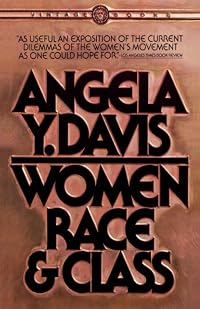
Women, Race, and Class
by Angela Y. Davis
On This Page
Description
A powerful study of the women's liberation movement in the U.S., from abolitionist days to the present, that demonstrates how it has always been hampered by the racist and classist biases of its leaders. From the widely revered and legendary political activist and scholar Angela Davis.--Publisher website.Tags
Recommendations




Member Reviews
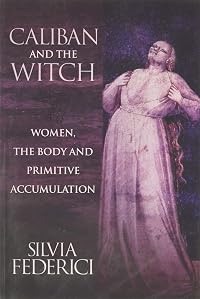
I’ve learnt a hella lot about feminism, racism and classism and their connections. Coming from Silvia Federici, I already knew some of it beforehand, but getting deeper into the happenings pre- and post-Civil War and the political intricacies was eye-opening.
I could draw a lot of parallels between the lynching of Black people and the silence around it and the situation in Palestine/Gaza today. Divide and rule presents itself again as an important tool of exploitative capitalism. Though slavery was abolished, reaping the work of Black people was still in charge, and they (as well as white lower working classes) were discriminated against. Again the question protrudes: is law really always fair? (“A South Carolina court ruled that show more female slaves had no legal claims whatever on their children”, p.5).
The irony of creating a fragile woman in the form of a housewife and the toiling of Black women on slave fields is real. I guess, shape the world the way it suits you… (“Women were not too ‘feminine’ to work in coal mines, in iron foundries or to be lumberjacks and ditchdiggers”, p.7).
The power of women which they possessed in pre-capitalist times (“women had been manufacturers, producing fabric, clothing, candles, soap and practically all the other family necessities”, p.28) was taken away in the course of capitalism, and they were made dependent on men, legally and financially.
Learning about the brave women and men who opposed racism, sexism and classism was important. Claiming Black people were “savages” when the real savages were white violent men who raped and killed Black people all along since slavery is a grotesque reversal of victim and perpetrator roles. show less
I could draw a lot of parallels between the lynching of Black people and the silence around it and the situation in Palestine/Gaza today. Divide and rule presents itself again as an important tool of exploitative capitalism. Though slavery was abolished, reaping the work of Black people was still in charge, and they (as well as white lower working classes) were discriminated against. Again the question protrudes: is law really always fair? (“A South Carolina court ruled that show more female slaves had no legal claims whatever on their children”, p.5).
The irony of creating a fragile woman in the form of a housewife and the toiling of Black women on slave fields is real. I guess, shape the world the way it suits you… (“Women were not too ‘feminine’ to work in coal mines, in iron foundries or to be lumberjacks and ditchdiggers”, p.7).
The power of women which they possessed in pre-capitalist times (“women had been manufacturers, producing fabric, clothing, candles, soap and practically all the other family necessities”, p.28) was taken away in the course of capitalism, and they were made dependent on men, legally and financially.
Learning about the brave women and men who opposed racism, sexism and classism was important. Claiming Black people were “savages” when the real savages were white violent men who raped and killed Black people all along since slavery is a grotesque reversal of victim and perpetrator roles. show less
Davis eloquently pinpoints the historical connections between sexism, racism, and economic inequality throughout America's struggle for gender equality. Chapter by chapter she dissects how those dehumanizing efforts have been a part of society: from antebellum America to the early 1980's. She highlights people who historically pointed out those intersections and rightfully should be heroes: like Frederick Douglass or W. E. B. Du Bois. Likewise, she casts a critical light on people like Margaret Sanger, Susan B. Anthony, and Elizabeth Cady Stanton--three women whose feminist ideas often took them down paths advocating racism or eugenics. Davis is best when summarizing history (as at times her pullquotes aren't that compelling). And I show more wish more of her caustic wit and personality would shine. Still, this book will knock you on your ass. It's as relevant today as it was when written. show less
Esse livro parece contar a história dos EUA, sobretudo nas décadas imediatamente posteriores à Guerra da Secessão, mas ele é escrito de tal forma que não só supera o regionalismo norte-americano transformando-o num conteúdo universal, como bem apresenta um conteúdo atemporal, mostrando que o racismo de cento e cinquenta anos atrás ainda circula em nossas veias. Livro fundamental para entender o feminismo interseccional, ele é dividido da seguinte forma:
No primeiro capítulo Davis já nos dá um socão na cara explicando que mesmo dentro de um sistema de opressão de classe e raça tão brutal quanto o escravagista a questão de gênero punha em pé de igualdade escravos homens e mulheres na questão de gênero e justamente show more pelas mulheres negras serem tão fortes dentro de sua condição os senhores brancos aplicavam-nas um castigo para tentar ceifá-las de sua força: o estupro.
No segundo capítulo a autora nos mostra o quanto o movimento antiescravagista é inerente ao nascimento do movimento feminista nos EUA, mesmo as mulheres brancas burguesas se identificavam com as penúrias dos escravos por se verem tolhidas de sua liberdade dentro do próprio casamento, isso as levou à um engajamento ao lado das brancas proletárias e as negras já libertas no norte para a abolição da escravatura.
No terceiro capítulo Davis menciona o racismo dentro do próprio movimento anti-escravocrata, de pessoas brancas que gostaria de dar liberdade aos negros, mas que não gostaria de vê-los em suas instituições sociais, incluindo também as mulheres em convenções pelo sufrágio universal.
No quarto capítulo a autora comenta a cisão que ocorreu entre as sufragistas e os abolicionistas pelo direito ao voto, com o racismo semeado entre as sufragistas brancas por não tolerarem que os homens negros obtivessem o direito ao voto antes delas, embora fosse mais urgente pela violência extrema em que os negros eram tratados, as sufragistas acabaram sendo manipuladas por políticos racistas a ficarem contra o sufrágio negro.
No quinto capítulo Angela discorre sobre como na pós-escravidão as mulheres negras só conseguiam empregos como domésticas e ainda sendo vitimizadas sexualmente pelo branco da casa em função disso, perpetuando um estereótipo ainda entronizado dos tempos escravocratas.
No sexto capítulo finalmente vemos um acordo tácito entre mulheres brancas e negras: suas lutas pela educação do povo negro, nesse primeiro laivo de sororidade racial, muitas mulheres se uniram com o apoio do Estado pelo menos até 1876) para ensinar e construir escolas com o objetivo da educação do povo negro, fundando aí as primeiras escolas públicas nos EUA.
O sétimo capítulo traz como a supremacia branca e eugenismo transformaram o movimento sufragista em apologia à raça branca, em que as mulheres brancas seriam as salvadoras da raça e por isso elas deveriam ter privilégios acima dos negros e indígenas. Esse capítulo me fez lembrar muito de como se estruturou o cinema de D.W. Grifith que era justamente dessa geração eugenista, nós podemos encontrar tudo que Angela discutiu aqui na foram que ele dava ao seu cinema.
No oitavo capítulo é reconstruído o caminho que levou às primeiras associações de feminismo negro nos EUA e explicita a importância de Ida Wells e Mary Terrell na construção dela luta.
O oitavo capítulo nos faz odiar ainda mais o feminismo branco, diz como as sufragistas brancas negaram associação ao feminismo negro até as vésperas de conseguirem o sufrágio universal e quando conseguido fazia-se de tudo para que as mulheres negras não pudessem votar, desde intervenção da Ku Klux Klan até destruição de cédulas.
No capítulo dez Angela traz que o feminismo intersecional nasceu no sei dos partidos socialista e posteriormente comunista, sobretudo com ativistas proletárias bem distantes das burguesas do feminismo branco que até então dominavam o movimento sufragista, os maiores nomes das comunistas intersecionais pioneiras são: Lucy Parsons, Mother Bloor, Anita Whitney, Elizabeth Gurley Flynn e Claudia Jones.
O capítulo onze delineia a origem do mito do estuprador negro, muito difundido pós-guerra da secessão para justificar os linchamentos recorrentes contra o povo negro, a partir daí também surgiu o mito das mulheres negras promíscuas, para justificar os brancos estuprando as mulheres negras. Angrela faz um apanhado geral das feministas brancas até os anos 70 do século XX que ainda perpetuam o racismo estrutural para com minorias étnicas.
O capítulo doze diz respeito à legalização do aborto e as esterilizações eugênicas das minorias étnicas ocorridas até os anos 70 com o aval do governo nos EUA.
No décimo terceiro e derradeiro capítulo Angela traz a questão da servidão doméstica das mulheres, não apenas pregando uma socialização dos trabalhos de casa e criação dos filhos, como bem clamando uma eliminação das tarefas através de uma industrialização do serviço doméstico amparada por eletrodomésticos que quase a extinguem. show less
No primeiro capítulo Davis já nos dá um socão na cara explicando que mesmo dentro de um sistema de opressão de classe e raça tão brutal quanto o escravagista a questão de gênero punha em pé de igualdade escravos homens e mulheres na questão de gênero e justamente show more pelas mulheres negras serem tão fortes dentro de sua condição os senhores brancos aplicavam-nas um castigo para tentar ceifá-las de sua força: o estupro.
No segundo capítulo a autora nos mostra o quanto o movimento antiescravagista é inerente ao nascimento do movimento feminista nos EUA, mesmo as mulheres brancas burguesas se identificavam com as penúrias dos escravos por se verem tolhidas de sua liberdade dentro do próprio casamento, isso as levou à um engajamento ao lado das brancas proletárias e as negras já libertas no norte para a abolição da escravatura.
No terceiro capítulo Davis menciona o racismo dentro do próprio movimento anti-escravocrata, de pessoas brancas que gostaria de dar liberdade aos negros, mas que não gostaria de vê-los em suas instituições sociais, incluindo também as mulheres em convenções pelo sufrágio universal.
No quarto capítulo a autora comenta a cisão que ocorreu entre as sufragistas e os abolicionistas pelo direito ao voto, com o racismo semeado entre as sufragistas brancas por não tolerarem que os homens negros obtivessem o direito ao voto antes delas, embora fosse mais urgente pela violência extrema em que os negros eram tratados, as sufragistas acabaram sendo manipuladas por políticos racistas a ficarem contra o sufrágio negro.
No quinto capítulo Angela discorre sobre como na pós-escravidão as mulheres negras só conseguiam empregos como domésticas e ainda sendo vitimizadas sexualmente pelo branco da casa em função disso, perpetuando um estereótipo ainda entronizado dos tempos escravocratas.
No sexto capítulo finalmente vemos um acordo tácito entre mulheres brancas e negras: suas lutas pela educação do povo negro, nesse primeiro laivo de sororidade racial, muitas mulheres se uniram com o apoio do Estado pelo menos até 1876) para ensinar e construir escolas com o objetivo da educação do povo negro, fundando aí as primeiras escolas públicas nos EUA.
O sétimo capítulo traz como a supremacia branca e eugenismo transformaram o movimento sufragista em apologia à raça branca, em que as mulheres brancas seriam as salvadoras da raça e por isso elas deveriam ter privilégios acima dos negros e indígenas. Esse capítulo me fez lembrar muito de como se estruturou o cinema de D.W. Grifith que era justamente dessa geração eugenista, nós podemos encontrar tudo que Angela discutiu aqui na foram que ele dava ao seu cinema.
No oitavo capítulo é reconstruído o caminho que levou às primeiras associações de feminismo negro nos EUA e explicita a importância de Ida Wells e Mary Terrell na construção dela luta.
O oitavo capítulo nos faz odiar ainda mais o feminismo branco, diz como as sufragistas brancas negaram associação ao feminismo negro até as vésperas de conseguirem o sufrágio universal e quando conseguido fazia-se de tudo para que as mulheres negras não pudessem votar, desde intervenção da Ku Klux Klan até destruição de cédulas.
No capítulo dez Angela traz que o feminismo intersecional nasceu no sei dos partidos socialista e posteriormente comunista, sobretudo com ativistas proletárias bem distantes das burguesas do feminismo branco que até então dominavam o movimento sufragista, os maiores nomes das comunistas intersecionais pioneiras são: Lucy Parsons, Mother Bloor, Anita Whitney, Elizabeth Gurley Flynn e Claudia Jones.
O capítulo onze delineia a origem do mito do estuprador negro, muito difundido pós-guerra da secessão para justificar os linchamentos recorrentes contra o povo negro, a partir daí também surgiu o mito das mulheres negras promíscuas, para justificar os brancos estuprando as mulheres negras. Angrela faz um apanhado geral das feministas brancas até os anos 70 do século XX que ainda perpetuam o racismo estrutural para com minorias étnicas.
O capítulo doze diz respeito à legalização do aborto e as esterilizações eugênicas das minorias étnicas ocorridas até os anos 70 com o aval do governo nos EUA.
No décimo terceiro e derradeiro capítulo Angela traz a questão da servidão doméstica das mulheres, não apenas pregando uma socialização dos trabalhos de casa e criação dos filhos, como bem clamando uma eliminação das tarefas através de uma industrialização do serviço doméstico amparada por eletrodomésticos que quase a extinguem. show less
Required reading.
Be prepared for a challenging read. Not because of difficult writing, but because of the dark, complicated topics Davis brings to light. Here is so much history that was not part of my education and I am grateful to be schooled by the thoughtful work of Dr. Davis.
In light of current national news, here's one passage that rings true today even though it was published over 35 years ago:
"Racism has always served as a provocation to rape, and the white women of the United States have necessarily suffered from the ricochet fire of these attacks. This is one of the many ways in which racism nourishes sexism, causing white women to be indirectly victimized by the special oppression aimed at their sisters of color." 177
Be prepared for a challenging read. Not because of difficult writing, but because of the dark, complicated topics Davis brings to light. Here is so much history that was not part of my education and I am grateful to be schooled by the thoughtful work of Dr. Davis.
In light of current national news, here's one passage that rings true today even though it was published over 35 years ago:
"Racism has always served as a provocation to rape, and the white women of the United States have necessarily suffered from the ricochet fire of these attacks. This is one of the many ways in which racism nourishes sexism, causing white women to be indirectly victimized by the special oppression aimed at their sisters of color." 177
Best for: Readers interested in learning more about the history of the women’s movement from a race and class perspective (it’s right there in the title).
In a nutshell: Brilliant academic and activist Angela Y. Davis provides a thorough history of the women’s movement, with a focus on the contributions of Black women and men and a deep analysis of the ways that white women in particular failed to support the needs of their Black sisters.
Line that sticks with me: “Yet there were those who understood that the abolition of slavery had not abolished the economic oppression of Black people, who therefore had a special and urgent need for political power.” (p73)
Why I chose it: Angela Davis is amazing. Also, I wanted to learn more show more about the history of the women’s movement outside the white lens.
Review: This book. I need to read this book again. Maybe twice a year. There is so much within it to unpack, to think about.
Ms. Davis starts with slavery and the entire concept of womanhood, looking at how the Black experience of womanhood in the U.S. differed from the experience of the white woman. She continues on through abolition and suffrage, focusing a large portion of her time on the 1850s-1930s. Each chapter feels like it could have been the start of a seminar on the topic; I assume there are (or at least could be) entire graduate-level courses constructed around examining each of these essays.
I didn’t really learn much about the U.S. suffragettes in school, so when I saw this article (http://the-toast.net/2014/04/21/suffragettes-sucked-white-supremacy-womens-rights/) a few years ago, I remember thinking ‘oh fuck.’ You may have seen a few of the more recent articles – like during the election – pointing this same thing out. But Ms. Davis gives so much more context to this, providing a detailed history, full of great original source material from speeches and other documents. It is frustrating and fascinating and infuriating, all at the same time.
She also focuses chapters near the end on the racial implications of rape (“Rape, Racism and the Myth of the Black Rapist”) and on how racism factored into and colors how Black women view birth control and reproductive right. Holy shit, people. These chapters are SO GOOD. Rage inducing, but critical to understanding this nation’s race relations history.
Not that I’m in any position to disagree with Ms. Davis on anything, but I did have a bit of a problem with the final chapter, on housework. Once you read it, you might understand when I say that I don’t disagree with her, but I think that she missed a big part of the picture. In that chapter, she takes issue with the fight for women to earn wages doing housework. She raises valid points, but in this area, I think fails to take into consideration what could bridge the gap between the current (bad) situation and the ideal situation.
But that’s one minor issue – and one I might change my mind about once I think on it more. The whole book is just fantastic. Go get it. show less
In a nutshell: Brilliant academic and activist Angela Y. Davis provides a thorough history of the women’s movement, with a focus on the contributions of Black women and men and a deep analysis of the ways that white women in particular failed to support the needs of their Black sisters.
Line that sticks with me: “Yet there were those who understood that the abolition of slavery had not abolished the economic oppression of Black people, who therefore had a special and urgent need for political power.” (p73)
Why I chose it: Angela Davis is amazing. Also, I wanted to learn more show more about the history of the women’s movement outside the white lens.
Review: This book. I need to read this book again. Maybe twice a year. There is so much within it to unpack, to think about.
Ms. Davis starts with slavery and the entire concept of womanhood, looking at how the Black experience of womanhood in the U.S. differed from the experience of the white woman. She continues on through abolition and suffrage, focusing a large portion of her time on the 1850s-1930s. Each chapter feels like it could have been the start of a seminar on the topic; I assume there are (or at least could be) entire graduate-level courses constructed around examining each of these essays.
I didn’t really learn much about the U.S. suffragettes in school, so when I saw this article (http://the-toast.net/2014/04/21/suffragettes-sucked-white-supremacy-womens-rights/) a few years ago, I remember thinking ‘oh fuck.’ You may have seen a few of the more recent articles – like during the election – pointing this same thing out. But Ms. Davis gives so much more context to this, providing a detailed history, full of great original source material from speeches and other documents. It is frustrating and fascinating and infuriating, all at the same time.
She also focuses chapters near the end on the racial implications of rape (“Rape, Racism and the Myth of the Black Rapist”) and on how racism factored into and colors how Black women view birth control and reproductive right. Holy shit, people. These chapters are SO GOOD. Rage inducing, but critical to understanding this nation’s race relations history.
Not that I’m in any position to disagree with Ms. Davis on anything, but I did have a bit of a problem with the final chapter, on housework. Once you read it, you might understand when I say that I don’t disagree with her, but I think that she missed a big part of the picture. In that chapter, she takes issue with the fight for women to earn wages doing housework. She raises valid points, but in this area, I think fails to take into consideration what could bridge the gap between the current (bad) situation and the ideal situation.
But that’s one minor issue – and one I might change my mind about once I think on it more. The whole book is just fantastic. Go get it. show less
A landmark work on intersectional culture & history.
I guess I wasn’t really surprised at how relevant this book still is—I never had any illusion that these issues had gone away, and Davis’ analysis is deep enough that applies to them even as they’ve changed over time. What did surprise me is the . . . sturdiness of Davis’ critiques. No one would accuse her of being a conventional thinker, but neither is she anti-conventional. But she has a broad, deep historical knowledge of marginalized groups in the US, and it shows. She stakes positions on subjects regardless of conventional thinking, and supports her claims well.
Not to mention, of course, that she’s a powerful analytical thinker and an articulate writer, which made the show more book interesting to read, at almost every moment. show less
I guess I wasn’t really surprised at how relevant this book still is—I never had any illusion that these issues had gone away, and Davis’ analysis is deep enough that applies to them even as they’ve changed over time. What did surprise me is the . . . sturdiness of Davis’ critiques. No one would accuse her of being a conventional thinker, but neither is she anti-conventional. But she has a broad, deep historical knowledge of marginalized groups in the US, and it shows. She stakes positions on subjects regardless of conventional thinking, and supports her claims well.
Not to mention, of course, that she’s a powerful analytical thinker and an articulate writer, which made the show more book interesting to read, at almost every moment. show less
This is a wonderful collection of essays about race (mainly black Americans v. white Americans/immigrants). Davis includes some really important information about early rich white (American) lady reproductive rights work and the exclusion of WOC and working class ladies from the movement. I take issue with some of her rhetorical strategies and she turns a blind eye to what politics is actually like when human beings are involved (frailties!), but overall this essay collection is 100% required reading (except perhaps that last chapter).
Members
- Recently Added By
Lists

Best Feminist Literature
188 works; 26 members

The Black Archives: All Power To the People! Reading List
79 works; 10 members

Powell's 50 Books for 50 Years
50 works; 4 members

Penguin Random House
458 works; 4 members
Zora Canon
100 works; 6 members

The Zora Canon
98 works; 4 members
Blackwell's Five Foot Bookshelf
72 works; 4 members

Club Read's Recommended Nonfiction Written by Women
618 works; 30 members

The Luca Guadagnino Universe
62 works; 1 member

Sapph-Lit
78 works; 4 members

Reading LIst
648 works; 1 member

Schomburg Centennial Reading List
100 works; 4 members

World
18 works; 1 member
Author Information

46+ Works 9,784 Members
Awards and Honors
Series
Belongs to Publisher Series
Work Relationships
Is a commentary on the text of
The Red Record: Tabulated Statistics and Alleged Causes of Lynching in the United States by Ida B. Wells-Barnett
The Truth About Lynching And The Negro In The South: In Which The Author Pleads That The South Be Made Safe For The White Race by Winfield H. Collins
Rape: The Bait and the Trap : A Balanced, Humane, Up-To-Date Analysis of Its Causes and Control by Jean Scott MacKellar
The Winter Soldier Investigation: An Inquiry into American War Crimes. by Vietnam Veterans Against the War
Common Knowledge
- Canonical title
- Women, Race, and Class
- Original publication date
- 1981
- People/Characters
- Angela Davis
- Important places
- USA
- Dedication
- To my mother, Sallye B. Davis
- First words
- When the influential scholar Ulrich B. Phillips declared in 1918 that slavery in the Old South had impressed upon African savages and their native-born descendants the glorious stamp of civilization, he set the stage for a lo... (show all)ng and passionate debate.
- Last words
- (Click to show. Warning: May contain spoilers.)This strategy calls into question the validity of monopoly capitalism and must ultimately point in the direction of socialism.
Classifications
- Genres
- Sexuality and Gender Studies, Nonfiction, Sociology, General Nonfiction, History
- DDC/MDS
- 305.42 — Society, government, & culture Social sciences, sociology & anthropology Social group - Age, Gender, Ethnicity Women Social role and status of women
- LCC
- E185.86 .D383 — History of the United States United States Elements in the population Afro-Americans Status and development since emancipation
- BISAC
Statistics
- Members
- 2,758
- Popularity
- 6,663
- Reviews
- 24
- Rating
- (4.40)
- Languages
- 9 — Catalan, English, Finnish, French, Italian, Polish, Portuguese, Spanish, Turkish
- Media
- Paper, Ebook
- ISBNs
- 22
- UPCs
- 1
- ASINs
- 5