On This Page
Description
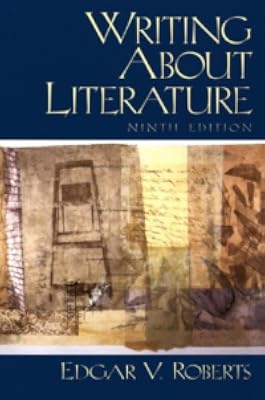
Part of Longman's successful Short Guide Series, A Short Guide to Writing about Literature, Ninth Edition , emphases writing as a process and incorporates new critical approaches to writing about literature. The ninth edition continues to offer students sound advice on how to become critical thinkers and enrich their reading response through accessible, step-by-step instruction. Ideal as a supplement to any course where writing about literature or literary studies is emphasized.Tags
Recommendations







Member Reviews
A Short Guide to Writing about Literature provides students with a thorough reference of how to read, ask questions of, and write about literary texts which they will read in higher education courses. This critical approach to reading and thinking about literature enables them to interpret and analyze literature using current critical approaches, and it then provides them with suggestions on how to write about literature.
The book is divided into four parts and concludes with several appendixes. Please note that some of the chapters have changed since the previous edition; they have been updated to reflect the changing landscape of writing about literature; for example, Chapter 15 now contains an entirely new section on finding, using, show more and citing electronic resources. Here, then, is an overview of what to expect of the ninth edition of Short Guide to Writing about Literature:
Part I, "The Writer as Reader: Reading and Responding," emphasizes the connection between reading and writing. Chapter 1 focuses on reading a text and responding to it while Chapter 2 covers the process of writing from brainstorming to drafting, revising, and editing. Chapter 3 examines two commonly assigned types of writing—explication and analysis—with an emphasis on evaluating which type is used in a text. Concluding this part, Chapter 4 concentrates on various ways to write about literature, such as summary, paraphrase, parody, and review.
Part II, "Standing Back," looks at definitions of literature and how we, as scholars of literature, interpret these definitions. Chapter 5 explores how our culture defines and categorizes "literature." Chapter 6 considers interpretation and the sources of meaning in a particular work. Chapter 7 focuses on the critical standards we use to analyze literature, and Chapter 8 provides an overview of the critical approaches scholars employ when evaluating literature.
Part III, "Up Close: Thinking Critically about Literary Forms," introduces students to various genres of literature and suggests how to approach writing about them. Chapters 9 through 12 provide students with suggestions for responding to essays, fiction, drama, and poetry. This section includes several sample essays that illustrate effective examples of genre-specific writing.
Part IV, "Inside: Style, Format, and Special Assignments," examines structural elements of writing. Chapter 13 introduces the main principles of style, such as writing accurately, coherently, and emphatically. Chapter 14 demonstrates the crucial steps necessary in writing a research paper, and Chapter 15 presents new approaches to the research paper, including literature, history, and the Web.
The two appendixes include two short stories which served as the subjects of student essays, and a guide to print and electronic resources. Also, there are two indexes: one of authors, titles, and first lines of poems; and the other of literary terms.
This text will enrich students’ perspectives on literature and, ultimately, the way they approach writing about literature.
(Ideal as a supplement to any course where writing about literature or literary studies is emphasized.)
Features
Provides the apparatus, background, and critical help needed when writing about literature.
Part 1 contains 4 chapters emphasizing the close connection between reading and writing.
Part 2 contain four chapters on thinking critically about literature.
Part 3 contains four chapters about fiction, drama, and poetry.
TECHNOLOGY ADVANTAGE: Part 4 covers Style and Format, the research paper, and electronic sources.
Three appendixes include two stories that are the subject of student essays in the book, additional information on print and electronic resources, and a glossary of literary terms.
Throughout the book are numerous examples of preliminary notes, drafts, and revisions of drafts.
Lists of questions students can ask themselves about a given literary work.
Checklists to assist in evaluating drafts. show less
The book is divided into four parts and concludes with several appendixes. Please note that some of the chapters have changed since the previous edition; they have been updated to reflect the changing landscape of writing about literature; for example, Chapter 15 now contains an entirely new section on finding, using, show more and citing electronic resources. Here, then, is an overview of what to expect of the ninth edition of Short Guide to Writing about Literature:
Part I, "The Writer as Reader: Reading and Responding," emphasizes the connection between reading and writing. Chapter 1 focuses on reading a text and responding to it while Chapter 2 covers the process of writing from brainstorming to drafting, revising, and editing. Chapter 3 examines two commonly assigned types of writing—explication and analysis—with an emphasis on evaluating which type is used in a text. Concluding this part, Chapter 4 concentrates on various ways to write about literature, such as summary, paraphrase, parody, and review.
Part II, "Standing Back," looks at definitions of literature and how we, as scholars of literature, interpret these definitions. Chapter 5 explores how our culture defines and categorizes "literature." Chapter 6 considers interpretation and the sources of meaning in a particular work. Chapter 7 focuses on the critical standards we use to analyze literature, and Chapter 8 provides an overview of the critical approaches scholars employ when evaluating literature.
Part III, "Up Close: Thinking Critically about Literary Forms," introduces students to various genres of literature and suggests how to approach writing about them. Chapters 9 through 12 provide students with suggestions for responding to essays, fiction, drama, and poetry. This section includes several sample essays that illustrate effective examples of genre-specific writing.
Part IV, "Inside: Style, Format, and Special Assignments," examines structural elements of writing. Chapter 13 introduces the main principles of style, such as writing accurately, coherently, and emphatically. Chapter 14 demonstrates the crucial steps necessary in writing a research paper, and Chapter 15 presents new approaches to the research paper, including literature, history, and the Web.
The two appendixes include two short stories which served as the subjects of student essays, and a guide to print and electronic resources. Also, there are two indexes: one of authors, titles, and first lines of poems; and the other of literary terms.
This text will enrich students’ perspectives on literature and, ultimately, the way they approach writing about literature.
(Ideal as a supplement to any course where writing about literature or literary studies is emphasized.)
Features
Provides the apparatus, background, and critical help needed when writing about literature.
Part 1 contains 4 chapters emphasizing the close connection between reading and writing.
Part 2 contain four chapters on thinking critically about literature.
Part 3 contains four chapters about fiction, drama, and poetry.
TECHNOLOGY ADVANTAGE: Part 4 covers Style and Format, the research paper, and electronic sources.
Three appendixes include two stories that are the subject of student essays in the book, additional information on print and electronic resources, and a glossary of literary terms.
Throughout the book are numerous examples of preliminary notes, drafts, and revisions of drafts.
Lists of questions students can ask themselves about a given literary work.
Checklists to assist in evaluating drafts. show less
good ideas for Comp II in here.
Ratings
Members
- Recently Added By
Lists

Author Information

49+ Works 4,660 Members
Sylvan Saul Barnet was born in Brooklyn, New York on December 11, 1926. During World War II, he served in the Army for two years. He received a bachelor's degree in English from New York University in 1948 and a master's degree in 1950 and a doctorate in 1954 from Harvard University. For the next three decades, he taught freshman writing and show more literature at Tufts University. He wrote or edited numerous textbooks including An Introduction to Literature, A Short Guide to Writing About Literature, A Short Guide to Writing About Art, The Study of Literature: A Handbook of Critical Essays and Terms, and Critical Thinking, Reading and Writing: A Brief Guide to Argument. In the early 1960s, he decided that his students at Tufts University needed an edition of Shakespeare with each play in a separate volume including an introduction and study aids. He presented the idea to editors at the New American Library. The editors approved of the idea and Barnet became the general editor of the Signet Classic Shakespeare series. He was the co-author with William Burto of Zen Ink Paintings, which was published in 1982. He died of cancer on January 11, 2016 at the age of 89. (Bowker Author Biography) show less
13+ Works 634 Members
Series

Common Knowledge
- Original publication date
- 1968
Classifications
- Genres
- Literature Studies and Criticism, Nonfiction
- DDC/MDS
- 808.0668 — Literature & rhetoric Literature, rhetoric & criticism Rhetoric and collections of literary texts from more than two literatures Rhetoric and anthologies By Type Of Writing Writing non-fiction (by topic) Writing about literature
- LCC
- PE1479 .C7 .B3 — Language and Literature English language English Modern English
- BISAC
Statistics
- Members
- 373
- Popularity
- 84,228
- Reviews
- 2
- Rating
- (3.42)
- Languages
- English
- Media
- Paper, Ebook
- ISBNs
- 21
- ASINs
- 11