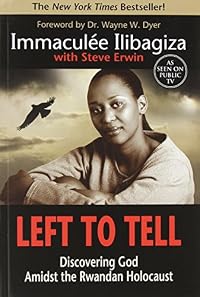
Left to Tell: Discovering God Amidst the Rwandan Holocaust
by Immaculee Ilibagiza
On This Page
Description
Presents the true story of a woman who endures the murder of her family as a result of genocide in Rwanda and turns to prayer for strength, love, and forgiveness.Tags
Recommendations
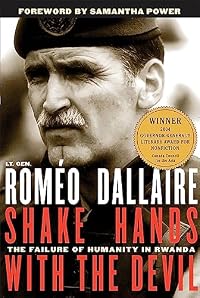
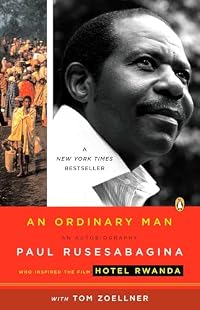
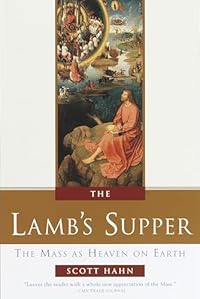
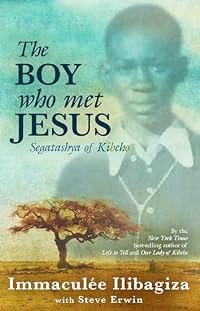
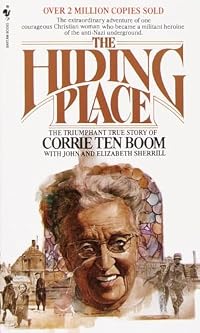
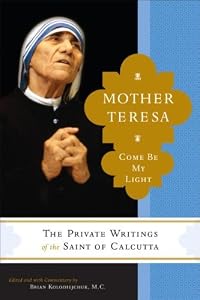
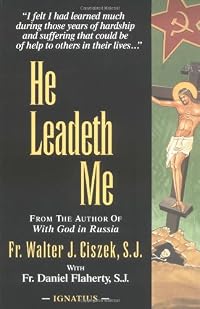
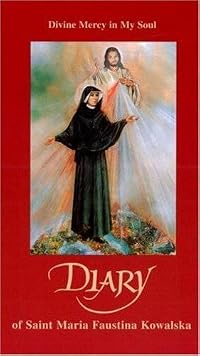
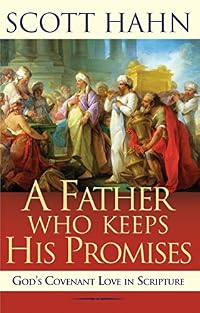

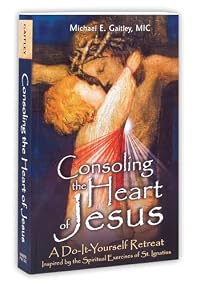
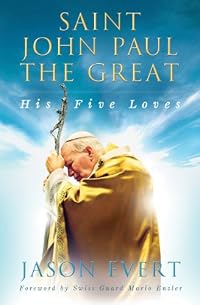
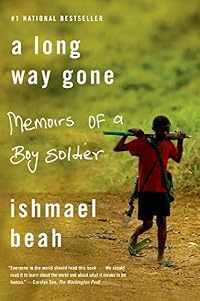
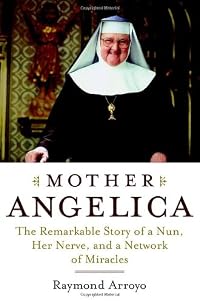

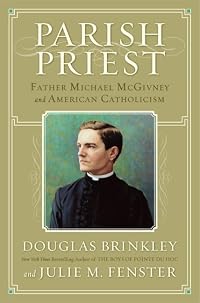
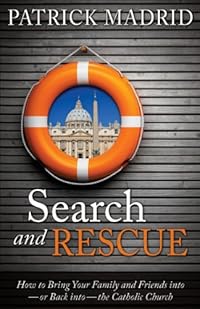
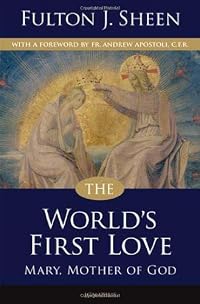
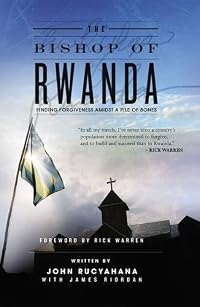
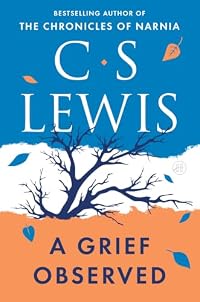
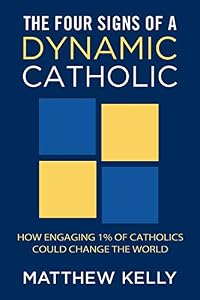
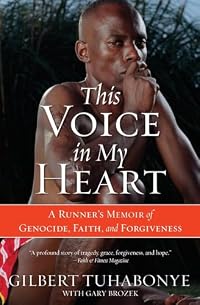
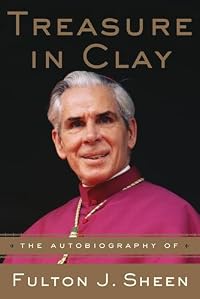
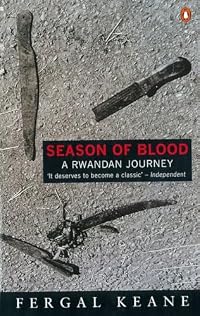
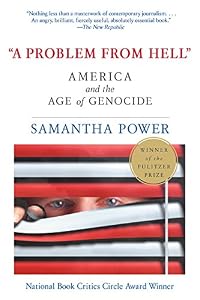
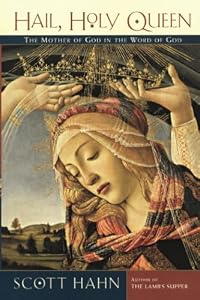
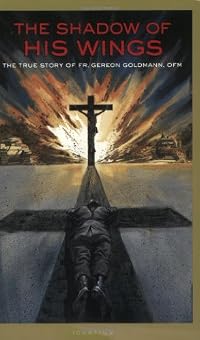
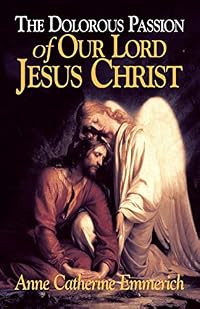
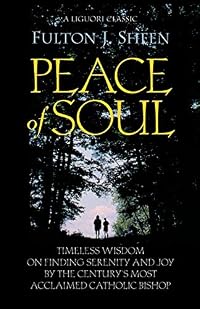
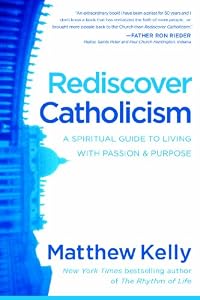

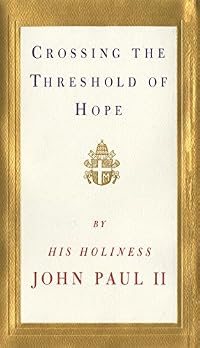
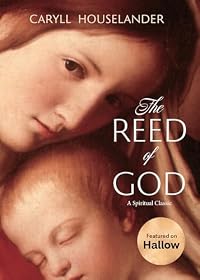
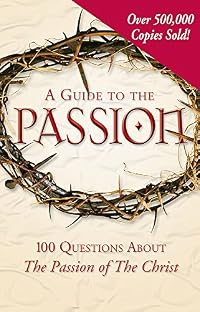
Member Recommendations
BookshelfMonstrosity Twenty-two-year-old Immaculée survives the three-month Rwandan genocide, in which most of her family is murdered. Readers interested in how a lone survivor of violent conflict can find the strength to continue might be interested in this memoir.
Member Reviews
Shocking and inspiring. Ms. Ilibagiza tells the story of what happened to her during the Rwandan Holocaust. The narrative's glut of horrific violence made me sick at heart, but Ilibagiza's faith and personal strength pulled me through.
These people are just like you and me: human, educated, desiring of a happy life, and it's stunning to see how quickly so much of this can go down the tubes when mob mentality, based on racial prejudice, sets in. And lest my dear review reader thinks that such things don't happen in America, let's pause for a moment to consider what happened in New Orleans during Katrina. Yes, Katrina, New Orleans, wasn't anything close to a Rwandan Holocaust, but I was shocked how many people, in the aftermath -- good show more religious, supposedly god-fearing people -- said things to me like, "Those people weren't smart enough to leave when they should have" or "Why should I send money, they're just a bunch of welfare cheats anyway", etc. Barbara Bush spoke for many when she said of the Houston Astrodome Refugess: "They're loving it here."
It's exactly that brand of dismissive rationalization and downgrading of human suffering, based on class- and racial-prejudice, taking place over decades, that set the stage for the Hutu massacre of the Tutsis. The Nazi Holocaust took off from the nearly exact same foundation of social and class prejudice against the Jews.
Anyway, I think that this should be required reading. Ms. Ilibagiza is remarkably brave, and you need to hear her story. show less
These people are just like you and me: human, educated, desiring of a happy life, and it's stunning to see how quickly so much of this can go down the tubes when mob mentality, based on racial prejudice, sets in. And lest my dear review reader thinks that such things don't happen in America, let's pause for a moment to consider what happened in New Orleans during Katrina. Yes, Katrina, New Orleans, wasn't anything close to a Rwandan Holocaust, but I was shocked how many people, in the aftermath -- good show more religious, supposedly god-fearing people -- said things to me like, "Those people weren't smart enough to leave when they should have" or "Why should I send money, they're just a bunch of welfare cheats anyway", etc. Barbara Bush spoke for many when she said of the Houston Astrodome Refugess: "They're loving it here."
It's exactly that brand of dismissive rationalization and downgrading of human suffering, based on class- and racial-prejudice, taking place over decades, that set the stage for the Hutu massacre of the Tutsis. The Nazi Holocaust took off from the nearly exact same foundation of social and class prejudice against the Jews.
Anyway, I think that this should be required reading. Ms. Ilibagiza is remarkably brave, and you need to hear her story. show less
I felt this book did an amazing job of retelling one of the most horrific experiences in human history. I will say, her religious journey is the most moving and profound part of this book. How can someone who lost their whole family, almost starve to death, and witness murder and rape be so committed and faithful to God? I will say, I've been to many different churches in different states, in a small fraction of the most ornate churches in Europe, and grew up in a religious home, but when I went to Rwanda in 2007, I had never felt the presence of God more. The people there are some of the most amazing and beautiful I've had the pleasure to meet.
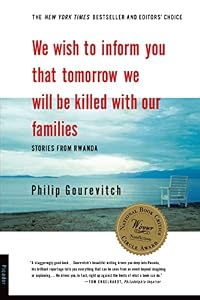
To put this review in context: I tend to be pretty cynical, and I have to say for the most part that I don't believe in God. I read this book because I'm interested in Africa and Rwanda and why genocide happens. OK, now for the review: Of the books on Rwanda that I have read, this one scared me and saddened me the most. I've read the statistics and anecdotes from other books, like "We wish to inform you . . . " and "Ordinary Man", but this story has the most "up-close and personal" perspective. Like I said, Ilibagiza's narrative is frightening, and her story is incredible, but meanwhile she does a great job of describing how her faith in God, or as some may say "retreating into her religion", helped her through the crisis. I for one show more believe her, I have no doubt that her faith allowed her to survive this unimaginable tragedy with surprisingly little mental and, dare I say, spiritual scarring. That's relative of course, as she says there is certainly some long-term damage. The great thing is that Ilibagiza is a storyteller; not once does she proselytize or preach. That's refreshing, and I agree with other reviewers that the subtitle of the book "Discovering God . . ." is a bit misleading because she already has a strong relationship with God before the genocide, and this book is not really about how one "discovers God". Instead, it show how a personal relationship with your God can be protective. Don't get me wrong, I am not converted and will continue my cynical and secular lifestyle, but Ilibagiza's story will always live in my heart as an example of how a person's faith can have a strong, positive influence on their lives. I would definitely recommend this book even for the non-religious types out there. show less
Wow, was this one ever intense! Immaculée was a university student who had travelled home for easter in 1994 when the Rwandan genocide began. As a Tutsi, she and her entire family were in danger. She managed to make it to a neighbour’s house where he hid her and several other women in a tiny bathroom for over 100 days while the country literally went insane killing over a million Tutsi people.
I had heard of the Rwandan genocide before but I didn’t really know anything about it. As I was reading this book, not only was I disgusted by the attitudes of the people responsible for the genocide, I was amazed by how quickly the general population adopted those same attitudes and joined in on the killing. I am astonished by the capability show more of human beings to act in this manner, to be so cruel to each other. In many cases, Tutsis were hunted and murdered by people who had been their neighbours and close friends. And what they did to children? Unforgivable.
I think what bothers me the most about the whole thing though is that we, the so-called civilized nations just sat back and allowed this to go on. We knew what was happening but it took over three months before anyone was willing to enter to country to try and stop the slaughter.
This book made me so angry and sad. It’s especially saddening to know that this is not a unique circumstance. It happens all the time. Why do we as humans feel the need to divide ourselves along racial lines? Why do we have to feel superior to other races, sexes, religions? And why does that feeling of superiority give us permission to imprison, enslave, torture and kill those we view as inferior?
I think this book (and others like it) are so important for us to read so we can take steps to prevent these kinds of things from occurring. What struck me most was that Immaculée’s father was so confident that nothing was going to happen. On the eve of the genocide, his children tried to convince him that they should leave but he wouldn’t believe that anything could go wrong. How often do we think that way about where we live? How often to we read books about the terrible things that go on in the world and think “That could never happen here.”? “It’s ok for me to be a little bit racist because that could never happen here.” These are the kind of attitudes and thoughts that eventually lead to hate crimes.
The subtitle for this book is “Discovering God Amidst the Rwandan Holocaust”. I think this is a little misleading because Immaculée was already very religious before the genocide began. There is definitely a lot of religion in the book as she is a very devout Catholic but it never bothered me. It wasn’t preachy or in your face religion. It’s just what got her through this difficult time in her life. Because she was able to forgive the killers (which I am astounded at – I can’t even forgive them and it didn’t happen to me!) she was able to move on and get past this terrible thing that happened to her. She was able to be happy again. Amazing.
This is a book I think everyone should read although you may not enjoy it!
From my blog: http://nosebook.mapledesign.ca/2010/03/book-review-left-to-tell/#content show less
I had heard of the Rwandan genocide before but I didn’t really know anything about it. As I was reading this book, not only was I disgusted by the attitudes of the people responsible for the genocide, I was amazed by how quickly the general population adopted those same attitudes and joined in on the killing. I am astonished by the capability show more of human beings to act in this manner, to be so cruel to each other. In many cases, Tutsis were hunted and murdered by people who had been their neighbours and close friends. And what they did to children? Unforgivable.
I think what bothers me the most about the whole thing though is that we, the so-called civilized nations just sat back and allowed this to go on. We knew what was happening but it took over three months before anyone was willing to enter to country to try and stop the slaughter.
This book made me so angry and sad. It’s especially saddening to know that this is not a unique circumstance. It happens all the time. Why do we as humans feel the need to divide ourselves along racial lines? Why do we have to feel superior to other races, sexes, religions? And why does that feeling of superiority give us permission to imprison, enslave, torture and kill those we view as inferior?
I think this book (and others like it) are so important for us to read so we can take steps to prevent these kinds of things from occurring. What struck me most was that Immaculée’s father was so confident that nothing was going to happen. On the eve of the genocide, his children tried to convince him that they should leave but he wouldn’t believe that anything could go wrong. How often do we think that way about where we live? How often to we read books about the terrible things that go on in the world and think “That could never happen here.”? “It’s ok for me to be a little bit racist because that could never happen here.” These are the kind of attitudes and thoughts that eventually lead to hate crimes.
The subtitle for this book is “Discovering God Amidst the Rwandan Holocaust”. I think this is a little misleading because Immaculée was already very religious before the genocide began. There is definitely a lot of religion in the book as she is a very devout Catholic but it never bothered me. It wasn’t preachy or in your face religion. It’s just what got her through this difficult time in her life. Because she was able to forgive the killers (which I am astounded at – I can’t even forgive them and it didn’t happen to me!) she was able to move on and get past this terrible thing that happened to her. She was able to be happy again. Amazing.
This is a book I think everyone should read although you may not enjoy it!
From my blog: http://nosebook.mapledesign.ca/2010/03/book-review-left-to-tell/#content show less
LEFT TO TELL is an important witness to the horrors of the Rwandan holocaust--a story not present enough in American awareness. While I found the theology and prose simplistic, I appreciated Ilibagiza's resilient and lively voice. Her story is definitely a testimony to the power of faith to sustain us through horrific times.
In 1994 nearly one million Rwandans were lost in one of our generation’s deadliest genocides. Immaculée Ilibagiza, a Tutsi survivor, intimately shares her story of grief, loss, and ultimately of hope, in "Left to Tell: Discovering God Amidst the Rwandan Holocaust". A dozen years after losing most of her family in the senseless massacre that swept through central Africa, Ilibagiza teams with author Steve Erwin in a powerful chronicle of faith in the midst of unimaginable evil. This winsome, feisty woman vulnerably shares not only her painful search for God and meaning, but also her life-or-death battle against the wickedness surrounding her.
"Left to Tell" can be counted among the incredible stories of people living out their faith in show more unfathomable circumstances such as Ten Boom’s "The Hiding Place" and Eareckson-Tada’s "Joni". The author, a mere college student during the Rwanda Genocide, describes her experience of helplessly hiding—a hunted, despised minority—in a tiny bathroom with seven other women as they smelled the death of loved ones and listened to the atrocities occurring inches outside the bathroom’s window.
Ilibagiza’s story has immense worth, not only as a moving recollection of Jesus’ amazing power in our lives, but also as a revealing historical narrative of one of Rwanda’s darkest times. "Left to Tell" was particularly fascinating to me, however, as a real-life picture of our brothers and sisters’ faith from across the globe. After reading Philip Jenkins’s "The Next Christendom: The Coming of Global Christianity", a must-read discourse on Christianity’s astounding expansion into Asia, Latin America and Africa, Ilibagiza brought this amazing statistical phenomenon down to a personal, human level. As a married woman with a two children now living in the United States, she still possesses a faith rich in culturally-relevant African Catholicism—her beloved rosary, her love for the Mother Mary—mixed with an ancient belief system including communicating with the spirit world via psychics. It struck me as endearingly amusing when the author confesses her father would rather she marry a Hutu, their “enemy” tribe, than a Protestant. And though her religious practices are vastly different from mine, her familiar yearning for Truth in a relationship with God through Jesus rings true page after page.
This book opened my eyes to consider Jesus’ work in our lives beyond my own Western experiences. I was compelled to consider the vast and wide road by which all humans may encounter Jesus. And Immaculée Ilibagiza truly is my sister in Christ. I am grateful for her poignant, life-changing example in becoming a vessel of God’s love and forgiveness. show less
"Left to Tell" can be counted among the incredible stories of people living out their faith in show more unfathomable circumstances such as Ten Boom’s "The Hiding Place" and Eareckson-Tada’s "Joni". The author, a mere college student during the Rwanda Genocide, describes her experience of helplessly hiding—a hunted, despised minority—in a tiny bathroom with seven other women as they smelled the death of loved ones and listened to the atrocities occurring inches outside the bathroom’s window.
Ilibagiza’s story has immense worth, not only as a moving recollection of Jesus’ amazing power in our lives, but also as a revealing historical narrative of one of Rwanda’s darkest times. "Left to Tell" was particularly fascinating to me, however, as a real-life picture of our brothers and sisters’ faith from across the globe. After reading Philip Jenkins’s "The Next Christendom: The Coming of Global Christianity", a must-read discourse on Christianity’s astounding expansion into Asia, Latin America and Africa, Ilibagiza brought this amazing statistical phenomenon down to a personal, human level. As a married woman with a two children now living in the United States, she still possesses a faith rich in culturally-relevant African Catholicism—her beloved rosary, her love for the Mother Mary—mixed with an ancient belief system including communicating with the spirit world via psychics. It struck me as endearingly amusing when the author confesses her father would rather she marry a Hutu, their “enemy” tribe, than a Protestant. And though her religious practices are vastly different from mine, her familiar yearning for Truth in a relationship with God through Jesus rings true page after page.
This book opened my eyes to consider Jesus’ work in our lives beyond my own Western experiences. I was compelled to consider the vast and wide road by which all humans may encounter Jesus. And Immaculée Ilibagiza truly is my sister in Christ. I am grateful for her poignant, life-changing example in becoming a vessel of God’s love and forgiveness. show less
Why read this thirty years after the genocide she survived? Because there are crimes against humanity being committed as I write, and because Ms. Ilibagiza offers insight into the effort needed to forgive those who murdered her family and friends. This is not an easy book to read, but it seems to me a necessary one in the present moment.
Members
- Recently Added By
Lists

Rwanda
27 works; 1 member
Author Information

38 Works 2,933 Members
Writer Immaculée Ilibagiza was born in Rwanda and studied electronic and mechanical engineering at the National University. During the Rwanda genocide in 1994, she and seven other women spent 91 days in a bathroom of a local pastor's home. She lost most of her family at this time. Four years later, she immigrated to the United States and began show more working at the United Nations in New York City. She is currently a full-time public speaker and writer. In 2007, she established the Left to Tell Charitable Fund to help support Rwandan orphans and others who suffered from the long-term effects of genocide and war. She has received numerous humanitarian awards including the Mahatma Gandhi International Award for Reconciliation and Peace 2007 and a Christopher Award. (Bowker Author Biography) show less
All Editions
Some Editions
Awards and Honors
Distinctions
Notable Lists
Common Knowledge
- Original publication date
- 2006-02
- People/Characters
- Immaculée Ilibagiza
- Important places
- Rwanda
- Important events
- Rwandan Genocide (1994)
- Epigraph
- When we are no longer able to change a situation--
we are challenged to change ourselves.
--
Viktor E. Frankl, psychologist, author, and Nazi holocaust survivor - Dedication
- To my beloved parents, Leonard and Rose; and my dear brothers Damascene and Vianney, for all the selfless love you gave me. You make heaven a brighter place, and I will love you always.
For my brother Aimable, with m... (show all)uch love and in hopes of healing unspoken pain.
And to my new family -- Bryan and our sweet babies, Nikki and Bryan, Jr. -- for giving me a new life, love, and inspiration. You make my life complete. In memory of holocaust victims everywhere. - First words
- Chapter 1: The Eternal Spring
I was born in paradise. At least, that's how I felt about my homeland while I was growing up.
[Foreword] I've read thousands of books over the past 50 or so years.
[Preface] This book is not intended to be a history of Rwanda or of the genocide; rather it is my own history.
[Introduction] I heard the killers call my name.
[Epilogue] It is impossible to predict how long it will take a broken heart to heal. - Quotations
- "When we are no longer able to change a situation--we are challenged to change ourselves."
Viktor E. Frankl, psychologist, author, and Nazi holocaust survivor - Last words
- (Click to show. Warning: May contain spoilers.)[Epilogue] I hope my story helps.
(Click to show. Warning: May contain spoilers.)[Foreword] Imaculee, thank you for coming into my life.
(Click to show. Warning: May contain spoilers.)[Preface] I wrote this book hoping that others may benefit from my story.
(Click to show. Warning: May contain spoilers.)[Introduction] This is the story of how I discovered God during one of history's bloodiest holocausts.
(Click to show. Warning: May contain spoilers.)I answered him with the truth: "Forgiveness is all I have to offer."
Classifications
- Genres
- Biography & Memoir, Religion & Spirituality, Nonfiction, General Nonfiction, History
- DDC/MDS
- 282.092 — Religion Christian denominations Roman Catholic Church Catholic Biography And History Biography
- LCC
- BX4705 .I46 .A3 — Philosophy, Psychology and Religion Christian Denominations Christian Denominations Catholic Church Biography and portraits Individual
- BISAC
Statistics
- Members
- 2,082
- Popularity
- 9,850
- Reviews
- 57
- Rating
- (4.34)
- Languages
- 8 — Czech, Dutch, English, German, Norwegian (Bokmål), Norwegian, Spanish, Portuguese (Portugal)
- Media
- Paper, Audiobook, Ebook
- ISBNs
- 26
- ASINs
- 10