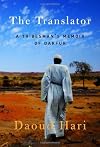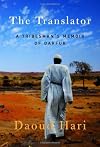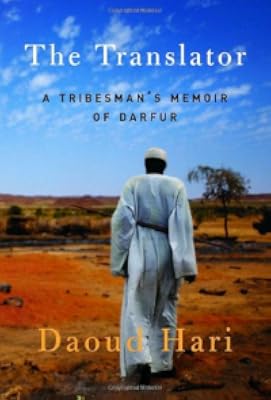
The Translator: A Tribesman's Memoir of Darfur
by Daoud Hari
On This Page
Description
This is a harrowing memoir of how one person has made a difference: Daoud Hari helped inform the world about the genocide in Darfur. Hari, a Zaghawa tribesman, grew up in a village in the Darfur region of Sudan. In 2003, traditional life was shattered when government-backed militias attacked Darfur's villages with helicopters and on horseback, raping and murdering citizens and burning villages. His family dispersed, Hari escaped. He and friends helped survivors find food, water, and safety. show more When international aid groups and reporters arrived, Hari offered his services as a translator and guide, using his high school knowledge of languages. In doing so, time and again he risked his life, for the government of Sudan had outlawed journalists in the region. Then, inevitably, his luck ran out and he was captured. Now freed, he is a living witness to genocide.--From publisher description. show lessTags
Recommendations
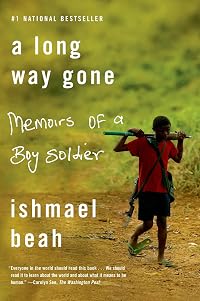
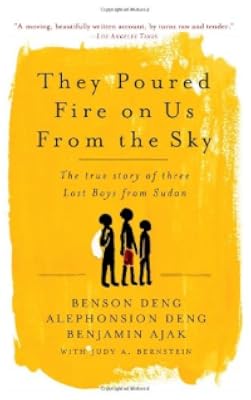
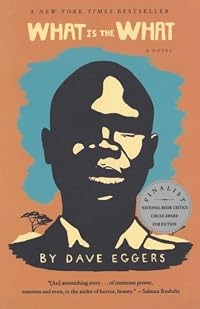
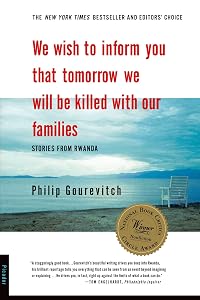
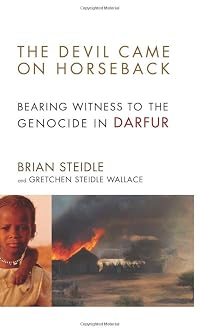
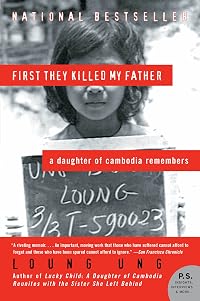
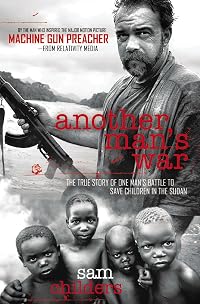
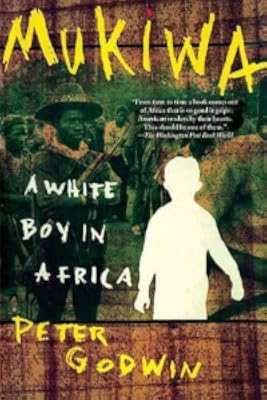
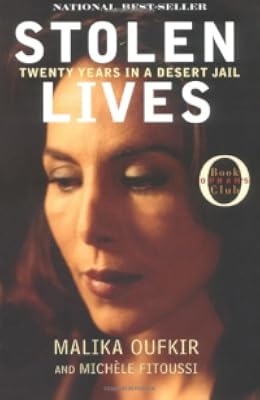
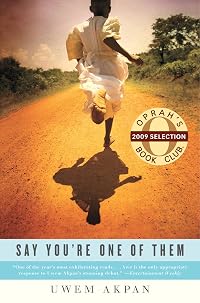
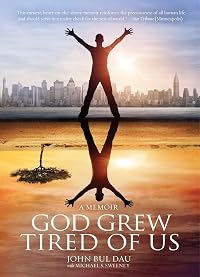
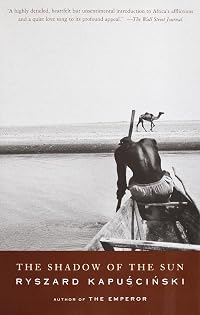

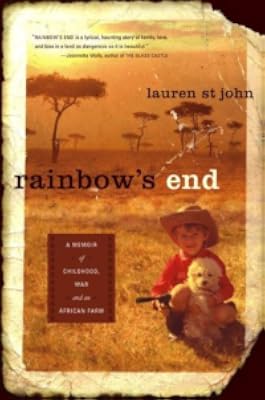
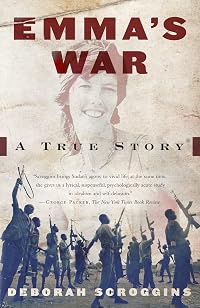
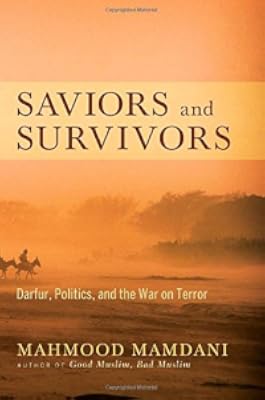
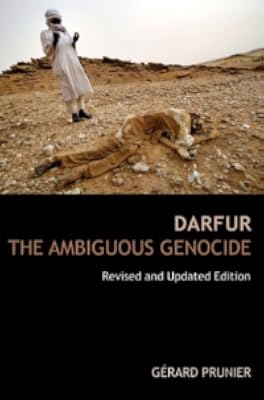
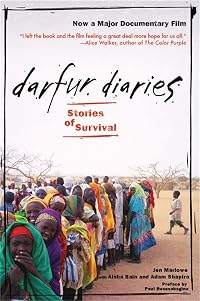
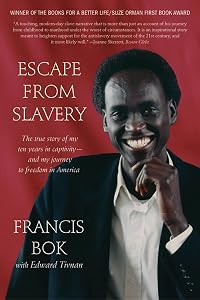
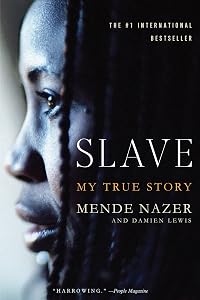
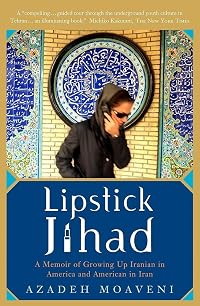

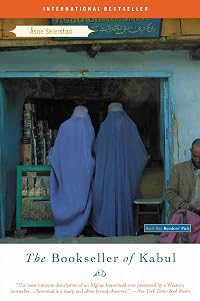
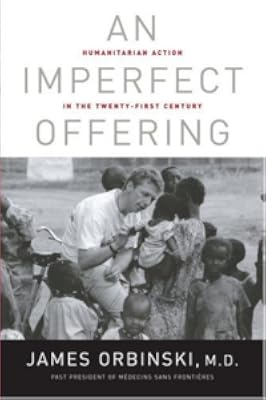
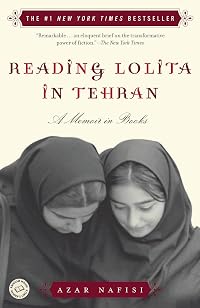


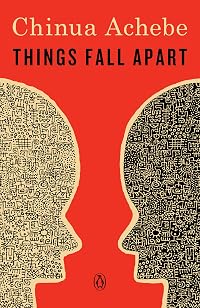
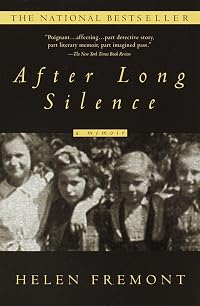
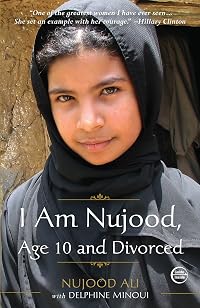
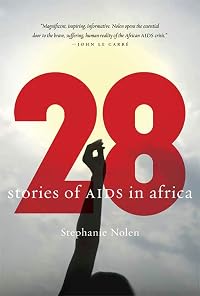
Member Recommendations
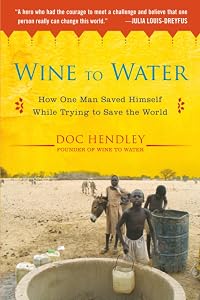
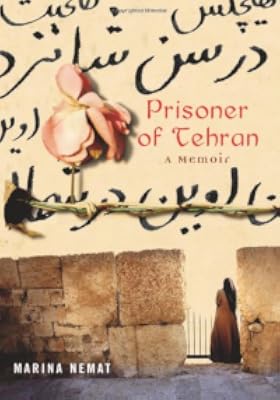
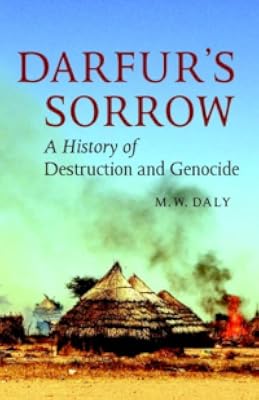
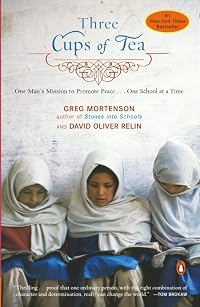
markusnenadovus A similar, but more interesting and better written book.

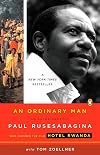

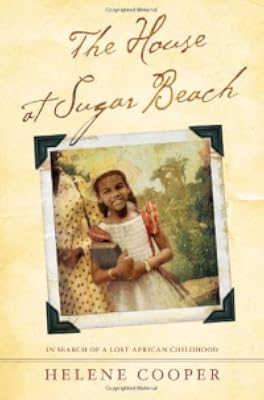
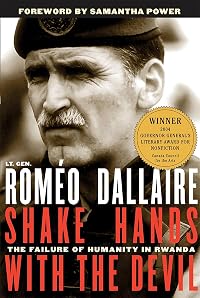
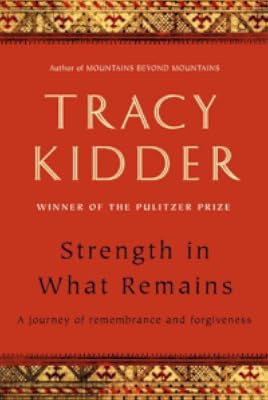
fyrefly98 A really interesting and brutally honest look at US/UN foreign policy during the 90s, told from the point of view of three people involved in peacekeeping efforts in Cambodiia, Rwanda, Haiti, Bosnia, and elsewhere.
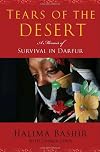

elbakerone Another excellent book that deals with contemporary politics and dire situations for journalists around the world.
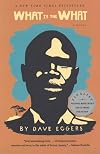
Member Reviews
The Translator is Daoud Hari's memoir of growing up in Darfur, Sudan, leaving his homeland to see the world outside of Sudan's borders, and then returning to help draw the world's attention to his war-torn homeland using his knowledge of English, Arabic, and Zaghawa. Hari tells of his six sojourns back into a Sudan fraught with danger to help journalists from all over the world tell the stories that would persuade the world to take action to save Darfur. Using his language skills, his many contacts from rebel leaders to NGO leaders, and quick thinking Hari safely escorted several reporters into Sudan at great risk to his own life. Despite the terrifying nature of his work and several situations that turned ugly, Hari's narrative is show more strikingly optimistic, never losing hope that something can be done to save his people, and at some times, is even humorous in the most dire of situations. Hari's ability to see the good in situations is astonishing. For example, he tells of being in prison in Egypt before his return to Sudan where he doesn't lament his time in prison so much as he says that it was a great opportunity to meet and talk to new people from many places. This optimism, hope, and good humor buoys him through many a seemingly unbearable situation.
Hari's casual use of "you" as he attempts to relate his experiences to the reader's own gives the impression that you are sitting with him and he is telling you his story face to face. It's this style that gives the book so much of its power. As Hari "talks" to us, his great love of his homeland and its traditions shines through as he tells of his favorite camel, his respect and love for the strong women in his community who can usually be found dressed in beautiful bright colors, and his memory of a bygone era when the Zaghawa people and Arabs could be found dining in each other's tents and conflicts were resolved with honor far from villages full of women and children.
His conviction that one person can use his or her talents to change the way things are is infectious, and he is proof that this is true. He, at once, tells us that one person can make a difference, shows us that it is true, and challenges us saying, in effect, "If it was your family, your home, your life, wouldn't you do the same? Wouldn't you risk life and limb and do anything it took to keep evil men from extinguishing your entire way of life?" I wish that I could say that I would be so brave in the face of such a far-reaching crisis! Regardless of whether we would have the strength do what Hari has done, in this book Hari has offered us an opportunity and a reason to step up and do something for the land and people that he loves, and in so doing set the precedent that this type of senseless genocidal killing will not be tolerated in the world any longer.
This is a book that everyone should read. Despite knowing something of Darfur and its struggles, I admit that until I read Hari's book, I was a little in the dark about the whys and wherefores of the conflict and about Darfur itself. Hari brings his community and his entire homeland to life and also explains the conflict that is tearing Darfur apart in a way we all can understand and in such a way that we really can see what the world is losing if we simply stand by and allow this continue. show less
Hari's casual use of "you" as he attempts to relate his experiences to the reader's own gives the impression that you are sitting with him and he is telling you his story face to face. It's this style that gives the book so much of its power. As Hari "talks" to us, his great love of his homeland and its traditions shines through as he tells of his favorite camel, his respect and love for the strong women in his community who can usually be found dressed in beautiful bright colors, and his memory of a bygone era when the Zaghawa people and Arabs could be found dining in each other's tents and conflicts were resolved with honor far from villages full of women and children.
His conviction that one person can use his or her talents to change the way things are is infectious, and he is proof that this is true. He, at once, tells us that one person can make a difference, shows us that it is true, and challenges us saying, in effect, "If it was your family, your home, your life, wouldn't you do the same? Wouldn't you risk life and limb and do anything it took to keep evil men from extinguishing your entire way of life?" I wish that I could say that I would be so brave in the face of such a far-reaching crisis! Regardless of whether we would have the strength do what Hari has done, in this book Hari has offered us an opportunity and a reason to step up and do something for the land and people that he loves, and in so doing set the precedent that this type of senseless genocidal killing will not be tolerated in the world any longer.
This is a book that everyone should read. Despite knowing something of Darfur and its struggles, I admit that until I read Hari's book, I was a little in the dark about the whys and wherefores of the conflict and about Darfur itself. Hari brings his community and his entire homeland to life and also explains the conflict that is tearing Darfur apart in a way we all can understand and in such a way that we really can see what the world is losing if we simply stand by and allow this continue. show less
 This review was written for LibraryThing Early Reviewers.
[The Translator: A Tribesman's Memoir of Darfur], is a story that grabs the reader and hangs on tight; it doesn't let go even after the last page is read. It is the story of Daoud Hari, a native of Darfur who uses his English and Arabic fluency to translate for reporters who have come to cover the story of the Darfur genocide. Daoud is compelling as he shares the realities of the genocide; his style of writing makes the reader feel they're having a conversation with an old friend. He deftly puts a human face on the atrocities occurring in Darfur. Some of the graphic details are horrifying to the point that it physically hurts to read about them; a reader of these stories is easily brought to tears. It is this type of reaction that is show more needed to inspire people to take action, and here Daoud accomplishes his goal of getting the story of Darfur out to the world.
It would have been easy for Daoud to focus only on the individual tragedies rampant in the horror of Darfur; however, the book also reveals the incredible strength, generosity, and humanity of the people of Darfur and even contains unexpected moments of humor. It is this sense of human connection, of seeing the close-knit bond shared by people within a village and their everyday lives together, that makes the book such a strong voice. The reader comes to care about these people in such a way that they are not faceless news stories, but beloved mothers, brothers, fathers, who are killed in the most brutal of ways. It would be impossible not to read this book without feeling rage, sorrow, and, through it all, a sense of hope that if there are people like Daoud out there, goodness and human kindness can eventually overcome evil. An amazing book written by an amazing person. show less
It would have been easy for Daoud to focus only on the individual tragedies rampant in the horror of Darfur; however, the book also reveals the incredible strength, generosity, and humanity of the people of Darfur and even contains unexpected moments of humor. It is this sense of human connection, of seeing the close-knit bond shared by people within a village and their everyday lives together, that makes the book such a strong voice. The reader comes to care about these people in such a way that they are not faceless news stories, but beloved mothers, brothers, fathers, who are killed in the most brutal of ways. It would be impossible not to read this book without feeling rage, sorrow, and, through it all, a sense of hope that if there are people like Daoud out there, goodness and human kindness can eventually overcome evil. An amazing book written by an amazing person. show less
This review was written for LibraryThing Early Reviewers.To say that I "enjoyed" reading an account of human brutality and corruption presents a serious dichotomy. On one side, the tragedy of Dafur is gut wrenching in its raw ferocity. On the other side is Hari's lyrical, at-peace account, reflecting his transcendent belief in goodness, love and understanding of even the most heinous acts.
Hari's style is simple and candid, without the lavish syntax that readers often expect in the telling of calamity and passionate inhumanity. The author exerts no command to act nor is he imposing a plea, but he innocently invokes a deep sense of obligation to knowing. This account is a gentle reminder that we are all responsible to and for one another in the human community.
[I must make two suggestions for show more the enhancement of this book. For visual readers, a map would supplement the understanding of specific references that Hari makes throughout and, particularly, in "Appendix: A Darfur Primer." Not only would a map augment this very useful appendix, but placing it all at the beginning, just after the Introduction, would better prepare the reader for Hari's memoir.] show less
Hari's style is simple and candid, without the lavish syntax that readers often expect in the telling of calamity and passionate inhumanity. The author exerts no command to act nor is he imposing a plea, but he innocently invokes a deep sense of obligation to knowing. This account is a gentle reminder that we are all responsible to and for one another in the human community.
[I must make two suggestions for show more the enhancement of this book. For visual readers, a map would supplement the understanding of specific references that Hari makes throughout and, particularly, in "Appendix: A Darfur Primer." Not only would a map augment this very useful appendix, but placing it all at the beginning, just after the Introduction, would better prepare the reader for Hari's memoir.] show less
This review was written for LibraryThing Early Reviewers.It's one thing to know abstractly that terrible things are happening in places like Darfur; it is quite another to witness them through the words of someone who has lived through them. The Translator: A Tribesman's Memoir of Darfur by Daoud Hari is a testimony to the horrors millions of people must deal with every day. Hari never sensationalizes the atrocities he has seen and endured; he merely presents the facts, which comehow makes this memoir more chilling. It saddens me that not only are these terrible things being done, but those who have lived through them can speak so matter-of-factly about them. This should not be "the way things are" for any country.
Hari is a simple tribesman from the Darfur region of Sudan. By "simple" I don't show more mean simple-minded (he is fluent in three languages, including English and has read many of the classic books written in that tongue) but rather that he has a clear sense of his place in the world and in society as well as a very clear sense of what is right and what is wrong. This is an admirable thing, for it is this simplicity of purpose that leads him to risk his life again and again to help reporters and humanitarian aid workers bring this story of genocide to the rest of the world.
I could not help but marvel at Hari's strength as he faces sights that send foreigners to the hospital to recover from the trauma. To bury the pieces of his brother's body after an attack on their village -- how can a man do this and still have so much hope? How can he not rant and rave against his enemies? How can he still have a sense of humor?
Although the title page states "as told to Dennis Burke and Megan M. McKenna," I feel certain that this is Daoud Hari's authentic voice on the page, calmly telling his story to a friend. After reading this book, I feel that I have in some way become a friend to Hari and all the people of Darfur. show less
Hari is a simple tribesman from the Darfur region of Sudan. By "simple" I don't show more mean simple-minded (he is fluent in three languages, including English and has read many of the classic books written in that tongue) but rather that he has a clear sense of his place in the world and in society as well as a very clear sense of what is right and what is wrong. This is an admirable thing, for it is this simplicity of purpose that leads him to risk his life again and again to help reporters and humanitarian aid workers bring this story of genocide to the rest of the world.
I could not help but marvel at Hari's strength as he faces sights that send foreigners to the hospital to recover from the trauma. To bury the pieces of his brother's body after an attack on their village -- how can a man do this and still have so much hope? How can he not rant and rave against his enemies? How can he still have a sense of humor?
Although the title page states "as told to Dennis Burke and Megan M. McKenna," I feel certain that this is Daoud Hari's authentic voice on the page, calmly telling his story to a friend. After reading this book, I feel that I have in some way become a friend to Hari and all the people of Darfur. show less
This review was written for LibraryThing Early Reviewers.Reviewing someone's life story is always difficult. I can't imagine reading about someone's harrowing escape from Darfur after watching his home village burnt to the ground and then returning a review of "hated it." That said, Daoud Hari's memoir of the destruction of his homeland is more riveting than the average human-spirit-triumphs-over-evil tale. Hari's simple language evokes the storytellers of ancient Africa and each chapter made me feel like I was talking to a friend. Each of the writer's appeals to our common humanity feel honest and uncontrived -- "losing a child is a great pain," he says, "as some of you may know." With passages like these, Hari doesn't presume he knows more pain than we do; instead, he holds out a hand so we show more can relate in spite of the vast differences in our lives. Most amazing, he tells us over and over again that this is not simply a tale of tragedy; "you cannot survive if you cannot laugh," he says, and even as the loss of his family leaves him feeling "dead inside," you can feel his joy in a cold glass of beer and a reunion with a long-lost friend. I think this is one of those books every concerned citizen of the world ought to read. For me, it made a genocide at a distant corner of the globe feel like a real and human. event I imagine it would do the same for you. show less
This review was written for LibraryThing Early Reviewers.The Translator is a beautifully written account of Daoud Hari's life in Darfur and years as a translator for journalists and foreign officials. Hari's story is both horrible and compelling. He is able to put the current Darfur situation in a historical context while still making the book about indvidual stories of how the attacks have affected families.
The account of Hari's detainment in Darfur while on a translating trip was harrowing but skillfully handled. Everytime Hari bargained for a cigarette, I chuckled at his determination in such horrible circumstances.
This was a great book to read after recently reading Dave Eggers What is the What which gave a great context to the war in the Southern Sudan through the 1980s.
The account of Hari's detainment in Darfur while on a translating trip was harrowing but skillfully handled. Everytime Hari bargained for a cigarette, I chuckled at his determination in such horrible circumstances.
This was a great book to read after recently reading Dave Eggers What is the What which gave a great context to the war in the Southern Sudan through the 1980s.
This review was written for LibraryThing Early Reviewers.In 2003, the Sudanese government began systematically terrorizing, attacking and destroying rural villages in the Darfur region. Witnessing the slaughter of family and friends, Daoud Hari, a young Zaghawa tribesman, escaped across the western border to neighboring Chad. Well-educated by Sudanese standards and fluent in English, Arabic and Zaghawa, Hari then began his selfless work as a translator, sneaking international journalists back across the border into Sudan, all of them risking their lives in order to document the genocidal war in Darfur.
Hari’s experiences are told in gentle, simple prose, like that of a favorite storyteller. His story is horrific, heartbreaking and inspiring.
Hari’s experiences are told in gentle, simple prose, like that of a favorite storyteller. His story is horrific, heartbreaking and inspiring.
This review was written for LibraryThing Early Reviewers.Members
- Recently Added By
Author Information

2 Works 810 Members
Awards and Honors
Awards
Common Knowledge
- Original publication date
- 2008-03-18
- People/Characters
- Daoud Hari; Paul Salopek; Abdulraham Anu (aka "Ali"); Philip Cox; Nicholas Kristof; Ann Curry (show all 8); Megan M. McKenna; Lori Heninger
- Important places
- Africa; Chad; Darfur, Sudan; Sudan
- Important events
- Genocide in Darfur
- First words
- ’If God must break your leg He will at least teach you to limp’ – so it is said in Africa.
Classifications
- Genres
- Biography & Memoir, General Nonfiction, Nonfiction, History
- DDC/MDS
- 962.4043092 — History & geography History of Africa Egypt, Sudan, South Sudan Sudan [& South Sudan] Sudan & South Sudan Sudan & South Sudan Darfur & South Sudan
- LCC
- DT159.6 .D27 .H38 — History of Europe, Asia, Africa and Oceania Africa History of Africa Sudan. Anglo-Egyptian Sudan Local history and description
- BISAC
Statistics
- Members
- 808
- Popularity
- 34,265
- Reviews
- 163
- Rating
- (4.15)
- Languages
- 7 — Czech, Danish, Dutch, English, German, Italian, Spanish
- Media
- Paper, Audiobook, Ebook
- ISBNs
- 25
- UPCs
- 1
- ASINs
- 3