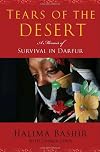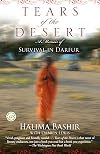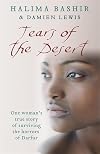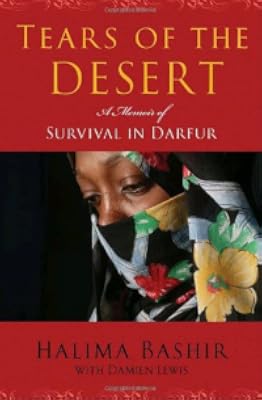
Tears of the Desert: A Memoir of Survival in Darfur
by Halima Bashir
On This Page
Description
A Sudanese doctor describes the horrors of the civil war between black Africans and the Arab-led Sudanese government as she relates her outrage over the treatment of female prisoners, the retaliation she faced after speaking out, and her personal struggle for survival.Tags
Recommendations
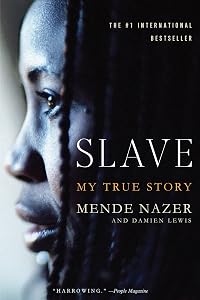
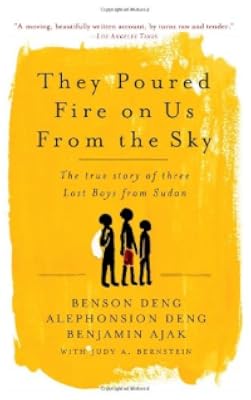
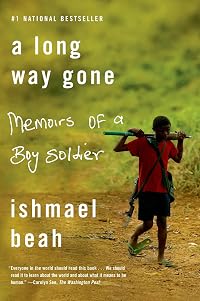
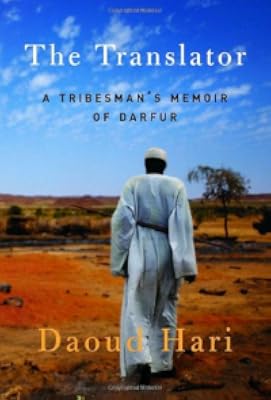
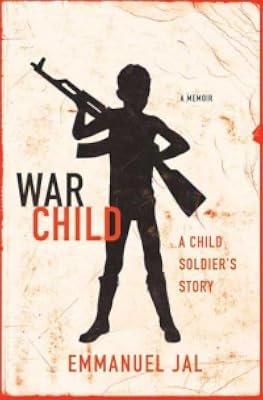
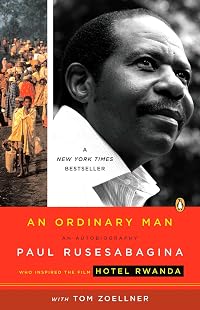
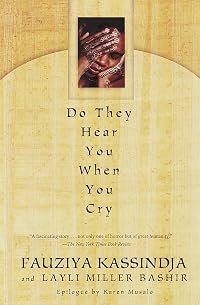
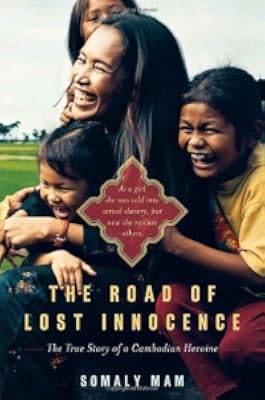

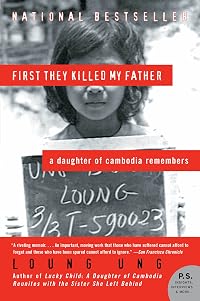
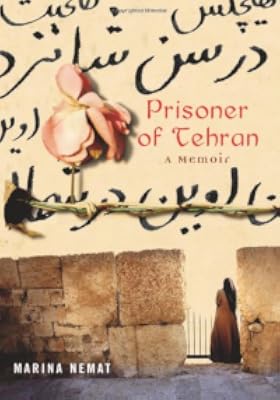
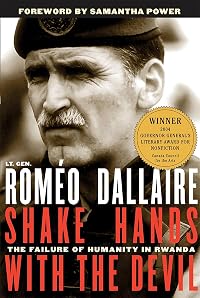
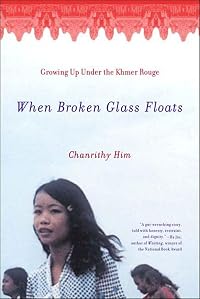
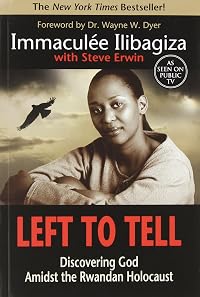
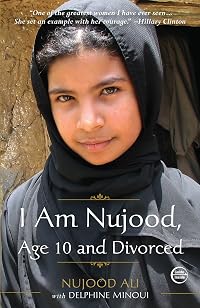
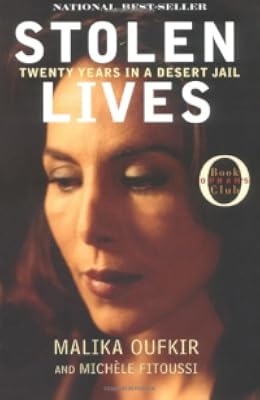
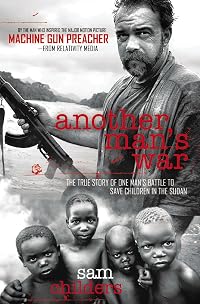
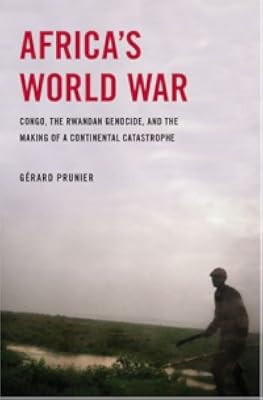
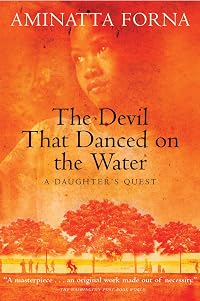
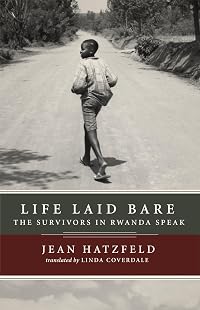
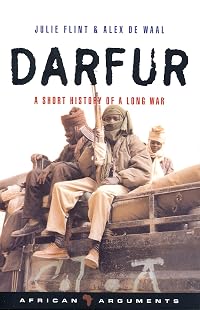
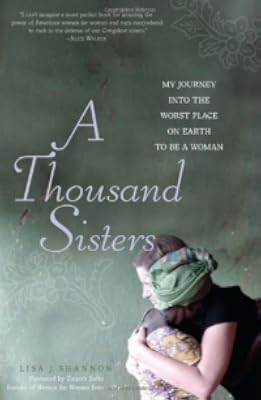
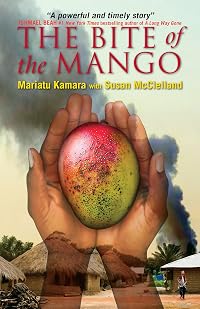
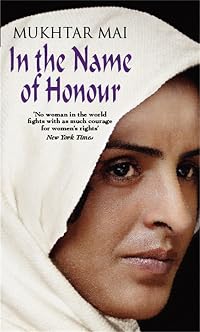
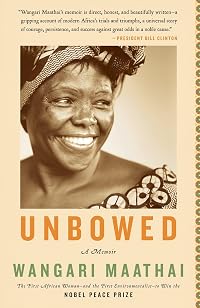
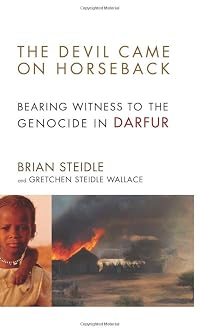
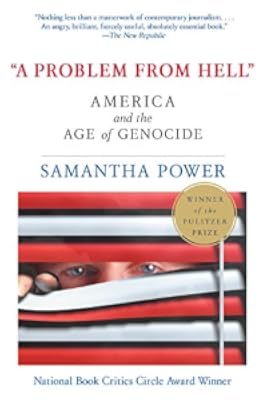
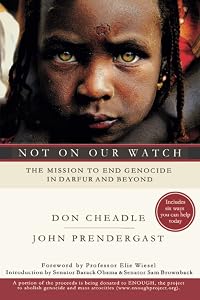



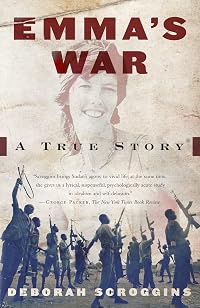
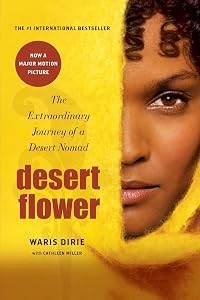
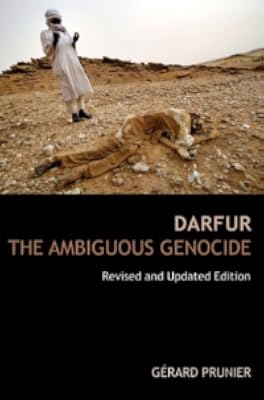

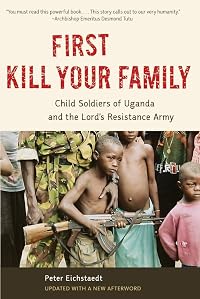

Member Recommendations
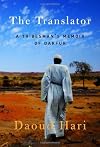

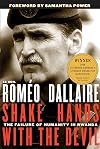
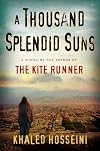
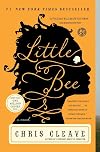
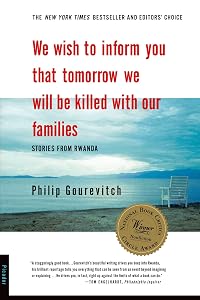
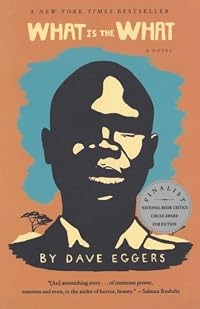
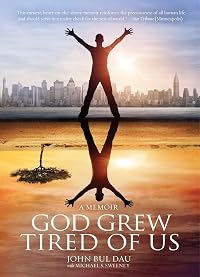
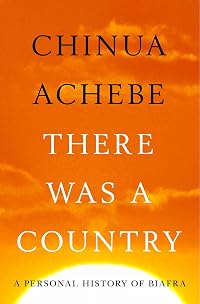
sweetiegherkin Two books about strong women who survive horrific situations in war-torn African countries; one fiction and one nonfiction but both moving in their own way.
Member Reviews
I am not really sure what draws me to books like this. The Holocaust has long been a part of history that has frightened and moved me. It is a time in the world’s history that is so painful, not to mention shameful. And not just for those who were directly involved. It is a blight on all our records. Stories about the Holocaust are told and re-told, the hope is that the same mistakes won’t be repeated. But they are. Again and again. The Holocaust was not the first instance of genocide nor was it the last. While the murder and rape of hundreds of thousands of black Africans in Darfur has not been labeled as genocide by the United Nations, it is still an atrocity that cannot be justified.
In the winter of 2003, the Sudan Liberation show more Army and Justice and Equality Movement acted out against the injustice they saw taking place in their country. Black Africans were being oppressed and treated like second class citizens by the government. The government retaliated with more violence, taking it to an entirely different level. Not only were the soldiers in the rebellion targeted, but the innocent as well. Children and women are being raped, entire villages wiped out, and survivors are forced to leave the country or hide or risk certain death. The Sudan government controls the media within the country and has continuously tried to control the truth going out.
Halima Bashir is just one person who was caught up in the conflict. Her memoir, Tears of the Desert, is her attempt at giving voice to the hundreds of thousands of people who have been murdered and displaced by the Darfur conflict.
Darfur. I know to you this must be a word soaked in suffering and blood. A name that conjures up terrible images of a dark horror and an evil without end. Pain and cruelty on a magnitude inconceivable in most of the civilized world. But to me Darfur means something quite different. It was and is that irreplaceable, unfathomable joy that is home. [pg 4]
I thought that Halima Bashir did an excellent job of painting a more complete picture of Darfur for someone like me, who has never traveled to Sudan or experienced a life like the one she has lived. The love for her country, her village and her family came through—I could not help but love them too. show less
In the winter of 2003, the Sudan Liberation show more Army and Justice and Equality Movement acted out against the injustice they saw taking place in their country. Black Africans were being oppressed and treated like second class citizens by the government. The government retaliated with more violence, taking it to an entirely different level. Not only were the soldiers in the rebellion targeted, but the innocent as well. Children and women are being raped, entire villages wiped out, and survivors are forced to leave the country or hide or risk certain death. The Sudan government controls the media within the country and has continuously tried to control the truth going out.
Halima Bashir is just one person who was caught up in the conflict. Her memoir, Tears of the Desert, is her attempt at giving voice to the hundreds of thousands of people who have been murdered and displaced by the Darfur conflict.
Darfur. I know to you this must be a word soaked in suffering and blood. A name that conjures up terrible images of a dark horror and an evil without end. Pain and cruelty on a magnitude inconceivable in most of the civilized world. But to me Darfur means something quite different. It was and is that irreplaceable, unfathomable joy that is home. [pg 4]
I thought that Halima Bashir did an excellent job of painting a more complete picture of Darfur for someone like me, who has never traveled to Sudan or experienced a life like the one she has lived. The love for her country, her village and her family came through—I could not help but love them too. show less
Set in the Darfur region of Sudan, this memoir follows Halima Bashir from her relatively privileged childhood (although she was already bullied and looked down upon by certain Arab teachers and students even then), to er becoming a doctor, studying medicine and eventually fleeing from the war after she is targeted for healing black people injured in the conflict.
If you are interested in the pain and struggles that come to those who live in a war zone, particularly women and children, I can definitely recommend this book, although it is horrifying at times. Some parts (especially the chapters that deal with rape victims and dying families) were incredibly harrowing so prepare yourself before going in.
I really enjoyed the parts about show more Bashir's childhood. I loved getting to know about her community and enjoyed seeing what school was like for her. There was definitely an essence of isolation in both her very different worlds due to her two very different lives and sets of experiences. Despite dealing with some rather unkind people, I'm glad she also met some good ones through her education and that she managed to follow her dreams (although things definitely didn't end up going quite how she hoped due to the rising conflict).
I appreciate that she didn't shy away from some of the horrors she saw as a doctor, even if she doesn't always go into graphic derail (probably good for the reader!). I can only imagine how traumatising it all was. Most people don't understand the kinds of atrocities people in these situations face and books that discuss them are so important, especially in a world that is becoming increasingly hostile. Although awareness of war and genocide is spreading, I rarely see it focus on the experiences of African people - voices that desperately need to be heard.
I don't know if it was intentional or even if it's just something just read into, but I found the change of tone as the book went on rather interesting. Even at its darkest times, I felt like there was a kind of warmth when she was writing about Sudan that wasn't there when she wrote about her experiences in the UK. She does talk about the cultural differences and the contrast between greater individualism and a tight knit community, but I could also almost feel it. How alone she felt and longed for those she loved.
Although not an easy read by any stretch (not because of the writing but the contents) I would definitely recommend this book to those who wish to understand the true impact of conflict. I hope the author managed to find her family and friends again one day (or at the very least learns what happened to them) and that all the people of Sudan will finally know the peace they deserve. show less
If you are interested in the pain and struggles that come to those who live in a war zone, particularly women and children, I can definitely recommend this book, although it is horrifying at times. Some parts (especially the chapters that deal with rape victims and dying families) were incredibly harrowing so prepare yourself before going in.
I really enjoyed the parts about show more Bashir's childhood. I loved getting to know about her community and enjoyed seeing what school was like for her. There was definitely an essence of isolation in both her very different worlds due to her two very different lives and sets of experiences. Despite dealing with some rather unkind people, I'm glad she also met some good ones through her education and that she managed to follow her dreams (although things definitely didn't end up going quite how she hoped due to the rising conflict).
I appreciate that she didn't shy away from some of the horrors she saw as a doctor, even if she doesn't always go into graphic derail (probably good for the reader!). I can only imagine how traumatising it all was. Most people don't understand the kinds of atrocities people in these situations face and books that discuss them are so important, especially in a world that is becoming increasingly hostile. Although awareness of war and genocide is spreading, I rarely see it focus on the experiences of African people - voices that desperately need to be heard.
I don't know if it was intentional or even if it's just something just read into, but I found the change of tone as the book went on rather interesting. Even at its darkest times, I felt like there was a kind of warmth when she was writing about Sudan that wasn't there when she wrote about her experiences in the UK. She does talk about the cultural differences and the contrast between greater individualism and a tight knit community, but I could also almost feel it. How alone she felt and longed for those she loved.
Although not an easy read by any stretch (not because of the writing but the contents) I would definitely recommend this book to those who wish to understand the true impact of conflict. I hope the author managed to find her family and friends again one day (or at the very least learns what happened to them) and that all the people of Sudan will finally know the peace they deserve. show less
Tears of the Desert, A Memoir of Survival in Darfur
Tears of the Desert written by Halima Bashir is a poignant memoir capable of producing copious empathetic tears. During the first part of the book, the author recounts her childhood and family life growing up in a village in South Dafur. She establishes a beautiful picture of the Zaghawa tribe culture, her feelings, her aspirations and how she relates to all family members. An extended family surrounds her, most importantly, a father who adores her and her feisty Grandma Sumah, a traditionalist with an iron will. As the pleasant images of her upbringing unfold there are also some which are considered barbaric in other cultures. However, involving the reader in this way she makes you a show more captive caring companion to her feelings and ideas.
During the next part of the story, she shares the tragic atrocities that were inflicted upon her. She details her eyewitness account of horrors of death and suffering in her village and country. Several times during the retelling of her brutal beating and gang rape by the Sudanese Government supported army, Halima prays for death, prays for an end to her suffering. She would rather die than live. A Memoir of Survival in Darfur, the book’s subtitle really is her survival from despair, hopelessness, and the dark depths of depression. She now believes she survived to be a messenger, to be able to share her personal tragedy with the world community.
As the book concludes, you reflect on this story of survival, courage and tenacity of will few of us can even fathom. The atrocities she witnessed and the torture she endured are graphic and uncensored. This is a reality that every world citizen must face. Her hope is that her story will shed more light on the situation in Darfur so that the international community will help end the pain, suffering and genocide.
Readers will find the epilogue with the details of the history and causes for the current situation in Darfur informative. Organizations are listed for those looking for ways to assist the people of Darfur.
I was moved to tears by this memoir of Halima Bashir. There were difficult moments while reading where I just couldn’t even comprehend the sick savage inhumane treatment inflicted upon Ms. Bashir. I hope that she will find her family and continue to have the will to fight the fight as Grandma Sumah would have. Highly recommended. show less
Tears of the Desert written by Halima Bashir is a poignant memoir capable of producing copious empathetic tears. During the first part of the book, the author recounts her childhood and family life growing up in a village in South Dafur. She establishes a beautiful picture of the Zaghawa tribe culture, her feelings, her aspirations and how she relates to all family members. An extended family surrounds her, most importantly, a father who adores her and her feisty Grandma Sumah, a traditionalist with an iron will. As the pleasant images of her upbringing unfold there are also some which are considered barbaric in other cultures. However, involving the reader in this way she makes you a show more captive caring companion to her feelings and ideas.
During the next part of the story, she shares the tragic atrocities that were inflicted upon her. She details her eyewitness account of horrors of death and suffering in her village and country. Several times during the retelling of her brutal beating and gang rape by the Sudanese Government supported army, Halima prays for death, prays for an end to her suffering. She would rather die than live. A Memoir of Survival in Darfur, the book’s subtitle really is her survival from despair, hopelessness, and the dark depths of depression. She now believes she survived to be a messenger, to be able to share her personal tragedy with the world community.
As the book concludes, you reflect on this story of survival, courage and tenacity of will few of us can even fathom. The atrocities she witnessed and the torture she endured are graphic and uncensored. This is a reality that every world citizen must face. Her hope is that her story will shed more light on the situation in Darfur so that the international community will help end the pain, suffering and genocide.
Readers will find the epilogue with the details of the history and causes for the current situation in Darfur informative. Organizations are listed for those looking for ways to assist the people of Darfur.
I was moved to tears by this memoir of Halima Bashir. There were difficult moments while reading where I just couldn’t even comprehend the sick savage inhumane treatment inflicted upon Ms. Bashir. I hope that she will find her family and continue to have the will to fight the fight as Grandma Sumah would have. Highly recommended. show less
 This review was written for LibraryThing Early Reviewers.
This book is a gripping and haunting tale, all the more so because it is true. It brings to life the horrors we hear about in Darfur, Sudan through the tale of one highly intelligent and courageous woman, who dared to keep pursuing her education and work while standing up for what is right in the midst of terrible persecution. While the book is pegged as being about the war and genocide in Sudan, it is more than that. Bashir begins with telling about her childhood, showing another side of Sudanese life that doesn't make it into the news. The reader is invited into Bashir's home and village and is made that much richer in knowledge by learning about what another culture looks like at peace -- and seeing the destruction that occurs when show more hatred and racism are given free rein. show less
This review was written for LibraryThing Early Reviewers.I welcome a wake-up call. It is so easy to unconsciously become cocooned in my protected life on the West Coast of the United States, where daily issues end up being hunting for the best price for gasoline for my car, battling the crowded freeways and looking for a parking place, discussing the what to fix for dinner that night. I try to stay abreast of the global situation by watching the nightly News Hour on our local PBS station, but it is easy to glaze over or become anesthetized by the onslaught of words from talking heads, figures and maps so that the news takes on a element of the unreal. So when something happens to hit my radar in a way that makes me say, “I didn’t know that!” or that says to me, “Open your eyes!” I show more am grateful and I feel a little more connected to reality.
The book, “Tears of the Desert” was slipped inside my screendoor, my Early Reviewer book from LibraryThing.com. I looked at the cover, the title word “Desert”, the subtitle word “Darfur” and thought to myself, “I am going to read something I know very little about.” I had heard of the cries of genocide in the Sudan, seen pictures of streams of refugees, and read of the outcry of protestors during the summer Olympics in China, but I didn’t understand the conflict and it felt very impersonal to me.
However, when I began to read the book I entered a new world and culture, the life of Halima Bashir in a Zaghawa tribal village in South Darfur. The first part of the book described the tribal life, the traditions and practices as seen through the eyes of a child. Her descriptions of her family members brought the characters to life and her portrayals were so personal that when events involved them later in the book, I felt a personal sorrow and outrage. Because of her father’s dreams and encouragement, Halima was able to gain an education and go on to the University to study medicine, rather than marry and settle down to have children like most of the girls in her tribe. The first glimpses the conflict between the Arabs and Africans were presented in the chapters covering the school years when Halima leaves her village to attend a school for girls in the city. Here she finds herself in a mixed population of city Arab girls and rural African girls. The incidents that occur here are but a omen of what is to come in the remainder of the book.
Midway through the book I became so preoccupied with Halima and her story that I “googled” her name and discovered a short video of an interview with her at:
http://www.guardian.co.uk:80/world/video/2008/jul/22/halima.bashir
After listening to it, I could hear the lyrical cadence of her speech as I read the rest of the memoir. I choose not to go into the remainder of the story in my review. To fully appreciate it, the reader has to be guided gently through the passage of time, page by page. Be aware that it is not an easy read. Some passages of the cultural rituals or the atrocities inflicted by militants affected my “protected sensibilities.” But I considered it a small price to pay for having my awareness heightened to the reality of the situation affecting so many innocent victims in the Sudan.
I gave the book a 5 rating, the highest possible, not for the writing craft, which is not as polished as some, but for the content. The writing style is simple and direct…which makes the story all the more haunting. Halima’s courage, strength and will to survive amidst overwhelming odds is gripping. To realize that so many people are having an experience of life under the most horrific circumstances is important. Hers is a story that needs to told and needs to be heard. Brava to Halima Bashir for speaking out. Bravo to Damien Lewis for participating in the telling. And bravo to Random House for publishing it. For me, now behind the headlines, numbers and statistics, there are faces. show less
The book, “Tears of the Desert” was slipped inside my screendoor, my Early Reviewer book from LibraryThing.com. I looked at the cover, the title word “Desert”, the subtitle word “Darfur” and thought to myself, “I am going to read something I know very little about.” I had heard of the cries of genocide in the Sudan, seen pictures of streams of refugees, and read of the outcry of protestors during the summer Olympics in China, but I didn’t understand the conflict and it felt very impersonal to me.
However, when I began to read the book I entered a new world and culture, the life of Halima Bashir in a Zaghawa tribal village in South Darfur. The first part of the book described the tribal life, the traditions and practices as seen through the eyes of a child. Her descriptions of her family members brought the characters to life and her portrayals were so personal that when events involved them later in the book, I felt a personal sorrow and outrage. Because of her father’s dreams and encouragement, Halima was able to gain an education and go on to the University to study medicine, rather than marry and settle down to have children like most of the girls in her tribe. The first glimpses the conflict between the Arabs and Africans were presented in the chapters covering the school years when Halima leaves her village to attend a school for girls in the city. Here she finds herself in a mixed population of city Arab girls and rural African girls. The incidents that occur here are but a omen of what is to come in the remainder of the book.
Midway through the book I became so preoccupied with Halima and her story that I “googled” her name and discovered a short video of an interview with her at:
http://www.guardian.co.uk:80/world/video/2008/jul/22/halima.bashir
After listening to it, I could hear the lyrical cadence of her speech as I read the rest of the memoir. I choose not to go into the remainder of the story in my review. To fully appreciate it, the reader has to be guided gently through the passage of time, page by page. Be aware that it is not an easy read. Some passages of the cultural rituals or the atrocities inflicted by militants affected my “protected sensibilities.” But I considered it a small price to pay for having my awareness heightened to the reality of the situation affecting so many innocent victims in the Sudan.
I gave the book a 5 rating, the highest possible, not for the writing craft, which is not as polished as some, but for the content. The writing style is simple and direct…which makes the story all the more haunting. Halima’s courage, strength and will to survive amidst overwhelming odds is gripping. To realize that so many people are having an experience of life under the most horrific circumstances is important. Hers is a story that needs to told and needs to be heard. Brava to Halima Bashir for speaking out. Bravo to Damien Lewis for participating in the telling. And bravo to Random House for publishing it. For me, now behind the headlines, numbers and statistics, there are faces. show less
This review was written for LibraryThing Early Reviewers.When Halima Bashir leaves her small, isolated Zaghawa village for school in a neighboring larger town, it doesn't take her long to figure out what she wants to do with her education. Bashir dreams of being a medical doctor who can return to her village and help her people. Despite growing tensions and racial discrimination between the majority black Africans and minority Arabs of Sudan, Bashir's intelligence and hard work combined with her father's love and support enable her to follow her dream to university in Khartoum. After attaining her degree, she returns to her village and to the town where she originally attended school where she serves as a trainee doctor, but life as she knew it is already changing.
Rumors are afoot of deadly show more groups of Arabs fighting a "Holy War" against black African "infidels," and as Halima helps to treat everyone regardless of color or creed who arrives at the accident and emergency ward of the hospital, the growing danger and atrocity become all too apparent. When she dares to speak out to a newspaper reporter about the things that she sees even in the most vague terms, beating and interrogation soon follow. But it is not until she is assigned to head a clinic in another remote village that the truly dire circumstances of the violence the Arabs are unleashing in Darfur really begin to reveal themselves.
I can't say enough about Tears of the Desert. After the first chapter, I was entirely taken in, basking in Bashir's rich early memories of her family, her village, and her childhood. Each of her relatives and friends is so well described and her love for them so obvious that it almost feels like knowing them personally. Bashir's tales of growing up paint her as an outspoken smart and strong girl who won't accept anything less than her due who reaches adulthood as a smart, strong, and stunningly courageous woman determined to help her people and her homeland despite great personal risk.
One could hardly expect a book about such a difficult topic to be so compulsively readable, but this one is. Make no mistake, parts of this book are gut-wrenchingly difficult to read, but Bashir's honesty and unflinching attention to detail is entirely necessary. Bashir's is a powerful and an important tale and is fully equipped to be a significant part of showing people what is going on in Sudan and motivating people around the world to do their part to stop it. show less
Rumors are afoot of deadly show more groups of Arabs fighting a "Holy War" against black African "infidels," and as Halima helps to treat everyone regardless of color or creed who arrives at the accident and emergency ward of the hospital, the growing danger and atrocity become all too apparent. When she dares to speak out to a newspaper reporter about the things that she sees even in the most vague terms, beating and interrogation soon follow. But it is not until she is assigned to head a clinic in another remote village that the truly dire circumstances of the violence the Arabs are unleashing in Darfur really begin to reveal themselves.
I can't say enough about Tears of the Desert. After the first chapter, I was entirely taken in, basking in Bashir's rich early memories of her family, her village, and her childhood. Each of her relatives and friends is so well described and her love for them so obvious that it almost feels like knowing them personally. Bashir's tales of growing up paint her as an outspoken smart and strong girl who won't accept anything less than her due who reaches adulthood as a smart, strong, and stunningly courageous woman determined to help her people and her homeland despite great personal risk.
One could hardly expect a book about such a difficult topic to be so compulsively readable, but this one is. Make no mistake, parts of this book are gut-wrenchingly difficult to read, but Bashir's honesty and unflinching attention to detail is entirely necessary. Bashir's is a powerful and an important tale and is fully equipped to be a significant part of showing people what is going on in Sudan and motivating people around the world to do their part to stop it. show less
This is one of the most moving, harrowing, and incredible books I have ever read. Although I have read several other wonderful biographies of the genocide occuring in Darfur, none have moved me like Bashir's tale. She spends a sizable portion of the book painting a vivid picture for her readers of her childhood prior to the violence. This effort is the greatest difference between her books and others I have read which begin with the violence. Through Bashir's memories, we cannot help but feel that we have much more in common with the people in Zaghawa tribe than we have differences. The playful love and nuturing of their children are strong, unifying factors. She has hopes and goals for her future, just like children in our countries. show more
Of course, their are strong cultural differences as well and she does not feel the need to cover these up. Most striking is the widespread practice of female circumcision, including Bashir's at age 8. When the war does come to Bashir's area, she does not simply hide or run away. As a newly graduated doctor, she takes the life-threatening role of treating the local people who are attempting to fight to survive.
I did not want to put this book down and grieved when I finished with it. It inspires within me a stronger need to act against the slaughter in Darfur, as well as continue to educate myself about the remarkable people of this area. I could not recommend any book stronger than Tears of the Desert. show less
Of course, their are strong cultural differences as well and she does not feel the need to cover these up. Most striking is the widespread practice of female circumcision, including Bashir's at age 8. When the war does come to Bashir's area, she does not simply hide or run away. As a newly graduated doctor, she takes the life-threatening role of treating the local people who are attempting to fight to survive.
I did not want to put this book down and grieved when I finished with it. It inspires within me a stronger need to act against the slaughter in Darfur, as well as continue to educate myself about the remarkable people of this area. I could not recommend any book stronger than Tears of the Desert. show less
This review was written for LibraryThing Early Reviewers.Members
- Recently Added By
Author Information

5 Works 375 Members
Common Knowledge
- Original publication date
- 2008
- Important places
- Sudan; United Kingdom
- First words
- Come here my love,
I have a song for you. Come here my love, I have a dream for you... - Last words
- (Click to show. Warning: May contain spoilers.)Come here my love, I have a dream for you... (Last chapter)
(Click to show. Warning: May contain spoilers.)I will keep searching. (Epilogue)
Classifications
- Genres
- Nonfiction, Biography & Memoir, General Nonfiction, History
- DDC/MDS
- 962.4043 — History & geography History of Africa Egypt, Sudan, South Sudan Sudan [& South Sudan] Sudan & South Sudan Sudan & South Sudan Darfur & South Sudan
- LCC
- DT159.6 .D27 .B37 — History of Europe, Asia, Africa and Oceania Africa History of Africa Sudan. Anglo-Egyptian Sudan Local history and description
- BISAC
Statistics
- Members
- 371
- Popularity
- 84,606
- Reviews
- 47
- Rating
- (4.40)
- Languages
- Dutch, English, German
- Media
- Paper, Audiobook, Ebook
- ISBNs
- 23
- ASINs
- 3