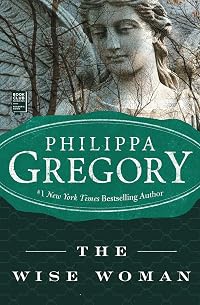
The Wise Woman
by Philippa Gregory
On This Page
Description
After her abbey is burned by allies of King Henry VIII, Alys is summoned to the castle and tempted by luxury and desire for Lord Hugo, but his shrewd wife is watching, and Alys must use her powers to fend off accusations of witchcraft and lust. Reprint. 75,000 first printing.Tags
Recommendations
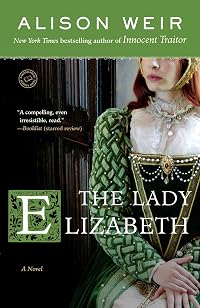
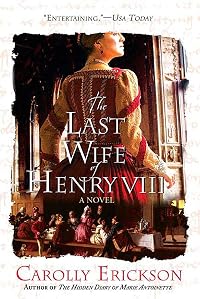
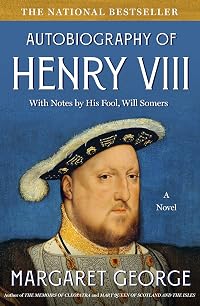
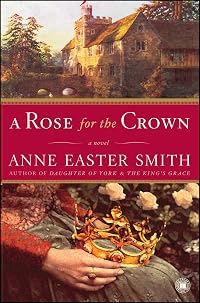
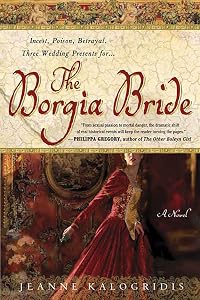
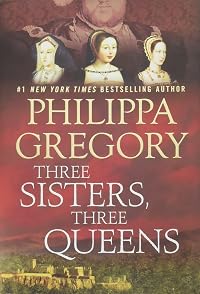
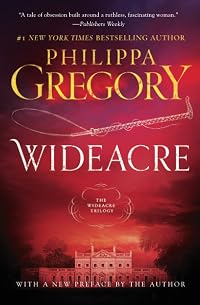
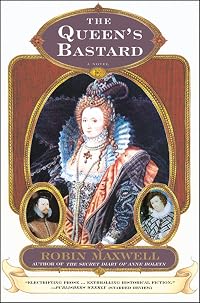
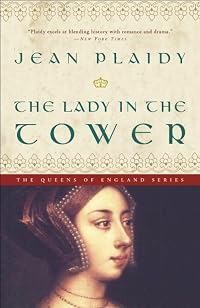
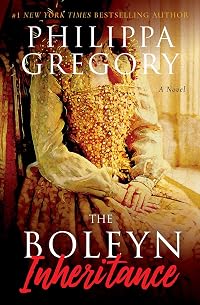
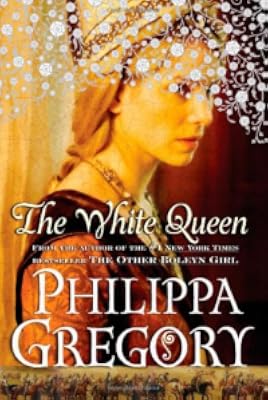
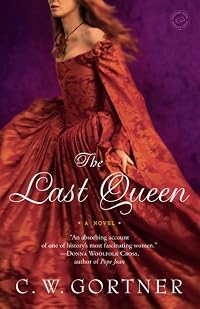
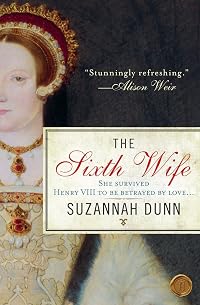
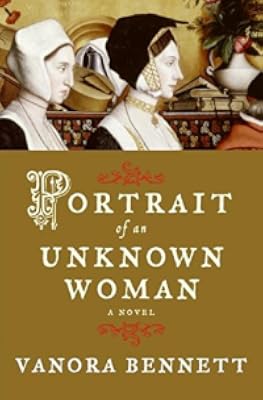
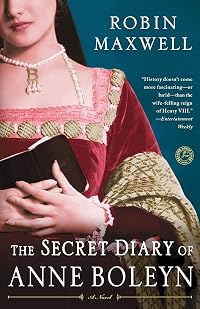
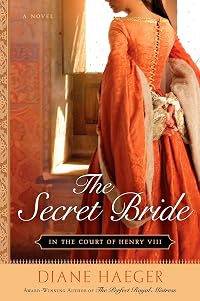



Member Recommendations
Member Reviews
This seems like the perfect book to review for Halloween—not quite a romance, but a historical fantasy with moments of searing eroticism and truly effective horror.
I’m the hipster reader who liked what Philippa Gregory wrote before she was cool. Not that I don’t love her Tudors work, too, but A Respectable Trade (about the slave trade in 18th century Bristol) and the Wideacre trilogy (also 18th century, about a woman’s scheming to gain control of the family estate) have special places in my heart. The Wise Woman, though set in the time of the Tudors, has a lot of similarities with Wideacre: a woman’s desires, thwarted by the cruelty of the times (misogyny not least of them, but not really the greatest factor, either) become show more twisted until there is no act, however callous or depraved, she will not commit to achieve what she wants.
This was a heady conflict in Wideacre, not least because we found sympathetic characters in the background even when the protagonist becomes odious. We had someone to care about and reason to want the protagonist to stop her destructive and self-destructive path. There isn’t so much of that in The Wise Woman. We might start out sympathizing with Alys’ desperation, but it soon becomes obvious that she’s selfish, cowardly, and dishonest. The people surrounding her are for the most part no better. Her mother figures, the wisewoman Morag and the abbess Hildebrande, love her beyond all obvious reason and try to guide her down the path of, if not righteousness, at least good sense; both fail and pay for it. The rest of the cast are as self-absorbed as Alys and often crueler. The young lord Hugo, who is our romantic hero insofar as this story has one, is brutal and sexually violent. No matter how rich he is, I really can’t see what Alys sees in him. At least they deserve each other.
Gregory has come up in prior reviews where I talked about the irritating habit of writers to present BDSM practices as “bad people having bad sex.” Granted, everyone in this story who is sexually active is on some level bad for other reasons, but the searing eroticism I spoke of before, while very fun in the beginning, gets downright distasteful—not only sadomasochism but also bisexuality are played with and handled poorly, dare I even say disrespectfully. This was true in the Wideacre trilogy, too, which has an incestual BDSM relationship. Clearly there’s some bad people having bad sex there, but a later book in the trilogy also suggests not having sex means you’re a sad and broken person. I felt…a bit alienated by this, and yet I kept reading Wideacre because the conflicts Gregory dropped her characters in were just so compelling. In this book, because I found fewer people sympathetic, I also was less compelled to care about what happens to them, and I was much less patient with the handling of sex.
The horror in The Wise Woman, though, is genuinely creepy: candlewax is now terrifying to me. There’s body horror (wax and voodoo dolls and other things too strange to describe), spiritual horror (is Alys damned?), and anyone with a phobia of water or fire is not going to be cured by this story, to say the least. This creepiness is made more effective by the fact that Gregory never goes completely wild: the possibility always remains, just barely, that Alys is only imagining these things. It doesn’t make them any less disturbing. But it does keep this story from jumping the genre shark—it’s not quite fantasy, magic isn’t exactly real, but we can never quite be sure. And the well-researched (you can expect no less from Gregory) historical background only provides realistic grounding that enables us to better accept the horrorific parts.
So it was an uneven but thrilling ride, like that roller coaster you only go on when the line is too short for you to second-guess yourself. But the ending did not just fall flat for me, it made me glare into space with an expression of utter confusion and betrayal. When it comes down to suspension of belief, and what’s really happening and what’s all in Alys’ head, I’m not so sure the final paragraphs weren’t something our morally confused heroine dreamed up. Because if she really did what she’s depicted as doing—then, however horribly she suffers for it, I feel she’s received more redemption than she deserves. The ending leaves a whole lot in the air about other characters and their plot arcs, so that I didn’t feel well paid off for the time I had invested reading up to that point. But if you’re reading this story to be creeped out rather than to have your sense of justice satisfied (wise call on your part), or if you’re interested in Philippa Gregory’s development as a writer before she hit it big with Anne Boleyn (you can see hints in that direction with background historical events in Wise Woman), this one may be worth checking out. show less
I’m the hipster reader who liked what Philippa Gregory wrote before she was cool. Not that I don’t love her Tudors work, too, but A Respectable Trade (about the slave trade in 18th century Bristol) and the Wideacre trilogy (also 18th century, about a woman’s scheming to gain control of the family estate) have special places in my heart. The Wise Woman, though set in the time of the Tudors, has a lot of similarities with Wideacre: a woman’s desires, thwarted by the cruelty of the times (misogyny not least of them, but not really the greatest factor, either) become show more twisted until there is no act, however callous or depraved, she will not commit to achieve what she wants.
This was a heady conflict in Wideacre, not least because we found sympathetic characters in the background even when the protagonist becomes odious. We had someone to care about and reason to want the protagonist to stop her destructive and self-destructive path. There isn’t so much of that in The Wise Woman. We might start out sympathizing with Alys’ desperation, but it soon becomes obvious that she’s selfish, cowardly, and dishonest. The people surrounding her are for the most part no better. Her mother figures, the wisewoman Morag and the abbess Hildebrande, love her beyond all obvious reason and try to guide her down the path of, if not righteousness, at least good sense; both fail and pay for it. The rest of the cast are as self-absorbed as Alys and often crueler. The young lord Hugo, who is our romantic hero insofar as this story has one, is brutal and sexually violent. No matter how rich he is, I really can’t see what Alys sees in him. At least they deserve each other.
Gregory has come up in prior reviews where I talked about the irritating habit of writers to present BDSM practices as “bad people having bad sex.” Granted, everyone in this story who is sexually active is on some level bad for other reasons, but the searing eroticism I spoke of before, while very fun in the beginning, gets downright distasteful—not only sadomasochism but also bisexuality are played with and handled poorly, dare I even say disrespectfully. This was true in the Wideacre trilogy, too, which has an incestual BDSM relationship. Clearly there’s some bad people having bad sex there, but a later book in the trilogy also suggests not having sex means you’re a sad and broken person. I felt…a bit alienated by this, and yet I kept reading Wideacre because the conflicts Gregory dropped her characters in were just so compelling. In this book, because I found fewer people sympathetic, I also was less compelled to care about what happens to them, and I was much less patient with the handling of sex.
The horror in The Wise Woman, though, is genuinely creepy: candlewax is now terrifying to me. There’s body horror (wax and voodoo dolls and other things too strange to describe), spiritual horror (is Alys damned?), and anyone with a phobia of water or fire is not going to be cured by this story, to say the least. This creepiness is made more effective by the fact that Gregory never goes completely wild: the possibility always remains, just barely, that Alys is only imagining these things. It doesn’t make them any less disturbing. But it does keep this story from jumping the genre shark—it’s not quite fantasy, magic isn’t exactly real, but we can never quite be sure. And the well-researched (you can expect no less from Gregory) historical background only provides realistic grounding that enables us to better accept the horrorific parts.
So it was an uneven but thrilling ride, like that roller coaster you only go on when the line is too short for you to second-guess yourself. But the ending did not just fall flat for me, it made me glare into space with an expression of utter confusion and betrayal. When it comes down to suspension of belief, and what’s really happening and what’s all in Alys’ head, I’m not so sure the final paragraphs weren’t something our morally confused heroine dreamed up. Because if she really did what she’s depicted as doing—then, however horribly she suffers for it, I feel she’s received more redemption than she deserves. The ending leaves a whole lot in the air about other characters and their plot arcs, so that I didn’t feel well paid off for the time I had invested reading up to that point. But if you’re reading this story to be creeped out rather than to have your sense of justice satisfied (wise call on your part), or if you’re interested in Philippa Gregory’s development as a writer before she hit it big with Anne Boleyn (you can see hints in that direction with background historical events in Wise Woman), this one may be worth checking out. show less
I find Philippa Gregory to be an excellent story teller. In "The Wise Woman," I believe she took on a huge challenge. Her main character, Alys/Sister Anne, was made into a real, living breathing person who was constantly responding to the harsh environment in which she was immersed. Never really belonging anywhere, being abandoned to an old wise woman at birth, she uses her given talents and skills to try to survive and even be successful. She vacillates between Godliness and witchcraft, trying to unravel the true source of her power and if she really had any power.
Ms. Gregory paints a picture of a young woman struggling with her intelligence and drive to find her own significance in a time when women were not viewed as much more than show more property and human incubators to men who wanted sons. It is a dark novel filled with the gory details of the lifestyle of the times, including some graphic sexual scenes and barbaric brutality. However, anyone who has studied the Tudor England, knows that to have a true "period" piece, which explores a contemporary woman's search for herself, has to include the horrific events that were taking place at that time. The old Celtic religion of England was being suppressed and snuffed out while Catholicism was being embraced by most of Europe. Due to the madness of King Henry VIII, England was being forcibly moved to a newer religion and the methods of convincing the English people was to torture them.
Ms. Gregory did a masterful job in letting the reader decide if Alys was really a practicing witch or if it was just a coincidence that things she tampered with magically, actually happened because of her interference. Through the character of younger Hugo, Ms. Gregory questions the actual magical power of Alys and allows the reader to see how she might think she was able to cause these events. On the other hand, Ms. Gregory did a good job of developing the strong characteristics of each of her major and minor characters so that the reader could see that a lot of the events would have happened in spite of Alys's magical spells.
My overall impression of this novel was that it was very well researched and written. It provides a realistic insight into what a woman might have faced during that time period. I would and have recommended this book for my friends to read. show less
Ms. Gregory paints a picture of a young woman struggling with her intelligence and drive to find her own significance in a time when women were not viewed as much more than show more property and human incubators to men who wanted sons. It is a dark novel filled with the gory details of the lifestyle of the times, including some graphic sexual scenes and barbaric brutality. However, anyone who has studied the Tudor England, knows that to have a true "period" piece, which explores a contemporary woman's search for herself, has to include the horrific events that were taking place at that time. The old Celtic religion of England was being suppressed and snuffed out while Catholicism was being embraced by most of Europe. Due to the madness of King Henry VIII, England was being forcibly moved to a newer religion and the methods of convincing the English people was to torture them.
Ms. Gregory did a masterful job in letting the reader decide if Alys was really a practicing witch or if it was just a coincidence that things she tampered with magically, actually happened because of her interference. Through the character of younger Hugo, Ms. Gregory questions the actual magical power of Alys and allows the reader to see how she might think she was able to cause these events. On the other hand, Ms. Gregory did a good job of developing the strong characteristics of each of her major and minor characters so that the reader could see that a lot of the events would have happened in spite of Alys's magical spells.
My overall impression of this novel was that it was very well researched and written. It provides a realistic insight into what a woman might have faced during that time period. I would and have recommended this book for my friends to read. show less
Alys was 12 when she found an abbey to live in and took her vows to become a nun. At 16, the abbey was burned to the ground during King Henry VIII's reign. She was the only one to escape and went back to live with her adopted "mother" Morach, a healer in a village nearby, because she had nowhere else to go for shelter. Alys is taken to the castle of Lord Hugh and becomes his scribe, but while trying to stay true to her vows in hopes of one day finding a new abbey, she is desperately drawn to Lord Hugh's son Hugo, although he is married. Alys also has some tricks up her sleeve that she learned from Morach.
I hated Alys! Often, when I hate a main character, I have trouble liking the book, but the story drew me in, and I thought it was show more really good. I thought about lowering my rating slightly because I hated Alys so much, but the draw of the story won out for me. show less
I hated Alys! Often, when I hate a main character, I have trouble liking the book, but the story drew me in, and I thought it was show more really good. I thought about lowering my rating slightly because I hated Alys so much, but the draw of the story won out for me. show less
I have read many of Philippa Gregory's books and thought they were all excellent, but not this one. I was really disappointed in it. I didn't like any of the characters. The book is called The Wise Woman, but there wasn't a single wise woman in it.
The characters all seemed to be the same from start to finish, the main character Ann/Alys did something at the very end that one may say redeemed her, but to me it just seemed like the author needed to wrap things up and it was an easy way out.
Morach, the wise woman of Bowes Moor seemed to change as the plot dictated from wise woman, to witch. First not using black magic and then giving in. But it made no sense. Her treatment of Ann/Alys made no sense either. She treated her badly. When she show more discovered Ann/Alys was able to tap into supernatural powers, she did little to guide her. Just as she did little to guide her from the time she came under her care.
I'm not sure what the point of the book was supposed to be...that black magic is bad with unintended consequences, that denouncing your religion (Catholicism) brings deadly consequences, that it's a man's world and women will never be able to get what they want... I just don't know.
I read it all the way through waiting for some revelation, but found none. I should have given up on it when I was a quarter of the way through when I first decided it was going no where. show less
The characters all seemed to be the same from start to finish, the main character Ann/Alys did something at the very end that one may say redeemed her, but to me it just seemed like the author needed to wrap things up and it was an easy way out.
Morach, the wise woman of Bowes Moor seemed to change as the plot dictated from wise woman, to witch. First not using black magic and then giving in. But it made no sense. Her treatment of Ann/Alys made no sense either. She treated her badly. When she show more discovered Ann/Alys was able to tap into supernatural powers, she did little to guide her. Just as she did little to guide her from the time she came under her care.
I'm not sure what the point of the book was supposed to be...that black magic is bad with unintended consequences, that denouncing your religion (Catholicism) brings deadly consequences, that it's a man's world and women will never be able to get what they want... I just don't know.
I read it all the way through waiting for some revelation, but found none. I should have given up on it when I was a quarter of the way through when I first decided it was going no where. show less
As an Anglophile, with a particular passion for Tudor England, I was very excited to read this book. It was also my first Philippa Gregory book. It did not disappoint.
Playing on the fears and superstitions of the time, the book is about one woman's struggle to raise her station in the world. Gregory did a wonderful job of transporting the reader back to the grime, the cold, the lice that existed for poor women and the powerless in those days. She explored their choices... or lack there of. Then... the Church is banned. What a wonderful incident to weave into the story line! There are now less options and more dangers.
Throughout most of the book, I felt grimy and like I was always in need of a shower. But... I suppose, that is how I show more would have felt (only worse) if I had lived back then. At times, I felt like I was watching an episode of The Tudors, filled with lust and betrayal. At other times, I felt like I was reading a Stephen King novel about some Voodoo magic.
I think this book is one of the best of its kind. I can see why many did not finish it. If you are looking for the romanticized version of history, this is not it. If you are looking for characters that always do what is right and always stand up for what they believe, this book is not for you. However, if you are looking to (nearly physically) feel what it was like to live on the moors in Tudor England, get ready... this is it. show less
Playing on the fears and superstitions of the time, the book is about one woman's struggle to raise her station in the world. Gregory did a wonderful job of transporting the reader back to the grime, the cold, the lice that existed for poor women and the powerless in those days. She explored their choices... or lack there of. Then... the Church is banned. What a wonderful incident to weave into the story line! There are now less options and more dangers.
Throughout most of the book, I felt grimy and like I was always in need of a shower. But... I suppose, that is how I show more would have felt (only worse) if I had lived back then. At times, I felt like I was watching an episode of The Tudors, filled with lust and betrayal. At other times, I felt like I was reading a Stephen King novel about some Voodoo magic.
I think this book is one of the best of its kind. I can see why many did not finish it. If you are looking for the romanticized version of history, this is not it. If you are looking for characters that always do what is right and always stand up for what they believe, this book is not for you. However, if you are looking to (nearly physically) feel what it was like to live on the moors in Tudor England, get ready... this is it. show less
I was going to say that this is my least favourite of Philippa Gregory´s work, but that would suggest that I liked this. I didn´t. I disliked it immensely. I found the character developmental of Alys unbelievable to the extreme and the lesbian plot twist completely out of character for Catherine. Alys´ redemption at the end was risible. I don´t have to like a character, I don´t have to sympathize with him/her, but the character has to be credible. This was just icky.
Such a disappointment ...
Such a disappointment ...
This is not the usual Gregory book dealing with politics surrounding the King and his wives. This time it�s at a lower, baser level � Alys escapes the hovel she�s living in with the local Wise Woman by becoming a nun. When the nunnery is burned down by the local Lord Hugo, she escapes and becomes a scribe to Hugo�s father Hugh. She starts using her skills in an effort to stay within the castle and become Hugo�s lover in place of his wife Catherine.
She becomes more and more desperate, using more dangerous �dark arts�, only to be haunted both by the wax figurines she uses, the old Wise Woman (who drowns as she predicted) and by the Prioress who insists on continuing to practise the now heretical Catholic religion and can show more bring added danger to Alys
It�s not a book for the easily embarrassed or offended � there�s lots of sex (in explicit detail) and whether the reader believes in witchcraft or not, it details a dangerous time when women even knowing how to read can be a life threatening time show less
She becomes more and more desperate, using more dangerous �dark arts�, only to be haunted both by the wax figurines she uses, the old Wise Woman (who drowns as she predicted) and by the Prioress who insists on continuing to practise the now heretical Catholic religion and can show more bring added danger to Alys
It�s not a book for the easily embarrassed or offended � there�s lots of sex (in explicit detail) and whether the reader believes in witchcraft or not, it details a dangerous time when women even knowing how to read can be a life threatening time show less
Members
- Recently Added By
Lists

al.vick-parents books
301 works; 1 member
Author Information

127+ Works 86,707 Members
Philippa Gregory was born in Nairobi, Kenya on January 9, 1954. She received a B.A. in history at Sussex University in 1982 and a Ph.D. in 18th-century literature from the University of Edinburgh in 1984. She has taught at numerous universities and was made a fellow of Kingston University in 1994. Her historical novels include: Wideacre, The show more Queen's Fool, The Virgin's Lover, The Constant Princess, The Boleyn Inheritance, The Other Queen, The White Queen, The Red Queen, The Lady of the Rivers and The White Princess. She has also written several contemporary fiction works including Perfectly Correct, The Little House and Zelda's Cut. She adapted her novel A Respectable Trade, about the slave trade in England, into a four-part series for BBC television. Her script won an award from the Committee for Racial Equality. She won the Feminist Book Fortnight Award in 1990 and the Romantic Novelist of the Year Award in 2002. Her book, The Other Boleyn Girl, won the Parker Romantic Novel of the Year award and was adapted into a major feature film in 2008 starring Natalie Portman and Scarlett Johansson. The White Queen was adapted into an original cable series on the Starz nertwork in 2013 starring Max Irons and Rebecca Ferguson. Her title The Kings Curse made the New York Times bestseller list in 2014. Her title, The Taming of the Queen, made the New York Times bestseller list in 2015. Her latest bestseller is Three Sisters, Three Queens. Gregory also writes children's books, is a regular contributor to newspapers and magazines, a frequent broadcaster for radio and television, and runs a small charity that builds wells in schoolyards in Gambia. (Bowker Author Biography) show less
Work Relationships
Common Knowledge
- Canonical title
- The Wise Woman
- Original title
- The Wise Woman
- Original publication date
- 1992
- People/Characters
- Alys; Morach; Lord Hugh; Hugo; Catherine
- Important places
- Bowes, County Durham, England, UK; England, UK
- First words
- In my dream I smelled the dark sulphurous stink of a passing witch and I pulled up the coarse blanket over my head and whispered, "Holy Mary, Mother of God, pray for us" to shield me from my nightmare of terror.
- Last words
- (Click to show. Warning: May contain spoilers.)She said: "My daughter."
Classifications
Statistics
- Members
- 1,246
- Popularity
- 19,830
- Reviews
- 32
- Rating
- (3.29)
- Languages
- 7 — English, French, German, Hebrew, Italian, Lithuanian, Polish
- Media
- Paper, Audiobook, Ebook
- ISBNs
- 23
- ASINs
- 7