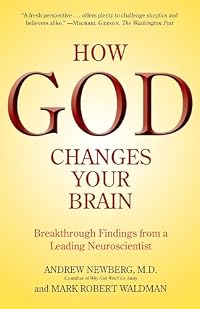
How God Changes Your Brain: Breakthrough Findings from a Leading Neuroscientist
by Andrew Newberg
On This Page
Description
God is great-for your mental, physical, and spiritual health. Based on new evidence culled from brain-scan studies and a wide-reaching survey of people's religious and spiritual experiences, neuroscientist Andrew Newberg, MD, and therapist Mark Robert Waldman offer the following breakthrough discoveries: Not only do prayer and spiritual practice reduce stress, but just twelve minutes of meditation per day may slow down the aging process. Contemplating a loving God rather than a punitive God show more reduces anxiety and depression and increases feelings of security, compassion, and love. Intense prayer and meditation permanently change numerous structures and functions in the brain, altering your values and the way you perceive reality. Both a revelatory work of modern science and a practical guide for listeners to enhance their physical and emotional health, How God Changes Your Brain is a first-of-a-kind book about faith that is as credible as it is inspiring. show lessTags
Recommendations



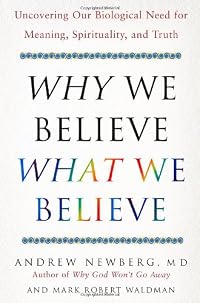

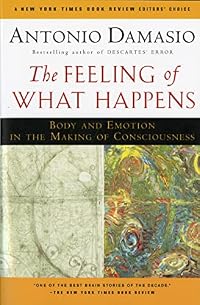


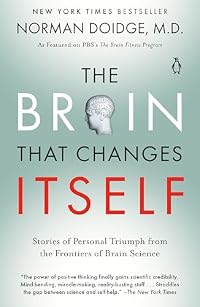
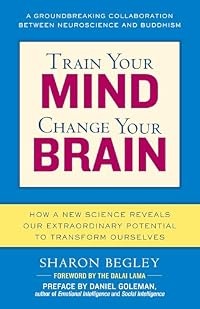


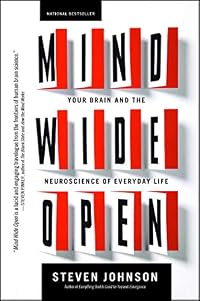











Member Recommendations
Born to Believe: God, Science, and the Origin of Ordinary and Extraordinary Beliefs by Andrew Newberg
researchfellow Both of these books are incredible: well researched, thought provoking, and, at least for me disturbing because it made me question many of my deepest beliefs about God, religion, and human morality. The "How God" book offers lots of practical exercises for improving physical, mental, and spiritual health. Highly recommended to believers and nonbelievers alike.
Member Reviews
The title is misleading. This book is about how spiritual practices effect the brain... typically with these practices removed from their religious roots. The authors seemed to imply that the true benefit of these historical religions are the practices they discovered rather than the beliefs and theology that they teach. They also fail to recognize that the practices might not have been accidentally discovered, but spring directly from the theology.
I was not surprised that the practices (mindful meditation, centering prayer, etc) independent of belief have positive impact, but this book failed to go beyond that to examine how the follow experience (beliefs and practices) effect people.
I thought the section of how corrosive anger is to show more the brain functioning properly was very useful. show less
I was not surprised that the practices (mindful meditation, centering prayer, etc) independent of belief have positive impact, but this book failed to go beyond that to examine how the follow experience (beliefs and practices) effect people.
I thought the section of how corrosive anger is to show more the brain functioning properly was very useful. show less
I see this as two books in one: first, a basic look at the malleability of our brain and how it can be trained--specifically, how spiritual practices rebuild neural paths within our brain--and second, a practical guide to basic meditation.
I give the first half five stars. I didn't read all of the second half. Guess that means I should drop my rating one star. It's not that I'm not interested in meditation, because I'm thoroughly convinced of its spiritual and mental value; it's that, like 95% of the rest of you, I ignore what's good for me in favor of what I enjoy. And I enjoy learning about the brain.
This isn't an evangelical book. It won't direct you to Christianity or Eastern religions or any other belief system. Nor is it ragging on show more the evils of religion, as the title might make you think. It's a very positive-minded book about the value of prayer, meditation, and belief. "God" does change your brain, because repeated mental exercise and directed thinking rebuilds neural paths for a healthier, happier life. If--as is my observation--Christians in general live happier, healthier lives than non-believers, there is a solid, scientific reason for that. The Christian brain is wired for spiritual well-being.
I emphasize Christians only because Christianity is my heritage. This book is written for skeptics and believers alike, and definitely worth reading. show less
I give the first half five stars. I didn't read all of the second half. Guess that means I should drop my rating one star. It's not that I'm not interested in meditation, because I'm thoroughly convinced of its spiritual and mental value; it's that, like 95% of the rest of you, I ignore what's good for me in favor of what I enjoy. And I enjoy learning about the brain.
This isn't an evangelical book. It won't direct you to Christianity or Eastern religions or any other belief system. Nor is it ragging on show more the evils of religion, as the title might make you think. It's a very positive-minded book about the value of prayer, meditation, and belief. "God" does change your brain, because repeated mental exercise and directed thinking rebuilds neural paths for a healthier, happier life. If--as is my observation--Christians in general live happier, healthier lives than non-believers, there is a solid, scientific reason for that. The Christian brain is wired for spiritual well-being.
I emphasize Christians only because Christianity is my heritage. This book is written for skeptics and believers alike, and definitely worth reading. show less
Fascinating. I felt the title a bit inaccurate because the book does not really focus on how belief in God changes the brain. Instead, the majority of the book discusses how meditation changes the brain in beneficial ways, regardless of a person's spiritual or religious orientation.
The book does discuss God, but more how people perceive God, and how that perception can change based on changes in the brain from aging, religious upbringing, education, exposure to varying belief systems, meditation, anger, physical trauma, and a host of other factors.
I found the book very interesting, as it examined empirically the effects of meditation and religious beliefs on the brain and then expanded on how those then affect other aspects of life and show more health. show less
The book does discuss God, but more how people perceive God, and how that perception can change based on changes in the brain from aging, religious upbringing, education, exposure to varying belief systems, meditation, anger, physical trauma, and a host of other factors.
I found the book very interesting, as it examined empirically the effects of meditation and religious beliefs on the brain and then expanded on how those then affect other aspects of life and show more health. show less
This book is chock-full of interesting findings about our brain's chemistry and "wiring", interesting survey results, and in two final chapters, a basket of techniques for improving one's mood, dealing with anger, increasing empathy, and other good goals. The title is provocative, and so is the content.
didn't finish; didn't hold my interest
Ratings
Members
- Recently Added By
Author Information

22+ Works 1,750 Members
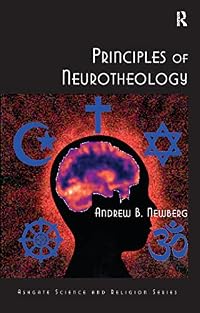
Andrew Newberg is director of research at the Marcus Institute of Integrative Health and a physician at Thomas Jefferson University Hospital. His books include Why God Won't Go Away: Brain Science and the Biology of Belief (2001), How God Changes Your Brain: Breakthrough Findings from a Leading Neuroscientist (2009), and Principles of show more Neurotheology (2010). show less
Classifications
Statistics
- Members
- 382
- Popularity
- 81,600
- Reviews
- 5
- Rating
- (3.84)
- Languages
- English, German
- Media
- Paper, Audiobook, Ebook
- ISBNs
- 7
- ASINs
- 2