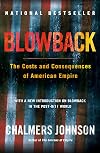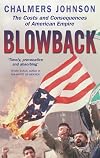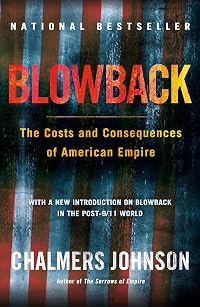
Blowback: The Costs and Consequences of American Empire
by Chalmers Johnson
The American Empire Project
On This Page
Description
The term "blowback," invented by the CIA, refers to the unintended consequences of American actions abroad. In this incisive and controversial book, Chalmers Johnson lays out in vivid detail the dangers faced by our overextended empire, which insists on projecting its military power to every corner of the earth and using American capital and markets to force global economic integration on its own terms. From a case of rape by U.S. servicemen in Okinawa to our role in Asia's financial crisis, show more from our early support for Saddam Hussein to our conduct in the Balkans, Johnson reveals the ways in which our misguided policies are planting the seeds of future disaster. show lessTags
Recommendations
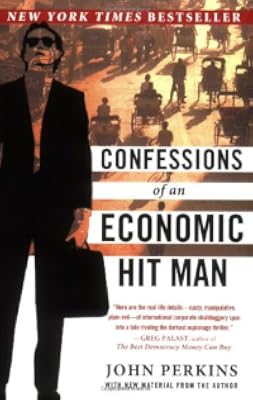
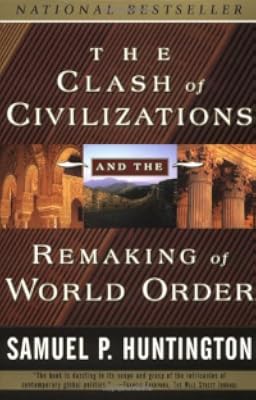
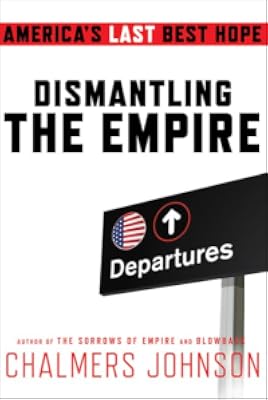
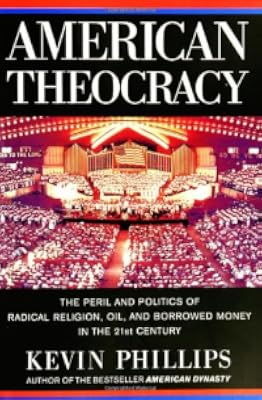
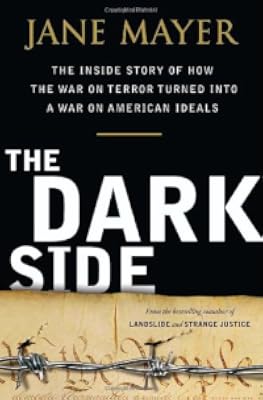
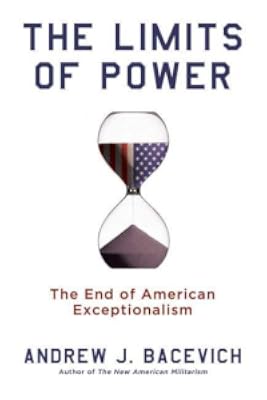
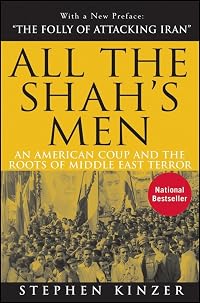
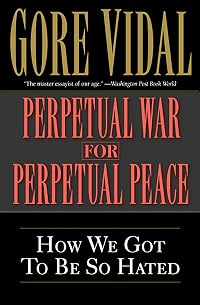
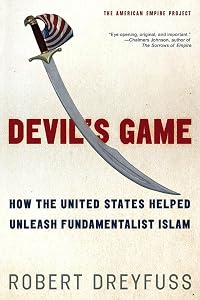
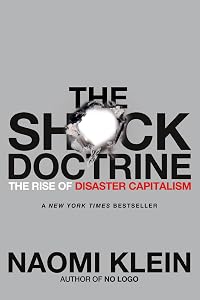
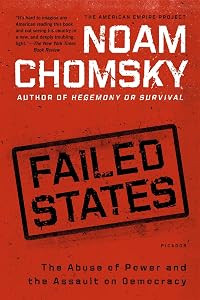

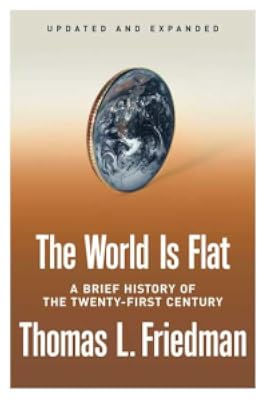
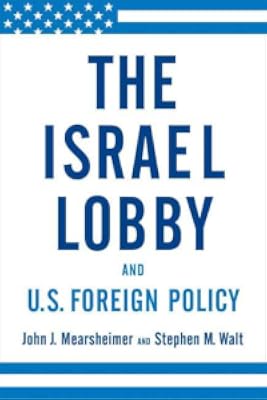
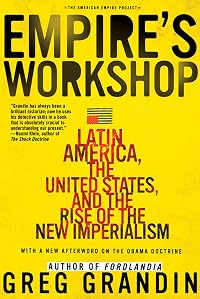
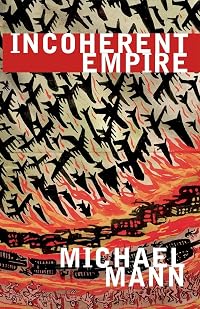
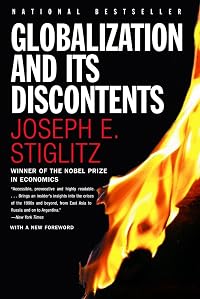
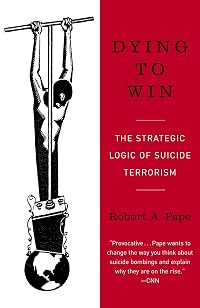
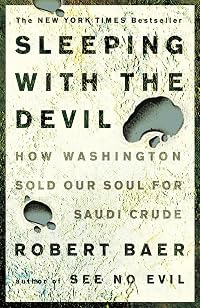
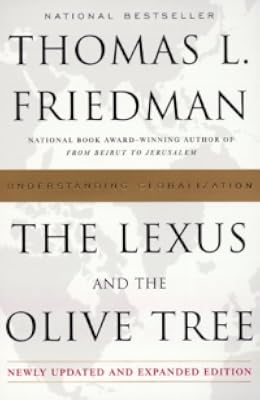
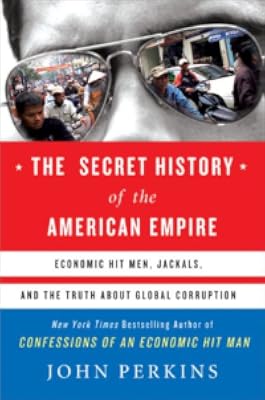
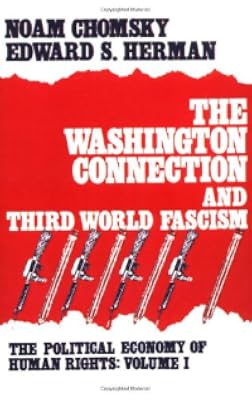
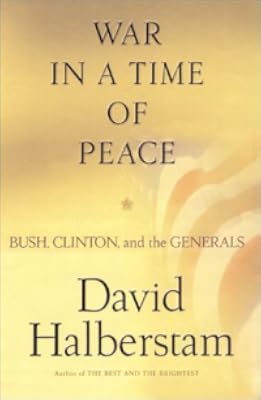
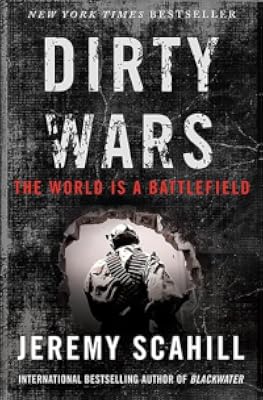

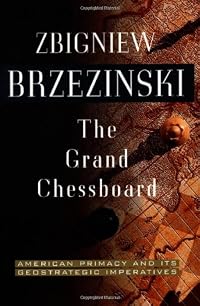
Member Recommendations
Member Reviews
This book is pretty damned prescient. It’s all about the bad and mostly unintended consequences that have arisen due to American military interference around the world in the past thirty years. Think of it as a rational, national-interest-based argument against American expansionism and empire. It’ll also teach you a few things about Korea and our other activities in Asia over the last fifty years, and about the mostly unintentional, but still very important effects that the behavior of our forces stationed all over the world, and the message that the very presence of these forces sends, tend to have on world public opinion of us as a nation.
This is a book about the unintended consequences of American actions in other countries. If you're interested in international politics, then this is a grain of salt you should definitely take.
Critics will label it as being hyped, but I think it's actually a window into worlds we seldom or never hear about in America. As someone who believes that you should "sweep your own porch before cleaning other people's porches," I've long believed that we should stop meddling in other people's affairs and feed our own hungry people, pull back our manufacturing into America and kill this ridiculous unemployment rate, and secure our own borders against terrorists rather than chasing them through the sand hills for a decade, wasting billions of tax show more dollars getting no where (do we really need to WONDER why our deficit is so large??).
This book was a great book to read, having read Confessions of an Economic Hitman years ago. I would have loved to see where we are NOW, years after this has been published. But, everything in this book still applies today. Most of it is history, and I for one am constantly learning for our mistakes. If only I had a true influence in military politics!!
If you've ever wondered why America has military bases in other countries, yet doesn't allow other countries to set up military bases here.... if you've ever wondered why we're so insistent on pushing our version of democracy and economics on other countries... if you've ever wondered about the countries we attempt to use as puppets, particularly in East Asia... and if you've ever wondered how any country could hate us since we're such triumphant heroes who continually aid countries who "give us nothing in return," then read this book. If nothing else, it's a balancing view of how other countries regard us. show less
Critics will label it as being hyped, but I think it's actually a window into worlds we seldom or never hear about in America. As someone who believes that you should "sweep your own porch before cleaning other people's porches," I've long believed that we should stop meddling in other people's affairs and feed our own hungry people, pull back our manufacturing into America and kill this ridiculous unemployment rate, and secure our own borders against terrorists rather than chasing them through the sand hills for a decade, wasting billions of tax show more dollars getting no where (do we really need to WONDER why our deficit is so large??).
This book was a great book to read, having read Confessions of an Economic Hitman years ago. I would have loved to see where we are NOW, years after this has been published. But, everything in this book still applies today. Most of it is history, and I for one am constantly learning for our mistakes. If only I had a true influence in military politics!!
If you've ever wondered why America has military bases in other countries, yet doesn't allow other countries to set up military bases here.... if you've ever wondered why we're so insistent on pushing our version of democracy and economics on other countries... if you've ever wondered about the countries we attempt to use as puppets, particularly in East Asia... and if you've ever wondered how any country could hate us since we're such triumphant heroes who continually aid countries who "give us nothing in return," then read this book. If nothing else, it's a balancing view of how other countries regard us. show less
Johnson focuses mainly on East Asia: Japan, Korea, and China primarily. There is a bit of discussion of Indonesia and even Guatemala and Brazil. This book was published in 2000 but written in 1999, so clearly it doesn't discuss recent events. But recent events certainly fit into the overall picture that Johnson is drawing.
That the USA is something of a bully was not news to me. A lot of this book though goes into economics and the connection between economics and the projection of military power. We let e.g. Japan steal our basic industry in return for them letting us base troops there. Probably Johnson doesn't make it quite that simple, but also I think he doesn't dig very deep into why we do what we do. He does mention that this just show more the usual way for empires in decline, but doesn't really pursue that pattern very much. The focus is all on history, especially roughly 1989-1999: how after the Cold War ended, the USA kept up its military posture, with no real enemy in sight.
There is a lot of information here. It's not just a lot of speculative bluster. Crucial information for our world today. show less
That the USA is something of a bully was not news to me. A lot of this book though goes into economics and the connection between economics and the projection of military power. We let e.g. Japan steal our basic industry in return for them letting us base troops there. Probably Johnson doesn't make it quite that simple, but also I think he doesn't dig very deep into why we do what we do. He does mention that this just show more the usual way for empires in decline, but doesn't really pursue that pattern very much. The focus is all on history, especially roughly 1989-1999: how after the Cold War ended, the USA kept up its military posture, with no real enemy in sight.
There is a lot of information here. It's not just a lot of speculative bluster. Crucial information for our world today. show less
This was not an easy read and started to seem repetitive after awhile. But the message hit home in many respects, reinforcing the uneasiness I've had for a while. The unintended consequences of our foreign policies and covert actions against various regimes around the world are apparent today. Even if you don't agree, this book will definitely make you question decisions our government has made over the last 75 years, and continuing today. This book was written before 9-11 essentially predicting the "blowback" for our aggressive actions in the Middle East.
A prescient analysis of America's imperial overreach abroad and the unintended consequences — or 'blowback' — that followed.
Thought provoking. Apparently most of the terrorist activities directed against us is in retribution for our own terrorist activities. Should be required reading.
Chalmers Johnson always spoke what he saw as the truth, without regard to the consequences. He has done so here, and in the books which followed it. This book should still, almost two decades after publication, be required reading for anyone who has or aspires to any role in the making and shaping of U.S. policy.
Members
- Recently Added By
Author Information

30+ Works 2,941 Members
Chalmers Johnson, president of the Japan Policy Research Institute & professor emeritus at the University of California, San Diego, has written numerous books on Japan & Asia including his classic "Miti & the Japanese Miracle" & "Japan: Who Governs?" He lives near San Diego. (Bowker Author Biography)
Awards and Honors
Awards
Series

Belongs to Publisher Series
Common Knowledge
- Canonical title
- Blowback: The Costs and Consequences of American Empire
- Original publication date
- 2000
- Blurbers
- Smith, Patrick; Dower, John W.
Classifications
- Genres
- Nonfiction, General Nonfiction, Politics and Government, History
- DDC/MDS
- 327.73 — Society, government, & culture Political science International Relations: Spies North America United States
- LCC
- E840 .J63 — History of the United States United States Later twentieth century, 1961-2000 Biography (General)
- BISAC
Statistics
- Members
- 985
- Popularity
- 26,823
- Reviews
- 18
- Rating
- (4.00)
- Languages
- 5 — English, German, Italian, Portuguese, Spanish
- Media
- Paper, Audiobook, Ebook
- ISBNs
- 25
- UPCs
- 1
- ASINs
- 7