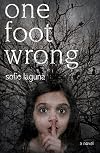
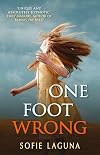
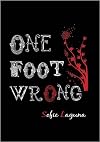
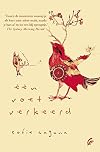
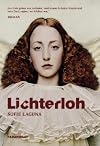
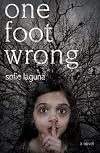
One Foot Wrong
by Sofie Laguna
On This Page
Description
Meet Hester. A child of dark beginnings and few words. Living a painfully sheltered existence forced upon her by reclusive parents, Hester befriends the inanimate objects in her sheltered life: Cat, Broom, Handle and Axe, who speak to her in return. When Hester's parents are forced to send her to school, the little girl is overjoyed at meeting children her own age and making her first real friend - Mary. But her pleasure is cruelly taken away from her and she returns to the overwhelming show more oppressiveness of home. But no one can stop Hester from growing up, and it is when innocence becomes experience that she finds the strength to take action. All she has endured in her short life culminates in a climactic moment that will change her life forever. The story told in One Foot Wrong is often dark, but the sheer blazing brilliance of Sofie Laguna's language, imagery and imagination illuminates every page and makes this novel an exhilarating, enlightening and ultimately joyous act of faith. show lessTags
Recommendations





















Member Reviews
Deeply disturbing plot, but amazingly written and a compelling read. It's from the point of view of a young girl, Hester who obviously has serious mental issues (schizophrenia, at an educated guess) and who is abused by her parents who also have mental issues of their own. (Not to mention an unhealthy religiosity.) So, a very unhappy and disturbing topic. But the imagery was marvellous, as our protagonist seems stuck in this child-like state, talking to her friends tree, spoon, handle, etc; drawing the most amazingly described pictures; linked by invisible ropes to her friends, etc.
It also got me thinking about nature vs. nurture, an old quandary I'm very familiar with from my years as an undergraduate Psychology student. What about our show more behaviour and personality is biological and genetic, and what is learnt? (It is usually, of course, a bit of both. I used to lean on the side of learned behaviour, but after having kids and seeing their ingrained personalities from the start, I'm rather leaning towards genetics.) Hester is a complex case: is she mad because of her abusive upbringing, or is she mad regardless? (And, believe me, she is mad.)
In some ways, it reminded me of fellow Australian Nick Cave's And The Ass Saw the Angel, which I read many years ago. I remember disliking the book intensely at the time (I found out later it was supposed to be funny, but I missed the humour), but the crazy imagery and the dysfunctional family triggered my memories and feelings of similarity.
*** SPOILERS FOLLOW ***
Towards the end, I was worried about where the book was going: I could see no happy end in sight, without sacrificing some semblance of reality. I almost put the book down because I didn't want to go where I thought it was going, but took a deep breath and ploughed on regardless. And I'm glad I did. The ending did sacrifice some reality, but it was a good place to end, and I'll just ignore my niggling quibbles of "yeah, that's never going to happen". show less
It also got me thinking about nature vs. nurture, an old quandary I'm very familiar with from my years as an undergraduate Psychology student. What about our show more behaviour and personality is biological and genetic, and what is learnt? (It is usually, of course, a bit of both. I used to lean on the side of learned behaviour, but after having kids and seeing their ingrained personalities from the start, I'm rather leaning towards genetics.) Hester is a complex case: is she mad because of her abusive upbringing, or is she mad regardless? (And, believe me, she is mad.)
In some ways, it reminded me of fellow Australian Nick Cave's And The Ass Saw the Angel, which I read many years ago. I remember disliking the book intensely at the time (I found out later it was supposed to be funny, but I missed the humour), but the crazy imagery and the dysfunctional family triggered my memories and feelings of similarity.
*** SPOILERS FOLLOW ***
Towards the end, I was worried about where the book was going: I could see no happy end in sight, without sacrificing some semblance of reality. I almost put the book down because I didn't want to go where I thought it was going, but took a deep breath and ploughed on regardless. And I'm glad I did. The ending did sacrifice some reality, but it was a good place to end, and I'll just ignore my niggling quibbles of "yeah, that's never going to happen". show less
I started out excited about this book. The synopsis looked promising. A girl who was raised by extremely religious parents and who has had no contact with the outside world, who has made friends with spoon, handle, tree, door. I had an image of a girl raised in a cult who at some point faces life outside.
Sadly this book did not live up to its synopsis. The language while very beautiful at times is very disjointed. The character of Hester has some type of intellectual disability or psychosis. There are interesting moments and some of the other characters add a bit of normal language. Overall an interesting topic but written in a very strange language.
Sadly this book did not live up to its synopsis. The language while very beautiful at times is very disjointed. The character of Hester has some type of intellectual disability or psychosis. There are interesting moments and some of the other characters add a bit of normal language. Overall an interesting topic but written in a very strange language.
CW for...almost everything: physical, emotional, and sexual abuse (including from parents), religious extremism, bullying (especially toward intellectual disability), violence, attempted suicide . I appreciated the artistry and intent of the writing, but the final product was incredibly bleak and often didn't flow well or make sense. A lot of the awful things that happened seemed to be included solely to make the main character go through as much horror as possible just for the sake of it, or for the tone of the book, or something. Everything was to such extremes that it seemed unrealistic. This was confirmed by the nonsensical actions of the people around Hester. For some reason, despite the MASSIVE FLASHING UNAMBIGUOUS RED FLAGS Hester show more gives, no teacher, adult, or doctor in her life calls in authorities. That, more than anything, turned me off from getting anything out of this book. show less
I wanted to like this book. It sounded so terrific when I put it on my wish list. However, I struggled with it. I don't know if it was the writing style or the pace of the story. I found the premise of the story quite intersting, how nurturing, or lack thereof, affects people. You also have to wonder if the protaganist was mad to begin with or if her lack of nurture made her that way. Again, the premise of the story was intriguing, but I just couldn't get into it.
This is the story of Hester, a girl who isn't allowed to go outside.
Her mother resents her for being born too late. She is never taught to read or write, the only book she has is an illustrated bible, and her only friends are the cat and the tools she uses for her household chores. She is kept hidden from the authorities and from the corrupting influence of modern life.
Then one day, the authorities catch up with her and she has to go to school.
It takes a few pages to get into this book. The author's writing style is very cold and stilted - short child-like sentences told in first person narrative by Hester. I think it's meant to be naive, but it came across to me as contrived.
The book mixes the grim reality of Hester's sad life with show more her fantasy world, and I wondered how much of the closing chapter actually happened, and how much was her imagination.
It's very readable if you have a strong stomach, but ultimately I think it was missing a heart. show less
Her mother resents her for being born too late. She is never taught to read or write, the only book she has is an illustrated bible, and her only friends are the cat and the tools she uses for her household chores. She is kept hidden from the authorities and from the corrupting influence of modern life.
Then one day, the authorities catch up with her and she has to go to school.
It takes a few pages to get into this book. The author's writing style is very cold and stilted - short child-like sentences told in first person narrative by Hester. I think it's meant to be naive, but it came across to me as contrived.
The book mixes the grim reality of Hester's sad life with show more her fantasy world, and I wondered how much of the closing chapter actually happened, and how much was her imagination.
It's very readable if you have a strong stomach, but ultimately I think it was missing a heart. show less
Compelling read with fascinating use of language and personification.
Omdat het boek vanuit het perspectief van Hester is geschreven was het op de eerste pagina’s wennen aan haar vertelstijl. Ook begin je als het ware midden in het verhaal, dus het was even zoeken naar het hoe en waarom ze binnen zit. En wat er nu mis met haar is. Uiteindelijk durft ik te zeggen dat haar ouders behoorlijk gek zijn en haar op een verschrikkelijke manier behandelen waardoor Hester zelf ook niet ongeschonden uit de strijd komt. Omdat ze geen ander geluk kent in haar wereld, gaat ze vriendschappen aan met de dingen in het huis die ze dagelijks om haar heen heeft. Zo voert ze hele gesprekken met een lepel en een bijl. Dat is aan de ene kant heel triest, maar aan de andere kant ook vertederend en mooi. Bovendien is de show more fantasie van Hester grenzeloos, prachtig verwoord en van schitterende beeldvorming voorzien. Je droomt weg op de woorden van Hester.
Uiteindelijk gaat het niet zo goed met Hester en ook niet met de relatie van haar en haar ouders, waardoor ze haar in een inrichting laten opnemen. Het verhaal neemt dan een vreemde wending en ook dat is wennen als lezer. Je wil Hester zo graag helpen, haar beter maken, maar in plaats daarvan wordt ze weer weggestopt. Ondanks de kromme tenen die dat veroorzaakt, is het ook mooi om te lezen hoe ze op haar eigen manier een mede-patiënt weet te helpen en hoe de twee een vriendschap voor het leven aangaan.
Het verloop van het verhaal is niet al te reëel vind ik persoonlijk, maar dat boeit in dit geval niet zo. Je leeft mee met Hester en via haar vreemde hersenkronkels zie je haar wereld op een heel andere manier. Het is geen bijzonder vrolijk verhaal, vooral door de verschrikkingen die Hester moet doorstaan, maar haar fantasie en overlevingsdrang geven het verhaal een gouden randje en uiteindelijk lees je het met een glimlach uit. show less
Uiteindelijk gaat het niet zo goed met Hester en ook niet met de relatie van haar en haar ouders, waardoor ze haar in een inrichting laten opnemen. Het verhaal neemt dan een vreemde wending en ook dat is wennen als lezer. Je wil Hester zo graag helpen, haar beter maken, maar in plaats daarvan wordt ze weer weggestopt. Ondanks de kromme tenen die dat veroorzaakt, is het ook mooi om te lezen hoe ze op haar eigen manier een mede-patiënt weet te helpen en hoe de twee een vriendschap voor het leven aangaan.
Het verloop van het verhaal is niet al te reëel vind ik persoonlijk, maar dat boeit in dit geval niet zo. Je leeft mee met Hester en via haar vreemde hersenkronkels zie je haar wereld op een heel andere manier. Het is geen bijzonder vrolijk verhaal, vooral door de verschrikkingen die Hester moet doorstaan, maar haar fantasie en overlevingsdrang geven het verhaal een gouden randje en uiteindelijk lees je het met een glimlach uit. show less
Mar 23, 2013Dutch
Members
- Recently Added By
Lists

Australian Women's Writing 2003 - 2014
49 works; 3 members
Author Information

31 Works 1,842 Members
Sofie Laguna was born in 1968 in Australia. She graduated from Victorian College of the Arts in 1992. She went on to earn her Diploma of Arts from RMIT University. Her book title's include My Yellow Blanky, Bill's Best Day, Too Loud Lily, and Big Ned's Bushwalk. She was shortlisted for the Stella Prize 2015 and the Voss Literary Prize with her show more title The Eye of the Sheep. This same title also won the Miles Franklin Literary Award 2015. She will be featured at the Ubud Writers and Readers Festival 2015 program. In 2018, she won the Indie Book Award for Fiction with her book, The Choke. (Bowker Author Biography) show less
Awards and Honors
Common Knowledge
- Canonical title
- One Foot Wrong
- Original publication date
- 2008-07
- People/Characters
- Hester Wakefield; Kathy (Sack) Wakefield (Sack); John (Boot) Wakefield (Boot); Mrs Dane; Norma; Mary (show all 7); Harrison
- Important places
- One Cott Road
- Epigraph*
- Er is een leeuw op den weg; een leeuw is op de straten. Spreuken XXVI 13
- First words
- I slept at the feet of Boot and Sack. My one small bed went longways across the end of their big one.
- Quotations
- There is a lion in the way; a lion is in the streets. (Proverbs xxvi 13)
But the day of the Lord will come as a thief in the night. (2 Peter 3:10) - Last words
- (Click to show. Warning: May contain spoilers.)The fire sticks crackled as we sucked back the smoke. When we let it out, the smoke billowed around our faces then it lifted, drifting over us, slowly curling up and around the trees, over the house that Harrison built, over the river, over the forest, then higher, into the light of the sun, and beyond, into eternity.
- Blurbers
- Tsiolkas, Christos
- Original language
- English
*Some information comes from Common Knowledge in other languages. Click "Edit" for more information.
Classifications
Statistics
- Members
- 156
- Popularity
- 209,858
- Reviews
- 8
- Rating
- (3.41)
- Languages
- Dutch, English, German, Italian
- Media
- Paper, Ebook
- ISBNs
- 12
- ASINs
- 5