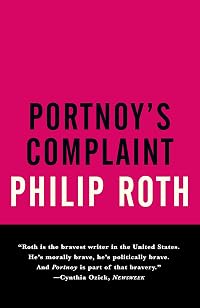
Portnoy's Complaint
by Philip Roth
On This Page
Description
Philip Roth's bestselling novel, which takes the form of a monologue featuring the confession of a comic character who is thrust through life by his unappeasable sexuality, yet at the same time held back by the iron grip of his unforgettable childhood.Tags
Recommendations


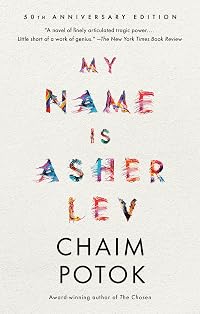
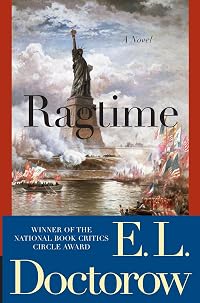
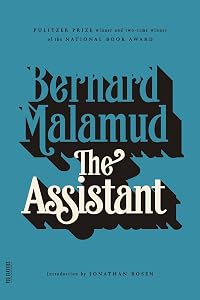
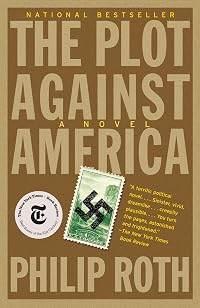





Member Recommendations
by anonymous user
Member Reviews
Woody Allen, chi era costui? A confronto di questo ancor giovane Philip Roth, arrabbiatissimo e strapieno di sensi di colpa ebraici, Allen sembra proprio un dio minore, una pallida imitazione.
I rapporti con la famiglia, la precoce voracità per il sesso in tutte le sue forme, l'incapacità del giovane Portnoy di inserirsi normalmente in un rapporto di coppia, il tutto urlato sotto forma di invettiva, di lamento appunto, a uno psicanalista che non a segno di ascoltarlo, cosa che sarà palese all'ultima riga del romanzo, sono assolutamente da manuale.
Ho riso tutte le mie lacrime.
I rapporti con la famiglia, la precoce voracità per il sesso in tutte le sue forme, l'incapacità del giovane Portnoy di inserirsi normalmente in un rapporto di coppia, il tutto urlato sotto forma di invettiva, di lamento appunto, a uno psicanalista che non a segno di ascoltarlo, cosa che sarà palese all'ultima riga del romanzo, sono assolutamente da manuale.
Ho riso tutte le mie lacrime.
Portnoy's Complaint is not for the faint of heart or those who aren't inclined to read a novel that is far out of their comfort zone. To say the least. Philip Roth presents us here with the dark inner workings of what we've always suspected everyone else's brain is like but what really reflects what goes on in our own heads during our most frank moments towards ourselves. We read the ranting and ravings of a 'nice Jewish boy' in session with his therapist. Ironically the perspective isn't that of the therapist, which would be the traditional way of telling the story. Instead this is the 'unedited' stream of consciousness of Portnoy himself.
Perhaps a central theme of this novel is one man's confrontation with his past and his upbringing show more and how that has shaped his current life. As the reader we're left to guess what is fact, what is fiction and most of all what really contributed to Portnoy's extreme behavior and train of thought.
We learn that poor young Portnoy was the victim of an overbearing mother and a nondescript father. Both parents clearly know where their son should go and where he should end up in life. As you might expect from the Jewish angle in this book, the main means by which both parents (mostly the mother) steer their son is through endless waves of guilt. As so many times in character situations of this nature, the nature of the guilt is sex. In the case of Portnoy sex, or rather masturbation, was the only way in which he could separate himself from his family, specifically his mother. It was the only way in which he could maintain some sort of control over his own body and a sense of self. It sounds extreme, and it is, but from the story we learn that Portnoy's mother asserts control over her son in even intimate physical ways. Over the course of the novel we learn what deep effects Portnoy's upbringing has over his personal life. We also read how from the outside Portnoy is a well respected professional and outstanding member of society. Nothing about this man is normal however and Roth cleverly and clearly shows how many deviants can portray a facade completely different on the outside as to what is going on on the inside.
Whether Philip Roth was using intuition, personal experience or a lot of research into this particular domain of twisted relationships will forever remain a mystery. It is clear however that Roth plays the analyst as well as the patient and does so in a convincing way even though the events and thoughts of the protagonist are in most cases highly exaggerated. At least so we assume. Even though this type of extreme confrontational writing is not my preferred reading it does from time to time make it worth while past time, but only from the hands of a skilled writer. Roth shakes you up but he does it with a lot of humor and respect. show less
Perhaps a central theme of this novel is one man's confrontation with his past and his upbringing show more and how that has shaped his current life. As the reader we're left to guess what is fact, what is fiction and most of all what really contributed to Portnoy's extreme behavior and train of thought.
We learn that poor young Portnoy was the victim of an overbearing mother and a nondescript father. Both parents clearly know where their son should go and where he should end up in life. As you might expect from the Jewish angle in this book, the main means by which both parents (mostly the mother) steer their son is through endless waves of guilt. As so many times in character situations of this nature, the nature of the guilt is sex. In the case of Portnoy sex, or rather masturbation, was the only way in which he could separate himself from his family, specifically his mother. It was the only way in which he could maintain some sort of control over his own body and a sense of self. It sounds extreme, and it is, but from the story we learn that Portnoy's mother asserts control over her son in even intimate physical ways. Over the course of the novel we learn what deep effects Portnoy's upbringing has over his personal life. We also read how from the outside Portnoy is a well respected professional and outstanding member of society. Nothing about this man is normal however and Roth cleverly and clearly shows how many deviants can portray a facade completely different on the outside as to what is going on on the inside.
Whether Philip Roth was using intuition, personal experience or a lot of research into this particular domain of twisted relationships will forever remain a mystery. It is clear however that Roth plays the analyst as well as the patient and does so in a convincing way even though the events and thoughts of the protagonist are in most cases highly exaggerated. At least so we assume. Even though this type of extreme confrontational writing is not my preferred reading it does from time to time make it worth while past time, but only from the hands of a skilled writer. Roth shakes you up but he does it with a lot of humor and respect. show less
This is the second or third book I've read from Roth. The first, When She Was Good, I hated, but appreciated. I hated it because the "she" of the title was a despicable character in my opinion. Yet, Roth's talent was evident, so I could only be annoyed that he created such a high level of disgust in me about a fictional character.
Portnoy's complaint started the same way for me. The title character, Alexander Portnoy is telling the tale through his recount to his psychiatrist. So he starts, naturally, at the beginning - his childhood. The story at the early stages was grinding. I couldn't stand his parents, although Roth's writing did elicit a few laughs at that point. Then I thought, maybe that's what he wanted. What most writers would show more want - for the reader to empathize with their characters... Anyway, the story continues through Portnoy's life documenting plenty of mistakes and moral failures along the way. With his parents in the picture less (although always there lurking in the background) I enjoyed the story more.
This book often hits top 100 lists. The writing is topnotch. I believe possibly when it was released it was trailblazing as far as content and was probably a hot topic at cocktail parties for its racy descriptions and language. However, with decades passing and far more "in your face" books written since (some also managing topnotch writing) the impact is blunted. If I hadn't been exposed to those other books, or the words that were likely to have caused a buzz when they were in print back in the '60s I'm sure this would have been more shocking. I imagine the best way to look at this is like one might look at some bands from the past that while comparatively, might not be as well-rounded as a successor, were still the originators of something worthwhile and worthy of emulation.
Oh and I nearly forgot - the ending struck me as very Vonnegut - unless Roth did it first, in which case, Vonnegut's endings strike me as very Rothian... show less
Portnoy's complaint started the same way for me. The title character, Alexander Portnoy is telling the tale through his recount to his psychiatrist. So he starts, naturally, at the beginning - his childhood. The story at the early stages was grinding. I couldn't stand his parents, although Roth's writing did elicit a few laughs at that point. Then I thought, maybe that's what he wanted. What most writers would show more want - for the reader to empathize with their characters... Anyway, the story continues through Portnoy's life documenting plenty of mistakes and moral failures along the way. With his parents in the picture less (although always there lurking in the background) I enjoyed the story more.
This book often hits top 100 lists. The writing is topnotch. I believe possibly when it was released it was trailblazing as far as content and was probably a hot topic at cocktail parties for its racy descriptions and language. However, with decades passing and far more "in your face" books written since (some also managing topnotch writing) the impact is blunted. If I hadn't been exposed to those other books, or the words that were likely to have caused a buzz when they were in print back in the '60s I'm sure this would have been more shocking. I imagine the best way to look at this is like one might look at some bands from the past that while comparatively, might not be as well-rounded as a successor, were still the originators of something worthwhile and worthy of emulation.
Oh and I nearly forgot - the ending struck me as very Vonnegut - unless Roth did it first, in which case, Vonnegut's endings strike me as very Rothian... show less
Sejamos francos, Portnoy é uma pessoa horrível (um exemplar do que a gente chama dentro do feminismo de esquerdomacho), o que também não tem nada demais, porque todos nós somos pessoas horríveis em maior ou menor grau.
Exemplo máximo de associação livre, a narrativa é o sonho de qualquer analista (aí entra mais uma grande semelhança com a verborragia de Woody Allen), pois ele vai alinhavando a própria vida e encontrando respostas, ao mesmo tempo que se auto-flagela masturbando-se enquando lê as obras completas de Freud (rá!). É aí que entra o mesmo tipo de humor de Woody Allen, às voltas com a herança judaica e que leva às vias de fato toda a teoria freudiana, esta que foi de fato erigida sobre um triângulo da show more burguesia judaica. show less
Exemplo máximo de associação livre, a narrativa é o sonho de qualquer analista (aí entra mais uma grande semelhança com a verborragia de Woody Allen), pois ele vai alinhavando a própria vida e encontrando respostas, ao mesmo tempo que se auto-flagela masturbando-se enquando lê as obras completas de Freud (rá!). É aí que entra o mesmo tipo de humor de Woody Allen, às voltas com a herança judaica e que leva às vias de fato toda a teoria freudiana, esta que foi de fato erigida sobre um triângulo da show more burguesia judaica. show less
Philip Roth, erkekliğin kitabını yeniden yazdı. Histerik, kurnaz, hesaplı, korku ve beklentilerle dolu, ama çok da kıvrak, cazibeli, hatta cilveli bir kitap bu - neredeyse "öteki"nin kitabı.
Sıkça söylediği gibi insan dişisi, kadın olarak doğmuyor, bir kadın olarak inşa ediliyor. Ama erkek olmak için de yoğun bir inşaat faaliyeti gerekmekte, üstelik malzemelerden çalma şansı çok daha kısıtlı. En azından kahramanımız Portnoy için - ki bütün dünyada bir erkeğin başına gelebilecek en büyük talihsizlik onun da başındadır: Bir kadın tarafından doğurulmak ve yetiştirilmek.
Fakat talihsizlikler burada bitmez; bir de baba vardır, çekirdek aile cehennemi vardır. Üstelik Portnoy, Yahudidir; show more hiçbir yerde kendinizi yurdunda hissetmeyip hep başka diyarların düşünü kuran bir azınlık mensubudur. Ve her erkek gibi başındaki asıl bela, sonu gelmez istekleriyle ona dünyayı dar eden "koca kafalı canavar"dır. Bir türlü yatıştıramadığı canavarı ile annesinin demir pençesi arasında sıkışıp kalan Portnoy, bu uzun feryadıyla çağdaş edebiyat tarihinin en kıvrak, en keyifli, en edepsiz monologlarından birini yaratıyor.
Bir erkeğin cinsel gelişimini yer yer gerçekten çok komik ve sevimli, yer yer irkiltici olabilen serüvenleri üzerinden izlerken; bir yandan orta sınıf aile kültürünün dehşetini hissediyor, "büyüme" denen sürecin aslında nasıl azap dolu olduğunu hatırlıyoruz. Çağdaş Amerikan edebiyatının ustalarından Philip Roth, bu romanında argo ile ironiyi, fars ile trajediyi, kahkaha ile hüznü eşsiz bir kıvraklıkla harmanlıyor.
Herkesin kendi çocukluğundan ve annesinden bir şeyler bulacağı; herkesin kendi içindeki ötekiyle, kendi içindeki azınlıkla karşılaşacağı; kendi canavarını hatırlayacağı bir roman bu... çok komik, yakası açılmadık ve sevimli... Times Literary Supplement'a göre yüzyılın en iyi yüz romanından biri olan bu samimi itirafnameyi Türkçede yayımlamaktan sevinç duyuyoruz. show less
Sıkça söylediği gibi insan dişisi, kadın olarak doğmuyor, bir kadın olarak inşa ediliyor. Ama erkek olmak için de yoğun bir inşaat faaliyeti gerekmekte, üstelik malzemelerden çalma şansı çok daha kısıtlı. En azından kahramanımız Portnoy için - ki bütün dünyada bir erkeğin başına gelebilecek en büyük talihsizlik onun da başındadır: Bir kadın tarafından doğurulmak ve yetiştirilmek.
Fakat talihsizlikler burada bitmez; bir de baba vardır, çekirdek aile cehennemi vardır. Üstelik Portnoy, Yahudidir; show more hiçbir yerde kendinizi yurdunda hissetmeyip hep başka diyarların düşünü kuran bir azınlık mensubudur. Ve her erkek gibi başındaki asıl bela, sonu gelmez istekleriyle ona dünyayı dar eden "koca kafalı canavar"dır. Bir türlü yatıştıramadığı canavarı ile annesinin demir pençesi arasında sıkışıp kalan Portnoy, bu uzun feryadıyla çağdaş edebiyat tarihinin en kıvrak, en keyifli, en edepsiz monologlarından birini yaratıyor.
Bir erkeğin cinsel gelişimini yer yer gerçekten çok komik ve sevimli, yer yer irkiltici olabilen serüvenleri üzerinden izlerken; bir yandan orta sınıf aile kültürünün dehşetini hissediyor, "büyüme" denen sürecin aslında nasıl azap dolu olduğunu hatırlıyoruz. Çağdaş Amerikan edebiyatının ustalarından Philip Roth, bu romanında argo ile ironiyi, fars ile trajediyi, kahkaha ile hüznü eşsiz bir kıvraklıkla harmanlıyor.
Herkesin kendi çocukluğundan ve annesinden bir şeyler bulacağı; herkesin kendi içindeki ötekiyle, kendi içindeki azınlıkla karşılaşacağı; kendi canavarını hatırlayacağı bir roman bu... çok komik, yakası açılmadık ve sevimli... Times Literary Supplement'a göre yüzyılın en iyi yüz romanından biri olan bu samimi itirafnameyi Türkçede yayımlamaktan sevinç duyuyoruz. show less
I was sifting through a box of old books from my shed and found this edition without a cover and missing page 37 (where one of Portnoy's testicles retreats into his body). Nevertheless, I began to read and Phillip Roth rapidly sucked (yes, sucked) me in to this damnable, relentlessly pejorative, monologue of Jewishness. There were many times I felt almost contaminated by the endless guilt, insecurity and Yiddish hatred of non- Jewish goyim, girls or shikses and just wanted it to end or go somewhere else.
Is this why an essentially Jewish Hollywood movie industry fetishized and then spat out the blonde temptress? Is it Jewishness that is responsible for what is seen today as the objectification of women? Portnoy in name (Port Noir) is the black gate to, depravity, guilt, insecurity or what? By culminating in Portnoy's failed attempt to rape a red-headed Jewish/Israeli girl (his monstrous mother) due to lack of an erection, it is as though nothing is resolved. It's an extraordinary diatribe of a book that eventually just peters out (literally in a series of dots) with a weak punchline - exhausted.
The blurb says it is a funny book and I did laugh out- loud a few times:
show more
But the shikses, ah, the shikses are something else again […] I am so awed that I am in a state of desire beyond a hard-on. My circumcised little dong is simply shriveled up with veneration. Maybe it’s dread. How do they get so
gorgeous, so healthy, so blonde? My contempt for what they believe in is more than neutralized by my adoration of the way they look, the way they move and laugh and speak.
Is this why an essentially Jewish Hollywood movie industry fetishized and then spat out the blonde temptress? Is it Jewishness that is responsible for what is seen today as the objectification of women? Portnoy in name (Port Noir) is the black gate to, depravity, guilt, insecurity or what? By culminating in Portnoy's failed attempt to rape a red-headed Jewish/Israeli girl (his monstrous mother) due to lack of an erection, it is as though nothing is resolved. It's an extraordinary diatribe of a book that eventually just peters out (literally in a series of dots) with a weak punchline - exhausted.
The blurb says it is a funny book and I did laugh out- loud a few times:
show less
...my father is a man who has a certain amount of worrying to do each day, and sometimes has to forgo listening to the conversations going on around him in order to fulfill his anxiety requirement. It can well be that he hasn't heard a word that she's been saying.
(Reprinted from the Chicago Center for Literature and Photography [cclapcenter.com]. I am the original author of this essay, as well as the owner of CCLaP; it is not being reprinted illegally.)
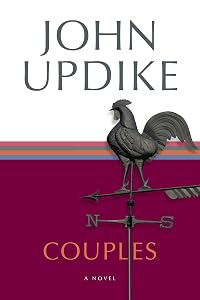
Regular readers will remember that I'm in the middle of a long-term literary project right now, to read all eleven novels making up Philip Roth's autobiographical "Zuckerman cycle" in order to better understand the Postmodernist Era they discuss, from its start (right around Kennedy's assassination) to its end (9/11); but since so many of at least the early novels in the series concern themselves so directly with Roth's first big mainstream hit, 1969's filthy and funny Portnoy's Complaint, I thought it would be instructive to read that as well, to show more better understand the way that Roth's life changed because of it. For those who don't know, after an early start as a traditional, academic-style Late Modernist writer who was getting published in The New Yorker in the early '60s, this hilarious look at the sexual dysfunctions inherent in the New York Jewish lifestyle, and its inherent clashes against the prevailing "let it all hang out" countercultural mood, was exactly what mainstream America needed at the exact moment they needed it, just like Woody Allen was providing in cinemas at the same time; and so not only was it a hit with the usual intellectual crowd, but it broke through to become a massive general hit, an eventual Hollywood film, and even a tittering codeword among the culture at large, right at the same time that his fellow young New Yorker author John Updike was doing the same thing with his saucy novel Couples (the very first mainstream book to discuss the topic of suburban wife-swapping, after obscenity laws in the US getting relaxed just a few years earlier).
And to be fair, this is still a dirty, dirty book, with it easy to understand why merely carrying a copy around back then was enough to signal to anyone else that you could "dig it," which much like Woody Allen takes the image of the nebbish, self-deprecatory Jewish city boy and almost accidentally turns it into a new type of nerdy sex symbol, as we follow poor Portnoy's adventures as first an onanistic teen and then a goy-obsessed young man, flailing about in the high-minded hippie atmosphere around him but still managing to have crazy sex on a regular basis anyway. And it's easy to see why so many older Jews got so upset by this book too; because not only does it lay out a lot of the quiet little dysfunctional moments of the Jewish community to a large Christian audience, a direct predecessor to Seinfeld that I've discussed in more depth in my Zuckerman write-ups, but indeed a lot of its humor derives explicitly from all the neurotic hangups that were created among Roth's generation by all their uptight, obsessed-with-appearances, Holocaust-surviving parents, making it not just a funny sex comedy but an astute look at the first generation of Jews to grow up after World War Two, and the clashes that occurred when they first came of age in the countercultural '60s, which I'm sure made it even more of a must-read among the young hipsters of the time. A great, moving, blush-inducing novel that still holds up really well to this day, read it to understand what was getting your parents all squirmy in the years that they were having you. show less
Regular readers will remember that I'm in the middle of a long-term literary project right now, to read all eleven novels making up Philip Roth's autobiographical "Zuckerman cycle" in order to better understand the Postmodernist Era they discuss, from its start (right around Kennedy's assassination) to its end (9/11); but since so many of at least the early novels in the series concern themselves so directly with Roth's first big mainstream hit, 1969's filthy and funny Portnoy's Complaint, I thought it would be instructive to read that as well, to show more better understand the way that Roth's life changed because of it. For those who don't know, after an early start as a traditional, academic-style Late Modernist writer who was getting published in The New Yorker in the early '60s, this hilarious look at the sexual dysfunctions inherent in the New York Jewish lifestyle, and its inherent clashes against the prevailing "let it all hang out" countercultural mood, was exactly what mainstream America needed at the exact moment they needed it, just like Woody Allen was providing in cinemas at the same time; and so not only was it a hit with the usual intellectual crowd, but it broke through to become a massive general hit, an eventual Hollywood film, and even a tittering codeword among the culture at large, right at the same time that his fellow young New Yorker author John Updike was doing the same thing with his saucy novel Couples (the very first mainstream book to discuss the topic of suburban wife-swapping, after obscenity laws in the US getting relaxed just a few years earlier).
And to be fair, this is still a dirty, dirty book, with it easy to understand why merely carrying a copy around back then was enough to signal to anyone else that you could "dig it," which much like Woody Allen takes the image of the nebbish, self-deprecatory Jewish city boy and almost accidentally turns it into a new type of nerdy sex symbol, as we follow poor Portnoy's adventures as first an onanistic teen and then a goy-obsessed young man, flailing about in the high-minded hippie atmosphere around him but still managing to have crazy sex on a regular basis anyway. And it's easy to see why so many older Jews got so upset by this book too; because not only does it lay out a lot of the quiet little dysfunctional moments of the Jewish community to a large Christian audience, a direct predecessor to Seinfeld that I've discussed in more depth in my Zuckerman write-ups, but indeed a lot of its humor derives explicitly from all the neurotic hangups that were created among Roth's generation by all their uptight, obsessed-with-appearances, Holocaust-surviving parents, making it not just a funny sex comedy but an astute look at the first generation of Jews to grow up after World War Two, and the clashes that occurred when they first came of age in the countercultural '60s, which I'm sure made it even more of a must-read among the young hipsters of the time. A great, moving, blush-inducing novel that still holds up really well to this day, read it to understand what was getting your parents all squirmy in the years that they were having you. show less
Members
- Recently Added By
Lists

1001 Books You Must Read Before You Die
1,448 works; 1,136 members

The Guardian's 1000 Novels Everyone Must Read
1,005 works; 551 members

New York Public Library's Books of the Century
120 works; 20 members
20th Century Literature
1,161 works; 55 members

Stream of Consciousness
87 works; 8 members

New York Public Library's Books of the Century - All
170 works; 14 members
Best Psychological Fiction
81 works; 16 members

Newsweek's Top 100 Books: The Meta-List
100 works; 18 members

Recommend the 20 best books you've read in the last five years
2,168 works; 607 members
Best Satire
188 works; 29 members

Jewish Books
367 works; 24 members
Harold Bloom - The Western Canon: D. The Chaotic Age
833 works; 24 members
1960s, Best books published therein
254 works; 22 members
Favourite Books
1,820 works; 309 members
Time Magazine's "All-Time 100"
113 works; 15 members

100 books to read in a lifetime
102 works; 37 members
Canon de la narrativa universal del siglo XX
254 works; 6 members

Unread books
1,063 works; 87 members

1960s
281 works; 16 members

Blue Pyramid 1,276 Best Books of All Time
1,248 works; 32 members
Time's All-Time 100 Novels
100 works; 27 members

Top Five Books of 2018
802 works; 265 members

Anthony Burgess 99 Post War Novels
99 works; 7 members
1,001 BYMRBYD Concensus
723 works; 27 members
Best of American Literature
146 works; 9 members

The Guardian's 100 Best Novels Written in English
105 works; 13 members

jewish themed novels
25 works; 5 members
Overdue Podcast
808 works; 9 members

Mad Men Reading List
25 works; 5 members

Publisher's Weekly Bestsellers - Part II - 1940 - 1979
355 works; 6 members

Erotic Fiction
53 works; 5 members

Books Set in New Jersey
22 works; 4 members

My Favourite Books
86 works; 5 members
American Lit for Eng 11 Research Project
368 works; 6 members
The Modern Library's 100 Best Novels: The Board's List
85 works; 6 members
Modern Library's 100 Best Novels
100 works; 2 members
.
396 works; 1 member

GREAT 1960s BOOKS
37 works; 1 member
My Mad Men Reading List
47 works; 1 member

Books Read in 2025
4,128 works; 98 members

.
194 works; 2 members

DigitalDreamDoor top 300
300 works; 4 members

Authors from the United States
245 works; 3 members
Canon de la narrativa universal del s. XX (cicutadry)
499 works; 3 members

BitLife
212 works; 4 members

The Atlantic's The Great American Novel
136 works; 12 members

Tonikat reading completed on Librarything journals
329 works; 2 members

Books Read in 2012
816 works; 34 members

Books Read in 2021
5,361 works; 114 members

Books by Jewish Authors
68 works; 5 members
Tablet Magazine's List of 101 Great Jewish Books
103 works; 9 members
Michael Dirda's 100 Best Comic Novels
100 works; 1 member

Best of World Literature
436 works; 52 members
Talk Discussions
Past Discussions
Group Read, November 2016: Portnoy's Complaint in 1001 Books to read before you die (November 2016)
Author Information

123+ Works 74,832 Members
Philip Milton Roth was born in Newark, New Jersey on March 19, 1933. He attended Rutgers University for one year before transferring to Bucknell University where he completed a B.A. in English with highest honors in 1954. He received an M.A. from the University of Chicago in 1955. His first book, Goodbye, Columbus, received the National Book Award show more in 1960. His other books include Letting Go, When She Was Good, Portnoy's Complaint, My Life as a Man, The Ghostwriter, Zuckerman Unbound, I Married a Communist, The Plot Against America, The Facts, The Anatomy Lesson, Exit Ghost, Deception, Nemesis, Everyman, Indignation, and The Humbling. He won the National Book Critic Circle Awards in 1987 for his novel The Counterlife and in 1992 for his memoir Patrimony: A True Story. He won the PEN/Faulkner Award for Fiction in 1993 for Operation Shylock: A Confession and in 2001 for The Human Stain, the National Book Award in 1995 for Sabbath's Theater, and the Pulitzer Prize in 1998 for American Pastoral. He stopped writing in 2010. He died from congestive heart failure on May 22, 2018 at the age of 85. (Bowker Author Biography) show less
Some Editions
Awards and Honors
Distinctions
Notable Lists
The Great American Novels (1969)
Series
Belongs to Publisher Series
Work Relationships
Is contained in
Has the adaptation
Is abridged in
Has as a commentary on the text
Has as a student's study guide
Common Knowledge
- Canonical title*
- Portnoy's klacht
- Original title
- Portnoy's Complaint
- Alternate titles*
- Portnoys Beschwerden
- Original publication date
- 1969
- People/Characters
- Alexander Portnoy; Dr. Spielvogel; Mary Jane Reed / The Monkey; Kay Campbell / The Pumpkin; Sarah Abbott Maulsby / The Pilgrim; Sophie Portnoy (show all 11); Jack Portnoy; Naomi; Bubbles Girardi; Hannah Portnoy; Melvin Weiner
- Important places
- New York, New York, USA; Newark, New Jersey, USA
- Important events
- masturbation
- Related movies
- Portnoy's Complaint (1972 | IMDb)
- First words
- She was so deeply imbedded in my consciousness that for the first year of school I seemed to have believed that each of my teachers was my mother in disguise.
- Last words*
- (Click to show. Warning: May contain spoilers.)Now vee may perhaps to begin. Yes?
- Original language
- English
*Some information comes from Common Knowledge in other languages. Click "Edit" for more information.
Classifications
Statistics
- Members
- 8,047
- Popularity
- 1,398
- Reviews
- 161
- Rating
- (3.60)
- Languages
- 18 — Catalan, Czech, Danish, Dutch, English, Estonian, Finnish, French, German, Hungarian, Italian, Norwegian (Bokmål), Polish, Portuguese, Russian, Spanish, Swedish, Turkish
- Media
- Paper, Audiobook, Ebook
- ISBNs
- 111
- UPCs
- 1
- ASINs
- 78