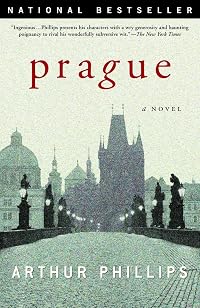
Prague
by Arthur Phillips 
On This Page
Description
Fiction. Literature. Historical Fiction. HTML:BONUS: This edition contains excerpts from Arthur Phillips's The Tragedy of Arthur, The Song Is You, The Egyptologist, and Angelica.A first novel of startling scope and ambition, Prague depicts an intentionally lost Lost Generation as it follows five American expats who come to Budapest in the early 1990s to seek their fortune—financial, romantic, and spiritual—in an exotic city newly opened to the West. They harbor the vague suspicion that show more their counterparts in Prague, where the atmospheric decay of post–Cold War Europe is even more cinematically perfect, have it better. Still, they hope to find adventure, inspiration, a gold rush, or history in the making. What they actually find is a deceptively beautiful place that they often fail to understand. What does it mean to fret about your fledgling career when the man across the table was tortured by two different regimes? How does your short, uneventful life compare to the... show less
Tags
Recommendations

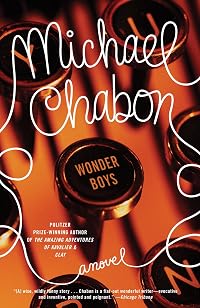

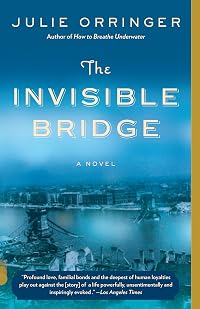
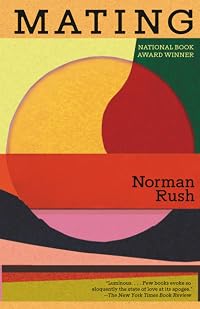
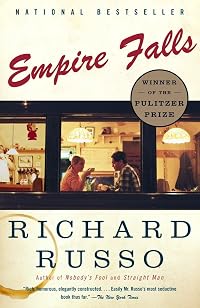

Member Recommendations
Member Reviews
Prague is a novel about sincerity and the lack of it in personal and historical nostalgia. Phillips develops his characters artfully to illustrate deception in their dealings with each other and with key players in post cold war Budapest. The problem the expatriates have in the old city is the suspicion that their insight into emotions and behavior is insincere. They have lived personal fictions for so much of their young adult lives that self deception causes them to miss the reality of current events. This leads them to underestimate the local residents and humiliate themselves in the presence of the Magyar. Cynicism and irony become parameters of the characters’ existence and all they can look forward to are rueful reminiscences of show more their short time in Budapest. This nostalgia may take the form of the phony surrealism of the borderline personality photographer Nicky creating superficially shocking collages, or the true surrealism of emotionally surprising and haunting oral myths created by Nadja the ancient piano player in a run down jazz club. The decision is up to the reader in this very good first novel. show less
Minél kisebb egy ország, annál nagyobb az öröm, ha foglalkoznak vele. "Nézd, az ott a Ferenczy utca, nem?" - böködjük egymás a legújabb Marvel mozi közben. "A tádzsik elnök megint a mi miniszterelnökünkre hivatkozott" - fut át rajtunk az édes borzongás a hírösszefoglalót hallgatva. Boldogok vagyunk, mert felkerültünk a világtérképre. Ha azért, mert szidnak, kit érdekel. A negatív reklám is reklám.
Phillips könyve pedig aztán tényleg velünk foglalkozik. Illetve dehogy: velünk foglalkozik a legkevésbé. Főszereplői ugyanis olyan angolszászok, akik a rendszerváltás utáni zűrzavarban érkeznek Budapestre, hogy megcsinálják a maguk szerencséjét. Aranyásók. A kalandvágy hozta ide őket, no show more meg az, hogy egy ügyes üzletember számára ez szűzföld, ahol pár üveggyöngyért meg színes kendőért komplett gyártelepeket lehet vásárolni a bennszülöttektől. És igen, ebben az egyenletben mi, magyarok, bennszülöttek vagyunk. Indiánok, akik maximum statisztaként szerepelhetnek az angol nyelvű kolónia perifériáján. Mi vagyunk a vicces beszédű* járókelők, az egzotikus háttér, ami előtt a cselekmény zajlik.
Nem különösebben hízelgő megközelítés, de szerintem izgalmas. Mert szigorúan véve talán nem igaz, hogy 1990-ben a magyarok ünneplőbe öltözve, hosszú sorokban állva várták, hogy megnyisson a McDonald's a Váci utcában. De az ezzel együtt lehet igaz, hogy egy amerikai így látott minket: faragatlan, naiv, szegény barbároknak, akik most találkoznak először a kapitalizmus nevű képződménnyel, szagolgatják, forgatják jobbra-balra, és azon gondolkodnak, ehető-e egyáltalán. Ez persze nem biztos, hogy rólunk árul el sokat, lehet, inkább az ide érkező nyugatiak előítéleteiről, de ettől még nem kevésbé érdekes.
Ennek a nagyregénynek a kétségtelen erénye (a fentieken túl), hogy Phillips imád írni. Élvezi a mesélést, ami igencsak kompatibilis az angolszász epika azon tulajdonságával, hogy szeret szertekígyózó anekdotákba és cselekményszálakba bonyolódni. Ugyanakkor a jobb nagyepika a látszólagos széttartó szerkezet és ráérős történetvezetés ellenére valójában egy fegyelmezett műfaj, ami pontosan tudja, hová tart, hol az a pont, ahol a szálak végül találkoznak. Ilyen értelemben pedig a Prágát nem tudom nyugodt lelkiismerettel a "jobb" epikus regények közé sorolni, mert végig azt éreztem, Phillipsnek nincs határozott koncepciója arról, mit is akar kezdeni az anyaggal. Csak úgy viszi a lendület, belekap ebbe is, abba is, ha támad egy jó ötlete, kiírja magából, de bizonytalan vagyok, hogy haladunk-e egyáltalán valahová. Ez persze - legyek jóindulatú - tulajdonképpen kompatibilis a mű általános hangulatával, a szereplők lelkiállapotával, ami a "sodródás" szóval írható körül. Hogy ők se tudják igazából, mit akarnak, hová szeretnének eljutni** - logikus tehát, hogy az író is csak sodródik velük.
Ja, igen, a szereplők. Velük is van gondom. Phillips történetmesélői kvalitásai arra is alkalmasak, hogy színes figurákat teremtsen, ám a koncepciótlanság itt is kikukucskál a sorok közül, leginkább pont központi szereplőjénél, Johnnál. Akit a szerző (szvsz) nem tudott koherens egyéniségként papírra tenni, végig sajátosan lekerekítetlen, önellentmondásokkal terhes alak maradt. Kósza hipotézis részemről, de azért elmondom: szerintem pont azért, mert Johnban tükröződik vissza leginkább maga az író személye, viszont önmagunkat sosem tudjuk olyan koherensen megrajzolni, mint a fiktív szereplőket.
Mindent összevetve azért egyszer sem volt olyan gondolatom, hogy olvashatnék mást is. Hatott rám Phillips mesélő kedve: hiába éreztem gyakran, hogy ezt lehetett volna jobban is, feszesebben is, azért csak mentem vele, mert az ösvény, amin mentünk, soha nem untatott.
* Fordítói szempontból amúgy kihívás lehetett ez a kötet: egy olyan szöveget kellett magyarítani, ahol a figurák hol a magyart törik, hol az angolt, és az olvasóval érzékeltetni kell, éppen melyiket.
** Itt ragadnám meg az alkalmat, hogy elmondjam, miért Prága a könyv címe, mikor egy percet sem töltenek benne Prágában. A sodródás miatt. Mert ezek az amcsik, akik itt üldögélnek a Gerbeaud teraszán, valójában nem is itt akarnak üldögélni, hanem Prágában, mert állítólag ott zajlik igazán az élet. Persze lehet, ha a regény Prágában játszódna, akkor a címe meg Budapest lenne, ugyanezen okból. show less
Phillips könyve pedig aztán tényleg velünk foglalkozik. Illetve dehogy: velünk foglalkozik a legkevésbé. Főszereplői ugyanis olyan angolszászok, akik a rendszerváltás utáni zűrzavarban érkeznek Budapestre, hogy megcsinálják a maguk szerencséjét. Aranyásók. A kalandvágy hozta ide őket, no show more meg az, hogy egy ügyes üzletember számára ez szűzföld, ahol pár üveggyöngyért meg színes kendőért komplett gyártelepeket lehet vásárolni a bennszülöttektől. És igen, ebben az egyenletben mi, magyarok, bennszülöttek vagyunk. Indiánok, akik maximum statisztaként szerepelhetnek az angol nyelvű kolónia perifériáján. Mi vagyunk a vicces beszédű* járókelők, az egzotikus háttér, ami előtt a cselekmény zajlik.
Nem különösebben hízelgő megközelítés, de szerintem izgalmas. Mert szigorúan véve talán nem igaz, hogy 1990-ben a magyarok ünneplőbe öltözve, hosszú sorokban állva várták, hogy megnyisson a McDonald's a Váci utcában. De az ezzel együtt lehet igaz, hogy egy amerikai így látott minket: faragatlan, naiv, szegény barbároknak, akik most találkoznak először a kapitalizmus nevű képződménnyel, szagolgatják, forgatják jobbra-balra, és azon gondolkodnak, ehető-e egyáltalán. Ez persze nem biztos, hogy rólunk árul el sokat, lehet, inkább az ide érkező nyugatiak előítéleteiről, de ettől még nem kevésbé érdekes.
Ennek a nagyregénynek a kétségtelen erénye (a fentieken túl), hogy Phillips imád írni. Élvezi a mesélést, ami igencsak kompatibilis az angolszász epika azon tulajdonságával, hogy szeret szertekígyózó anekdotákba és cselekményszálakba bonyolódni. Ugyanakkor a jobb nagyepika a látszólagos széttartó szerkezet és ráérős történetvezetés ellenére valójában egy fegyelmezett műfaj, ami pontosan tudja, hová tart, hol az a pont, ahol a szálak végül találkoznak. Ilyen értelemben pedig a Prágát nem tudom nyugodt lelkiismerettel a "jobb" epikus regények közé sorolni, mert végig azt éreztem, Phillipsnek nincs határozott koncepciója arról, mit is akar kezdeni az anyaggal. Csak úgy viszi a lendület, belekap ebbe is, abba is, ha támad egy jó ötlete, kiírja magából, de bizonytalan vagyok, hogy haladunk-e egyáltalán valahová. Ez persze - legyek jóindulatú - tulajdonképpen kompatibilis a mű általános hangulatával, a szereplők lelkiállapotával, ami a "sodródás" szóval írható körül. Hogy ők se tudják igazából, mit akarnak, hová szeretnének eljutni** - logikus tehát, hogy az író is csak sodródik velük.
Ja, igen, a szereplők. Velük is van gondom. Phillips történetmesélői kvalitásai arra is alkalmasak, hogy színes figurákat teremtsen, ám a koncepciótlanság itt is kikukucskál a sorok közül, leginkább pont központi szereplőjénél, Johnnál. Akit a szerző (szvsz) nem tudott koherens egyéniségként papírra tenni, végig sajátosan lekerekítetlen, önellentmondásokkal terhes alak maradt. Kósza hipotézis részemről, de azért elmondom: szerintem pont azért, mert Johnban tükröződik vissza leginkább maga az író személye, viszont önmagunkat sosem tudjuk olyan koherensen megrajzolni, mint a fiktív szereplőket.
Mindent összevetve azért egyszer sem volt olyan gondolatom, hogy olvashatnék mást is. Hatott rám Phillips mesélő kedve: hiába éreztem gyakran, hogy ezt lehetett volna jobban is, feszesebben is, azért csak mentem vele, mert az ösvény, amin mentünk, soha nem untatott.
* Fordítói szempontból amúgy kihívás lehetett ez a kötet: egy olyan szöveget kellett magyarítani, ahol a figurák hol a magyart törik, hol az angolt, és az olvasóval érzékeltetni kell, éppen melyiket.
** Itt ragadnám meg az alkalmat, hogy elmondjam, miért Prága a könyv címe, mikor egy percet sem töltenek benne Prágában. A sodródás miatt. Mert ezek az amcsik, akik itt üldögélnek a Gerbeaud teraszán, valójában nem is itt akarnak üldögélni, hanem Prágában, mert állítólag ott zajlik igazán az élet. Persze lehet, ha a regény Prágában játszódna, akkor a címe meg Budapest lenne, ugyanezen okból. show less
This novel perfectly captures youth on the precipice of adulthood, full of earnest yearning, eternal questions, irony and a creeping cynicism and even dread that that moment, right then, is about as good as it gets. It's about a group of American expats hanging out in Eastern Europe, Budapest to be exact, where they all yearn for Prague, the epitome of cool, told in thick stylish ironic prose that I enjoyed, laughed at, and occasionally envied. Having been an expat myself at about the same point in my youth, I immediately recognized these characters, and by the end, I knew them nearly as well as their real-life counterparts.
This is a serious book. It forces the reader to read carefully and analyze what life is like in a foreign country undergoing transition from repression to freedom. It shows how Americans look to the rest of the world through the lives of five Generation-X expatriates who treat their adopted country with derision and play games with the truth.
Through Phillips' artful writing, I became aware of a city in recovery filled with jazz clubs and coffee shops where the Hungarians were annoyed by the foreigners working in Budapest and the expats were equally annoyed by the tourists. I'd never thought much about Hungary before reading this book, but ended up admiring how the people bore up under the tyranny of Communism. Phillips reveals the past show more through the family history of the Horvath Publishing Company from 1808 until the time in 1990 when Imre Horvath enters the story lending a touch of integrity. He was a welcome contrast to the expats who were full of the self-absorbed ignorance of youth. They began to believe the invented stories they told each other until they simply tired of one another and sought truth and meaning for their lives as they went their separate ways.
This book is full of hypocrisy and irony that begins with the title. I felt slightly cheated by the bait-and-switch ploy. Prague is the city on a hill while Budapest is reality. Just as the quintet of main characters try so hard to be cosmopolitan and end up looking like imposters, Prague remains an idealized longing, while Budapest proves to be a place of substance. Even though we never get to Prague in the book, I'm glad I learned this lesson from Budapest..."It's all a game and the winners are those who can tell serious from not." (Pg. 366) This is a promising first book from a winning author, and I'll eagerly read the three other books he has published since this 2002 debut. show less
Through Phillips' artful writing, I became aware of a city in recovery filled with jazz clubs and coffee shops where the Hungarians were annoyed by the foreigners working in Budapest and the expats were equally annoyed by the tourists. I'd never thought much about Hungary before reading this book, but ended up admiring how the people bore up under the tyranny of Communism. Phillips reveals the past show more through the family history of the Horvath Publishing Company from 1808 until the time in 1990 when Imre Horvath enters the story lending a touch of integrity. He was a welcome contrast to the expats who were full of the self-absorbed ignorance of youth. They began to believe the invented stories they told each other until they simply tired of one another and sought truth and meaning for their lives as they went their separate ways.
This book is full of hypocrisy and irony that begins with the title. I felt slightly cheated by the bait-and-switch ploy. Prague is the city on a hill while Budapest is reality. Just as the quintet of main characters try so hard to be cosmopolitan and end up looking like imposters, Prague remains an idealized longing, while Budapest proves to be a place of substance. Even though we never get to Prague in the book, I'm glad I learned this lesson from Budapest..."It's all a game and the winners are those who can tell serious from not." (Pg. 366) This is a promising first book from a winning author, and I'll eagerly read the three other books he has published since this 2002 debut. show less
My reaction to this book is very complicated. My first thought, my first feeling, was oh, how we hated these men in Prague, with their gold cards and their expat cafes and their ivy league theories and their inability to learn anything but pickup lines. But then, the author doesn't treat them with undue forgiveness, and I'm embarrassingly reminded I might want some of that forgiveness myself... And there are the one or two things that awaken my nostalgia, and then the quite interesting monologue about nostalgia... but then again, some rather unresolved character arcs, and a general rephrasing of life is elsewhere, with actual reference to Life is Elsewhere... oh, I don't know, it's complicated.
It’s 1990 in Budapest, Hungary. In the opening scene four young American ex-patriots and one Canadian, sit in a local cafe playing a mind game called “Sincerity”. They each have different reasons for being in Hungary (jobs and scholastic studies), but generally their entire lives are a game; a search for adventure, an opportunity to explore, get rich, an escape from the mundane routines at home, a random curiosity..... as opposed to the deliberate choice of traveling to a renowned “hot-spot” destination like Prague.
Arthur Phillips cleverly juxtaposes these spoiled young adults with the local Hungarians... and it provides a stark contrast indeed.
The local Magyars, after centuries of suffering and repression under communist show more rule, are learning to adapt to their newly earned freedom; capitalism, entrepreneurial opportunities, and a chance to reclaim their heritage. I don’t know if it was Nadja (the exotic elderly piano player at the local jazz bar) or the tormented Imre Horvath (who has recently returned to Hungary after thirty years of exile with the hopes of reclaiming the family’s legendary publishing company) but one of them - in a moment of frustration, refers to America as a “country of children”.
By the way, both Nadja and Imre are wonderful characters.
Sadly, none of American ex-patriots, nor the Canadian, are very likable. They’re self absorbed, shallow, pretentious, ignorant, rude, and insensitive. Featured in their own country's environment as post-college players, they may have seemed relatively normal, but set against the Hungarian background they were truly the “Ugly Americans”. And the one and only Polish character is a baldheaded, “ugly”, bi-sexual, mentally disturbed, wanna-be artist. Most of the female characters were just ludicrous... phony opportunists and sex maniacs with violent tempers, a lack of scruples, and no morals. Arthur Phillips doesn’t speak well of females in general, but perhaps these particular male characters were incapable of attracting normal women. They frequently repeated the smug proverb, “they say the best place to learn a language is in bed.” (Pg. 56...and many other pages thereafter).
"Prague" offers colorful descriptions of the tired ancient city of Budapest, authentic atmosphere, and lovely Hungarian characters. Phillips is a talented writer and It could have been a 5-Star book but for the excessive emphasis on the slovenly Polish artist and her articulately described perverted artwork. She and her “loosely termed” artwork were repulsive and nauseating. She added nothing to this particular story but to make the other characters look like idiots. She seemed to belong to a different book.... of a different plot... perhaps a tawdry pulp fiction novella at a different location. I don’t blame her for hiding out in a backwater like Budapest, but she would have better served the reader had she been far away.... perhaps in Prague. show less
Arthur Phillips cleverly juxtaposes these spoiled young adults with the local Hungarians... and it provides a stark contrast indeed.
The local Magyars, after centuries of suffering and repression under communist show more rule, are learning to adapt to their newly earned freedom; capitalism, entrepreneurial opportunities, and a chance to reclaim their heritage. I don’t know if it was Nadja (the exotic elderly piano player at the local jazz bar) or the tormented Imre Horvath (who has recently returned to Hungary after thirty years of exile with the hopes of reclaiming the family’s legendary publishing company) but one of them - in a moment of frustration, refers to America as a “country of children”.
By the way, both Nadja and Imre are wonderful characters.
Sadly, none of American ex-patriots, nor the Canadian, are very likable. They’re self absorbed, shallow, pretentious, ignorant, rude, and insensitive. Featured in their own country's environment as post-college players, they may have seemed relatively normal, but set against the Hungarian background they were truly the “Ugly Americans”. And the one and only Polish character is a baldheaded, “ugly”, bi-sexual, mentally disturbed, wanna-be artist. Most of the female characters were just ludicrous... phony opportunists and sex maniacs with violent tempers, a lack of scruples, and no morals. Arthur Phillips doesn’t speak well of females in general, but perhaps these particular male characters were incapable of attracting normal women. They frequently repeated the smug proverb, “they say the best place to learn a language is in bed.” (Pg. 56...and many other pages thereafter).
"Prague" offers colorful descriptions of the tired ancient city of Budapest, authentic atmosphere, and lovely Hungarian characters. Phillips is a talented writer and It could have been a 5-Star book but for the excessive emphasis on the slovenly Polish artist and her articulately described perverted artwork. She and her “loosely termed” artwork were repulsive and nauseating. She added nothing to this particular story but to make the other characters look like idiots. She seemed to belong to a different book.... of a different plot... perhaps a tawdry pulp fiction novella at a different location. I don’t blame her for hiding out in a backwater like Budapest, but she would have better served the reader had she been far away.... perhaps in Prague. show less
First, this book is certainly something that is well-written and thought through. People compare it to Joyce and although I might not go that far, it is definitely worth the time. Second, I think it is so well written I will be writing my Senior thesis (UG) on this book over the course of the next academic year. Needless to say, this is not a beach read. It makes you think.
Just having come back from studying in France for a year this book really made me reflect on my own experiences and those of the characters. I agree with some of the other reviewers who say the characters are "self-involved" (although not apply this notion to all expats because that's a really overly broad generalization). These characters are caught up their personal show more histories tangled with the history of the city in which they live. The connection Phillips makes between the two is the focus of my thesis--there is a lot of "meat" to this book.
The beginning scene of the game is a very witty introduction to the characters where it sets a tone for what will follow--how much can we trust the characters? Where is the line between a truth and a lie? And how does memory and nostaglia affect this line? Why do we desire to be somewhere else, always glancing over to greener grass? Those are just a few of the questions that Phillips raises to the reader.
About midway or so into the book, there is a seemingly annoying tangent about a publishing company and the family involved in it. At times it seems pointless but once you get through that part, Phillips brings the narrative together into a cohesive and thoughtful finish. I personally had no trouble getting through this part as I found it quite interesting to hear the fictional history about the industry in which I work. If you find yourself struggling through this part, continue through. It is worth it.
Overall, I would highly recommend this book (accompanied with a nice big glass of red wine). show less
Just having come back from studying in France for a year this book really made me reflect on my own experiences and those of the characters. I agree with some of the other reviewers who say the characters are "self-involved" (although not apply this notion to all expats because that's a really overly broad generalization). These characters are caught up their personal show more histories tangled with the history of the city in which they live. The connection Phillips makes between the two is the focus of my thesis--there is a lot of "meat" to this book.
The beginning scene of the game is a very witty introduction to the characters where it sets a tone for what will follow--how much can we trust the characters? Where is the line between a truth and a lie? And how does memory and nostaglia affect this line? Why do we desire to be somewhere else, always glancing over to greener grass? Those are just a few of the questions that Phillips raises to the reader.
About midway or so into the book, there is a seemingly annoying tangent about a publishing company and the family involved in it. At times it seems pointless but once you get through that part, Phillips brings the narrative together into a cohesive and thoughtful finish. I personally had no trouble getting through this part as I found it quite interesting to hear the fictional history about the industry in which I work. If you find yourself struggling through this part, continue through. It is worth it.
Overall, I would highly recommend this book (accompanied with a nice big glass of red wine). show less
Members
- Recently Added By
Lists

Biggest Disappointments
606 works; 163 members

Authors from the United States
245 works; 3 members
Author Information

6+ Works 5,244 Members
Arthur Phillips was born in Minneapolis and educated at Harvard. He has been a child actor, a jazz musician, a speechwriter, a failed entrepreneur and a five-time Jeopardy champion. He lived in Budapest from 1990 to 1992 and now lives in Paris with his wife and son. (Publisher Fact Sheets)
Arthur Phillips is a LibraryThing Author, an author who lists their personal library on LibraryThing.
Awards and Honors
Common Knowledge
- Canonical title
- Prague
- Original title
- Prague
- Original publication date
- 2002
- People/Characters
- John Price; Charles Gabor; Scott Price; Emily Oliver; Mark Payton; Imre Horvath
- Important places
- Budapest, Hungary; Prague, Czech Republic; Hungary
- Dedication
- For Jan, of course
- Blurbers
- Conroy, Pat; Kennedy, Pagan; Lopate, Phillip
Classifications
Statistics
- Members
- 1,533
- Popularity
- 15,059
- Reviews
- 28
- Rating
- (3.19)
- Languages
- 9 — Czech, Dutch, English, German, Hungarian, Italian, Polish, Portuguese, Russian
- Media
- Paper, Audiobook, Ebook
- ISBNs
- 22
- UPCs
- 1
- ASINs
- 7