Transit
by Hella S. Haasse
On This Page
Description
Uitgave ter gelegenheid van de boekenweek 1994.Tags
Recommendations


Member Reviews
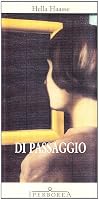
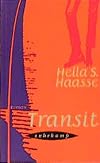
The cover art of this one immediately made me think of Sandrine Bonnaire in Agnes Varda's 1985 film Sans toit ni loi (Vagabond), and indeed there seem to be a lot of parallels between these two snapshots from the lives of teenage girls estranged from society and living rough. But maybe only at an obvious, superficial level: Varda starts with a defined ending and works backwards, whilst Haasse takes care to fill in a past for her character Xenia ("Iks"), but to leave the future undefined.
Xenia has returned to Amsterdam, homeless and penniless, after a year or so of travelling around Europe doing odd jobs where she can. She wants to resume contact with the two friends she left behind after their grand project to travel the world was show more broken off in acrimony, but Daan seems to have turned into a broken and uncommunicative junkie, whilst Alma has disappeared — apparently into sex-work. Whilst she attempts to pick up the pieces, she finds temporary shelter with an elderly philosopher who has withdrawn from the world in disgust after his experiences in Paris in 1968. And, inevitably, they use the opportunity to share their experiences of the many things that are wrong with the (modern) world.
Haasse has written a lot of short fiction in her time, and clearly knows how to handle the form: this somehow feels like a much more substantial book than it actually is, as though there were hundreds of extra pages that had been written and then deleted because they weren't really necessary. Very impressive, and moving. show less
Xenia has returned to Amsterdam, homeless and penniless, after a year or so of travelling around Europe doing odd jobs where she can. She wants to resume contact with the two friends she left behind after their grand project to travel the world was show more broken off in acrimony, but Daan seems to have turned into a broken and uncommunicative junkie, whilst Alma has disappeared — apparently into sex-work. Whilst she attempts to pick up the pieces, she finds temporary shelter with an elderly philosopher who has withdrawn from the world in disgust after his experiences in Paris in 1968. And, inevitably, they use the opportunity to share their experiences of the many things that are wrong with the (modern) world.
Haasse has written a lot of short fiction in her time, and clearly knows how to handle the form: this somehow feels like a much more substantial book than it actually is, as though there were hundreds of extra pages that had been written and then deleted because they weren't really necessary. Very impressive, and moving. show less
Hella S. Haasse (1918–2011) was the grand old lady of Dutch letters. Although for many years, literary critics ignored her work, which they characterized as belletristic, and therefore less literary, Haasse had no trouble finding readers for her work. In fact, her work was translated and read in other languages long before that of the critics' favourites, and in more than 60 years of her active live as an author Hella S. Haasse was able to entice various generations of readership. Unlike any other Dutch author, she was selected thrice to write the Boekenweekgeschenk a complimentary publication of approximately 96 pages, presented to book buyers during the annual "Week of the Book" in March, a Dutch tradition since 1930. Haasse wrote show more Oeroeg in 1948 (her literary debut), Dat weet ik zelf niet, an essay, in 1959, and Transit in 1994.
The strength of Haasse's work is probably that she can go with the time, while writing from a contemplative, melancholic mood, while touching on themes which are central to the Dutch imagination and culture. Haasse has written several historical novels, many of which set in the former Dutch Indies (now Indonesia), where she was born. Oeroeg (filmed in 1993) is about the Dutch Colonial war in which friends who grew up together, Dutch and Indonesian, find each other on opposite sides in the Indonesian war of Independence.
The short novel Transit is about a different conflict, namely that of generations. Arnold Cluysman, the name suggests a life of solitude, kluizenaar, related to English "cloister", is a demented old man, who is piecing together his life and intellectual legacy. Fragments of his writing suggest he belongs to the generation that rebelled in the late 1960s, striving for new ideals in 1968 in Paris, which became known in Dutch culture as "De verbeelding aan de macht", by the Dutch journalist Bob Groen. It reflects the ideal of the hippies that society can be reshaped in any possible way, that reality follows the imagination. By portraying Cluysman as a decrepit old man, Haasse shows how far and forgotten the ideals of the 1960s and 70s now are. In the early 1990s, Haasse was early to see where things are going. The idealism of the young generation, to drop out from school, to go to Paris, has brought ruin. Her school friend Daan, a junky, left on the street to freeze to death, her other school friend, Alma, who cannot be found, rumoured to be a prostitute. The novel follows Iks Westervliet, her life, upon her return to Amsterdam: no friends, no money, no job, no future, not welcome. The only jobs she can get are taking care of old people (Dutch: Thuiszorg) and garbage collector, the worst. That is the life of Iks, which can alternatively be spelled as "X" and her generation. Generation X.
Transit is a very bleak novella, which is also a time document. The most optimistic part is perhaps the title, which suggests that nothing remains the same. Generation X may be in transit on the way to a (better) future. As the heydays of Cluysman's generation were forgotten in just under 25 years, likewise, hopefully, Generation X may find itself better situated 25 years on. show less
The strength of Haasse's work is probably that she can go with the time, while writing from a contemplative, melancholic mood, while touching on themes which are central to the Dutch imagination and culture. Haasse has written several historical novels, many of which set in the former Dutch Indies (now Indonesia), where she was born. Oeroeg (filmed in 1993) is about the Dutch Colonial war in which friends who grew up together, Dutch and Indonesian, find each other on opposite sides in the Indonesian war of Independence.
The short novel Transit is about a different conflict, namely that of generations. Arnold Cluysman, the name suggests a life of solitude, kluizenaar, related to English "cloister", is a demented old man, who is piecing together his life and intellectual legacy. Fragments of his writing suggest he belongs to the generation that rebelled in the late 1960s, striving for new ideals in 1968 in Paris, which became known in Dutch culture as "De verbeelding aan de macht", by the Dutch journalist Bob Groen. It reflects the ideal of the hippies that society can be reshaped in any possible way, that reality follows the imagination. By portraying Cluysman as a decrepit old man, Haasse shows how far and forgotten the ideals of the 1960s and 70s now are. In the early 1990s, Haasse was early to see where things are going. The idealism of the young generation, to drop out from school, to go to Paris, has brought ruin. Her school friend Daan, a junky, left on the street to freeze to death, her other school friend, Alma, who cannot be found, rumoured to be a prostitute. The novel follows Iks Westervliet, her life, upon her return to Amsterdam: no friends, no money, no job, no future, not welcome. The only jobs she can get are taking care of old people (Dutch: Thuiszorg) and garbage collector, the worst. That is the life of Iks, which can alternatively be spelled as "X" and her generation. Generation X.
Transit is a very bleak novella, which is also a time document. The most optimistic part is perhaps the title, which suggests that nothing remains the same. Generation X may be in transit on the way to a (better) future. As the heydays of Cluysman's generation were forgotten in just under 25 years, likewise, hopefully, Generation X may find itself better situated 25 years on. show less
I read this book a long time ago. Frankly speaking, I do not really remember what it is about. It hasn't impressed me very much.
So when another copy of this book came along in a book box from Moem, I made it available for BookCrossing as well as BookMooch.
And, guess what? It'll go on a journey to England... Who would have thought that!
So when another copy of this book came along in a book box from Moem, I made it available for BookCrossing as well as BookMooch.
And, guess what? It'll go on a journey to England... Who would have thought that!
Uitgeleend aan Denisa Filip op 18 nov 2022
Volgens mij staat het boek al een kwart eeuw bij mij in de kast, maar op de een of andere manier is het ook op mijn E-reader beland. En daar kwam ik het in de zomer tegen, toen ik op zoek was naar een dun boekje voor tussendoor. En toen las ik dus wel wat ik al die jaren genegeerd had.
Iks komt aan op het station en weet niet waar ze naar toe kan. En, toeval wil, ze belandt in een huis van een oude man, wiens hulp niet meer de hulp wil zijn. Dus voor kost en inwoning wil ze wel wat klusjes doen. In de tussentijd gaat ze op zoek naar vrienden die ze is kwijt geraakt, maar die zelf de weg ook zijn kwijt geraakt.
Mooie gesprekken, prachtige gedachtekronkels, het tweetal verschilt veel, maar lijkt stiekem ook wel weer wel op elkaar. Maar de show more situatie is natuurlijk niet houdbaar. Want er zijn altijd anderen die het nieuwe status quo willen doorbreken.
In mijn beleving had het boek nog wel veel langer door mogen gaan, er had volgens mij wel een roman in gezeten, ipv deze novelle. Ik had wel willen lezen hoe het verder gaat met Iks, met Cluysmans. Maar goed, nu was ik er vrij snel doorheen, weer een nieuwe keuze te maken. Next.
Citaat: “Maar angst en hoop zijn even zinloos wanneer mutatie afhankelijk is van een onvoorspelbare volstrekt toevallige, misschien maar minieme, wijziging in onze genen, die zich ten enenmale onttrekt aan ons begrip, onze wil, onze beste voornemens. We zijn machteloos. Dat is een verschrikkelijke gedachte” (p.46) show less
Iks komt aan op het station en weet niet waar ze naar toe kan. En, toeval wil, ze belandt in een huis van een oude man, wiens hulp niet meer de hulp wil zijn. Dus voor kost en inwoning wil ze wel wat klusjes doen. In de tussentijd gaat ze op zoek naar vrienden die ze is kwijt geraakt, maar die zelf de weg ook zijn kwijt geraakt.
Mooie gesprekken, prachtige gedachtekronkels, het tweetal verschilt veel, maar lijkt stiekem ook wel weer wel op elkaar. Maar de show more situatie is natuurlijk niet houdbaar. Want er zijn altijd anderen die het nieuwe status quo willen doorbreken.
In mijn beleving had het boek nog wel veel langer door mogen gaan, er had volgens mij wel een roman in gezeten, ipv deze novelle. Ik had wel willen lezen hoe het verder gaat met Iks, met Cluysmans. Maar goed, nu was ik er vrij snel doorheen, weer een nieuwe keuze te maken. Next.
Citaat: “Maar angst en hoop zijn even zinloos wanneer mutatie afhankelijk is van een onvoorspelbare volstrekt toevallige, misschien maar minieme, wijziging in onze genen, die zich ten enenmale onttrekt aan ons begrip, onze wil, onze beste voornemens. We zijn machteloos. Dat is een verschrikkelijke gedachte” (p.46) show less
Mar 1, 2024Dutch
"Heel haar aardse bezit zat samengeperst in een klein model
rugzak.Ze had juist haar gezicht gewassen en haar tanden
gepoetst in de wc op het eerste perron. In de nissen, gevormd door de muur van het hoofdgebouw en de uitspringende metalen ribben van de overkapping, zaten en lagen een paar, meest jonge, reizigers te wachten op vroege internationale treinen. Ook zij had geld noch onderdak. Ze was niet meer op reis, maar evenmin thuisgekomen. Ze woonde nergens."
rugzak.Ze had juist haar gezicht gewassen en haar tanden
gepoetst in de wc op het eerste perron. In de nissen, gevormd door de muur van het hoofdgebouw en de uitspringende metalen ribben van de overkapping, zaten en lagen een paar, meest jonge, reizigers te wachten op vroege internationale treinen. Ook zij had geld noch onderdak. Ze was niet meer op reis, maar evenmin thuisgekomen. Ze woonde nergens."
Mar 12, 2008Dutch
Boekenweekgeschenk 1994. De jonge Xenia komt na een lange reis door Europa aan in Amsterdam. Ze wil haar vrienden Daan en Alma opzoeken. Daan blijkt nu op straat te leven en Alma is spoorloos. Tijdens de speurtocht naar Alma ontmoet Xenia een oudere man met wie zij een korte relatie krijgt.
Sep 30, 2009Dutch
Members
- Recently Added By
Lists

Books Read in 2018
4,360 works; 110 members
Author Information

92+ Works 6,337 Members
Hella Haasse was born in Batavia, the capital of what was then Dutch East India, now independent Indonesia. It is thus understandable why her first novel, Oeroeg (1948), describes the relationship between a Dutch and an Indonesian youth. As the two young men grow up, they gradually become conscious of their ethnic and cultural differences and, in show more spite of their efforts, nature appears to have destined them to become estranged from each other. Haasse's greatest impact on the Dutch literary scene occurred when her historical novel Het woud der verwachting (In a Dark Wood Wandering) (1948) was published. It was translated into English in 1989. This novel became a classic in its own time. In it the author describes the ever-increasing loneliness of the fifteenth-century Romantic poet--prince Charles d'Orleans, pretender to the crown of France, who wrote most of his poems in British and French prisons. In addition to giving a moving report of the life of a person destined to end his life in utter isolation, Hella Haasse succeeds in presenting her main character in a way which allows the reader to identify with him. Charles's life is interwoven with the lives of all the other people he meets. Haasse's talent for description and narration and her skill with flashbacks allow her to manage the novel's many characters, constructing a microcosm in which each reader feels "at home' and meets people with whom he or she can identify. (Bowker Author Biography) show less
Series
Belongs to Publisher Series
Penta pockets (2001.2)
Boekenweekgeschenk (1994)
Work Relationships
Is contained in
Has as a student's study guide
Common Knowledge
- Canonical title*
- Transit
- Original title
- Transit
- Original publication date
- 1994
- People/Characters
- Iks (Xenia); Arnold Cluysman; Daan
- Important places
- The street; Amsterdam, North Holland, Netherlands
- Dedication*
- Voor mijn kleindochter Roosje Polak
- First words*
- Zwarte wollen leggings had ze aan, zwarte rijglaarzen, en over een zwarte trui die tot op haar heupen hing een kort jek van zwart kunstleer.
- Quotations
- Op wat ze niet begreep, of haar niet interesseerde, reageerde ze niet.
- Last words*
- (Click to show. Warning: May contain spoilers.)Ze keerde zich naar de man aan het stuur. 'Ja, zo kan je het noemen. In transit.'
- Original language*
- Nederlands
*Some information comes from Common Knowledge in other languages. Click "Edit" for more information.
Classifications
- Genres
- General Fiction, Fiction and Literature
- DDC/MDS
- 839.31 — Literature & rhetoric German & related literatures Other Germanic literatures Netherlandish literatures Dutch
- LCC
- PT5838 .H45 .T73 — Language and Literature German, Dutch and Scandinavian literatures Dutch literature Individual authors or works 1800-1960
Statistics
- Members
- 335
- Popularity
- 94,470
- Reviews
- 7
- Rating
- (3.14)
- Languages
- Dutch, French, German, Italian
- Media
- Paper
- ISBNs
- 8
- ASINs
- 1