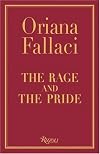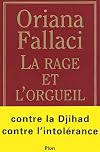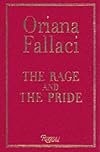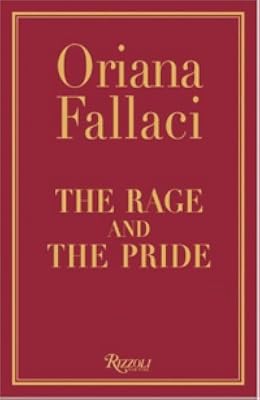
The Rage and The Pride
by Oriana Fallaci
On This Page
Description
The writer's first work for ten years, on themes linked to the events of September 11: America, Italy, Europe, Islam and ourselves, interspersed with personal memoirs.Tags
Recommendations












Member Reviews
I will say right now (and warn those with more....*delicate* sensibilities) that this book will make you feel one of two emotions: love or hate. You'll either understand and see *exactly* what Oriana Fallaci wanted her readers to see and hear (she wrote a letter in an Italian newspaper, and this book is that letter plus added material that never made it into the paper), or else you'll vehemently deny all she has to say and call her a bigot, hate-monger, and anti-Islam. If you are part of the latter group, congratulations, you are the "cicadas" the very type of person she abhors for their willful denial of what is going around them regarding Islam.
This book is no objective, detailed analysis of Islam. Fallaci states up-front that she is show more not ashamed to say what she has to say. The very first page after the preface, she states, "I am very, very, very angry. Angry with a rage which is cold, lucid, rational". This book's audience is mainly those who are still blind and deaf, in her own words: "a work which aimed at unplugging the ears of the deaf and opening the eyes of the blind".
She is unafraid of what people think of her views, and the letter, later which became this book. The letter she wrote was in reaction to September 11 (she had left Italy, more like *driven* away by her detractors). She broke her years of silence, because in her words: "there are moments in Life when keeping silent becomes a fault, and speaking an obligation". No longer able to stay silent, in the after-math of September 11, as shocked and horrified as any American, she wrote long and furiously. All her sorrow, rage, and passion came out onto paper. The result was what she called, "a scream of rage and pride".
Fallaci pulls no punches. She doesn't sugar-coat her words for the easily offended. She is blunt, brutally honest, and scathing in her opinion of her politically correct-minded country (which, she doesn't hesitate to add, also includes all of Western Europe). She laments how this political correct establishment turns a blind eye to the terrorists in their midst, all the while harping and hating America and its own identity as a country and people. She rails against this establishment that would rather willingly submit to a culture that suppresses ideas, freedoms, and individuals and would rather appease, than to stand up and be courageous.
This book also doesn't mince words when it comes to describing the atrocities committed by the terrorists or how the mass Muslim immigration to her country (and the rest of Western Europe) is slowly, but surely causing it to rot from the inside. For her willingness to state bluntly how she felt about the terrorists and Islam, she received death threats, but continued to voice her opinions that were *not* politically correct. For this she was demonized and hated.
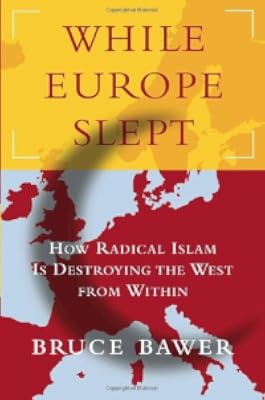
The Rage and The Pride was a refreshing book, refreshing in that Fallaci said what she meant and meant what she said. No spin, or skirting of the issue, or waffling on an issue. She was one of the rare people in our overly sensitive and prickly society that didn't give a damn what other people thought. The truth is not always a pretty picture and *must* be told, and she understood this. It's a shame Fallaci passed away. I also recommend reading While Europe Slept: How radical Islam is destroying the West from within by Bruce Bawyer in addition to this book. show less
This book is no objective, detailed analysis of Islam. Fallaci states up-front that she is show more not ashamed to say what she has to say. The very first page after the preface, she states, "I am very, very, very angry. Angry with a rage which is cold, lucid, rational". This book's audience is mainly those who are still blind and deaf, in her own words: "a work which aimed at unplugging the ears of the deaf and opening the eyes of the blind".
She is unafraid of what people think of her views, and the letter, later which became this book. The letter she wrote was in reaction to September 11 (she had left Italy, more like *driven* away by her detractors). She broke her years of silence, because in her words: "there are moments in Life when keeping silent becomes a fault, and speaking an obligation". No longer able to stay silent, in the after-math of September 11, as shocked and horrified as any American, she wrote long and furiously. All her sorrow, rage, and passion came out onto paper. The result was what she called, "a scream of rage and pride".
Fallaci pulls no punches. She doesn't sugar-coat her words for the easily offended. She is blunt, brutally honest, and scathing in her opinion of her politically correct-minded country (which, she doesn't hesitate to add, also includes all of Western Europe). She laments how this political correct establishment turns a blind eye to the terrorists in their midst, all the while harping and hating America and its own identity as a country and people. She rails against this establishment that would rather willingly submit to a culture that suppresses ideas, freedoms, and individuals and would rather appease, than to stand up and be courageous.
This book also doesn't mince words when it comes to describing the atrocities committed by the terrorists or how the mass Muslim immigration to her country (and the rest of Western Europe) is slowly, but surely causing it to rot from the inside. For her willingness to state bluntly how she felt about the terrorists and Islam, she received death threats, but continued to voice her opinions that were *not* politically correct. For this she was demonized and hated.
The Rage and The Pride was a refreshing book, refreshing in that Fallaci said what she meant and meant what she said. No spin, or skirting of the issue, or waffling on an issue. She was one of the rare people in our overly sensitive and prickly society that didn't give a damn what other people thought. The truth is not always a pretty picture and *must* be told, and she understood this. It's a shame Fallaci passed away. I also recommend reading While Europe Slept: How radical Islam is destroying the West from within by Bruce Bawyer in addition to this book. show less
Substance: Fallaci's post-9/11 polemic has been justly celebrated for its searing frankness and personal testimony about the danger posed by Islamic terrorists, and how the West had been blind to the danger. (As it continues to be.) Fallaci is an honored war-correspondent from the 1956 Hungarian insurrection to the 1991 Gulf War, as well as popular novels. She says of this book (the original draft for a news-magazine article that had to be cut drastically) the following: "There are moments in Life when keeping silent becomes a fault, and speaking an obligation. A civic duty, a moral challenge, a categorical imperative from which we cannot escape."
Style: Passionate and personal. The translation preserves the author's Italian idiom in show more places, although she has a great command of English. show less
Style: Passionate and personal. The translation preserves the author's Italian idiom in show more places, although she has a great command of English. show less
The woman (Oriana) was a riot and wasn't afraid of screaming out loud her political opinions in heated-up texts like this one. Written in the aftermath of 9/11, it would strike you as highly offensive to any muslim reader if put out of context. But it also makes some very good points. Certainly a very corageous critic of Western Europe's passive attitude, though some passages feel just like blind rage, too generalistic to really matter.
Sono partita da questo libro della Fallaci sia perché mi è capitato tra le scelte dei prestiti Prime, che per il fatto che, nonostante molti dicano che non sia rappresentativo della produzione di Oriana Fallaci, in fondo penso che non si conosca veramente una persona se non vede "il suo peggio".
E l'ho visto, altroché.
Parto dal fatto che capisco perfettamente che Oriana scriva praticamente pochi giorni dopo aver visto la sua città di adozione bombardata, i suoi concittadini morti. Onestamente, non credo che se mi bruciassero la casa sarei fredda e disposta al dialogo verso i colpevoli. Ma il libro non è solo pieno di invettive contro i musulmani, ci sono frecciate cattive e gratuite a volte incomprensibili: quella che mi ha più show more colpito è stata la frase in cui parla della relazione di Clinton, con, cito dal testo, "La cicciona" e credo si riferisca alla Lewinsky, che non mi pare sia stata né musulmana, né che le abbia ucciso il cane. Gli omosessuali sono "frustrati di non essere donne e odiano le madri"... avete capito (e se per qualcuno è "non asservirsi al politically correct" vuol dire che non sa cosa significa il termine).
Ora, Oriana è colta. Scrive da persona che conosce benissimo la lingua italiana. Scrive da persona che ha visto la guerra e combattuto il fascismo. Scrive di cose assolutamente vere ed attuali: io credo nell'integrazione, ma credo anche che stiamo facendo, ad oggi, un lavoro abbastanza pessimo per raggiungerla, sempre presi a barcamenarci tra eccessivo lassismo (che vedo sia verso italiani che stranieri), e una finta severità che porta allo smantellamento di qualsiasi struttura utile, come i corsi di lingua italiana per stranieri. Penso che la mano vada tesa con un chiaro patto che l'ospitalità viene con delle regole, ma mi rendo anche conto che non sia qualcosa di così facile da gestire (no, bombardare i barconi non è una buona idea).
Così come penso che Oriana glissi fin troppo colpevolmente sul fatto che gli USA e l'occidente abbiano interferito con gli affari interni di quei paesi a scopo economico, senza curarsi assolutamente della stabilità e la democraticità dei nuovi governi finché non è successo quello che è successo.
E quindi? E quindi niente, le riconosco l'essere una persona di cultura. Leggerò altri suoi libri perché ritengo che il fatto fosse molto più conservatrice di me (non voglio dire di destra, non credo che lei si identificasse con partiti esistenti in Italia... anzi) possa insegnarmi qualcosa. Ma che fosse un po' (tanto) carogna, non me lo toglierà di testa nessuno. show less
E l'ho visto, altroché.
Parto dal fatto che capisco perfettamente che Oriana scriva praticamente pochi giorni dopo aver visto la sua città di adozione bombardata, i suoi concittadini morti. Onestamente, non credo che se mi bruciassero la casa sarei fredda e disposta al dialogo verso i colpevoli. Ma il libro non è solo pieno di invettive contro i musulmani, ci sono frecciate cattive e gratuite a volte incomprensibili: quella che mi ha più show more colpito è stata la frase in cui parla della relazione di Clinton, con, cito dal testo, "La cicciona" e credo si riferisca alla Lewinsky, che non mi pare sia stata né musulmana, né che le abbia ucciso il cane. Gli omosessuali sono "frustrati di non essere donne e odiano le madri"... avete capito (e se per qualcuno è "non asservirsi al politically correct" vuol dire che non sa cosa significa il termine).
Ora, Oriana è colta. Scrive da persona che conosce benissimo la lingua italiana. Scrive da persona che ha visto la guerra e combattuto il fascismo. Scrive di cose assolutamente vere ed attuali: io credo nell'integrazione, ma credo anche che stiamo facendo, ad oggi, un lavoro abbastanza pessimo per raggiungerla, sempre presi a barcamenarci tra eccessivo lassismo (che vedo sia verso italiani che stranieri), e una finta severità che porta allo smantellamento di qualsiasi struttura utile, come i corsi di lingua italiana per stranieri. Penso che la mano vada tesa con un chiaro patto che l'ospitalità viene con delle regole, ma mi rendo anche conto che non sia qualcosa di così facile da gestire (no, bombardare i barconi non è una buona idea).
Così come penso che Oriana glissi fin troppo colpevolmente sul fatto che gli USA e l'occidente abbiano interferito con gli affari interni di quei paesi a scopo economico, senza curarsi assolutamente della stabilità e la democraticità dei nuovi governi finché non è successo quello che è successo.
E quindi? E quindi niente, le riconosco l'essere una persona di cultura. Leggerò altri suoi libri perché ritengo che il fatto fosse molto più conservatrice di me (non voglio dire di destra, non credo che lei si identificasse con partiti esistenti in Italia... anzi) possa insegnarmi qualcosa. Ma che fosse un po' (tanto) carogna, non me lo toglierà di testa nessuno. show less
Jan 7, 2022 (Edited)Italian
Un punto di vista "piccante" dello stato dell'integrazione in Italia. Oriana e' un'eccezionale testimone e una coraggiosa critica.
Mar 10, 2008Italian
1
Sie formuliert so klar und kompromisslos, ein Spiegelbild des Koran und der Hadith.
Feb 19, 2023German
Ratings
Members
- Recently Added By
Author Information

81 Works 4,873 Members
A prize-winning novelist and journalist, Oriana Fallaci is known primarily for her controversial interviews. She has spoken unabashedly, if not abrasively, with such world figures as Henry Kissinger, Willy Brandt, the Ayatollah Khomeini, Yasir Arafat, the Shah of Iran, Indira Ghandi, and Golda Meir. Her bold, often brilliant, interviewing show more technique is characterized by brutal frankness, as when she challenged Henry Kissinger to "talk about war." (Bowker Author Biography) show less
Some Editions
Work Relationships
Common Knowledge
- Canonical title*
- La rabbia e l'orgoglio
- Original title
- La rabbia e l'orgoglio
- Original publication date
- 2001
- Important events*
- Torri gemelle (2001-09-11)
*Some information comes from Common Knowledge in other languages. Click "Edit" for more information.
Classifications
- Genres
- Nonfiction, General Nonfiction, Religion & Spirituality, History
- DDC/MDS
- 070.92 — Computer science, information & general works News media, journalism & publishing Documentary media, educational media, news media; journalism; publishing Biography And History Biographies
- LCC
- PN5246 .F35 .A3 — Language and Literature Literature (General) Literature (General) Journalism. The periodical press, etc. By region or country
- BISAC
Statistics
- Members
- 704
- Popularity
- 40,342
- Reviews
- 7
- Rating
- (3.72)
- Languages
- 12 — Dutch, English, Finnish, French, German, Greek, Italian, Norwegian (Bokmål), Polish, Russian, Slovenian, Spanish
- Media
- Paper, Ebook
- ISBNs
- 24
- ASINs
- 2