I'm Down: A Memoir
by Mishna Wolff
On This Page
Description
Mishna Wolff grew up in a poor black neighborhood with her single father, a white man who truly believed he was black. "He strutted around with a short perm, a Cosby-esque sweater, gold chains and a Kangol---telling jokes like Redd Fox, and giving advice like Jesse Jackson. You couldn’t tell my father he was white. Believe me, I tried," writes Wolff. And so from early childhood on, her father began his crusade to make his white daughter Down.Unfortunately, Mishna didn’t quite fit in show more with the neighborhood kids: she couldn't dance, she couldn't sing, she couldn't double dutch, and she was the worst player on her all-black basketball team. She was shy, uncool, and painfully white. And yet when she was suddenly sent to a rich white school, she found she was too "black" to fit in with her white classmates.
I'm Down is a hip, hysterical, and at the same time beautiful memoir that will have you howling with laughter, recommending it to friends and questioning what it means to be black and white in America.
. show less
Tags
Recommendations
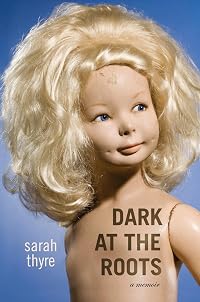
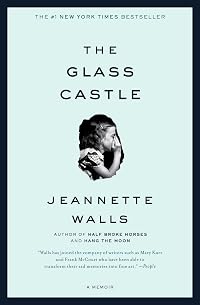
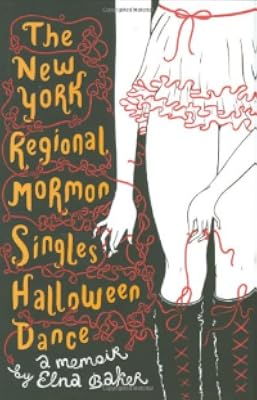
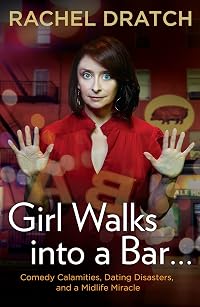
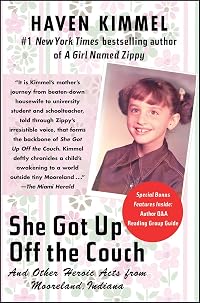
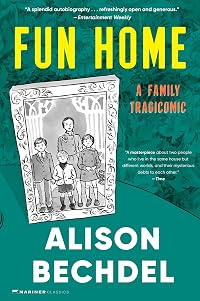
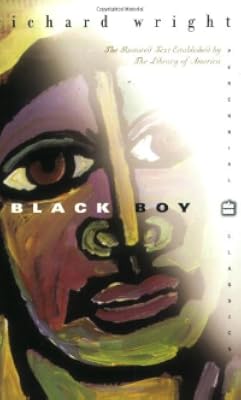
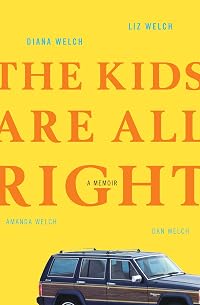

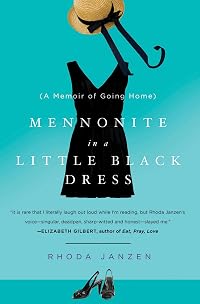
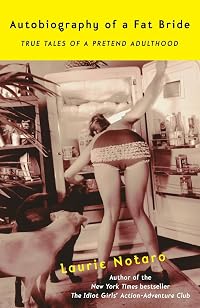
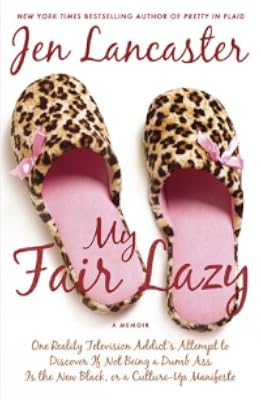

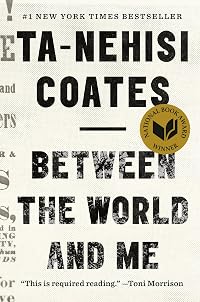
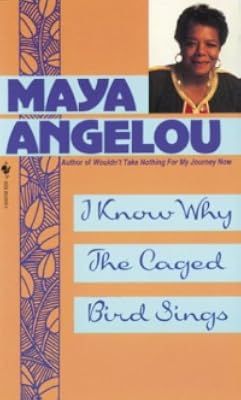
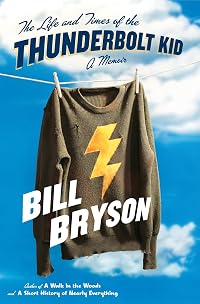

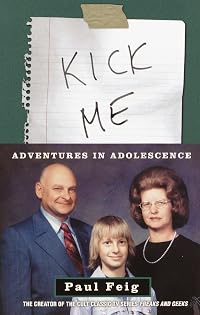
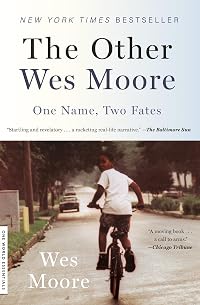
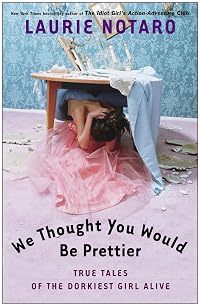
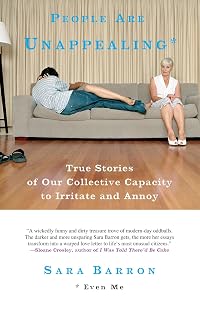
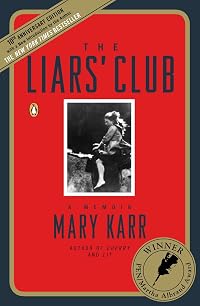
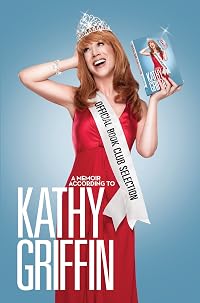


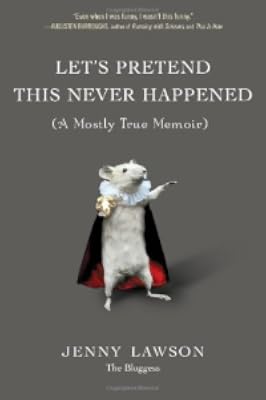
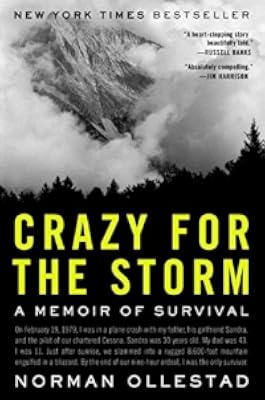
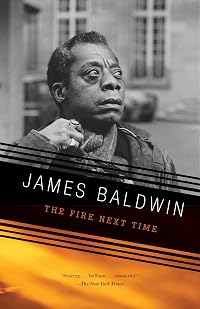
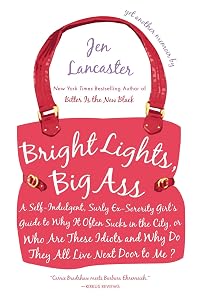
Member Recommendations
amyblue Both books are funny and thoughtful memoirs of somewhat unusual childhoods.
Member Reviews
Spotted the cover (how could it be missed!?!) and right to the shopping cart this one went! Got home, opened the book, and `straight up' took to the humor. What other way does one parlay "she was shy, uncool, and painfully white" up against "too black to fit in with her white classmates"? The best way to invest in this very painful observation is to stroke it with humor, which Mishna does well.
A little piece along however, I did sour on the uneven (at times) tone in the little ones' voices. Sounded too much like adult POV's being stressed. Ultimately I choose not to harp on it because once I moved closer to the end, Mishna's story really blossomed into a memoir to treasure. No words other than Mishna's can upright a distressing show more childhood that humored me, annoyed me, saddened me, made me angry to the point of restructuring this comment... and then warmed my heart to the bittersweet end. Mishna touched on a key point; short-sightedness! ...in which depending on the visionary, it means something different to every one of us.
I'm Down is a hard run up against a brave, beautifully won race. I loved, loved this memoir! show less
A little piece along however, I did sour on the uneven (at times) tone in the little ones' voices. Sounded too much like adult POV's being stressed. Ultimately I choose not to harp on it because once I moved closer to the end, Mishna's story really blossomed into a memoir to treasure. No words other than Mishna's can upright a distressing show more childhood that humored me, annoyed me, saddened me, made me angry to the point of restructuring this comment... and then warmed my heart to the bittersweet end. Mishna touched on a key point; short-sightedness! ...in which depending on the visionary, it means something different to every one of us.
I'm Down is a hard run up against a brave, beautifully won race. I loved, loved this memoir! show less
An amusing, absorbing, fresh memoir unlike any other I have read. Funny, sometimes heartbreaking, the author shares her life through age 14, leaving me hungry to know what high school and young adulthood were like for her. As the sole white kid (other than her sister) at school, track team, day care, church...her childhood in Seattle was not like the black kids and not like the white kids. Then she is sent to a private school, where everyone has enough to eat and no one understands what it is like to be poor. But she comes to realize that many of those upperclass kids have their own kind of poverty and deprivation in their families.
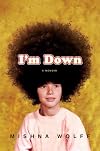
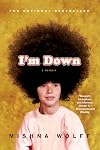
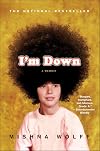
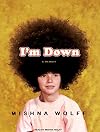
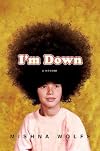
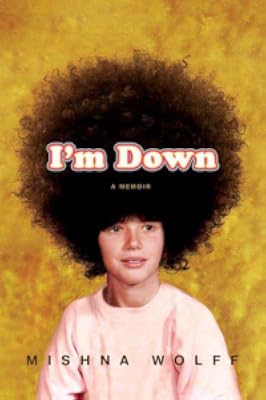
I actually enjoyed reading this book from beginning to end. The author, Mishna Wolff, bravely writes with humor about such sensitive topics as race, class, and parenting. The main focus of the book is the story of her father identifying with black culture so much that he decided to act like a "black man" and, among other things, to raise Mishna and her younger sister in a predominately black, low-income neighborhood in Seattle. Mr. Wolff (who, like Mishna and her younger sister, is white) listened to black music, decorated his home blackishly, socialized with black men in his neighborhood, and dated black women. He even spoke in a blackish dialect, as is clear from Mishna's renderings of her father's speech. Apparently, Mr. Wolff's show more raising Mishna and her younger sister in this way made such a distinctive impression on her that she felt compelled enough to share her coming-of-age story in this memoir, comically titled I'm Down and featuring an even more ribald picture of Mishna with an exaggerated afro on the cover.
There were several moments while reading when I literally laughed out loud. For example, desperate as a child to fit in with her black, low-income peers, Mishna teaches herself how to play "The Dozens". Eager to try her newfound skill on her unsuspecting mother, who'd recently gotten interested in Buddhism, Mishna cracks on her mother, "You're so dumb, you thought Buddhism was about booty." I found it comically charming when the adolescent Mishna discovered that playing The Dozens with anyone other than the black peers in her neighborhood (for example, her white mother and father, or the white students at the elite private school she attended) wasn't received well.
And there are many other laugh-out-loud moments. Even though the humor waned considerably during the last fourth of the book, it was still a compelling read as Mishna recalls, from a child's perspective, what it was like living with a father whom she dearly loved, but whose love for her wasn't always shown in ways easily comprehensible to a child. show less
There were several moments while reading when I literally laughed out loud. For example, desperate as a child to fit in with her black, low-income peers, Mishna teaches herself how to play "The Dozens". Eager to try her newfound skill on her unsuspecting mother, who'd recently gotten interested in Buddhism, Mishna cracks on her mother, "You're so dumb, you thought Buddhism was about booty." I found it comically charming when the adolescent Mishna discovered that playing The Dozens with anyone other than the black peers in her neighborhood (for example, her white mother and father, or the white students at the elite private school she attended) wasn't received well.
And there are many other laugh-out-loud moments. Even though the humor waned considerably during the last fourth of the book, it was still a compelling read as Mishna recalls, from a child's perspective, what it was like living with a father whom she dearly loved, but whose love for her wasn't always shown in ways easily comprehensible to a child. show less
Mishna grew up in a poor black neighborhood in Seattle. Her parents divorced when she was young and she and her sister Anora were raised by her dad. Her mom left - she had to go find herself. But the weirdest thing about 2 girls being raised by a single, dad in the 'hood? Being white. "White, white, white, white, white, white, white, white. I think it's important to make this clear..." (1) And so begins one of the funniest, most heartbreaking, memoirs I've read in a long time.
I'm always skeptical of memoirs...but Mishna Wolff's story had me at hello.. .or was it when she said her dad "believed he a was a black man...It wasn't an identity crisis.." (1) Wolff tells the story of trying to fit in, and make friends and be cool. Learning how show more to "cap" on people (sassy putdowns) and deciding on her future: "Solid Gold Dancer, Capper, Anesthesiologist, Governor, Assasin". (32) She takes us throough her father's romances, usually with beautiful women and him trying to remodel the house, himself. Mostly leaving things undone. Meeting Zwena, who at 10 years old, was the "Julia Child of the food stamp set." (42) Zwena could cook up a mean fried, bologna sandwich. Ah...I remember those days...so much of what Mishna Wolff was describing reminded me of my childhood. I grew up in a poor, black neighborhood and she captured all the humor that helps you not only survive but thrive!
Once Mishna goes to IPP, she feels as if she doesn't fit in anywhere anymore. Always the outcast, the different one. Wolff tells us how she coped, what she did for attention, the tough decisions that seemed to be made for her... She worries herself into tension headaches trying to figure out what is going to happen to her the rest of her life...she was twelve at the time. Trying to find the security that she wasn't getting at home. Through it all, she just wanted her dad's acceptance, wanted him to think she was "down", too.
I loved this book. I put aside everything, I didn't even stop for dinner. I was mesmerized, completely and totally engrossed. Wolff's voice brought her story to life and I was right there, living my own version of trying to be down. It was painful towards the end but well worth the time. It left me with a Wow! It was truly awesome! I could read it again right now! show less
I'm always skeptical of memoirs...but Mishna Wolff's story had me at hello.. .or was it when she said her dad "believed he a was a black man...It wasn't an identity crisis.." (1) Wolff tells the story of trying to fit in, and make friends and be cool. Learning how show more to "cap" on people (sassy putdowns) and deciding on her future: "Solid Gold Dancer, Capper, Anesthesiologist, Governor, Assasin". (32) She takes us throough her father's romances, usually with beautiful women and him trying to remodel the house, himself. Mostly leaving things undone. Meeting Zwena, who at 10 years old, was the "Julia Child of the food stamp set." (42) Zwena could cook up a mean fried, bologna sandwich. Ah...I remember those days...so much of what Mishna Wolff was describing reminded me of my childhood. I grew up in a poor, black neighborhood and she captured all the humor that helps you not only survive but thrive!
Once Mishna goes to IPP, she feels as if she doesn't fit in anywhere anymore. Always the outcast, the different one. Wolff tells us how she coped, what she did for attention, the tough decisions that seemed to be made for her... She worries herself into tension headaches trying to figure out what is going to happen to her the rest of her life...she was twelve at the time. Trying to find the security that she wasn't getting at home. Through it all, she just wanted her dad's acceptance, wanted him to think she was "down", too.
I loved this book. I put aside everything, I didn't even stop for dinner. I was mesmerized, completely and totally engrossed. Wolff's voice brought her story to life and I was right there, living my own version of trying to be down. It was painful towards the end but well worth the time. It left me with a Wow! It was truly awesome! I could read it again right now! show less
Mishna Wolff's I'm Down purports to be both a ragingly funny family-dysfunction memoir à la Sedaris or Burroughs, and a perceptive take on racial identity. It's neither, but that shouldn't stop Wolff, who was raised by a white single father in the black working-class town of Rainier Valley, Washington, from making hay with this slight but basically sweet-tempered memoir.
Wolff's book has the contours of the classic coming-of-age tale, wherein the awkward and put-upon duckling triumphs over a series of endearing mishaps and eventually turns into a swan (the marketing copy identifies Wolff, ominously, as a "humorist and former model"). In Mishna Wolff's case, a background of legitimately harrowing but otherwise unremarkable poverty was show more made distinctive by her father's insistent adoption of all the hallmarks of urban African-American culture, including the flamboyant clothes, the jewelry, the aggressively ungrammatical argot and the emphasis on toughness and contempt for authority. The result, according to Wolff, was a comical decade-long reverse-passing drama and a childhood marked by substantial identity confusion.
Wolff mines this material for humor, but there's something weird and unintentionally telling going on here. The author treats her father's obsession as source material for rueful isn't-this-crazy comedy, but a man repeatedly putting his two young daughters in considerable danger to prove his "blackness" is, in fact, a sad and desperate spectacle. Other people understand this: John Belushi's famous imitation of Joe Cocker got its sting from the pathos inherent in the lengths white men will go to in order to demonstrate that they have "soul." Wolff's depiction of her father is startlingly tone-deaf, with what seems intended as a portrayal of harmless eccentricity often verging on the monstrous. Most readers, however jaded, don't think child abuse is funny.
The element of I'm Down that, almost incidentally, carries real force is not the racial appropriation but rather the depiction of relentless poverty. Wolff mentions off-handedly that she and her sister often lived for weeks on tapioca and watery corn bread; there's a poignant scene where the teenage author, who has unwittingly high-achieved herself into attendance at a posh private school, forces herself to share her classmates' disdain for the school lunches that she, half-starving, secretly craves. Wolff describes how she unapologetically latched onto her rich classmates in order to take advantage of their ski trips and European vacations and palatial beachfront homes full of sleek electronics and fully stocked kitchens, only to discard the same girls with contempt once they had served her purposes. A more reflective writer would surely see how sad this is, but Wolff races ahead to the next set piece, like the comic pro she is.
I'm Down is in many ways a catalogue of misplaced emphases and unintended literary effects (the prose, for one thing, is flat and clumsy, and the humor feels strained in the way that stand-up routines transferred to the page usually do), but one doesn't feel quite right blaming Mishna Wolff for this, exactly. One of the many irritating things about memoir as a genre is the way it makes special claims for itself, the way it seems to be criticism-proof. With a novel, a dyspeptic critic, especially one not unnerved by the daunting middle-class minefields of race and parenthood, can simply dismiss the lot as so much ill-conceived garbage. Since a memoir's power is ostensibly grounded in its truthfulness, however, it often feels that the only legitimate objection is to say, "this person's life is not interesting." The alternative, at least in this case, is only slightly less harsh: to say "you haven't done a good job extracting meaning from your life," or, "you don't understand the meaning of your own life." On Mishna Wolff's block, them's fighting words. I hope she doesn't "cap" me. —From The L Magazine, June 24, 2009 show less
Wolff's book has the contours of the classic coming-of-age tale, wherein the awkward and put-upon duckling triumphs over a series of endearing mishaps and eventually turns into a swan (the marketing copy identifies Wolff, ominously, as a "humorist and former model"). In Mishna Wolff's case, a background of legitimately harrowing but otherwise unremarkable poverty was show more made distinctive by her father's insistent adoption of all the hallmarks of urban African-American culture, including the flamboyant clothes, the jewelry, the aggressively ungrammatical argot and the emphasis on toughness and contempt for authority. The result, according to Wolff, was a comical decade-long reverse-passing drama and a childhood marked by substantial identity confusion.
Wolff mines this material for humor, but there's something weird and unintentionally telling going on here. The author treats her father's obsession as source material for rueful isn't-this-crazy comedy, but a man repeatedly putting his two young daughters in considerable danger to prove his "blackness" is, in fact, a sad and desperate spectacle. Other people understand this: John Belushi's famous imitation of Joe Cocker got its sting from the pathos inherent in the lengths white men will go to in order to demonstrate that they have "soul." Wolff's depiction of her father is startlingly tone-deaf, with what seems intended as a portrayal of harmless eccentricity often verging on the monstrous. Most readers, however jaded, don't think child abuse is funny.
The element of I'm Down that, almost incidentally, carries real force is not the racial appropriation but rather the depiction of relentless poverty. Wolff mentions off-handedly that she and her sister often lived for weeks on tapioca and watery corn bread; there's a poignant scene where the teenage author, who has unwittingly high-achieved herself into attendance at a posh private school, forces herself to share her classmates' disdain for the school lunches that she, half-starving, secretly craves. Wolff describes how she unapologetically latched onto her rich classmates in order to take advantage of their ski trips and European vacations and palatial beachfront homes full of sleek electronics and fully stocked kitchens, only to discard the same girls with contempt once they had served her purposes. A more reflective writer would surely see how sad this is, but Wolff races ahead to the next set piece, like the comic pro she is.
I'm Down is in many ways a catalogue of misplaced emphases and unintended literary effects (the prose, for one thing, is flat and clumsy, and the humor feels strained in the way that stand-up routines transferred to the page usually do), but one doesn't feel quite right blaming Mishna Wolff for this, exactly. One of the many irritating things about memoir as a genre is the way it makes special claims for itself, the way it seems to be criticism-proof. With a novel, a dyspeptic critic, especially one not unnerved by the daunting middle-class minefields of race and parenthood, can simply dismiss the lot as so much ill-conceived garbage. Since a memoir's power is ostensibly grounded in its truthfulness, however, it often feels that the only legitimate objection is to say, "this person's life is not interesting." The alternative, at least in this case, is only slightly less harsh: to say "you haven't done a good job extracting meaning from your life," or, "you don't understand the meaning of your own life." On Mishna Wolff's block, them's fighting words. I hope she doesn't "cap" me. —From The L Magazine, June 24, 2009 show less
This book was straight up disturbing. I make jokes about things that are sad or embarrassing as part of my processing. I am a fan of rather dark humor. Still, there are some things I can't laugh at, and I am glad of it. On that list are child abuse, child endangerment, child neglect, abandonment, domestic violence, people who are so lazy they leech off the system rather than getting off their asses and going to work, etc. I am a Marc Maron fan, so I expected a delightfully screwed up archness here from his ex-wife, but all I got was sadness and rationalization from a woman twice as damaged and half as clever as she thinks. Additionally, this book is not about what it purports to be about. It is about class-divisions (which is good show more fodder for a better book) rather than the complications of living "Black" (whatever that means.) Based on the cover blurbs publications as and unsophisticated as Entertainment Weekly and as dull as Time Magazine thought this was hilarious so perhaps it is just me, but I really don't think so. show less
I loved 95%of this book. Mishna Wolff has a great comedic sense, and her stories of being a very "white" child growing up in a black-focused family are hilarious... but they are very sad too. She sometimes flounders in self pity, and it's easy to see that as an adult, but as a kid I'm sure it'd be super hard to deal with, so it's really not fair to judge her feelings as adult. The story is easy to read and the audiobook narrator is great. I was absolutely loving this book, ready to give it 5 stars, but then the book started to drag and the fights and harsh feelings took over the unique and funny kid's perspective, and I was ready to put it down after the umpteenth time she screamed about her parents. I hope she's been able to find peace.
Members
- Recently Added By
Author Information

2+ Works 455 Members
Some Editions
Awards and Honors
Awards
Distinctions
Notable Lists
Common Knowledge
- Important places
- Seattle, Washington, USA
Classifications
- Genres
- Biography & Memoir, Nonfiction, General Nonfiction, Teen
- DDC/MDS
- 792.7028092 — Arts & recreation Recreation, sports, and performing arts Theater: Plays, Ballet, Opera Variety shows and theatrical dancing; burlesque, cabaret, vaudeville, music hall, nightclubs modified standard subdivisions Techniques, procedures, apparatus, equipment, materials, miscellany Acting and performance standard subdivisions History, geographic treatment, biography Biography
- LCC
- PN2287 .W55 .A3 — Language and Literature Literature (General) Literature (General) Drama Dramatic representation. The theater Special regions or countries
- BISAC
Statistics
- Members
- 442
- Popularity
- 69,313
- Reviews
- 41
- Rating
- (3.67)
- Languages
- English, Italian
- Media
- Paper, Audiobook, Ebook
- ISBNs
- 9
- ASINs
- 5