A Man Called Horse
by Dorothy M. Johnson
On This Page
Description
Indian Country contains two of Dorothy M. Johnson’s most famous stories. “A Man Called Horse” depicts the life of a white captive in a Crow Indian camp. “The Man Who Shot Liberty Valance” explains in flashback why a prominent senator appears at the funeral of an obscure western codger. Both stories were adapted into highly successful movies. These eleven stories show a frontier alive with complex struggles.Tags
Recommendations


















Member Reviews
Dorothy M. Johnson has a new enthusiastic fan.
Johnson's writes rich portraits of Western men, women, and children and their Native American counterparts. It was a joy to read...even 70 years late.
American Westerns were part of my growing up. The men I knew were tough and stoic and themselves related to the Western mystique. They liked Western music, Western movies, Western TV shows, Western humor, and for the few readers in the bunch (my dad), Western novels and stories.
As I grew up through the "radical" 60s and 70s, their generation never stopped being capable and fearless, but they also became old-fashioned, close-minded, and brittle in their judgments. My dad, though, was among the more flexible. But, boy howdy, he was tougher than show more old leather to get him to talk about his feelings.
He would have liked this book. He might have even read it. I like to think he did. I know I thought of him the whole time I read it myself.
What we have is the standard Western stuff but with a refreshed understanding of what the protagonists prided most in themselves, and what tortured them most. In Hemingwayesque sentences, Johnson tells with brutal realism 11 tales as a new breed of writer, on the forefront of the revisionist Western. She grew up in Montana, and she was a stickler about the accuracy, in particular about the Crow, Sioux, and Cheyenne. This is not the "taming of the West by the white man," but the harsh, tragic, and sometimes redeeming encounters between two cultures on the same land.
Johnson is a new shining hero in my constellation of female stars.
---------------------------------------------
The stories:
"Flame on the Frontier"
Frontier family attacked by band of Sioux. Two young daughters are taken and live for some years as eventually Sioux women. Years later one is ransomed back by the whites.
"The Unbeliever"
Red headed white man lives among the Crow for years as high esteemed "Iron Head" who has much good medicine. As an old man he returns hoping to regain some of that esteem--either from the whites or the Crow.
"Prairie Kid"
Hard luck frontier family of three--very ill father, 11 year old son, Elmer and 6 year old daughter, Varina. One day, a stranger comes, a stranger with more double eagles than an honest man could earn. That night he learns he was lucky to leave with his life and his eagles, as Elmer taught him how tough and smart a prairie kid can be.
"Warrior's Exile"
"Only through suffering could a man earn the right to dream."
A man brings bad luck to his tribe because he could not successfully dream his spirit dream. He decides to die, but first try one more time to dream. Like his first failed attempt at dreaming a spirit, he hears a baby cry.
"Journey to the Fort"
"Long ago she had learned that she could not afford to be angry at anyone for anything."
A frontier woman who had been captive of the Sioux for 7 months, and had learned how to survive, is ransomed, soldiers have come to get her. It's a perilous journey back to the fort, filled with exhaustion, guilt, and foreboding of the immediate future.
"The Man Who Shot Liberty Valance"
Opens with a funeral attended by a white man who felt of the white man lying in the coffin, "He was my enemy; he was my conscience."
"War Shirt"
A white man is searching for his brother who has a unique mark on his face and was outcast by their father. For years he searches for him and finally meets him. The man insists he was born Cheyenne.
"Beyond the Frontier"
The aftermath of an Indian attack on a small cattle ranch. Some were going to pack it up and go back to Pennsylvania. A woman who surprised a certain man, was going to stay. Includes memorable youth nicknamed Dogie Kid.
"Scars of Honor"
Four young Cheyenne men living on a reservation are preparing to join up for WW II. They go to the oldest man, Charley Lockjaw, to teach them how to do the ceremony for good medicine that will protect them in war. He's the only one that remains to remember how it's done since their religion had been forbidden by the white man for many years.
"Laugh in the Face of Danger"
"She obeyed because she wanted to."
Not only men were in charge of their destinies in those early days of setting up cattle ranches. For good and bad.
"A Man Called Horse"
"He wanted to live among his equals--among men who were no better than he and no worse either."
A discontented white young man, ventures West on a vague notion he was looking for something. Something found him; one of the Crow warriors who captured him gave the man as a slave (and entertainment) to his aged mother. The man found his equals.
A short documentary, "Gravel in her Gut and Spit in her Eye," about Johnson, aka "Kills Both Places" (by Blackfeet tribe) on Youtube:
https://www.pbs.org/video/montanapbs-presents-gravel-in-her-gut-and-spit-in-her-.... show less
Johnson's writes rich portraits of Western men, women, and children and their Native American counterparts. It was a joy to read...even 70 years late.
American Westerns were part of my growing up. The men I knew were tough and stoic and themselves related to the Western mystique. They liked Western music, Western movies, Western TV shows, Western humor, and for the few readers in the bunch (my dad), Western novels and stories.
As I grew up through the "radical" 60s and 70s, their generation never stopped being capable and fearless, but they also became old-fashioned, close-minded, and brittle in their judgments. My dad, though, was among the more flexible. But, boy howdy, he was tougher than show more old leather to get him to talk about his feelings.
He would have liked this book. He might have even read it. I like to think he did. I know I thought of him the whole time I read it myself.
What we have is the standard Western stuff but with a refreshed understanding of what the protagonists prided most in themselves, and what tortured them most. In Hemingwayesque sentences, Johnson tells with brutal realism 11 tales as a new breed of writer, on the forefront of the revisionist Western. She grew up in Montana, and she was a stickler about the accuracy, in particular about the Crow, Sioux, and Cheyenne. This is not the "taming of the West by the white man," but the harsh, tragic, and sometimes redeeming encounters between two cultures on the same land.
Johnson is a new shining hero in my constellation of female stars.
---------------------------------------------
The stories:
"Flame on the Frontier"
Frontier family attacked by band of Sioux. Two young daughters are taken and live for some years as eventually Sioux women. Years later one is ransomed back by the whites.
"The Unbeliever"
Red headed white man lives among the Crow for years as high esteemed "Iron Head" who has much good medicine. As an old man he returns hoping to regain some of that esteem--either from the whites or the Crow.
"Prairie Kid"
Hard luck frontier family of three--very ill father, 11 year old son, Elmer and 6 year old daughter, Varina. One day, a stranger comes, a stranger with more double eagles than an honest man could earn. That night he learns he was lucky to leave with his life and his eagles, as Elmer taught him how tough and smart a prairie kid can be.
"Warrior's Exile"
"Only through suffering could a man earn the right to dream."
A man brings bad luck to his tribe because he could not successfully dream his spirit dream. He decides to die, but first try one more time to dream. Like his first failed attempt at dreaming a spirit, he hears a baby cry.
"Journey to the Fort"
"Long ago she had learned that she could not afford to be angry at anyone for anything."
A frontier woman who had been captive of the Sioux for 7 months, and had learned how to survive, is ransomed, soldiers have come to get her. It's a perilous journey back to the fort, filled with exhaustion, guilt, and foreboding of the immediate future.
"The Man Who Shot Liberty Valance"
Opens with a funeral attended by a white man who felt of the white man lying in the coffin, "He was my enemy; he was my conscience."
"War Shirt"
A white man is searching for his brother who has a unique mark on his face and was outcast by their father. For years he searches for him and finally meets him. The man insists he was born Cheyenne.
"Beyond the Frontier"
The aftermath of an Indian attack on a small cattle ranch. Some were going to pack it up and go back to Pennsylvania. A woman who surprised a certain man, was going to stay. Includes memorable youth nicknamed Dogie Kid.
"Scars of Honor"
Four young Cheyenne men living on a reservation are preparing to join up for WW II. They go to the oldest man, Charley Lockjaw, to teach them how to do the ceremony for good medicine that will protect them in war. He's the only one that remains to remember how it's done since their religion had been forbidden by the white man for many years.
"Laugh in the Face of Danger"
"She obeyed because she wanted to."
Not only men were in charge of their destinies in those early days of setting up cattle ranches. For good and bad.
"A Man Called Horse"
"He wanted to live among his equals--among men who were no better than he and no worse either."
A discontented white young man, ventures West on a vague notion he was looking for something. Something found him; one of the Crow warriors who captured him gave the man as a slave (and entertainment) to his aged mother. The man found his equals.
A short documentary, "Gravel in her Gut and Spit in her Eye," about Johnson, aka "Kills Both Places" (by Blackfeet tribe) on Youtube:
https://www.pbs.org/video/montanapbs-presents-gravel-in-her-gut-and-spit-in-her-.... show less
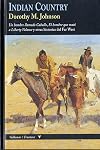
Granjas en la llanura, fuertes, poblados indios, ceremonias de iniciación, entierros, formas de cortejo, caravanas, vaqueros, raptos de mujeres blancas, la Frontera, tierras inhóspitas, indios y blancos, el salvaje Oeste en definitiva, es lo que nos ofrece ‘Indian Country’ (1953), antología de relatos western de Dorothy M. Jonhson, quizás la más grande escritora de este género del siglo XX. De hecho, en una votación realizada en 1995 por la Western Writers Association para elegir los mejores relatos western del siglo XX, cuatro de sus cuentos fueron incluidos entre los cinco primeros.
La vida de Dorothy M. Johnson (1905-1984), escritora y periodista, estuvo estrechamente vinculada a Montana, donde transcurren buena parte de show more sus relatos. Johnson demuestra un gran conocimiento del marco histórico y natural en que sitúa sus historias. Sus cuentos, exquisitamente escritos (o traducidos), son sencillos, que no simples, y se detienen en los elementos cotidianos de la vida en la Frontera. A veces son duros o crueles, pero siempre están narrados desde la sensibilidad.
Algo que me ha maravillado de estos cuentos, es la capacidad de Johnson para contarnos en apenas veinte páginas una historia llena de vida.
Estos son los once relatos incluidos en ‘Indian Country’:
La frontera en llamas. Sobre mujeres capturadas por los indios. Un relato extraordinario de principio a fin. Mi favorito de la antología.
El incrédulo. Mitchell, que de joven vivió unos años con los indios crows, ya viejo regresa con ellos, esta vez guiando a unos soldados. Muy buen relato.
El chico de la pradera. Donde se habla de cómo Elmer Merrick, de once años, expulsó a un forajido a punta de pistola. Buen relato.
El exilio del guerrero. Humo Creciente es un guerrero con mala suerte, que decide salir de nuevo a la montaña para intentar obtener un sueño que le dé medicina, suerte. Gran relato.
Viaje al fuerte. Una mujer es rescatada de los indios, y ahora viajan al fuerte. Buen relato.
El hombre que mató a Liberty Valance. En el entierro de Bert Berricune, un don nadie, acude el senador Foster. Esta es la historia de Bert.
La camisa de guerra. Wilcox está guiando a Mason, que busca a su hermano perdido, hasta el jefe indio Señal de Medicina. Gran relato.
Más allá de la frontera. Una familia ha salvado la vida, aunque lo ha perdido todo en un ataque indio. Buen relato.
Marcas de honor. En una reserva, el anciano Charlie Lockjaw enseña a los jóvenes las antiguas enseñanzas. Muy buen relato.
Reírse frente al peligro. La anciana Alice, rememora su historia de amor con Látigo Randy. Buen relato.
Un hombre llamado Caballo. Historia de Caballo, un joven de buena familia de Boston, y de cómo llegó a vivir en igualdad con los indios. Gran relato.
En resumen, una estupenda antología, que gustará a los amantes del western en particular, y del relato corto en general. show less
La vida de Dorothy M. Johnson (1905-1984), escritora y periodista, estuvo estrechamente vinculada a Montana, donde transcurren buena parte de show more sus relatos. Johnson demuestra un gran conocimiento del marco histórico y natural en que sitúa sus historias. Sus cuentos, exquisitamente escritos (o traducidos), son sencillos, que no simples, y se detienen en los elementos cotidianos de la vida en la Frontera. A veces son duros o crueles, pero siempre están narrados desde la sensibilidad.
Algo que me ha maravillado de estos cuentos, es la capacidad de Johnson para contarnos en apenas veinte páginas una historia llena de vida.
Estos son los once relatos incluidos en ‘Indian Country’:
La frontera en llamas. Sobre mujeres capturadas por los indios. Un relato extraordinario de principio a fin. Mi favorito de la antología.
El incrédulo. Mitchell, que de joven vivió unos años con los indios crows, ya viejo regresa con ellos, esta vez guiando a unos soldados. Muy buen relato.
El chico de la pradera. Donde se habla de cómo Elmer Merrick, de once años, expulsó a un forajido a punta de pistola. Buen relato.
El exilio del guerrero. Humo Creciente es un guerrero con mala suerte, que decide salir de nuevo a la montaña para intentar obtener un sueño que le dé medicina, suerte. Gran relato.
Viaje al fuerte. Una mujer es rescatada de los indios, y ahora viajan al fuerte. Buen relato.
El hombre que mató a Liberty Valance. En el entierro de Bert Berricune, un don nadie, acude el senador Foster. Esta es la historia de Bert.
La camisa de guerra. Wilcox está guiando a Mason, que busca a su hermano perdido, hasta el jefe indio Señal de Medicina. Gran relato.
Más allá de la frontera. Una familia ha salvado la vida, aunque lo ha perdido todo en un ataque indio. Buen relato.
Marcas de honor. En una reserva, el anciano Charlie Lockjaw enseña a los jóvenes las antiguas enseñanzas. Muy buen relato.
Reírse frente al peligro. La anciana Alice, rememora su historia de amor con Látigo Randy. Buen relato.
Un hombre llamado Caballo. Historia de Caballo, un joven de buena familia de Boston, y de cómo llegó a vivir en igualdad con los indios. Gran relato.
En resumen, una estupenda antología, que gustará a los amantes del western en particular, y del relato corto en general. show less
Ratings
Members
- Recently Added By
Author Information

25+ Works 642 Members
Some Editions
Series
Belongs to Publisher Series
Work Relationships
Common Knowledge
- Canonical title
- A Man Called Horse
- Original title
- Indian Country
- Original publication date
- 1950
- Related movies*
- The Man Who Shot Liberty Valance (1962 | IMDb); A Man Called Horse (1970 | IMDb)
- Original language*
- Inglés
*Some information comes from Common Knowledge in other languages. Click "Edit" for more information.
Classifications
Statistics
- Members
- 115
- Popularity
- 283,703
- Reviews
- 2
- Rating
- (4.28)
- Languages
- English, French, Spanish
- Media
- Paper, Ebook
- ISBNs
- 9
- ASINs
- 12