On This Page
Description
This book proposes that community development has been increasingly influenced and co-opted by a modernist, soulless, rational philosophy - reducing it to a shallow technique for ‘solving community problems’. In contrast, this dialogical approach re-maps the ground of community development practice within a frame of ideas such as dialogue, hospitality and depth. For the first time community development practitioners are provided with an accessible understanding of dialogue and its show more relevance to their practice, exploring the contributions of internationally significant thinkers such as P. Freire, M. Buber, D. Bohm and H.G Gadamer, J. Derrida, G. Esteva and R. Sennett. What makes the book distinctive is that: first, it identifies a dialogical tradition of community development and considers how such a tradition shapes practice within contemporary contexts and concerns – economic, social, political, cultural and ecological. Second, the book contrasts such an approach with technical and instrumental approaches to development that fail to take complex systems seriously. Third, the approach links theory to practice through a combination of storytelling and theory-reflection – ensuring that readers are drawn into a practice-theory that they feel increasingly show lessTags
Recommendations

























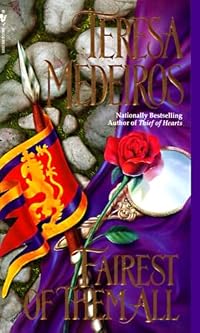

Member Recommendations
Member Reviews
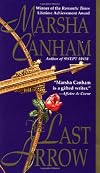
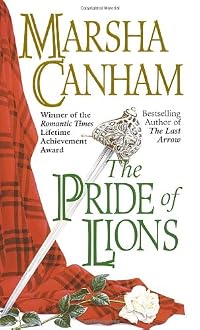
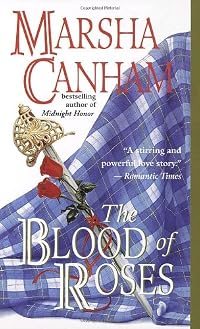
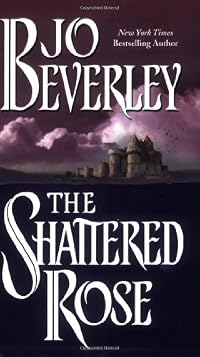
Final Book in the Robin Hood Trilogy--so sad that it's over. Such a great trilogy!
Ratings
Members
- Recently Added By
Author Information

35 Works 2,697 Members
Series

Common Knowledge
- Original publication date
- 1997
Classifications
Statistics
- Members
- 168
- Popularity
- 194,217
- Reviews
- 1
- Rating
- (3.89)
- Languages
- English
- Media
- Paper, Ebook
- ISBNs
- 3
- ASINs
- 4