
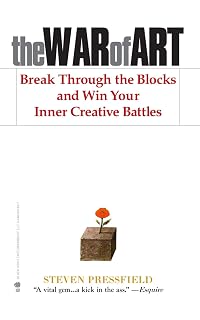
The War of Art: Winning the Inner Creative Battle
by Steven Pressfield
On This Page
Description
Think of The War of Art as tough yourself. Since 2002, The War of Art has inspired people around the world to defeat "resistance"; to recognize and knock down dream-blocking barriers and to silence the naysayers within us. Resistance kicks everyone's butt, and the desire to defeat it is equally as universal. The War of Art identifies the enemy that every one of us must face, outlines a battle plan to conquer this internal foe, then pinpoints just how to achieve the greatest success. Though show more it was written for writers, it has been embraced by business entrepreneurs, actors, dancers, painters, photographers, filmmakers, military service members, and thousands of others around the world. show lessTags
Recommendations
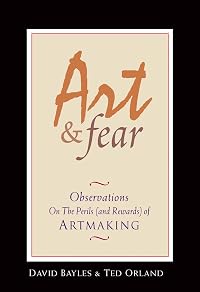
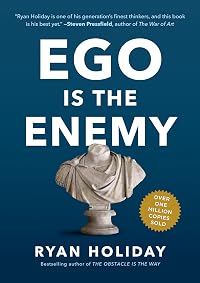
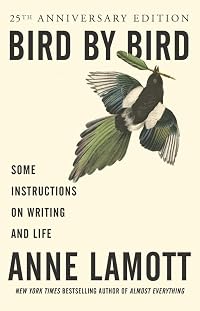
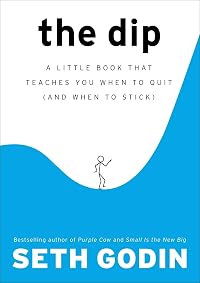
Member Recommendations
Member Reviews
Recommended reading for those of us who need a kick in the pants, but would rather get that kick from a veteran Marine instead of some twenty-seven year old guy who worked at American Apparel once.
The War of Art is not a self-help manual so much as it is a thinly disguised gut punch to the reader’s tidy list of excuses for avoiding their calling, art, and dream. Pressfield is a grizzled veteran of the creative battlefield, and in The War of Art he takes us aside to impart a few words of wisdom, with the goal of whipping us into fighting shape.
Robert McKee, creator of the “Story Seminar,” and the patron saint of half-baked writers, tells us that when he finished The War of Art, “I felt a surge of positive calm. I now know I can show more win this war. And if I can, so can you.” Three pages in to the foreward one starts to feel similar to Walter in Secondhand Lions, stumbling into the company of two crusty, lovable life teachers. Welcome to Miyagi’s dojo; to Yoda’s cave.
Pressfield’s manifesto is broken down into three parts. First, he defines the enemy. Whether it be piano lessons or starting a plumbing company, the greatest threat to our success is Resistance, the ornery force diametrically opposed to us pursuing our dreams.
"Resistance obstructs movement only from a lower sphere to a higher. It kicks in when we seek to pursue a calling in the arts, launch an innovative enterprise, or evolve to a higher station morally, ethically, or spiritually.
So if you’re in Calcutta working with the Mother Teresa Foundation and you’re thinking of bolting to launch a career in telemarketing… relax. Resistance will give you a free pass."
After diagnosing the sickness, Pressfield offers us a strategy to beat Resistance: we have to turn pro. If we’re going to win this war raging within us between Resistance and our calling, we need a game-plan. This is going to take hard work on our part, and we have to show up to fight each day’s battle.
"The professional dedicates himself to mastering technique not because he believes technique is a substitute for inspiration but because he wants to be in possession of the full arsenal of skills when inspiration does come. The professional is sly. He knows that by toiling beside the front door of technique, he leaves room for genius to enter by the back."
We know our enemy, and we’ve built a game-plan for victory in our endeavor. But before we go charging off once more into the fight to live our full lives, Pressfield has words of hope for us, and a rousing call to step back into the ring, back up to the canvas.
"Creative work is not a selfish act or a bid for attention on the part of the actor. It’s a gift to the world and every being in it. Don’t cheat us of your contribution. Give us what you’ve got."
There are few books that truly deserve a place on your bedside table, and The War of Art is one of them. Don’t even try, “I’m just not a creative person.” That’s Resistance piping up, rationalizing how you insist on hitting snooze as life passes you by. In The War of Art, Pressfield packs light and wants to get all the way up to the top of the mountain before nightfall. Do yourself a favor and take the hike. Sure, the morning alarm may be a little harsh, but you’ve got places to go, and only so much daylight! show less
The War of Art is not a self-help manual so much as it is a thinly disguised gut punch to the reader’s tidy list of excuses for avoiding their calling, art, and dream. Pressfield is a grizzled veteran of the creative battlefield, and in The War of Art he takes us aside to impart a few words of wisdom, with the goal of whipping us into fighting shape.
Robert McKee, creator of the “Story Seminar,” and the patron saint of half-baked writers, tells us that when he finished The War of Art, “I felt a surge of positive calm. I now know I can show more win this war. And if I can, so can you.” Three pages in to the foreward one starts to feel similar to Walter in Secondhand Lions, stumbling into the company of two crusty, lovable life teachers. Welcome to Miyagi’s dojo; to Yoda’s cave.
Pressfield’s manifesto is broken down into three parts. First, he defines the enemy. Whether it be piano lessons or starting a plumbing company, the greatest threat to our success is Resistance, the ornery force diametrically opposed to us pursuing our dreams.
"Resistance obstructs movement only from a lower sphere to a higher. It kicks in when we seek to pursue a calling in the arts, launch an innovative enterprise, or evolve to a higher station morally, ethically, or spiritually.
So if you’re in Calcutta working with the Mother Teresa Foundation and you’re thinking of bolting to launch a career in telemarketing… relax. Resistance will give you a free pass."
After diagnosing the sickness, Pressfield offers us a strategy to beat Resistance: we have to turn pro. If we’re going to win this war raging within us between Resistance and our calling, we need a game-plan. This is going to take hard work on our part, and we have to show up to fight each day’s battle.
"The professional dedicates himself to mastering technique not because he believes technique is a substitute for inspiration but because he wants to be in possession of the full arsenal of skills when inspiration does come. The professional is sly. He knows that by toiling beside the front door of technique, he leaves room for genius to enter by the back."
We know our enemy, and we’ve built a game-plan for victory in our endeavor. But before we go charging off once more into the fight to live our full lives, Pressfield has words of hope for us, and a rousing call to step back into the ring, back up to the canvas.
"Creative work is not a selfish act or a bid for attention on the part of the actor. It’s a gift to the world and every being in it. Don’t cheat us of your contribution. Give us what you’ve got."
There are few books that truly deserve a place on your bedside table, and The War of Art is one of them. Don’t even try, “I’m just not a creative person.” That’s Resistance piping up, rationalizing how you insist on hitting snooze as life passes you by. In The War of Art, Pressfield packs light and wants to get all the way up to the top of the mountain before nightfall. Do yourself a favor and take the hike. Sure, the morning alarm may be a little harsh, but you’ve got places to go, and only so much daylight! show less
Pressfield is best known as the author of some very well regarded historical novels about
Sparta. This book of writing advice is focused on the psychology of the labor of writing. If you are a true Artist (caps intended), with a Great Work inside you, it will take real, painful effort to get it out. There's a fear inside us, preventing us from achieving our great work, which Pressfield deems Resistance.
True artists face their Resistance every day, and win. You can no more ultimately conquer Resistance than you can death, but every word written is another victory. Pressfield's recipe for beating resistance is turning professional. The world is full of amateur hobbyists, but the professional faces up to resistance every day and does the show more work that needs to be done. A professional carves out that space, both psychological and physical, that enables them to work. And if you're working, really working, emotional satisfaction will follow. As the Bhagavad Gita teaches, we're entitled only to our labor, not the fruits of our labor.
It's interesting to compare Pressfield to Cameron's The Artist's Way. The two books are more similar than different. Both seek to tap an authentic artist's self to conquer the false demons of the ego. But where Cameron follows the radical presentness of Zen, Pressfield argues for transcendent inspiration, in the framework of the Greek Muses. The cool professional is a different take from the enlightened master, but the content and style of punchy chapters is similar. With my military history orientation, I prefer Pressfield's take.
Of course, those seeking the mechanics of writing should look elsewhere. show less
Sparta. This book of writing advice is focused on the psychology of the labor of writing. If you are a true Artist (caps intended), with a Great Work inside you, it will take real, painful effort to get it out. There's a fear inside us, preventing us from achieving our great work, which Pressfield deems Resistance.
True artists face their Resistance every day, and win. You can no more ultimately conquer Resistance than you can death, but every word written is another victory. Pressfield's recipe for beating resistance is turning professional. The world is full of amateur hobbyists, but the professional faces up to resistance every day and does the show more work that needs to be done. A professional carves out that space, both psychological and physical, that enables them to work. And if you're working, really working, emotional satisfaction will follow. As the Bhagavad Gita teaches, we're entitled only to our labor, not the fruits of our labor.
It's interesting to compare Pressfield to Cameron's The Artist's Way. The two books are more similar than different. Both seek to tap an authentic artist's self to conquer the false demons of the ego. But where Cameron follows the radical presentness of Zen, Pressfield argues for transcendent inspiration, in the framework of the Greek Muses. The cool professional is a different take from the enlightened master, but the content and style of punchy chapters is similar. With my military history orientation, I prefer Pressfield's take.
Of course, those seeking the mechanics of writing should look elsewhere. show less
The way this book is written suggests that in an alternate history Steven Pressfield is a religious sect guru—he emotes like he's receiving divine direction—and The War of Art is the group's bible. Some say this is EXACTLY what being creative is all about. I say that's complete hokum.
The War of Art is one huge, spiritually infused pep talk aimed at those struggling with writer's block, or painter's block, or whatever. The majority of us, and I'm including myself here, would do well to ignore all this sermonizing and return to the non-procrastinating business of being creative. And in a nutshell that means quit stalling, sit your butt down and get back to work.
The War of Art is one huge, spiritually infused pep talk aimed at those struggling with writer's block, or painter's block, or whatever. The majority of us, and I'm including myself here, would do well to ignore all this sermonizing and return to the non-procrastinating business of being creative. And in a nutshell that means quit stalling, sit your butt down and get back to work.
Here's the sign that a book is not particularly good. You pick it up a month or two after reading it and can't remember a thing about it. You just have the vague impression that you were not impressed. You then open up the pages and think to yourself, "Oh Yeahhhh. This one."
In other words, nope, nada, no way, not worth the time.
The first problem is the structure of the book. In this case, each section/chapter is one, maybe two pages long. And God forbid that any of the pages be full. I must, at this moment, express a prejudice I can never get over. I have a hard time caring about any book (any book that purports to be of a certain substance) in which there are one or more chapters that are half a page (or less) long. There are at least show more 27 in this 165 page book. (That later number includes title and blank pages.)
Strike one.
On the other hand, it is not hard to understand why so many of the chapters are abbreviated. (Heck, they are all abbreviated. It feels as though the four and a half page Foreword is longer than any of the chapters.) There is so little substance in any of them. Nice thoughts, pretty concepts, perhaps a motivational thought or two – but ultimately substanceless.
Strike two.
And then, the author begins talking about "invisible psychic forces". I do not need a dose of new-age claptrap in my discussions of creativity. The idea of understanding creativity and helping people become more creative is not helped with pseudo-intellectual discussions of "Angels in the Abstract" and semi-serious contemplations about muses. Oh, Pressfield tries to make it concrete, but it doesn't work. And, at that point, the call was...
Strike three. You're out.
With that all being said, I cannot say this book was a complete waste. I am a firm believer that a reader should be able to find something (anything) in every book he or she reads. Some of the discussion about handling creativity as a profession rang true, and I found the section talking about getting past resistance of some use. In fact, I even dog-eared one page.
But one page and a couple of ideas does not a great book make. In fact, in this case, it does not a mediocre book make. If you are looking for platitudes and deep thoughts to kick-start you on and through the road to creativity (and there is nothing wrong with that; we all have our own ways to get past the hurdles), then this is a perfectly fine book. If you are looking for something a little more substantive – a main dish rather than an aperitif – then go elsewhere. show less
In other words, nope, nada, no way, not worth the time.
The first problem is the structure of the book. In this case, each section/chapter is one, maybe two pages long. And God forbid that any of the pages be full. I must, at this moment, express a prejudice I can never get over. I have a hard time caring about any book (any book that purports to be of a certain substance) in which there are one or more chapters that are half a page (or less) long. There are at least show more 27 in this 165 page book. (That later number includes title and blank pages.)
Strike one.
On the other hand, it is not hard to understand why so many of the chapters are abbreviated. (Heck, they are all abbreviated. It feels as though the four and a half page Foreword is longer than any of the chapters.) There is so little substance in any of them. Nice thoughts, pretty concepts, perhaps a motivational thought or two – but ultimately substanceless.
Strike two.
And then, the author begins talking about "invisible psychic forces". I do not need a dose of new-age claptrap in my discussions of creativity. The idea of understanding creativity and helping people become more creative is not helped with pseudo-intellectual discussions of "Angels in the Abstract" and semi-serious contemplations about muses. Oh, Pressfield tries to make it concrete, but it doesn't work. And, at that point, the call was...
Strike three. You're out.
With that all being said, I cannot say this book was a complete waste. I am a firm believer that a reader should be able to find something (anything) in every book he or she reads. Some of the discussion about handling creativity as a profession rang true, and I found the section talking about getting past resistance of some use. In fact, I even dog-eared one page.
But one page and a couple of ideas does not a great book make. In fact, in this case, it does not a mediocre book make. If you are looking for platitudes and deep thoughts to kick-start you on and through the road to creativity (and there is nothing wrong with that; we all have our own ways to get past the hurdles), then this is a perfectly fine book. If you are looking for something a little more substantive – a main dish rather than an aperitif – then go elsewhere. show less
I checked The War of Art out of the library because a bunch of people on the internet raved about how great it was. I'm glad I didn't buy it. I suspect if I looked back, I'd find that all of those people who loved it would turn out to be white American men of the baby boomer generation who have never lacked social and economic resources. Not that they've never faced challenges of one kind or another, but that they've always operated from a place of privilege. I'm not exactly under-privileged myself, but I don't believe that all the challenges aspiring artists face are figments of their imagination or resistant ego, to be swept away by diligent self-discipline.
Sure, psychological resistance is a problem, and this book could be OK for show more some people struggling with it, but it made me angry because I felt like the author, Mr. Pressfield, advocated sloughing off practical responsibilities onto other people (wives, mostly?). He started to lose me at his rant against “healing” on pp. 48-50, and I went completely over the edge to wanting to throw the book across the room with this sentence at the bottom of p. 55: “Tolstoy had thirteen kids and wrote War and Peace.” You know what else Tolstoy had? A wife. You know what else Tolstoy had? Serfs. That's what Tolstoy had. Ridiculous levels of privilege.
From there on, I just skimmed, and though there were some nice thoughts in there I couldn't shake off the impression of self-satisfied pseudo-spirituality and a blind unawareness of Maslow's hierarchy of needs.
Oh well, at least it was short! show less
Sure, psychological resistance is a problem, and this book could be OK for show more some people struggling with it, but it made me angry because I felt like the author, Mr. Pressfield, advocated sloughing off practical responsibilities onto other people (wives, mostly?). He started to lose me at his rant against “healing” on pp. 48-50, and I went completely over the edge to wanting to throw the book across the room with this sentence at the bottom of p. 55: “Tolstoy had thirteen kids and wrote War and Peace.” You know what else Tolstoy had? A wife. You know what else Tolstoy had? Serfs. That's what Tolstoy had. Ridiculous levels of privilege.
From there on, I just skimmed, and though there were some nice thoughts in there I couldn't shake off the impression of self-satisfied pseudo-spirituality and a blind unawareness of Maslow's hierarchy of needs.
Oh well, at least it was short! show less
Everyone should read this book. Not everyone will agree with everything in it---I certainly didn't---but it's thought-provoking in the best possible way. Where do you stand with your unlived potential? What are you willing to do about it? Or are you unwilling even to admit that you have unlived potential?
Pressfield speaks of inner potential, muses, angels, God, ego and Self. I would put it aside as too much Hollywood woo except for how it resonates with the quantum physics books I have read lately and my growing philosophy of consciousness.
"When Blake said Eternity is in love with the creations of time, he was referring to those planes of pure potential, which are timeless, placeless, spaceless, but which long to bring their visions into being here, in this timebound, space-defined world. The artist is the servant of that intention . . ."
If consciousness is the source of the material world it seems to need and observers, someone to see and pay attention. Thus, us.
"When Blake said Eternity is in love with the creations of time, he was referring to those planes of pure potential, which are timeless, placeless, spaceless, but which long to bring their visions into being here, in this timebound, space-defined world. The artist is the servant of that intention . . ."
If consciousness is the source of the material world it seems to need and observers, someone to see and pay attention. Thus, us.
Members
- Recently Added By
Lists

Best Self Help Books
87 works; 18 members

The Writing Life
7 works; 1 member

Craft Books
41 works; 1 member

r/GetMotivated's Recommended Books
27 works; 1 member

Books Read in 2022
5,166 works; 112 members

Men's healing resources
746 works; 1 member

Creativity Books
4 works; 1 member
Author Information

42+ Works 15,555 Members
Author Steven Pressfield was born in Port of Spain, Trinidad in September 1943. He graduated from Duke University in 1965 and joined the Marine Corps. Before becoming a full-time writer, he worked as a copy writer, taxi driver, bartender, tractor-trailer driver, fruit picker, and worked on oil rigs. He then moved to California and began writing show more screenplays. In 2000, his debut novel, The Legend of Bagger Vance, was made into a movie starring Matt Damon and Will Smith. He primarily writes military historical fiction set in classical antiquity. Most of his novels are told from the first-person perspective of the main character. (Bowker Author Biography) show less
Awards and Honors
Common Knowledge
- Canonical title
- The War of Art: Winning the Inner Creative Battle
- Original publication date
- 2002-06-04
- People/Characters
- The Greek Muses
- Related movies
- The Big Chill (1983 | IMDb); The Legend of Bagger Vance
- Dedication
- for BERNAY
- First words
- I get up, take a shower, have breakfast.
Foreword: Steven Pressfield wrote The War of Art for me. - Quotations
- You know, Hitler wanted to be an artist. At eighteen he took his inheritance, seven hundred kronen, and moved to Vienna to live and study. He applied to the Academy of Fine Arts and later the School of Architecture. Ever see... (show all) one of his paintings? Neither have I. Resistance beat him. Call it overstatement but I'll say it anyway: it was easier for Hitler to start World War II then it was for him to face a blank square of canvas.
- Last words
- (Click to show. Warning: May contain spoilers.)The Artist's Life: Give us what you've got.
- Original language
- English
Classifications
Statistics
- Members
- 4,037
- Popularity
- 3,845
- Reviews
- 118
- Rating
- (3.89)
- Languages
- 6 — Dutch, English, German, Italian, Portuguese, Spanish
- Media
- Paper, Audiobook, Ebook
- ISBNs
- 27
- UPCs
- 3
- ASINs
- 17