The Textile Planet
by Sue Lange 
On This Page
Description
Humorous story of insanity in the high-energy, high fashion world of the future. Marla Gershe is going nuts and she's taking the Textile Planet with her.Tags
Recommendations





















Member Recommendations
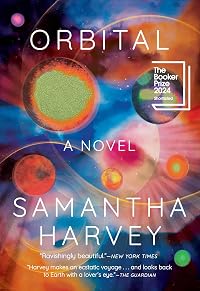
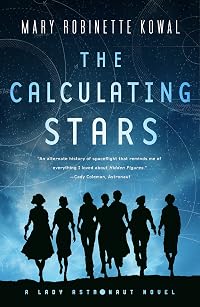
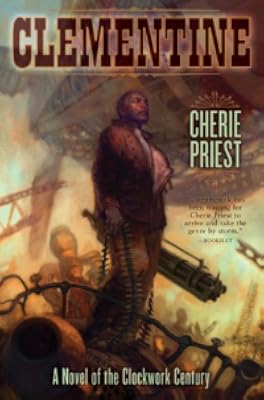
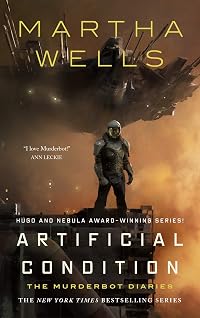
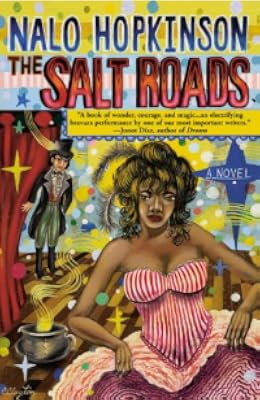
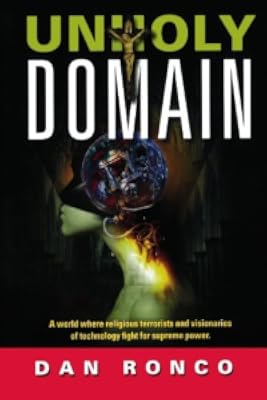
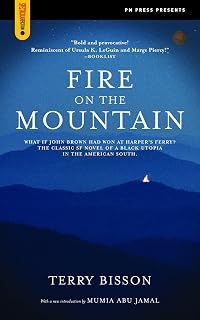
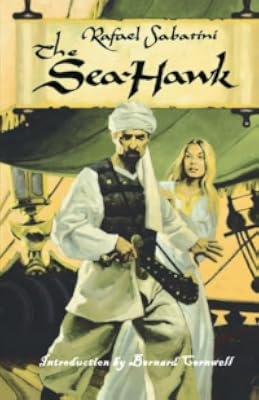
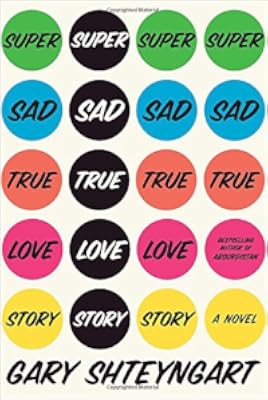
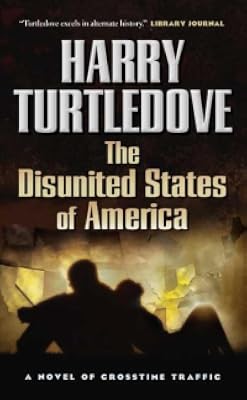
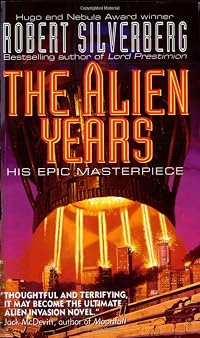
souci Distaff-dystopian: The future focussed on female
Member Reviews
It took me a while to catch up with the process of reviewing an e-book. First I found it, in iTunes. Next item on the agenda was finding it and opening it on my iPhone. Then: reading it and reviewing it. I loved the idea and hoped it worked.
A friend finally tipped me off to the real advantage of reading an e-book on an iPhone: when you stop reading (and touching the screen to turn the pages) the book, which is the light by which you read the book, TURNS ITSELF OFF! Is this not the ideal way to read in the middle of the night?
Once I got into it, I gave this book a try, and right away it showed itself to be a kind of new category: distaff-dystopian. Shall I create a new tag here on LibraryThing?? Must rummage around for that.
In the end I show more found that this book gave me an insight into how short the curve is in e-book publishing. It was actually like reading a promising but unedited manuscript. Lange created a fully realized future universe, but the book needed a strong hand to rein it in a make it a complete winner.
For example, the narrative voice moved smoothly between an omniscient narrator and the stream-of-consciousness of the main character. It was interesting that way, and it worked well. except for the stumbles which could have been fixed. The F-word appeared in full several times but also as "what the eff?" but neither phase of the voice demanded a euphemism.
The characters were believable, but the dialogue was naturalistic to the point of sloppiness, ("Don't try that ol' guilt trick.") with slang of exactly TODAY ("You got the shaft, didn't you?") mixed with self-conscious futurisms ("It was a faster boat, one equipped with a turbo time driver...) Huh?
And there were other glaring anachronisms, as when a character preparing merchandise for inter-galactic shipping marks them with sticky notes and a sharpie–brand-names pin-point-able to our time–while the writer also made up future trade names and marked them with an ®, in itself something that seems like it might not last 100 years let alone 1,000.
I think what could have been useful would have been a rubric to govern future-speak in all its phases–narrative, descriptive and spoken. It would be such a fun project it is almost tempting to just do as an exercise. If only time permitted...
This did turn out to be a fun try at reading e-books, and how better to enter the immediate future than with a science fiction work on a multi-purpose hand-held device? show less
A friend finally tipped me off to the real advantage of reading an e-book on an iPhone: when you stop reading (and touching the screen to turn the pages) the book, which is the light by which you read the book, TURNS ITSELF OFF! Is this not the ideal way to read in the middle of the night?
Once I got into it, I gave this book a try, and right away it showed itself to be a kind of new category: distaff-dystopian. Shall I create a new tag here on LibraryThing?? Must rummage around for that.
In the end I show more found that this book gave me an insight into how short the curve is in e-book publishing. It was actually like reading a promising but unedited manuscript. Lange created a fully realized future universe, but the book needed a strong hand to rein it in a make it a complete winner.
For example, the narrative voice moved smoothly between an omniscient narrator and the stream-of-consciousness of the main character. It was interesting that way, and it worked well. except for the stumbles which could have been fixed. The F-word appeared in full several times but also as "what the eff?" but neither phase of the voice demanded a euphemism.
The characters were believable, but the dialogue was naturalistic to the point of sloppiness, ("Don't try that ol' guilt trick.") with slang of exactly TODAY ("You got the shaft, didn't you?") mixed with self-conscious futurisms ("It was a faster boat, one equipped with a turbo time driver...) Huh?
And there were other glaring anachronisms, as when a character preparing merchandise for inter-galactic shipping marks them with sticky notes and a sharpie–brand-names pin-point-able to our time–while the writer also made up future trade names and marked them with an ®, in itself something that seems like it might not last 100 years let alone 1,000.
I think what could have been useful would have been a rubric to govern future-speak in all its phases–narrative, descriptive and spoken. It would be such a fun project it is almost tempting to just do as an exercise. If only time permitted...
This did turn out to be a fun try at reading e-books, and how better to enter the immediate future than with a science fiction work on a multi-purpose hand-held device? show less
 This review was written for LibraryThing Early Reviewers.
This science fiction book is off to a good and intriguing start. Marla Gershe, a dedicated and hard-working manager in a futuristic textile factory, is having a bad day. The deadlines for production are impossible and top management is ignoring her requests for more resources. She’s had enough and she starts a mini-revolution, only to end up unconscious in hospital after being shot in the stomach by a police officer. As she regains her senses, and her memory, she decides to start a new life far away from The Textile Planet, so she buys herself an exorbitantly priced ticket on the next space shuttle and leaves, never to come back. How she ends up on a desolate piece of rock in a yet uncharted part of the universe, falls in love with a show more naked man with a long beard and learns how to communicate with ants/fleas – is all way beyond the scope of a short review.
But what promises to be a sci-fi plot interlaced with social statements about exploitation of workers, the callousness of big business and the solitude of modern man – is sadly not so. As the plot thickens the book loses its focus. Marla’s adventures on her runaway journey go off on different tangents, and if it weren’t for the relatively fast pace of Lange’s writing (and the short length of the book), I’m afraid I would have lost my bearings. The prose is also somewhat awkward; for example, there is excessive use of long lists of synonyms to describe a situation or an action. Some editing would have worked miracles for the flow of the book.
All in all, it’s an intriguing story that could have benefited from a better delivery. show less
But what promises to be a sci-fi plot interlaced with social statements about exploitation of workers, the callousness of big business and the solitude of modern man – is sadly not so. As the plot thickens the book loses its focus. Marla’s adventures on her runaway journey go off on different tangents, and if it weren’t for the relatively fast pace of Lange’s writing (and the short length of the book), I’m afraid I would have lost my bearings. The prose is also somewhat awkward; for example, there is excessive use of long lists of synonyms to describe a situation or an action. Some editing would have worked miracles for the flow of the book.
All in all, it’s an intriguing story that could have benefited from a better delivery. show less
This review was written for LibraryThing Early Reviewers.The Textile Planet... what can I say? I didn't hate it. Free early-reviewer e-book, so I couldn't really ask for more than that, except that I am now compelled to review it. It was not quite as bad as other reviews here led me to believe, and I'll be giving it more than a one star rating.
The story of a woman who has just had enough bad treatment from her employers, quits her job, leaves her home planet, and roams the galaxy in an attempt to find herself.
The book wasn't boring. It was actually a fairly quick and easy read. A few awkward passages here and there, mostly in the first chapter. But my major problem lies with the ending, which sucks donkey balls. It's just one small step away from being "all a dream". Not as bad as that, but show more pretty close: the conspiracy you thought was real and which propelled the entire plot forward was actually all a psychotic fever dream of the main character. Extremely unsatisfying. And the last one-line chapter, what the hell? Was it meant to be amusing? Because I was most assuredly not amused.
I do have to add that the PDF copy that I received was a mess. It appears to have been composed of scanned images run through an OCR algorithm. When viewed in Stanza on my iPod Touch, every single instance of "floor" became "foor", "flash" became "fash" and so on. I don't believe this is necessarily the fault of the author, or that it should affect my rating in any way, but I just needed to put it out there.
Otherwise... again, I didn't hate it. show less
The story of a woman who has just had enough bad treatment from her employers, quits her job, leaves her home planet, and roams the galaxy in an attempt to find herself.
The book wasn't boring. It was actually a fairly quick and easy read. A few awkward passages here and there, mostly in the first chapter. But my major problem lies with the ending, which sucks donkey balls. It's just one small step away from being "all a dream". Not as bad as that, but show more pretty close: the conspiracy you thought was real and which propelled the entire plot forward was actually all a psychotic fever dream of the main character. Extremely unsatisfying. And the last one-line chapter, what the hell? Was it meant to be amusing? Because I was most assuredly not amused.
I do have to add that the PDF copy that I received was a mess. It appears to have been composed of scanned images run through an OCR algorithm. When viewed in Stanza on my iPod Touch, every single instance of "floor" became "foor", "flash" became "fash" and so on. I don't believe this is necessarily the fault of the author, or that it should affect my rating in any way, but I just needed to put it out there.
Otherwise... again, I didn't hate it. show less
This review was written for LibraryThing Early Reviewers.This is a strange book.
It is a story of how the heroine, Marla Gershe, starts out as a floor manager in a weaving factory sweatshop, starts a rebellion because of overwork during which she gets shot and spends a lengthy time in hospital. She then has to flee the Textile Planet to hide from repercussions, and, after travelling ‘smoking class’ on a starship, she arrives impauperised at the rogue planet Ansonia to hide. Here she builds a much-needed fortune, which she sinks in buying an uncharted, resourceless, desert planet at the edge of the universe, to which she escapes upon being discovered, and where she almost dies. However, she is rescued by the only other inhabitant, Sol – himself a fugitive. One day, they are visited by show more Zud who has discovered an alternative source of energy and needs Marla’s planet as a base for development. This makes Marla rich again. Through all this, she is plagued by a bad conscience for leaving her friend Saddle in the lurch on fleeing the Textile Planet. Finally, she returns to the planet illegally on a mission to save Saddle, only to be discovered and apprehended. However, in the denouement, it appears that Marla was originally the victim of a criminal plot to exploit workers, and that Saddle and her co-workers are no longer the victims of inhuman exploitation. So, finally, she returns to her own planet, which is now a great commercial success.
Although set on a background of outrageously impossible physics, and ridiculous co-incidences, the story is nevertheless captivating and difficult to put down. One wonders the whole time about what is going to happen next, and one has to read on to see. Ignoring the rather weak ending and poor dialogue, which is actually possible in this case, the book is well worth the read. show less
It is a story of how the heroine, Marla Gershe, starts out as a floor manager in a weaving factory sweatshop, starts a rebellion because of overwork during which she gets shot and spends a lengthy time in hospital. She then has to flee the Textile Planet to hide from repercussions, and, after travelling ‘smoking class’ on a starship, she arrives impauperised at the rogue planet Ansonia to hide. Here she builds a much-needed fortune, which she sinks in buying an uncharted, resourceless, desert planet at the edge of the universe, to which she escapes upon being discovered, and where she almost dies. However, she is rescued by the only other inhabitant, Sol – himself a fugitive. One day, they are visited by show more Zud who has discovered an alternative source of energy and needs Marla’s planet as a base for development. This makes Marla rich again. Through all this, she is plagued by a bad conscience for leaving her friend Saddle in the lurch on fleeing the Textile Planet. Finally, she returns to the planet illegally on a mission to save Saddle, only to be discovered and apprehended. However, in the denouement, it appears that Marla was originally the victim of a criminal plot to exploit workers, and that Saddle and her co-workers are no longer the victims of inhuman exploitation. So, finally, she returns to her own planet, which is now a great commercial success.
Although set on a background of outrageously impossible physics, and ridiculous co-incidences, the story is nevertheless captivating and difficult to put down. One wonders the whole time about what is going to happen next, and one has to read on to see. Ignoring the rather weak ending and poor dialogue, which is actually possible in this case, the book is well worth the read. show less
This review was written for LibraryThing Early Reviewers.This is science fiction written on a large scale. It goes from the familiar to the outer, unexplored, reaches of the universe where people can buy the odd unexplored planet to live on. It is, nevertheless, totally internally consistent and the people who act across this incredible canvas are as believable as you and me.
The story starts in a weaving factory run by a huge company called BAC. As you might expect, you find this concern operating on Textile Planet. Marla, our heroine, is the supervisor of a weaving shed with about 10 weavers working under her. On the first day we meet her, she is required to produce fabrics for a stunning fashion show that very night. But half her weavers have been taken by someone superior to her for show more another urgent job. In the end she storms off to confront the directors in a board meeting. They come down to her shed just as a weaver is taken to hospital after catching her hand in the loom. The directors don’t think there is much wrong. Then a loom starts to smoke. Marla hits an alarm and the factory fire brigade arrives and the sprinkler system starts to work. Also robot mannequins join in the fun. The directors don’t know what to do or say. Marla’s anger at the way she and her workers have been treated winds up and up and up. In the end she presses an alarm button that brings the armed police in. She is marked as the riot leader and a rookie shoots her with his xanthan gun. It wounds but doesn’t kill.
Next thing she knows she’s in hospital. All wrapped up and being treated by robots. She can remember nothing. When she remembers her name, she is rewarded by being given a real male orderly, Charney. When she remembers who she worked for, she is suddenly given the best of everything. She meets a Dr Ivovna who interrogates her in an attempt to get her to remember everything. To start with Marla is suspended in a cold mineral solution until she remembers suitable details when it becomes warm. OK. This is Skinner’s Rats and Pavlov’s Dogs. But it probably works quite well. Anyway, we end up with Marla having remembered everything and having told it all to Dr Ivovna, including, at the end, her anger. At this point she is discharged. So Dr Ivovna takes her home and makes sure she goes into her flat. She expects Marla to be back to work the next morning.
But Marla has some money stashed away for just this sort of occasion. She collects it and sets off on the train to the terminus by the pad where spaceships take off for all parts of the universe. Not having all the paperwork, she ends up in the hands of a tout who forges her papers, gives her a new name and tickets for the furthest planet anyone would go to. It was also used as a convict dump. Her first stop to change ship is the planet Buxton. There she meets Charney who tells her that the firm she worked for on Textile Planet was conducting experiments to see how much people could take before they cracked up. They agree to meet up the next day. When she sees his picture on a news screen that describes his murder, she panics and gets on the first ship she can. It carries illegal cargo as well as a huge bunch of convicts. So, in time honoured fashion, she signs on as assistant cook.
She gets Ansonia and finds it easy to get all sorts of work. She sometimes gives it up after a day or two weeks until she signs up to be a data inputter. Meko is in charge of the job. They become very friendly. It turns out that they are shoving data into a huge system in case it could be useful and be sold to all comers. It turns out that Dr Ivovna has come to Meko with a contract to find Marla. So Marla, using money she has saved from the job, buys a planet - XKJ10 – on the outskirts of the known universe and escapes.
When she gets there she discovers that it is a desert planet. She is just able to survive and notices that there some ant-like creatures on the planet. Then in a huge electrical storm all her shelter and supplies are destroyed. She comes to faced by a man with a three foot long beard. It turns out that he was dumped by his spaceship four or five years before when they needed to jettison cargo. In that time he has learned to communicate with the ants. Then some great space hooligan arrives and tries to buy the planet from Marla. They decide that he must have found the matter/anti-matter divide and wants to exploit it for tourism purposes. They turn down all his offers and, with help from a couple of friends, build a hotel and general store on the plant which turn out to be popular.
Marla decides that she needs to get back to the Textile Planet to rescue a good friend of hers. When she gets to the Textile Planet, things have changed and the truth about everything that has happened since the beginning of the book emerges. It’s the last thirty to forty pages that turn the previously carefully constructed story on its head. Brilliant surprise! show less
The story starts in a weaving factory run by a huge company called BAC. As you might expect, you find this concern operating on Textile Planet. Marla, our heroine, is the supervisor of a weaving shed with about 10 weavers working under her. On the first day we meet her, she is required to produce fabrics for a stunning fashion show that very night. But half her weavers have been taken by someone superior to her for show more another urgent job. In the end she storms off to confront the directors in a board meeting. They come down to her shed just as a weaver is taken to hospital after catching her hand in the loom. The directors don’t think there is much wrong. Then a loom starts to smoke. Marla hits an alarm and the factory fire brigade arrives and the sprinkler system starts to work. Also robot mannequins join in the fun. The directors don’t know what to do or say. Marla’s anger at the way she and her workers have been treated winds up and up and up. In the end she presses an alarm button that brings the armed police in. She is marked as the riot leader and a rookie shoots her with his xanthan gun. It wounds but doesn’t kill.
Next thing she knows she’s in hospital. All wrapped up and being treated by robots. She can remember nothing. When she remembers her name, she is rewarded by being given a real male orderly, Charney. When she remembers who she worked for, she is suddenly given the best of everything. She meets a Dr Ivovna who interrogates her in an attempt to get her to remember everything. To start with Marla is suspended in a cold mineral solution until she remembers suitable details when it becomes warm. OK. This is Skinner’s Rats and Pavlov’s Dogs. But it probably works quite well. Anyway, we end up with Marla having remembered everything and having told it all to Dr Ivovna, including, at the end, her anger. At this point she is discharged. So Dr Ivovna takes her home and makes sure she goes into her flat. She expects Marla to be back to work the next morning.
But Marla has some money stashed away for just this sort of occasion. She collects it and sets off on the train to the terminus by the pad where spaceships take off for all parts of the universe. Not having all the paperwork, she ends up in the hands of a tout who forges her papers, gives her a new name and tickets for the furthest planet anyone would go to. It was also used as a convict dump. Her first stop to change ship is the planet Buxton. There she meets Charney who tells her that the firm she worked for on Textile Planet was conducting experiments to see how much people could take before they cracked up. They agree to meet up the next day. When she sees his picture on a news screen that describes his murder, she panics and gets on the first ship she can. It carries illegal cargo as well as a huge bunch of convicts. So, in time honoured fashion, she signs on as assistant cook.
She gets Ansonia and finds it easy to get all sorts of work. She sometimes gives it up after a day or two weeks until she signs up to be a data inputter. Meko is in charge of the job. They become very friendly. It turns out that they are shoving data into a huge system in case it could be useful and be sold to all comers. It turns out that Dr Ivovna has come to Meko with a contract to find Marla. So Marla, using money she has saved from the job, buys a planet - XKJ10 – on the outskirts of the known universe and escapes.
When she gets there she discovers that it is a desert planet. She is just able to survive and notices that there some ant-like creatures on the planet. Then in a huge electrical storm all her shelter and supplies are destroyed. She comes to faced by a man with a three foot long beard. It turns out that he was dumped by his spaceship four or five years before when they needed to jettison cargo. In that time he has learned to communicate with the ants. Then some great space hooligan arrives and tries to buy the planet from Marla. They decide that he must have found the matter/anti-matter divide and wants to exploit it for tourism purposes. They turn down all his offers and, with help from a couple of friends, build a hotel and general store on the plant which turn out to be popular.
Marla decides that she needs to get back to the Textile Planet to rescue a good friend of hers. When she gets to the Textile Planet, things have changed and the truth about everything that has happened since the beginning of the book emerges. It’s the last thirty to forty pages that turn the previously carefully constructed story on its head. Brilliant surprise! show less
This review was written for LibraryThing Early Reviewers.The Textile Planet is a super condensed novella that sets off on a frenetic pace that never seems to let up. The read could be stimulating and exhilarating, however I found myself stumbling over stilted dialogue, and poor editing. The Textile Planet falls into the genre of Science Fiction Lite (my own term) and it should (or could) be a story I loved, since I am a bonafide Sci-Fi Lite fan, however I couldn't get over the choppy writing.
I think this could be an interesting book - if Lange took some more time fleshing out the descriptions and working on improving the flow. The book is dialogue driven with the descriptive elements either being too detailed or not detailed enough. To me, this is not a finalized book, but a work in progress, show more and I would have been a happier reader, if I had received this book after a good editor had worked it over. show less
I think this could be an interesting book - if Lange took some more time fleshing out the descriptions and working on improving the flow. The book is dialogue driven with the descriptive elements either being too detailed or not detailed enough. To me, this is not a finalized book, but a work in progress, show more and I would have been a happier reader, if I had received this book after a good editor had worked it over. show less
This review was written for LibraryThing Early Reviewers.The Textile Planet is as story with an interesting setting and a good start idea, but sadly suffers from its rather inconsistent writing. Some parts are packed with action and are good reads, but they are separated by lengthy pseudo-philosophical ramblings and descriptive passages that strongly contrast in style with the rest of the story. I wanted to know the end of the story and so kept on reading, but it wasn't a page-turner.
This review was written for LibraryThing Early Reviewers.Members
- Recently Added By
Published Reviews
ThingScore 25
added by MBels
Author Information

8+ Works 129 Members
Sue Lange is a founding member of Book View Café, an authors' collective that includes over 30 published writers. Lange's first novel, Tritcheon Hash, was published in 2003 by Metropolis Ink and re-published in 2011 by BVC. Her second novel, We, Robots, was published by Aqueduct Press in 2007. In 2009 BVC published a collection of her short show more stories entitled Uncategorized and in 2010 released her literary science fiction novel The Textile Planet. (Bowker Author Biography) show less
Common Knowledge
- People/Characters
- Marla Gershe; Sol Trest; Dr. Ivovna; Charney Gowither; Saddle Dent; Hunter (show all 7); Meko
- Important places
- The Textile Planet; Ansonia; Planet XKJ10; Walloon
- First words
- Immediately following Marla Gershe's nonexistent coffee break at three in the afternoon, a policeman shot her through the mid-section with one of those newfangled xanthan guns. That simple act changed her life forever. Actu... (show all)ally, her life had been changing slowly over the previous few months, but everything came to a head starting at 5:15 a.m. the day she was shot. Let's take a look.
- Last words
- (Click to show. Warning: May contain spoilers.)No, it wasn't a heart attack. She just fainted. She was fine. The End.
Classifications
- Genres
- Fiction and Literature, Science Fiction
- BISAC
Statistics
- Members
- 38
- Popularity
- 763,166
- Reviews
- 24
- Rating
- (2.05)
- Languages
- English
- Media
- Audiobook, Ebook
- ISBNs
- 1
- ASINs
- 2