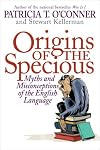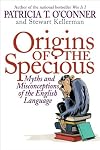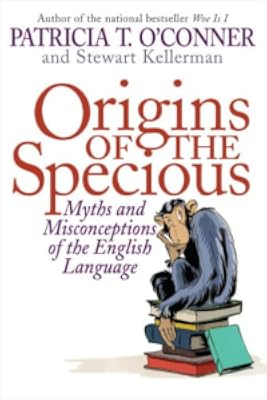
Origins of the Specious: Myths and Misconceptions of the English Language
by Patricia T. O'Conner, Stewart Kellerman
On This Page
Description
A delightfully witty and informative book for fans of Patricia T. O'Conner's previous bestseller Woe Is I and other popular books on language, like Eats, Shoots & Leaves and The Elements of Style. Do the British really speak better English than Americans do? Why don't French women wear brassieres? Does ain't deserve its bad rep? Should niche rhyme with quiche? Not so fast--the answers may surprise you! In this fascinating book, the authors cover the whole nine yards (another source of lore!) show more and debunk myths that have bamboozled word-loving fans of their popular blog, books, and broadcasts. Prepare to change your mind about where words come from and where they're going. Yesterday's blooper could be tomorrow's bon mot. Here's a delightful primer on the eccentricities of the ever-changing, endlessly entertaining English language. show lessTags
Recommendations






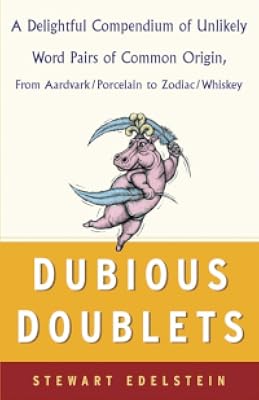
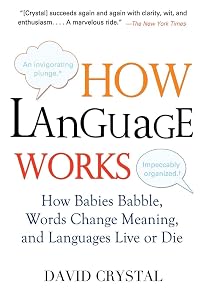
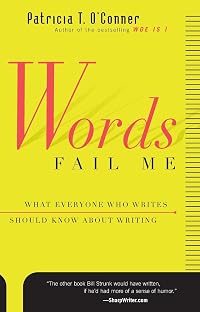
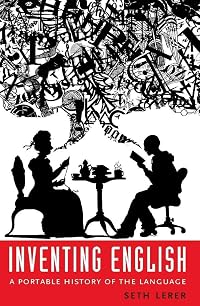
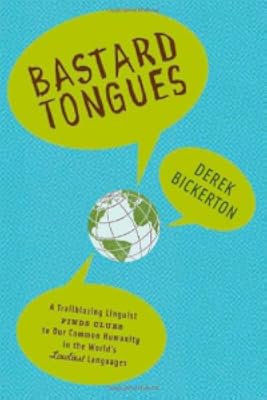

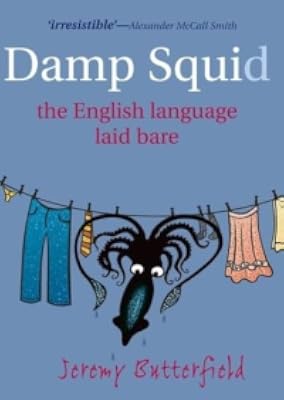
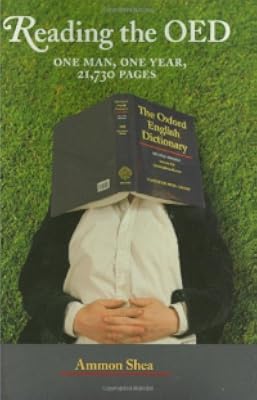
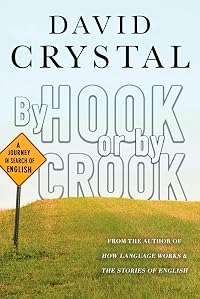
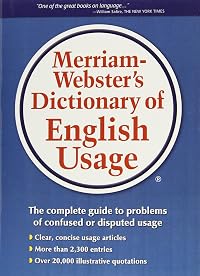
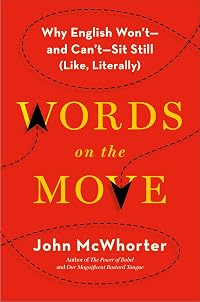
Member Recommendations
Member Reviews
This is a great book about all those rules about English grammar, pronunciation and etymology. Many of them are based on false premises such as 19th-century Latinists trying to make English fit the rules of Latin grammar. Others thought to be long-time steadfast rules are actually recent innovations. So go ahead and use "they" for both singular and plural just the same way we use "you." If your pedant friend insists on Latin plurals for certain words tell them there's a long history for "octopuses," "stadiums," and "forums" and that they're perfectly acceptable. And start a sentence with a conjunction, there's no reason not to. Nor is there any reason for not to boldly split those infinitives. The best part of this book is that it show more recognizes the evolutionary and crowd-sourced aspect of language that is always changing. It's a democracy where everyone has but one vote and what is correct is what is best understood. As O'Conner puts it "It's better to be understood than to be correct." show less
This book could not possibly not appeal to my confirmation bias. Disclosure: I've known for many years that Robert Lowth and his ilk are responsible for the unnecessary harm caused to grade school students all over the US - and probably elsewhere - when they tried to jam a Germanic language into Latin ... you can end a sentence in a preposition, have multiple negatives, and a host of other knuckle-rapping-thou-shalt-nots. Ms. O'Conner calls them out several times in this wonderful book. And much more.
Singular words that once were plural, plurals that were once singular, adverbs modifying whole sentences, origins of pronunciation, the drift between older modern British English (pre-19th century) and American English (turns out the New show more Englanders have been saying things right, with their dropped Rs...the Brits put them back in, ... and then lengthens their vowels (while doing their of dropping, syllabically that is.) She says "For one thing, we tend to use regular—and often older—past tenses (“burned,” “learned,” “spoiled,” “smelled”), while the British like irregular—and often newer—endings (“burnt,” “learnt,” “spoilt,” “smelt”). "
And grammar-Nazis abound, sometimes arguing both sides of the same infraction, because "English is often untidy, and we can find something in the disorder to support just about any position."
I like
And, a new one for me, "A mondegreen is a misunderstanding in which a familiar song lyric, bit of poetry, or popular expression is misinterpreted or misheard." Now I know what to call the " 'Scuse Me While I Kiss This Guy" unfortunate.
Anyway, now I want to read her other books. show less
Singular words that once were plural, plurals that were once singular, adverbs modifying whole sentences, origins of pronunciation, the drift between older modern British English (pre-19th century) and American English (turns out the New show more Englanders have been saying things right, with their dropped Rs...the Brits put them back in, ... and then lengthens their vowels (while doing their of dropping, syllabically that is.) She says "For one thing, we tend to use regular—and often older—past tenses (“burned,” “learned,” “spoiled,” “smelled”), while the British like irregular—and often newer—endings (“burnt,” “learnt,” “spoilt,” “smelt”). "
And grammar-Nazis abound, sometimes arguing both sides of the same infraction, because "English is often untidy, and we can find something in the disorder to support just about any position."
I like
It’s never been wrong to “split” an infinitive. That bogus rule is the most infamous member of a gang of myths that grammarians have been trying to rub out for a century and a half: Don’t end a sentence with a preposition! Don’t begin one with a conjunction! Don’t use a double negative! Don’t use “none” as a plural! Many of these don’ts were concocted in the eighteenth and nineteenth centuries by overzealous Latinists in a misguided attempt to force English to play by the rules of Latin.Yes!! Ms. O'Conner puts to bed peeves of mine, such as
The singular “octopus” comes from Greek and means eight-footed. The original plural, “octopodes,” was Anglicized over the years to “octopuses.” But in the mid-1800s some misguided Latinists (at it again!) tried to substitute the Latin plural ending -pi for the Greek -podes. It was an illegitimate idea that appealed to would-be pedants with weak classical educations.I did learn a few things...
A lot of hot air has also been expended over “bloviate,” which the word police regard as an ugly newcomer. But the word actually originated in mid-nineteenth century Ohio, when it meant what it means today—to blather on pompously. It’s one of those humorous mock-Latin formations (like “absquatulate,” “discombobulate,” and others), and it blew in around the same time as “bloviator” and “blowhard.”So Bill O'Reilly, Tucker Carlson, well...the whole "News"Channel entertainment cast, that apt term is more than 150 years old, as if anticipating you!
And, a new one for me, "A mondegreen is a misunderstanding in which a familiar song lyric, bit of poetry, or popular expression is misinterpreted or misheard." Now I know what to call the " 'Scuse Me While I Kiss This Guy" unfortunate.
Anyway, now I want to read her other books. show less
As the subtitle says -- or maybe even "like the subtitle says" -- this book explores various myths and misconceptions about English, from "rules" of grammar that are actually nothing of the sort, to stories about the origins of words and phrases that just aren't true, to French words we use in English that don't actually exist in French, to words and phrases that are often misunderstood (sometimes to the point where the "misunderstood" version is becoming standard), to common language nitpicks where it may be the nitpicker in the wrong, either because they're arguing for something that's irrecoverably changed or for something that never made much sense in the first place. Oh, and there's a chapter on dirty words, too.
I enjoyed the show more grammar parts best, I think, just because I always like an excuse to indulge my righteous anger against those who enjoy sniffing at others for splitting infinitive or dangling prepositions when that is how English actually works. The stuff about etymology was slightly less interesting to me, but I'm pretty sure that's just because I've already read one too many books on that subject, not because there was anything at all wrong with this one.
Indeed, it's a fun, breezy, easy read, full of clever puns and entertaining anecdotes. It also features some decent practical advice about when you might want to embrace or avoid controversial or disputed ways of using words. Much of that's a matter of opinion, of course, and I don't 100% agree with all of it, but it's generally sane and sensible opinion, which is more than you can say for a lot of opinions about language. show less
I enjoyed the show more grammar parts best, I think, just because I always like an excuse to indulge my righteous anger against those who enjoy sniffing at others for splitting infinitive or dangling prepositions when that is how English actually works. The stuff about etymology was slightly less interesting to me, but I'm pretty sure that's just because I've already read one too many books on that subject, not because there was anything at all wrong with this one.
Indeed, it's a fun, breezy, easy read, full of clever puns and entertaining anecdotes. It also features some decent practical advice about when you might want to embrace or avoid controversial or disputed ways of using words. Much of that's a matter of opinion, of course, and I don't 100% agree with all of it, but it's generally sane and sensible opinion, which is more than you can say for a lot of opinions about language. show less
I was enchanted with this book and a little miffed that my English teachers didn't know English!Ms. O'Conner and Mr. Kellerman explain how common words and phrases developed different meanings over time. "Like", it's perfectly acceptable to "like" put "like" everywhere in a sentence ala Valley Girls et.al. even though it's "like" annoying. And on and on it goes. Every rule we were taught in school seems to be wrong.
Anyone who would like to know more about our fluid and explicit language will find this book enchanting.
Anyone who would like to know more about our fluid and explicit language will find this book enchanting.
Summary: Origins of the Specious is about half grammar guide and half etymological study, and it does exactly what the subtitle suggests: takes a look at some of the myths and misconceptions about the English language, and decides which ones can be ignored, and which are here to stay. There are sections on hard-and-fast grammar rules that aren't actually, swear words, phrases and expressions that are commonly confused, whether some un-PC words actually have un-PC origins, what really counts as the Queen's English anyways, the way pseudo-Latin and pseudo-French have crept into the language, etc. Each chapter is broken up into short mini-essays (a few paragraphs, typically), with the word or phrase under discussion as the heading.
Review: show more Etymology fascinates me, and I'm always interested in being a better and more grammatical writer, so I'm predisposed to find books like this interesting. I did pick up a lot of interesting trivia from this book; for example, I'd bet that most people lamenting the fact that having to use "he" as a generic third-person pronoun is sexist aren't aware that "they" used to be a perfectly acceptable choice, and the "he" rule was started by a woman. Or that any etymology that involves an acronym ("For Unlawful Carnal Knowledge" or "Fornication Under Consent of the King") but dates prior to the 1960s or so is probably wrong. Or that the first use of "Xmas" was in 1551, which well predates the supposed War on Christmas. There's also an extensive notes section, and what's better, an index, for looking up specific points to support your side when arguing about grammar on the internet. Also, since it's mostly trivia, I didn't find myself getting hyper-paranoid about the correctness of my own writing, like I did after Eats, Shoots, and Leaves or Lapsing Into a Comma.
My biggest issue with this book was that in each relevant section, O'Conner and Kellerman provide a "ruling" on acceptable usage, and that after a while, the reasons behind these rulings started to seem inconsistent. For example, they point out that it's okay to boldly split infinitives, because Shakespeare and his ilk did so, but then later in the book say that despite such greats of the English language using "niggardly" to mean "cowardly", that's probably not okay today. And common usage has changed "decimate" enough that it now means "cause great loss of life" rather than "execute one tenth of", but despite common usage, they're not willing to give up on the literal meaning of "literally". Those are all examples that I agree with (with the possible exception of "decimate"), but similar varying logic was used in a number of cases that I thought were more borderline. They do point out that these are just their opinions, and that English is an evolving language in which the majority rules... but since that's the case, it makes this book, and all similar ones, feel somewhat inconsequential. If the majority rules, what's the point of having a rulebook? 4 out of 5 stars.
Recommendation: It's not broad enough to be of use as a general grammar guide, but it should be of interest to word nerds as a source of fun trivia. show less
Review: show more Etymology fascinates me, and I'm always interested in being a better and more grammatical writer, so I'm predisposed to find books like this interesting. I did pick up a lot of interesting trivia from this book; for example, I'd bet that most people lamenting the fact that having to use "he" as a generic third-person pronoun is sexist aren't aware that "they" used to be a perfectly acceptable choice, and the "he" rule was started by a woman. Or that any etymology that involves an acronym ("For Unlawful Carnal Knowledge" or "Fornication Under Consent of the King") but dates prior to the 1960s or so is probably wrong. Or that the first use of "Xmas" was in 1551, which well predates the supposed War on Christmas. There's also an extensive notes section, and what's better, an index, for looking up specific points to support your side when arguing about grammar on the internet. Also, since it's mostly trivia, I didn't find myself getting hyper-paranoid about the correctness of my own writing, like I did after Eats, Shoots, and Leaves or Lapsing Into a Comma.
My biggest issue with this book was that in each relevant section, O'Conner and Kellerman provide a "ruling" on acceptable usage, and that after a while, the reasons behind these rulings started to seem inconsistent. For example, they point out that it's okay to boldly split infinitives, because Shakespeare and his ilk did so, but then later in the book say that despite such greats of the English language using "niggardly" to mean "cowardly", that's probably not okay today. And common usage has changed "decimate" enough that it now means "cause great loss of life" rather than "execute one tenth of", but despite common usage, they're not willing to give up on the literal meaning of "literally". Those are all examples that I agree with (with the possible exception of "decimate"), but similar varying logic was used in a number of cases that I thought were more borderline. They do point out that these are just their opinions, and that English is an evolving language in which the majority rules... but since that's the case, it makes this book, and all similar ones, feel somewhat inconsequential. If the majority rules, what's the point of having a rulebook? 4 out of 5 stars.
Recommendation: It's not broad enough to be of use as a general grammar guide, but it should be of interest to word nerds as a source of fun trivia. show less
This is a quick read that had some interesting information on word and phrase etymology. The authors give their advice about how best to handle some of the more "controversial" words but generally conclude that English is always changing and it is the people who are speaking and writing that ultimately decide what is correct. Horrors! It will be hard for me to take the authors' advice on some issues, such as employing "they" and "none" as either singular or plural.
Because I have read a number of other etymology books (and love to browse the Word Detective's website), some of these word histories were familiar to me, but there are others that were new. There were a few surprises for me in this book, particularly about words that used to show more be simpler but were "Frenchified" or "Latinized" by scholars or scribes trying to force them to have more illustrious histories. For example, words like debt and doubt originally did not have the silent "b"; and "octopuses" or "octopodes" has been the accepted plural of the Greek word octopus since it was adopted into English, but some folks decided it was Latin instead and tried to make the plural "octopi."
The writing style is light and conversational but it is clear that the authors know their stuff. This is an entertaining read for anyone who enjoys the craziness of the English language! show less
Because I have read a number of other etymology books (and love to browse the Word Detective's website), some of these word histories were familiar to me, but there are others that were new. There were a few surprises for me in this book, particularly about words that used to show more be simpler but were "Frenchified" or "Latinized" by scholars or scribes trying to force them to have more illustrious histories. For example, words like debt and doubt originally did not have the silent "b"; and "octopuses" or "octopodes" has been the accepted plural of the Greek word octopus since it was adopted into English, but some folks decided it was Latin instead and tried to make the plural "octopi."
The writing style is light and conversational but it is clear that the authors know their stuff. This is an entertaining read for anyone who enjoys the craziness of the English language! show less
If you love language, you'll likely enjoy this book and the dry, gently humor it utilizes to explain word etymologies and controversies. I like how it used citations and quotes to back-up its corrective claims. The book is a bit dated by now, mostly due to the humorous references (iPods are soooo last decade), but the information remains solid. At least, for a few more decades. As the book points out more than once, English is a democratic and oft-evolving language.
Members
- Recently Added By
Author Information

8 Works 4,296 Members
Patricia T. O'Conner, a former editor at The New York Times Book Review, has written for many magazines and newspapers, and is a popular blogger and radio commentator. She is the author of four other books on language and writing; Words Fail Me, Woe Is I Jr., and, with Stewart Kellerman, You Send Me and Origins of the Specious: Myths and show more Misconceptions of the English Language. show less
1 Work 289 Members
Common Knowledge
- Original publication date
- 2009
- Dedication
- For Dan Green
- First words
- My family was the first on our block to get a television set—a mahogany Philco console with rabbit ears protruding at odd angles from somewhere in the back.
- Last words
- (Click to show. Warning: May contain spoilers.)Like Webster's dictionary, I'm morocco bound.
- Blurbers
- Keillor, Garrison; Winchester, Simon; Feldman, David
Classifications
Statistics
- Members
- 293
- Popularity
- 109,763
- Reviews
- 15
- Rating
- (3.70)
- Languages
- English
- Media
- Paper, Ebook
- ISBNs
- 3
- ASINs
- 3