
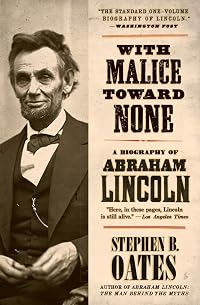
With Malice Toward None
by Stephen B. Oates
On This Page
Description
A biography of the sixteenth President of the United States, covering both his personal and public life.Tags
Recommendations
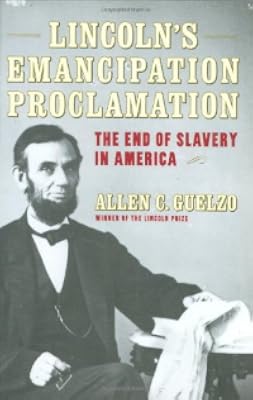
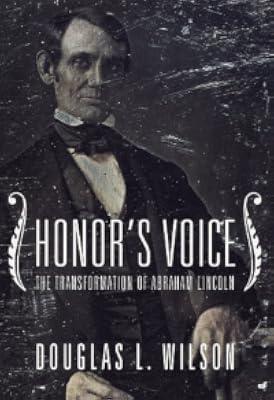
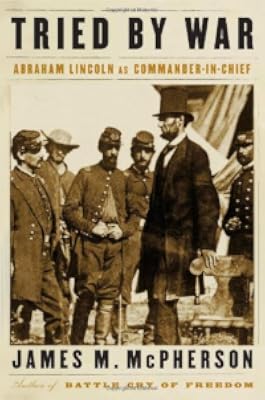
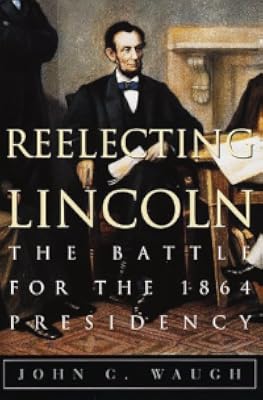








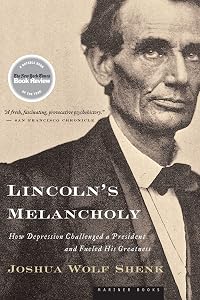


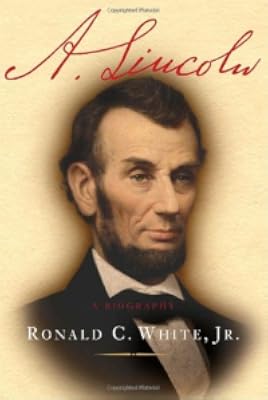
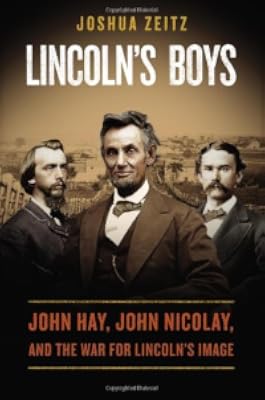
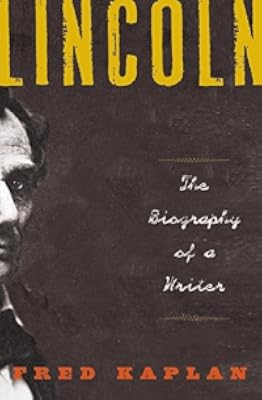




Member Recommendations

Member Reviews
Abraham Lincoln spoke his famous phrase “with malice toward none, with charity for all” in his second inaugural address. 41 days later, he took a bullet to the head, dying the next morning without regaining consciousness, the first of America’s murdered presidents.
The man whom a lifelong friend described as one who “always tried to plant a flower [of kindness] when he thought one would grow” fell to a cruelty with roots that persist into our own day. Because we know how his story ends, biographies of America’s sixteenth president often move in shadow. The man is lost in the martyr, the human in the symbol.
Stephen B. Oates, late professor of history at Amherst University, masterfully lifts the veil of civic godhood to present show more the person of Abraham Lincoln: born into poverty but intensely proud, intelligent, and ambitious; a self-made circuit-riding prairie lawyer at home in high society or low; skeptical of organized religion yet increasingly reverential toward that power whose purposes will not be denied; hollowed out by deep depressions and yet the unyielding rock of Union hopes.
Oates’s skill at charting Lincoln’s inner life is evident in his account of the long road to Lincoln’s most singular achievement: the Emancipation Proclamation. As Oates recounts Lincoln’s evolution toward this pivot point, it becomes hard to imagine that any other president would’ve done it. Many would’ve fought for the Union; none would have freed the slaves.
Lincoln always found slavery an affront to his own political gospel as embodied in the Declaration of Independence. Unique in his generation, he cherished no pride of superiority over blacks. As Frederick Douglass said, Lincoln was “the first great man that I talked with in the United States freely who in no single instance reminded me of the difference between himself and myself, of the difference of color.”
Still, Lincoln was a Union man, a party organizer, and a pragmatist. For most of his career, he asserted that the federal government could not interfere with slavery in the states, and advocated gradual emancipation and colonization of freed slaves elsewhere. He recognized that whites both North and South hated and feared blacks, and fell in with the common wisdom that a mixed society couldn’t exist.
The war changed this as nothing else could. As it stumbled on, liberal Republicans savaged Lincoln for not freeing slaves by presidential fiat, conservative Republicans warned him not to turn this into a war for black freedom, and Union Democrats fixed wary eyes on this backwoods huckster who might tear off his mask of moderate centrism to reveal a lawless abolitionist.
Lincoln only saw his way clear to proclaiming freedom to Confederate-owned slaves as bodies fell, blood rose, and the twin demands of total war and European neutrality created conditions which he believed justified a revolutionary measure. Once his decision was made, though, nothing could turn him from his purpose. As Lincoln said, “I am a slow walker, but I never walk back.”
Lincoln is one of the most fascinating of America’s presidents, and Oates brings out his character in clear and tragic strokes. Oates’s award-winning biography has been dogged by accusations of plagiarism, and there may be some truth to the charges. Oates professed himself deeply hurt to the point of damaging his health, and he largely withdrew from public view until his death in 2021. Whatever the case, his work remains a notable achievement, a pleasure to read, and one of the most accessible popular biographies of the Great Emancipator. show less
The man whom a lifelong friend described as one who “always tried to plant a flower [of kindness] when he thought one would grow” fell to a cruelty with roots that persist into our own day. Because we know how his story ends, biographies of America’s sixteenth president often move in shadow. The man is lost in the martyr, the human in the symbol.
Stephen B. Oates, late professor of history at Amherst University, masterfully lifts the veil of civic godhood to present show more the person of Abraham Lincoln: born into poverty but intensely proud, intelligent, and ambitious; a self-made circuit-riding prairie lawyer at home in high society or low; skeptical of organized religion yet increasingly reverential toward that power whose purposes will not be denied; hollowed out by deep depressions and yet the unyielding rock of Union hopes.
Oates’s skill at charting Lincoln’s inner life is evident in his account of the long road to Lincoln’s most singular achievement: the Emancipation Proclamation. As Oates recounts Lincoln’s evolution toward this pivot point, it becomes hard to imagine that any other president would’ve done it. Many would’ve fought for the Union; none would have freed the slaves.
Lincoln always found slavery an affront to his own political gospel as embodied in the Declaration of Independence. Unique in his generation, he cherished no pride of superiority over blacks. As Frederick Douglass said, Lincoln was “the first great man that I talked with in the United States freely who in no single instance reminded me of the difference between himself and myself, of the difference of color.”
Still, Lincoln was a Union man, a party organizer, and a pragmatist. For most of his career, he asserted that the federal government could not interfere with slavery in the states, and advocated gradual emancipation and colonization of freed slaves elsewhere. He recognized that whites both North and South hated and feared blacks, and fell in with the common wisdom that a mixed society couldn’t exist.
The war changed this as nothing else could. As it stumbled on, liberal Republicans savaged Lincoln for not freeing slaves by presidential fiat, conservative Republicans warned him not to turn this into a war for black freedom, and Union Democrats fixed wary eyes on this backwoods huckster who might tear off his mask of moderate centrism to reveal a lawless abolitionist.
Lincoln only saw his way clear to proclaiming freedom to Confederate-owned slaves as bodies fell, blood rose, and the twin demands of total war and European neutrality created conditions which he believed justified a revolutionary measure. Once his decision was made, though, nothing could turn him from his purpose. As Lincoln said, “I am a slow walker, but I never walk back.”
Lincoln is one of the most fascinating of America’s presidents, and Oates brings out his character in clear and tragic strokes. Oates’s award-winning biography has been dogged by accusations of plagiarism, and there may be some truth to the charges. Oates professed himself deeply hurt to the point of damaging his health, and he largely withdrew from public view until his death in 2021. Whatever the case, his work remains a notable achievement, a pleasure to read, and one of the most accessible popular biographies of the Great Emancipator. show less
In this small but valuable volume, Oates explores the reality beyond the two sources of Lincoln myth: the primary myth of a saintly and folkloric Lincoln of Carl Sandburg and a secondary myth of the 'white honky' Lincoln of the 1970's revisionists. Oates emphasizes that Lincoln drew deeply upon the "spirit of his age", which was a profoundly revolutionary time across the world. Oates relates how Lincoln absorbed one of the core lessons of America from the example of Henry Clay: : "in this country one can scarcely be so poor, but that, if he will, he can acquire sufficient education to get through the world respectably".
That slavery was the cause of the Civil War is beyond all doubt. As Oates explains, however, the North did not go to show more war to free the slaves. In the standard phrasing, the North went to war to 'preserve the union'. Oates explores Lincoln's fears that the spread of slavery in the wake of the Kansas-Nebraska Act and the Dred Scott decision would lead to the destruction of democratic society. The debate then still raged on the world stage whether a republican form of government could last. Lincoln rejected the "ingenious sophism" that states could freely leave the Union. "With rebellion thus sugar coated [southern leaders] have been drugging the public mind of their section for more than thirty years." Secession posed nothing less than a final challenge to popular government. If a minority could destroy the government any time it felt aggrieved, then no government could endure. Thus the war had to be fought to preserve not just the American Republic, but the possibility of republican government.
Lincoln did in fact oppose slavery from early on. His views on racial matters apart from slavery became more fully progressive over time. Lincoln, however, hoped that slavery would slowly melt away in a losing competition with free labor and that liberated slaves would resettle in Africa. It is part of Lincoln's greatness that he later gave up these views. Oates explores this evolution in his thinking. Oates debunks the notion that the Emancipation Proclamation was unimportant in liberating the slaves. Oates also refutes the notion that Lincoln would have favored an easy hand during Reconstruction. On the contrary, the evidence strongly suggests he would have led the so-called Radical Republicans.
Highly recommended for any reader with an interest in Lincoln, the Civil War era, or really pretty much any American. show less
That slavery was the cause of the Civil War is beyond all doubt. As Oates explains, however, the North did not go to show more war to free the slaves. In the standard phrasing, the North went to war to 'preserve the union'. Oates explores Lincoln's fears that the spread of slavery in the wake of the Kansas-Nebraska Act and the Dred Scott decision would lead to the destruction of democratic society. The debate then still raged on the world stage whether a republican form of government could last. Lincoln rejected the "ingenious sophism" that states could freely leave the Union. "With rebellion thus sugar coated [southern leaders] have been drugging the public mind of their section for more than thirty years." Secession posed nothing less than a final challenge to popular government. If a minority could destroy the government any time it felt aggrieved, then no government could endure. Thus the war had to be fought to preserve not just the American Republic, but the possibility of republican government.
Lincoln did in fact oppose slavery from early on. His views on racial matters apart from slavery became more fully progressive over time. Lincoln, however, hoped that slavery would slowly melt away in a losing competition with free labor and that liberated slaves would resettle in Africa. It is part of Lincoln's greatness that he later gave up these views. Oates explores this evolution in his thinking. Oates debunks the notion that the Emancipation Proclamation was unimportant in liberating the slaves. Oates also refutes the notion that Lincoln would have favored an easy hand during Reconstruction. On the contrary, the evidence strongly suggests he would have led the so-called Radical Republicans.
Highly recommended for any reader with an interest in Lincoln, the Civil War era, or really pretty much any American. show less
I had originally decided not to read a Lincoln bio since Lincoln is one president that I know something about but the Fillmore and Buchanan bios gave such a "peculiar" perspective towards Lincoln, Seward, Weed, and other so-called "black" or "radical" Republicans, that I needed to get their side of the story. Also this book popped off the shelf when I was idly looking at recently published history at the library.
There were a few surprises. Considering how the South reacted to Lincoln's election I definitely didn't realize how far Lincoln and his administration was willing to compromise. His line was drawn at the spread of slavery, not its existence. Yet he went farther than anyone except the Abolitionists in embracing the quintessential show more American ideal: "...all men are created equal..."
It's very much a lesson in how people shape reality to fit their expectations rather than the other way around. It didn't matter what Lincoln said, the South always took it the way modern right-wingers twist the meaning of everything Obama says. It would be funny if it wasn't so sickening and unnecessary.
Lincoln, though, was incredible. He learned from his mistakes—which were plentiful—endured personal tragedy and inconstant support by his loved ones, and harnessed some of the premiere prima donnas of American history. Should he have bothered? I don't know. The North and South probably would have fought over expansion anyway. But he took a stand for what was right.
The Lincoln story is so huge that this book is at best a well-informed overview. It's well written and sympathetically evokes Lincoln the man before he became an icon.
I've still got a few antebellum presidents to clean up—Zachery Taylor and the 2nd volume on Pierce, and maybe Madison. I'd like to know more about Thomas Hart Benton, Sam Houston, Seward and Weed, and the Abolitionists. I'm also heading South to read about the folks who started the whole shebang, maybe read a full bio of Jefferson Davis, Alexander Stephens, and a little more on Toombs, Rhett, Cobb, and their ilk. Sadly, I'm starting to think that conventional wisdom is right and that the issue was slavery all along. It takes hubris to be a slave owner, an autocratic, unyielding state of mind that can't admit mistake. I've gone a long way to come back to the beginning. show less
There were a few surprises. Considering how the South reacted to Lincoln's election I definitely didn't realize how far Lincoln and his administration was willing to compromise. His line was drawn at the spread of slavery, not its existence. Yet he went farther than anyone except the Abolitionists in embracing the quintessential show more American ideal: "...all men are created equal..."
It's very much a lesson in how people shape reality to fit their expectations rather than the other way around. It didn't matter what Lincoln said, the South always took it the way modern right-wingers twist the meaning of everything Obama says. It would be funny if it wasn't so sickening and unnecessary.
Lincoln, though, was incredible. He learned from his mistakes—which were plentiful—endured personal tragedy and inconstant support by his loved ones, and harnessed some of the premiere prima donnas of American history. Should he have bothered? I don't know. The North and South probably would have fought over expansion anyway. But he took a stand for what was right.
The Lincoln story is so huge that this book is at best a well-informed overview. It's well written and sympathetically evokes Lincoln the man before he became an icon.
I've still got a few antebellum presidents to clean up—Zachery Taylor and the 2nd volume on Pierce, and maybe Madison. I'd like to know more about Thomas Hart Benton, Sam Houston, Seward and Weed, and the Abolitionists. I'm also heading South to read about the folks who started the whole shebang, maybe read a full bio of Jefferson Davis, Alexander Stephens, and a little more on Toombs, Rhett, Cobb, and their ilk. Sadly, I'm starting to think that conventional wisdom is right and that the issue was slavery all along. It takes hubris to be a slave owner, an autocratic, unyielding state of mind that can't admit mistake. I've gone a long way to come back to the beginning. show less
Abraham Lincoln is one of the giants of American history. By this, I mean that so much has been written about him and his times that it's hard to get one's arms around the subject. Just like Washington and Jefferson, one could spend a lifetime of reading and find that there's still more to be read. Where to start?
With Malice Toward None serves well as an introductory biography of Lincoln. On the one hand, Oates makes his subject come alive. On the other hand, Lincoln is more than he appears here. I left this work wanting to dig much deeper - perhaps that's the best recommendation for a popular biography of such a complex man.
With Malice Toward None serves well as an introductory biography of Lincoln. On the one hand, Oates makes his subject come alive. On the other hand, Lincoln is more than he appears here. I left this work wanting to dig much deeper - perhaps that's the best recommendation for a popular biography of such a complex man.
This book addresses Abraham Lincoln on a more personal side. We come to see Lincoln’s awkward appearance, self doubts, personal struggles in relationships, and his often reflection on mortality. We follow Lincoln through his earliest beginnings in Kentucky to which he was embarrassed to come from a family of illiterates to his eventual election as president of the United States. Lincoln wanted something better for himself, so sought to educate himself and improve his circumstance. His political career begins as a lawyer, his run for the Senate, to his presidential election. The conflicts of the Civil War reflected heavily on him. He was inexperienced and waivered on how to deal with war and slavery. The book brought Lincoln to a level show more where the average person can relate to him and not only see him as one of the “greats” of our time. He had insecurities and problems like the rest of us. show less
Oates's biography is a good, standard account of Lincoln's life. Well-researched and a good read. Not the best, not the worst.
Well organized biography of Lincoln. Easy reading. Highly recommend this book.
Members
- Recently Added By
Author Information

26+ Works 3,338 Members
Stephen B. Oates was a Civil War historian and biographer. He was born in Pampa, Texas on January 6, 1936. He attended the University of Texas at Austin, receiving a bachelor's degree (1958), earned a Master of Arts degree (1960), and was awarded a Doctor of Philosophy (1969). From 1968 to 1997, he taught history and biography at the University of show more Massachusetts, Amherst. He wrote over 17 books which included, To Purge This Land with Blood: A Biography of John Brown (1970); The Fires of Jubilee: Nat Turner's Fierce Rebellion (1975); With Malice Toward None: A Life of Abraham Lincoln (1977); Let the Trumpet Sound: The Life of Martin Luther King, Jr. (1982); and A Woman of Valor: Clara Barton and the Civil War (1994). Dr. Oates was an adviser for the Ken Burn's Civil War series (1990). Stephen B. Oates died from pancreatic cancer on August 20, 2021 at his home in Amherst, Massachusetts. He was 85. (Bowker Author Biography) show less
Some Editions
Awards and Honors
Awards
Common Knowledge
- Canonical title
- With Malice Toward None
- Original publication date
- 1977
- People/Characters
- Abraham Lincoln; Elizabeth Abell (as Mrs. Bennett Abell); Charles Francis Adams; John Quincy Adams; Charles Allen; John Allen (Dr.) (show all 48); Robert Anderson (Major); John Andrew; Hannah Armstrong; Jack Armstrong; Edward Dickinson Baker (as Edward Baker); Nathaniel P. Banks (as Nathaniel Banks); Edward Bates; Francis Preston Blair (as Frank Blair, Sr.); Francis Preston Blair, Jr. (as Frank Blair, Jr.); Montgomery Blair; John Wilkes Booth; Mathew Brady; John Cabell Breckinridge; Noah Brooks; John Brown, abolitionist; Eliza Caldwell Browning (as Elizabeth Browning); Orville Hickman Browning; William Cullen Bryant; James Buchanan; Don Carlos Buell; Ambrose E. Burnside; Benjamin F. Butler (as Benjamin Butler); Justin Butterfield; John C. Calhoun; Simon Cameron; Zachariah Chandler (Senator); Salmon P. Chase; Henry Clay; James C. Conkling; Mercy Ann Levering Conkling; John J. Crittenden; Mary Custis Lee (given incorrectly in text as Martha); Charles A. Dana; David Davis (Judge); Jefferson Davis; William Dayton; Stephen A. Douglas; Frederick Douglass; Jesse Dubois; Jubal A. Early; Thomas T. Eckert (as Major Eckert); Cyrus Edwards
- Important places
- Springfield, Illinois, USA; Washington, D.C., USA; Alabama, USA; Alexandria, Virginia, USA; Antietam Creek, Pennsylvania-Maryland, USA; Appomattox Court House, Virginia, USA (show all 11); Atlanta, Georgia, USA; Baltimore, Maryland, USA; Chancellorsville, Virginia, USA; Chattanooga, Tennessee, USA; Chickamauga Creek, Georgia, USA
- Important events
- Dred Scott Decision (1857); Battle of Ball's Bluff (1861-10-21 | 1861-10-22); Battle of Antietam (1862); Battle of Chancellorsville (1863-04-30 | 1863-05-06); Battle of Chickamauga (1863-09-19 | 1863-09-20); Chattanooga Campaign (1863-10 | 1863-11) (show all 8); Surrender at Appomattox (1865-04-09); Assassination of Abraham Lincoln
- Epigraph
- I shall do nothing in malice. What I deal with is
too vast for malicious dealing.
A. Lincoln to a Louisiana Unionist, 1862
A biographer's mission is to perpetuate a man as he was in the days he lived - a spring task of bringing to life again.
Paul Murray Kendall
I hope, however, that the following pages may prove to be of interest from the strictly biographical no less than from the historical point of view. Human beings are too important to be treated as mere symptoms of the past... (show all). They have a value which is independent of any temporal processes - which is external, and must be felt for its own sake.
Lytton Strachey - Dedication
- For Ruth Anne
For Greg
my son and fellow writer
with all my love - First words
- Outside of Illinois, people knew little about him.
Since it was first published in 1977, With Malice Toward None has enjoyed a critical and popular reception beyond all my expectations. (Preface to the Harper-Perennial Edition) - Last words
- (Click to show. Warning: May contain spoilers.)From Chicago the train ran south across the prairies, taking Lincoln and Willie home now, home at last to Springfield.
(Click to show. Warning: May contain spoilers.)I hope that my biography illustrates these points, so that readers will have a clearer understanding of why Lincoln is almost universally regarded as our greatest president. (Preface to the Harper-Perennial Edition)
Classifications
- Genres
- Biography & Memoir, History, Nonfiction, General Nonfiction
- DDC/MDS
- 973.7092 — History & geography History of North America United States Civil War Era (1857-1865) Civil War
- LCC
- E457 .O17 — History of the United States United States Civil War period, 1861-1865 Lincoln's administrations, 1861-April 15, 1865
- BISAC
Statistics
- Members
- 1,018
- Popularity
- 25,478
- Reviews
- 13
- Rating
- (4.13)
- Languages
- English
- Media
- Paper, Audiobook, Ebook
- ISBNs
- 18
- UPCs
- 1
- ASINs
- 23