On This Page
Description
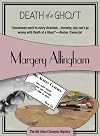
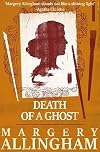
An artist's legacy lives on-through murder in this Albert Campion mystery masterpiece from "one of the finest Golden-Age crime novelists" (The Sunday Telegraph). To vex his rival from the grave, a famous artist has left twelve paintings to be sold after his death. Each year, one painting is revealed to kick off London's art season. But this release party-bringing family, friends, critics, and collectors together-devolves into scandal. A power outage leaves everyone in the dark, and when the show more lights come back on, a man lies dead-stabbed through the heart with bejeweled scissors. Family friend Albert Campion is present during the deadly crime. The too obvious suspect is the artist's granddaughter, Linda Lafcadio, who was engaged to the victim until he brought back a model from Italy and married her. Linda didn't take his suggestion of a ménage à trois well, to say the least. But was she angry enough to kill him? Campion thinks not. He's actually quite sure he knows who did the dastardly deed, but there's no evidence to prove it. And though he's one step behind a diabolical killer, Campion just might be next on the list of victims . . . "Uncommon merit in every direction . . . honestly, you can't go wrong with Death of a Ghost." -Boston Evening Transcript Praise for Margery Allingham "Margery Allingham stands out like a shining light." -Agatha Christie "The best of mystery writers." -The New Yorker "Allingham was a rare and precious talent." -The Washington Post "Don't start reading these books unless you are confident that you can handle addiction." -The Independent. show lessTags
Recommendations



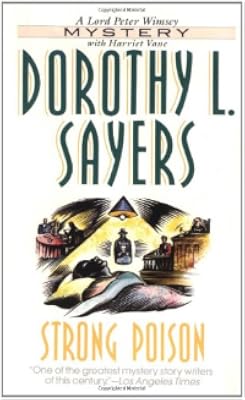


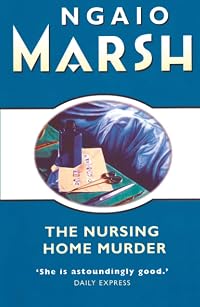

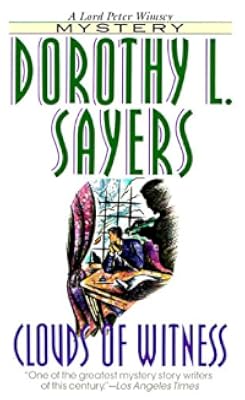
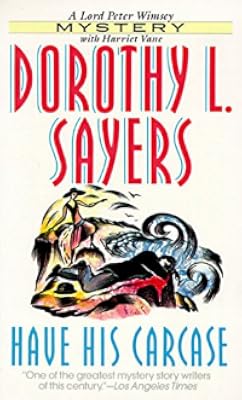




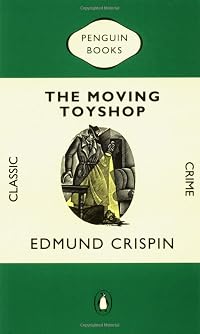


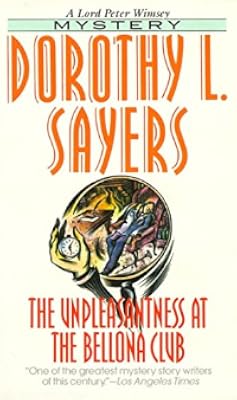
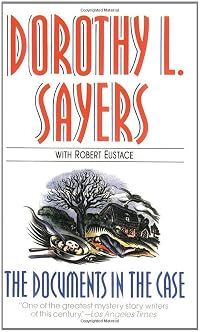

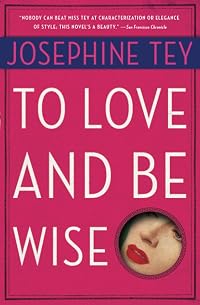






Member Recommendations
Member Reviews
Death of a Ghost by Margery Allingham is the sixth book in her Albert Campion series and was originally published in 1934. This particular story brings the reader into the art world on the eve that a new painting by a famous yet deceased painter is unveiled. This is an annual ceremony engineered by the painter to keep his memory alive. When the ceremony is interrupted by a murder, suspicion falls upon the ex-girlfriend of the deceased who was tossed for an Italian artist’s model.
Luckily Albert Campion, a family friend was at the ceremony and although at first he too suspected the ex-girlfriend, he soon was convinced of her innocence and put his mind to bringing the real murderer to justice. Although we know all too soon who the show more villain of the piece is, it was fun seeing Campion attempting to find evidence and pull the threads together. Full of characters that are particularly eccentric and colorful, Margery Allingham gives us a stylish story that had excellent timing and showcases her creativity. Death of a Ghost was a very entertaining read for me. show less
Luckily Albert Campion, a family friend was at the ceremony and although at first he too suspected the ex-girlfriend, he soon was convinced of her innocence and put his mind to bringing the real murderer to justice. Although we know all too soon who the show more villain of the piece is, it was fun seeing Campion attempting to find evidence and pull the threads together. Full of characters that are particularly eccentric and colorful, Margery Allingham gives us a stylish story that had excellent timing and showcases her creativity. Death of a Ghost was a very entertaining read for me. show less
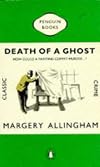
Somewhat spotty mystery. Allingham does create a number of interesting characters, characters inhabiting the art world of London, ca. 1930, some of whom have been there forty or more years. The mystery here is a pair of killings that somehow seem to be connected to a bizarre bequest by a noted artist some thirty years before. I think the author did a much better job setting up the second killing and its solution, rather than the first one. I find Allingham's mysteries to be not quite up to the reputation many have given them. Not particularly recommended. [Astoundingly, one of the Penguin covers actually gives away a key element.]
Once again I am thwarted by Goodreads' insistence on not allowing half stars. Clearly this book is much better than three stars, yet I didn't enjoy it enough to allow it to share a shelf with others I have rated four.
Death Of A Ghost starts with a kind of disclaimer from Allingham that this book is more serious than the previous instalments in the Campion series. She likens it to Police At The Funeral, but other than some superfluous similarities of a bunch of oddballs living under one roof and a theatrical loony of a murderer at large, I would not say the books are much alike. Up until now, Campion has not been much referred to as an investigator. He is a Deputy Adventurer and Universal Uncle. In this book, though the uncle title show more remains, he is repeatedly referred to as a sleuth. Previous stories are battles with crime-lords and adventurous treasure hunts. Police At The Funeral was the first proper murder mystery and Death Of A Ghost fits into that genre too, however, Police At The Funeral was still fun. Death Of A Ghost has barely any comedy in it at all. And considering that up until now Campion has been a comic character, this is a big and not entirely welcome change.
The book focuses much more on description than action. It might be described as literary fiction rather than adventure fiction, and that is clearly a deliberate choice by Allingham. Perhaps she wanted to mature as a writer. And that's okay. But Campion doesn't seem like the same man, and that's a problem. Very occasionally, we get gleams of his irreverent personality peering through, but for the most part it feels like he has been muted. Sidekick Lugg doesn't appear at all, because he only exists as a comedy character.
A more serious Campion could be tolerated, I guess, even though the reason people love him is because of his wit, but he seems physically and emotionally muted too. It's like if Campion suffered from depression. He just exists throughout the story and does very little. He happens to be present at a murder and then he hangs around for the rest of the book, hoping to keep his friends safe, but he does very little active investigating. What he does learn is mostly because his pal Inspector Oates invites him on police questioning trips. The trouble with all this is that Campion cares deeply for old lady Belle (also at first granddaughter Linda, but she drops almost entirely out of the story very quickly like Allingham forgot about her). This seems to be why he is in such a serious mood and why he is hovering around. But who the hell is Belle? If she is such an important and dear person to Campion, why has he never visited or mentioned her before? He spends weeks with her in this book and it just doesn't feel remotely earned. Allingham has an unfortunate tendency to have him hanging out with totally different groups of people in every novel, which means he must be close intimate friends with a couple thousand people.
The other awkward tendency of this book is for the narrator to be omnipotent and tell us things that haven't happened yet. I understand what foreshadowing is, and I deplore it. I'll take tension any day. We learn that a particular character is going to be murdered a full four chapters in advance of the event. Part of the book is littered with these little dry-witted or tragically satirical comments about people not realising what their future holds in store for them or being wrong about something they are sure of, and since only the author and the reader are in on these, I don't much see the point of them. Also, Campion realises who the murderer is less than halfway through the book, and this is confirmed as fact for reader on the same page. Odd choice really for such an ambling story. I guess it is there to show Campion's helplessness and let us share in his frustration and growing horror, because Allingham is clearly trying to do something a bit different, but I'm not sure how satisfying it is for the reader. Some kind of plan of action, or action of any kind would be appreciated.
It's a readable story and I can see that some readers will prefer this over some of the more silly Campion books. But I love Campion for his inane and irreverent wit, and while perhaps it is refreshing to see him more helpless than usual (he can be a bit too all-knowing and ultra-skilled at times), he does not feel like the hero I have come to adore and that is frankly disappointing. show less
Death Of A Ghost starts with a kind of disclaimer from Allingham that this book is more serious than the previous instalments in the Campion series. She likens it to Police At The Funeral, but other than some superfluous similarities of a bunch of oddballs living under one roof and a theatrical loony of a murderer at large, I would not say the books are much alike. Up until now, Campion has not been much referred to as an investigator. He is a Deputy Adventurer and Universal Uncle. In this book, though the uncle title show more remains, he is repeatedly referred to as a sleuth. Previous stories are battles with crime-lords and adventurous treasure hunts. Police At The Funeral was the first proper murder mystery and Death Of A Ghost fits into that genre too, however, Police At The Funeral was still fun. Death Of A Ghost has barely any comedy in it at all. And considering that up until now Campion has been a comic character, this is a big and not entirely welcome change.
The book focuses much more on description than action. It might be described as literary fiction rather than adventure fiction, and that is clearly a deliberate choice by Allingham. Perhaps she wanted to mature as a writer. And that's okay. But Campion doesn't seem like the same man, and that's a problem. Very occasionally, we get gleams of his irreverent personality peering through, but for the most part it feels like he has been muted. Sidekick Lugg doesn't appear at all, because he only exists as a comedy character.
A more serious Campion could be tolerated, I guess, even though the reason people love him is because of his wit, but he seems physically and emotionally muted too. It's like if Campion suffered from depression. He just exists throughout the story and does very little. He happens to be present at a murder and then he hangs around for the rest of the book, hoping to keep his friends safe, but he does very little active investigating. What he does learn is mostly because his pal Inspector Oates invites him on police questioning trips. The trouble with all this is that Campion cares deeply for old lady Belle (also at first granddaughter Linda, but she drops almost entirely out of the story very quickly like Allingham forgot about her). This seems to be why he is in such a serious mood and why he is hovering around. But who the hell is Belle? If she is such an important and dear person to Campion, why has he never visited or mentioned her before? He spends weeks with her in this book and it just doesn't feel remotely earned. Allingham has an unfortunate tendency to have him hanging out with totally different groups of people in every novel, which means he must be close intimate friends with a couple thousand people.
The other awkward tendency of this book is for the narrator to be omnipotent and tell us things that haven't happened yet. I understand what foreshadowing is, and I deplore it. I'll take tension any day. We learn that a particular character is going to be murdered a full four chapters in advance of the event. Part of the book is littered with these little dry-witted or tragically satirical comments about people not realising what their future holds in store for them or being wrong about something they are sure of, and since only the author and the reader are in on these, I don't much see the point of them. Also, Campion realises who the murderer is less than halfway through the book, and this is confirmed as fact for reader on the same page. Odd choice really for such an ambling story. I guess it is there to show Campion's helplessness and let us share in his frustration and growing horror, because Allingham is clearly trying to do something a bit different, but I'm not sure how satisfying it is for the reader. Some kind of plan of action, or action of any kind would be appreciated.
It's a readable story and I can see that some readers will prefer this over some of the more silly Campion books. But I love Campion for his inane and irreverent wit, and while perhaps it is refreshing to see him more helpless than usual (he can be a bit too all-knowing and ultra-skilled at times), he does not feel like the hero I have come to adore and that is frankly disappointing. show less
This is pleasantly convoluted. The painter John Lafcardio wanted to put one over on a fellow painter, so he arranged to have a series of his paintings crated up and unveilled one a year after his death. That way the fellow would not eve be able to escape from under his shadow. So far, so much fun. Only this year at the unveilling, an artist who has been engaged to the painter's granddaughter but now married his model to bring her to England is stabbed with a really ugly pair of scissors. Campion is present and so follows the detection os a mystery where the artistic temprament gets in the way quite a lot. This is an interesting case in that the murder is identified long before the case can be solved, due to lack of evidence. It's an show more interesting side to the problem, you know whodunit, but can't prove it. show less
As I've been reading through Allingham's early Campion novels I've started to categorise them as either adventure/thrillers (sort of Prisoner of Zenda meets the Thirty-Nine Steps) or more traditional murder mystery/crime fiction. Death of a Ghost is a straight murder mystery set amidst the art world of Little Venice in the 1930s. Campion deduces 'whodunnit' fairly early on, but how and why it was done proves harder to figure out and almost impossible to prove. I enjoyed this a lot and my only criticism is that I felt slightly dissatisfied with one part of the ending. This seems to be a recurring problem I have with Allingham's stories and probably reflects my inability not to compare her books to later crime fiction.
A pretty good outing for Campion. A painter who died wanted his legacy and the public interest in his work to continue, and so arranged for the annual release of an unseen painting. The end of this ten-year plan is in sight, and Murder ensues.
The motive isn’t hard to see, but the murderer is very crafty. Champion’s at his best here: kind, clever, and not at all fatuous. Recommended.
The motive isn’t hard to see, but the murderer is very crafty. Champion’s at his best here: kind, clever, and not at all fatuous. Recommended.
Portrays a world that doesn't and didn't exist, I think couldn't exist, but has such charm that the book can be re-read repeatedly. The "mystery", as usual, is necessary to give some structure but is unimportant otherwise. "Mannered", but the manner is part of the charm.
Members
- Recently Added By
Lists

British Mystery
469 works; 14 members

Female Author
1,234 works; 67 members

Books mentioned in Julian Symons’ Bloody Murder
438 works; 6 members

Next in Series
85 works; 1 member

Books Read in 2022
5,226 works; 112 members

Haycraft Queen Cornerstones
181 works; 3 members
Author Information

131+ Works 20,359 Members
Margery Allingham, one of England's leading mystery writers, was born on May 20, 1904, in Ealing, a western suburb of London, but grew up in a remote village in Essex. Both of her parents were writers, and Margery carried on that tradition when she sold her first short story as an eight-year-old. At the Regent Street Polytechnic, she continued show more writing and studied drama and speech. While there, she wrote a verse play, Dido and Aeneas, in which she had a starring role during performances in London. At age 19, Allington published her first novel, Blackkerchief Dick. She wrote another novel, The White Cottage Mystery, before creating her most famous character, Albert Campion, in The Black Dudley Murder (published in England as The Crime at Black Dudley) in 1929. Allington went on to create twenty-eight more Campion mysteries, including several collections. She wrote more than 10 other novels, some under the pseudonym Maxwell March, as well as four novellas and sixty-four short stories. During World War II, Allingham served as First Aid Commandant for her district, organized the billeting and care of evacuees from London, and allowed her house to be turned into a temporary military base for eight officers and two hundred men of the Cameronians. The war greatly deepened Allingham's passion for her country, as evidenced in her later works. Allingham died of cancer on June 30, 1966. (Bowker Author Biography) show less
Some Editions
Awards and Honors
Notable Lists
Series

Belongs to Publisher Series
Doubleday Crime Club (1934.01)
Work Relationships
Is contained in
Has the adaptation
Is abridged in
Common Knowledge
- Canonical title
- Death of a Ghost
- Original title
- Death of A Ghost
- Original publication date
- 1934-02
- People/Characters
- Albert Campion; Tommy Dacre; Max Fustian; Belle Lafcadio; John Lafcadio; Linda Lafcadio (show all 13); Donna Beatrice (Harriet Pickering); Stanislaus Oates (Inspector); Claire Potter; W. Tennyson Potter; Rosa-Rosa Rosini; Matt D'Urfey; Magersfontein Lugg
- Important places
- London, England, UK; Little Venice, London, England, UK
- Related movies
- "Campion" Death of a Ghost: Part 1 (1989 | IMDb); "Campion" Death of a Ghost: Part 2 (1989 | IMDb); Death of a Ghost (1960 | TV | IMDb)
- Epigraph
- LAFCADIO, John Sebastian R.A., b. 1845, d. 1912. Painter. Entered studio of William Pakenham, R.A., 1861. Lived in Italy, 1865-1878. First exhibited Royal Academy, 1871; A.R.A., 1881; R.A., 1900; m. 1880, Arabella Theodora, d... (show all). of Sir J. and Lady Reid of Wendon Parva, Sussex. One son, John Sebastian, b. 1890. Killed in action, 1916. Best known works include: "The Girl at the Pool" (Nat. Gallery), "Group in Sunlight" (Tate), "Belle Darling" (Louvre), "Portraits of Three Young Men" (Boston), "Meeting of the Magi" and "Satirical Portrait" (Yokohama), etc., etc., also Loan Collection of forty works destroyed in Moscow, 1918. Cf. The Life and Work of Lafcadio, Vols. 1, 2, & 3, Max Fustian; The Victorian Iconoclast, Mrs. Betsy Fragonard; The Moscow Tragedy, Max Fustian; Lafcadio the Man, Max Fustian; Biographie d'un maitre de peinture a l'huile, Ulysses Lafourchardiere; Weitere Bemerkungen zur Wald der Bilder von John Lafcadio, Gunther Wagner. - Weber's Who's Who in Art
LAFCADIO, J., see Charles Tanqueray, Letters to (Phelps, 15/-) - Dent's Dictionary of Authors
"LAFCADIO...the man who saw himself the first painter in Europe and whom we who are left recognize as the last." - K.J.R. in The Times, April 16, 1912 - Dedication
- To H. J. Allingham This Book Is Respectfully Dedicated by His Industrious Apprentice
- First words
- There are, fortunately, very few people who can say that they have actually attended a murder.
- Last words
- (Click to show. Warning: May contain spoilers.)"Such a lot of trouble."
- Original language
- English
Classifications
Statistics
- Members
- 806
- Popularity
- 34,461
- Reviews
- 19
- Rating
- (3.58)
- Languages
- 11 — Czech, Danish, English, Estonian, French, German, Greek, Italian, Japanese, Spanish, Swedish
- Media
- Paper, Audiobook, Ebook
- ISBNs
- 31
- UPCs
- 1
- ASINs
- 31