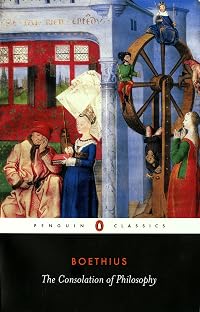
The Consolation of Philosophy
by Boethius
On This Page
Description
The Consolation of Philosophy was, throughout the Middle Ages and down to the beginnings of the modern epoch in the sixteenth century, the scholar's familiar companion. Few books have exercised a wider influence in their time. It has been translated into every European tongue, and into English nearly a dozen times. The great work of Boethius, with its alternate prose and verse, skilfully fitted together like dialog and chorus in a Greek play, is unique in literature and ought not to be show more forgotten. show lessTags
Recommendations



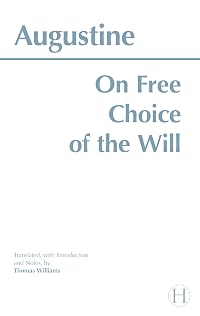
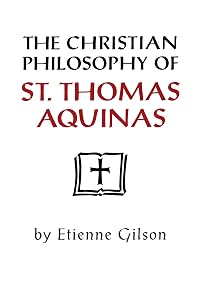

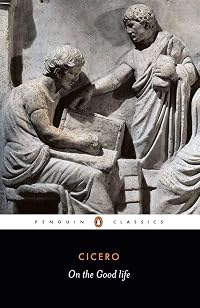

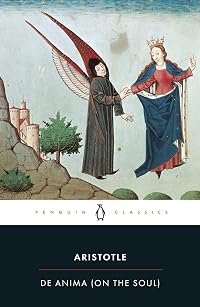








Member Recommendations
Member Reviews
Boécio, neoplatônico romano do século V, lamenta-se por ter sido preso e escreve seu testamento filosófico-literário, já tendo em vista sua execução. De modo que a primeira metade do livro é um chororô de sua parte, a qual a musa filosofia consola, com pérolas de sabedoria em diálogos e com versos simpáticos, mas não muito instrutivos (Boécio tendo conspirado pela verdade contra a corrupção do estado). Há um momento em que, já mais recomposto, após uma dose de algo similar às pilulas de auto-ajuda do estoicismo (Os cargos são ilusões, tanto que só respeitados dentro de um arranjo social específico; a boa fortuna que é ser virtuoso, isto é sábio, e contrariamente, a punição que já é ser mau e ter vícios, show more viver no falso prazer e falsa felicidade - nisso seguindo o Gorgias de Platão - no qual vilões ficam felizes de serem impedidos...), o diálogo engata numa maiêutica (perguntas e respostas com o objetivo de acordar Boécio para a verdade eterna) digna de Sócrates. O bem perfeito e felicidade são Deus, causa final que tudo almeja, objetivo último. Mas depois é preciso dizer que ele age, gerando o destino, e apenas os que participam no divino obtém um livre manejo no esquema. Mas como isso garantiria o livre arbítrio. Se ele sabe o que eu fizer amanhã, posso não fazê-lo e assim tornar seu conhecimento crença falsa? Essas respostas são a parte interessante do livro.
Filosofia argumenta que o conhecimento se dá de modo diferente para diferentes níveis cognitivos, que acessam diferentes objetos do conhecimento. Uma via então é dizer por sua atemporalidade, Deus não se põe onde essas questões seriam válidas, as próprias volições já fazendo parte do todo com o qual ele lida. Outra via coloca dois tipos de necessidade - simples, necessidades nômicas, como o nascer do sol; e condicionais, como aquelas que são necessárias enquanto acontecem (todo acontecimento sendo necessário por acontecer). Deus entende o futuro como necessidade condicional, de seu modo todo-encopassante de conhecer, o que não significa que este seja simplesmente necessário. Por fim, sendo um escrito dentro de uma forma que podia ser satírica, o prosimetrum, não se sabe ao final se Boécio morreu realmente sorrindo, como os estóicos, por exemplo, quereriam. show less
Filosofia argumenta que o conhecimento se dá de modo diferente para diferentes níveis cognitivos, que acessam diferentes objetos do conhecimento. Uma via então é dizer por sua atemporalidade, Deus não se põe onde essas questões seriam válidas, as próprias volições já fazendo parte do todo com o qual ele lida. Outra via coloca dois tipos de necessidade - simples, necessidades nômicas, como o nascer do sol; e condicionais, como aquelas que são necessárias enquanto acontecem (todo acontecimento sendo necessário por acontecer). Deus entende o futuro como necessidade condicional, de seu modo todo-encopassante de conhecer, o que não significa que este seja simplesmente necessário. Por fim, sendo um escrito dentro de uma forma que podia ser satírica, o prosimetrum, não se sabe ao final se Boécio morreu realmente sorrindo, como os estóicos, por exemplo, quereriam. show less
This is a new translation of Boethius Consolation of Philosophy. I found the book to be a fascinating approach to philosophy with the author sometimes using a sort of Socratic approach to question his own beliefs and those of the persona of philosophy herself. This relatively short tome provides a breadth of philosophical discussion that belies the size of the book. Written at the end of his life when he was in prison this thoughtfully raises questions about the use of philosophy for life and how one can pursue happiness as a human being.
The Phaedo, in which Socrates describes how a philosopher approaches death while imprisoned and awaiting execution, had the most influence on the book. Porphyry and Proclus, two Neoplatonic show more interpreters, are used to interpret Plato. There also were moments that his approach suggested a touch of stoicism, which is not surprising given the environment in which he wrote this text.
The book narrates a discourse between Boethius and a vision of the Lady Philosophy, or philosophy personified in feminine form and resembling Diotima from Plato's Symposium. The work is primarily written in prose and is organized into five main portions, or books. It also includes 39 poems, which are almost like the chorus odes of Greek tragedy. The Lady Philosophy attacks Boethius for reneging on his philosophical principles under stress and contends that if he had been true to his philosophical education, he would not be sad about being imprisoned, going through torture, or waiting to be executed. Instead of expressing sympathy, the Lady Philosophy blames Boethius.
His discussion of "what is true happiness'' was one of the high points in my reading. Given that happiness does not represent external occurrences but rather our emotional response to those situations, Lady Philosophy advances the Stoic idea that happiness is within our control. Even if we have no influence over the world around us, we do have control over how we react to it. She also makes the argument that because luck is erratic by nature, one shouldn't rejoice in good fortune or lament poor luck because it is unpredictable and always changing. He also touches on many other issues like the nature of perfection, the problem of evil, and the being of a good God.
Overall this is one of the best short works of philosophy that I have read and I will put on my shelf with the Meditations of Marcus Aurelius and other great short philosophical works. show less
The Phaedo, in which Socrates describes how a philosopher approaches death while imprisoned and awaiting execution, had the most influence on the book. Porphyry and Proclus, two Neoplatonic show more interpreters, are used to interpret Plato. There also were moments that his approach suggested a touch of stoicism, which is not surprising given the environment in which he wrote this text.
The book narrates a discourse between Boethius and a vision of the Lady Philosophy, or philosophy personified in feminine form and resembling Diotima from Plato's Symposium. The work is primarily written in prose and is organized into five main portions, or books. It also includes 39 poems, which are almost like the chorus odes of Greek tragedy. The Lady Philosophy attacks Boethius for reneging on his philosophical principles under stress and contends that if he had been true to his philosophical education, he would not be sad about being imprisoned, going through torture, or waiting to be executed. Instead of expressing sympathy, the Lady Philosophy blames Boethius.
His discussion of "what is true happiness'' was one of the high points in my reading. Given that happiness does not represent external occurrences but rather our emotional response to those situations, Lady Philosophy advances the Stoic idea that happiness is within our control. Even if we have no influence over the world around us, we do have control over how we react to it. She also makes the argument that because luck is erratic by nature, one shouldn't rejoice in good fortune or lament poor luck because it is unpredictable and always changing. He also touches on many other issues like the nature of perfection, the problem of evil, and the being of a good God.
Overall this is one of the best short works of philosophy that I have read and I will put on my shelf with the Meditations of Marcus Aurelius and other great short philosophical works. show less
Itaque ubi in eam deduxi oculos intuitumque defixi, respicio nutricem meam, cuius ab adulescentia laribus obversatus fueram. Philosophiam!
Nec bibliothecae potius comptos ebore ac vitro parietes, quam tuae mentis sedem requiro. In qua non libros, sed id, quod libris pretium facit, librorum quondam meorum sententias collocavi.
[Not in your library I want to be, adorned with ivory and crystal walls, but in your mind, where there are no books, but that what makes books precious, containing my thoughts and teachings.]
Nec speres aliquid nec extimescas, exarmaveris impotentis iram;
Si quidem deus est, inquit, unde mala? bona vero unde, si non est?
Nec bibliothecae potius comptos ebore ac vitro parietes, quam tuae mentis sedem requiro. In qua non libros, sed id, quod libris pretium facit, librorum quondam meorum sententias collocavi.
[Not in your library I want to be, adorned with ivory and crystal walls, but in your mind, where there are no books, but that what makes books precious, containing my thoughts and teachings.]
Nec speres aliquid nec extimescas, exarmaveris impotentis iram;
Si quidem deus est, inquit, unde mala? bona vero unde, si non est?
Another one of those books that I was supposed to have read a long time ago and never got around to...I'm so glad I did. I wish I could have read it in Latin because this English translation gave me the sense that the original must be breathtakingly beautiful. I have to think that what people love about this book, and what has kept them reading all these centuries, is the absolute humanity of its author, shining out on every page. A sad, triumphant, confusing, desolate, ultimately hopeful book that will take you less than three hours to read, and you should.
Brilliant! Going in, I expected this to be difficult, like Plotinus, but it was actually very readable. It reminded me in places of The Republic, although the character of Boethius is much more lovable than that of Socrates. Also, I was fuzzy going in on whether Boethius was writing as a Christian or a Platonist. As it turns out, he has a foot in each camp. Christian-ish Neoplatonism, with a dash of Stoicism added in. Or maybe he was a Christian but decided to write his defense of philosophy without reference to divine revelation, just because? It is hard to tell. Anyway, this was just marvelous!
Boethius tackles the big questions of monotheism: theodicy, providence vs free will (which he does a particularly nice job with, btw); eternity show more vs infinity (this isn't one of the Big Questions, or has never been for me, but I found it fascinating anyway!), etc. Not that his answers, particularly to that of suffering, are fully satisfactory, but whose are? He doesn't tie himself in knots, the way Aristotle and Plotinus do, and the poems in between the prose sections are lovely.
The notes in this edition (Ignatius Critical Editions) are fantastic. Not only do they tell you everything you want to know (and maybe a little more), but they are on the Bottoms of the Relevant Pages, where notes Belong! I Love not having to flip to the back of the book to read the notes. Plus, the binding is a nice sturdy one, which makes a nice change (hint, hint, Oxford World's Classics!). The notes explain all the people, events, and stories a reader might not know, and also the works that Boethius is (or may be) referencing – the Bible, Hesiod, Homer, Horace, Virgil, Juvenal, Lucretius, Aristotle, Plato, Cicero, Augustine, etc. They also point to later authors who drew on Boethius, particularly Aquinas, Chaucer, Dante, Shakespeare, Milton (and not forgetting John Kennedy Toole!). Great book, great notes.
*The Contemporary Criticism, at the end, was less impressive. This was a collection of six essays on Boethius & the Consolation, by various authors (all college professors, with schools noted), none of which I found indispensable. Out of the six, I read the second, third, and fourth, and found them mildly interesting. The first, fifth, and sixth I tried but gave up on. I think it says something good about Boethius and his translators/footnoters that I didn't feel much Need for explanatory essays! show less
Boethius tackles the big questions of monotheism: theodicy, providence vs free will (which he does a particularly nice job with, btw); eternity show more vs infinity (this isn't one of the Big Questions, or has never been for me, but I found it fascinating anyway!), etc. Not that his answers, particularly to that of suffering, are fully satisfactory, but whose are? He doesn't tie himself in knots, the way Aristotle and Plotinus do, and the poems in between the prose sections are lovely.
The notes in this edition (Ignatius Critical Editions) are fantastic. Not only do they tell you everything you want to know (and maybe a little more), but they are on the Bottoms of the Relevant Pages, where notes Belong! I Love not having to flip to the back of the book to read the notes. Plus, the binding is a nice sturdy one, which makes a nice change (hint, hint, Oxford World's Classics!). The notes explain all the people, events, and stories a reader might not know, and also the works that Boethius is (or may be) referencing – the Bible, Hesiod, Homer, Horace, Virgil, Juvenal, Lucretius, Aristotle, Plato, Cicero, Augustine, etc. They also point to later authors who drew on Boethius, particularly Aquinas, Chaucer, Dante, Shakespeare, Milton (and not forgetting John Kennedy Toole!). Great book, great notes.
*The Contemporary Criticism, at the end, was less impressive. This was a collection of six essays on Boethius & the Consolation, by various authors (all college professors, with schools noted), none of which I found indispensable. Out of the six, I read the second, third, and fourth, and found them mildly interesting. The first, fifth, and sixth I tried but gave up on. I think it says something good about Boethius and his translators/footnoters that I didn't feel much Need for explanatory essays! show less
We generally imagine the fall of Rome as the beginning of The Dark Ages, with thought going from philosophy and reason to Dark Age superstition…. I feel like reading this book lets you witness this process firsthand.
The first half of this book very much follows “classical” thought of stoics/epicureans and feels like a classical philosophy book, attempting to derive some sort of first principles and then applying them to daily life for practical advice on how to reason about the world and our reality.
Then, around the halfway mark, it basically becomes “you don’t know God’s plan, nor can you” said in so many ways. It was this general attitude that led to the anti-intellectual period of the Dark Ages… that attempting to show more even understand what’s going on in the world is an act of arrogance and defiance of God.
This book doesn’t go that far, but you can see the seeds of such thought coming in.
All that having been said, the first half or so is really nice and the circumstances of the book being written are harrowing and admirable enough to be worth the read if you like the classics. show less
The first half of this book very much follows “classical” thought of stoics/epicureans and feels like a classical philosophy book, attempting to derive some sort of first principles and then applying them to daily life for practical advice on how to reason about the world and our reality.
Then, around the halfway mark, it basically becomes “you don’t know God’s plan, nor can you” said in so many ways. It was this general attitude that led to the anti-intellectual period of the Dark Ages… that attempting to show more even understand what’s going on in the world is an act of arrogance and defiance of God.
This book doesn’t go that far, but you can see the seeds of such thought coming in.
All that having been said, the first half or so is really nice and the circumstances of the book being written are harrowing and admirable enough to be worth the read if you like the classics. show less
Stoic poetry was an interesting experiment, and I'll admit that there's some creativity here. But while the performance was often adequate, there are also many times when something is lacking, or else when it is simply boring and belabored.
In a way, it's an interesting mix between showing what (in my correct opinion) philosophy is good for--consolation--as well as why there are better outlets for human creativity and intelligence than philosophy--speculation and snobbery must at some point stop shrewing against the Flux. It's one thing to draw water from the well (dry your tears, mother), and another thing to fall in (such earthly goods will only distract you from more eternal pursuits, woman!).
There's a point at which you want to show more take Philosophy by the arm and lead her away from this monk for to whisper in her ear: Think. I know that the Flux troubles you and that Fortune is your enemy, but did not Epictetus say something about not being troubled about what is not in your power? Or are you a warrior instead of a hermit? Have you forgotten already that what is not in your power is none of your concern?
And I might add that both philosophy and poetry can be quite short--compact, or condensed, (rather than condescended), like good music, and perhaps they should be...after all, if you're going to be abstract, you might as well *get thru it* since you don't need to deal with every detail, you need only pluck one detail out of a patch of ten thousand such to use as your example, and, if you look at it from the poet's platform, well, repetition might well be used if it delights the ear, but certainly heavy verbosity brings the poet little benefit and scant praise.
{He could have said, "years have passed between us, and some would say, that they have not been kind...and we remain, yet we stand, bloodied yet unbowed...to live, give me one thing, to live or die for...we are! we are bloodied, yet unbowed!"}
But he'd rather ape Plato, and that doesn't win many points in my book.
"Therefore black is white and grey is yellow."
"Certainly."
But is grey really like yellow?
And it's also as good of an example as any of this medieval scholastic philosopher's terribly unfair tendency to rest three-quarters of the argument on some old pagan philosopher or another they must have found, half-decayed, in some musty old tome in some decrepit old library somewhere, or some remote monastery, which they then proceeded to fawn over in servile, infantile adoration...and then, of course, they would proceed to casually insult and spit on it, gloating childishly in whatever real or imagined superiority they thought to find in their own conceptions of things. {~But I'm not a Stoic! I didn't sit on the Porch of Zeno! ~You're right...you're not much of a stoic.}
And, again, just because he quotes condescendingly from Cicero or somebody like that, doesn't mean that he has the slightest bloody idea what he's going on about.
Also, the talk about kings and judges and so on is so excessive, it almost starts to sound like lawyer's prattle: and it's all so unnecessary. After all, you need ethics for politics, *but not politics for ethics*.
And, of course, there are things that Boethius says (and which Plato says) which are true, and, yet, said in such strange speech, is practically obscured. ("If Chrysippus had not spoken obscurely, this man would have nothing to be proud of.") I can only take it on faith that Truth is never impeded, and that those who deceive themselves hurt themselves, but not others.
(7/10) show less
In a way, it's an interesting mix between showing what (in my correct opinion) philosophy is good for--consolation--as well as why there are better outlets for human creativity and intelligence than philosophy--speculation and snobbery must at some point stop shrewing against the Flux. It's one thing to draw water from the well (dry your tears, mother), and another thing to fall in (such earthly goods will only distract you from more eternal pursuits, woman!).
There's a point at which you want to show more take Philosophy by the arm and lead her away from this monk for to whisper in her ear: Think. I know that the Flux troubles you and that Fortune is your enemy, but did not Epictetus say something about not being troubled about what is not in your power? Or are you a warrior instead of a hermit? Have you forgotten already that what is not in your power is none of your concern?
And I might add that both philosophy and poetry can be quite short--compact, or condensed, (rather than condescended), like good music, and perhaps they should be...after all, if you're going to be abstract, you might as well *get thru it* since you don't need to deal with every detail, you need only pluck one detail out of a patch of ten thousand such to use as your example, and, if you look at it from the poet's platform, well, repetition might well be used if it delights the ear, but certainly heavy verbosity brings the poet little benefit and scant praise.
{He could have said, "years have passed between us, and some would say, that they have not been kind...and we remain, yet we stand, bloodied yet unbowed...to live, give me one thing, to live or die for...we are! we are bloodied, yet unbowed!"}
But he'd rather ape Plato, and that doesn't win many points in my book.
"Therefore black is white and grey is yellow."
"Certainly."
But is grey really like yellow?
And it's also as good of an example as any of this medieval scholastic philosopher's terribly unfair tendency to rest three-quarters of the argument on some old pagan philosopher or another they must have found, half-decayed, in some musty old tome in some decrepit old library somewhere, or some remote monastery, which they then proceeded to fawn over in servile, infantile adoration...and then, of course, they would proceed to casually insult and spit on it, gloating childishly in whatever real or imagined superiority they thought to find in their own conceptions of things. {~But I'm not a Stoic! I didn't sit on the Porch of Zeno! ~You're right...you're not much of a stoic.}
And, again, just because he quotes condescendingly from Cicero or somebody like that, doesn't mean that he has the slightest bloody idea what he's going on about.
Also, the talk about kings and judges and so on is so excessive, it almost starts to sound like lawyer's prattle: and it's all so unnecessary. After all, you need ethics for politics, *but not politics for ethics*.
And, of course, there are things that Boethius says (and which Plato says) which are true, and, yet, said in such strange speech, is practically obscured. ("If Chrysippus had not spoken obscurely, this man would have nothing to be proud of.") I can only take it on faith that Truth is never impeded, and that those who deceive themselves hurt themselves, but not others.
(7/10) show less
Members
- Recently Added By
Published Reviews
ThingScore 100
"'The Consolation of Philosophy', composed in jail, here inspires a former prisoner [in Lebanon] to write a moving preface [to the Folio edition].
added by booksaplenty1949
Lists

100 Books to Read in a Lifetime (That Are Older Than 200 Years)
415 works; 176 members

Filosofía - Clásicos
217 works; 1 member

Folio Society
831 works; 53 members

In Our Time books
4,934 works; 2 members

2026 Reading Challenge
12 works; 1 member

Recommendations by Peter Kreeft
45 works; 4 members
School Made Us Read It
380 works; 196 members

2024-25 reading
36 works; 1 member

Recommended Reading : 600 Classics Reviewed, Editors of Salem Press, 2015
634 works; 6 members

Books We Love to Reread
688 works; 297 members
My List
302 works; 1 member

Books You Read For University
184 works; 3 members

Philosophy, Politics and Economics
61 works; 1 member

Greatest Books, allegedly
484 works; 9 members

Western Canon
206 works; 2 members

Western World's Greatest Books - Project Gutenberg
295 works; 15 members

Literary Works Read in College
316 works; 15 members

The Essential Western Mystics
66 works; 4 members

University literature
145 works; 5 members

Lectuurlijst
63 works; 1 member
Talk Discussions
Past Discussions
Folio Archives 366: The Consolation of Philosophy by Boethius 1998 in Folio Society Devotees (March 2024)
Author Information

105+ Works 7,011 Members
Born of a distinguished family, Boethius received the best possible education in the liberal arts in Athens and then entered public life under Theodoric the Ostrogoth, ruler of Italy. Boethius obtained the highest office, but was later accused of treason, imprisoned, and executed. In the dungeon of Alvanzano, near Milan, during his imprisonment, show more he composed "The Consolation of Philosophy," a remarkable piece of prose literature as well as philosophy. Boethius's outlook, like that of all the Church Fathers, was Platonistic, but he preserved much of the elementary logic of Aristotle. Boethius reported in his commentaries the views of Aristotelians even when they disagreed with his Platonism. Thus he created an interest in Aristotle in subsequent centuries and provided a basis for the introduction of Aristotle's works into Europe in the twelfth and thirteenth centuries. Boethius was put to death in 526. (Bowker Author Biography) show less
Some Editions
Awards and Honors
Notable Lists
Series
Belongs to Publisher Series
Work Relationships
Is contained in
Is abridged in
Has as a reference guide/companion
Has as a commentary on the text
Has as a student's study guide
Common Knowledge
- Canonical title
- The Consolation of Philosophy
- Original title
- Consolatio Philosophiae
- Original publication date
- circa 525 CE
- People/Characters
- Boethius; Philosophy
- First words
- While I was thus mutely pondering within myself, and recording my sorrowful complainings with my pen, it seemed to me that there appeared above my head a woman of a countenance exceeding venerable.
- Last words
- (Click to show. Warning: May contain spoilers.)Great is the necessity of righteousness laid upon you if ye will not hide it from yourselves, seeing that all your actions are done before the eyes of a Judge who seeth all things.
- Original language
- Latin
- Disambiguation notice
- Latin editions should be kept separate from translations.
Classifications
Statistics
- Members
- 6,143
- Popularity
- 2,045
- Reviews
- 49
- Rating
- (3.90)
- Languages
- 22 — Old English, Catalan, Czech, Dutch, English, English (Middle), Finnish, French, French (Middle), Old French, German, Hungarian, Italian, Latin, Latvian, Multiple languages, Norwegian (Bokmål), Portuguese, Russian, Spanish, Swedish, Turkish
- Media
- Paper, Audiobook, Ebook
- ISBNs
- 159
- UPCs
- 1
- ASINs
- 67