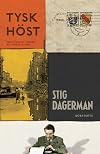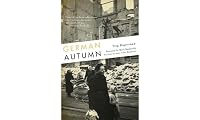
German Autumn
by Stig Dagerman
On This Page
Description
In late 1946, Stig Dagerman was assigned by the Swedish newspaper Expressen to report on life in Germany immediately after the fall of the Third Reich. First published in Sweden in 1947, German Autumn, a collection of the articles written for that assignment, was unlike any other reporting at the time. While most Allied and foreign journalists spun their writing on the widely held belief that the German people deserved their fate, Dagerman disagreed and reported on the humanness of the men show more and women ruined by the war-their guilt and suffering. Dagerman was already a prominent writer in Sweden. show lessTags
Recommendations


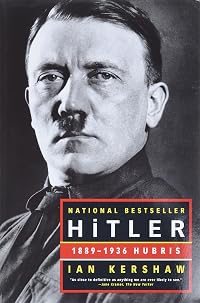


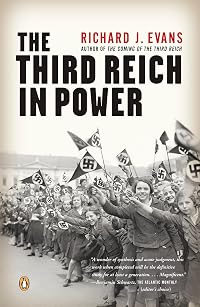

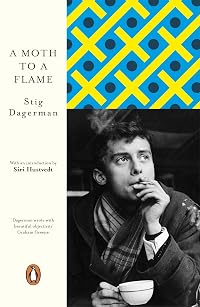

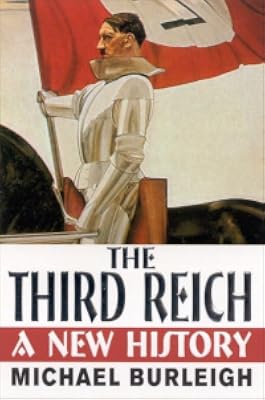


























Member Recommendations

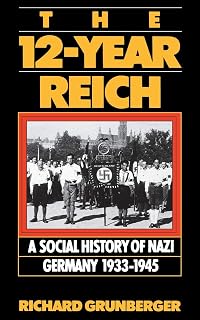
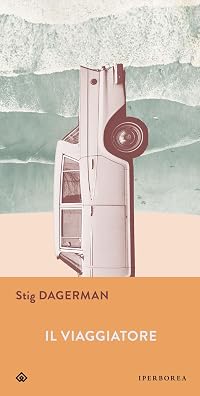
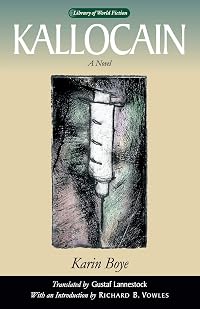
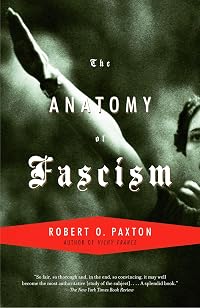
Mouseear Two rare books on the topic of allied air-bombings of German cities and German post-war suffering. Dagerman is actually one of few foreign witnesses to the conditions immediately after the war mentioned in Sebald's book.
Member Reviews
German Autumn by Stig Dagerman. Dagerman, a Swedish journalist, gives a fascinating look at Germany immediately after the fall of the Third Reich. Reeling from destruction, hunger, and all manner of tragedy, Dagerman gives insight into the hearts and minds of the German citizens and their reactions to the chaos that followed after the Allied invasion of Germany. While the control of the Third Reich over Germany may have ended, Germans experienced another war.. a war of poverty, hunger, and conscience. This slim volume is enlightening and thought-provoking. As Albert Einstein said, "The only source of knowledge is experience.”
Stig Dagerman was sent to Germany in 1946 to report back to Sweden and this book is that. Honest, detached and succinctly observant. I like the bit where he describes starving people living in waterlogged cellars four years after the war, standing up to their ankles in filthy water boiling a potato they had managed to beg borrow or steal and foreign journalists asking them if life had been better under Hitler to which they unhesitatingly reply "Yes", only for those journalists to file stories about how Nazism was alive and well in defeated Germany.
His approach seems to be observing humans living in terrible conditions, starving while food is plentiful but withheld, instead of judging them first as guilty and therefore deserving of this show more fate.
For an unbiased view of post-war defeated Germany and also its victors this book was refreshing for its honesty and lack of bias. show less
His approach seems to be observing humans living in terrible conditions, starving while food is plentiful but withheld, instead of judging them first as guilty and therefore deserving of this show more fate.
For an unbiased view of post-war defeated Germany and also its victors this book was refreshing for its honesty and lack of bias. show less
Dagerman is a Swedish writer and journalist who accepts a commission to write about the condition of post-war Germany. He travels through bombed out cities, from Hamburg to Munich, and small towns in the country. His description of the neighborhoods, communities and lives laid waste is all the more powerful because there is no accompanying noise of battle, no drama to make the suffering make sense. This is a period when the German recovery is nothing more than the picture of a loaf of bread on a political party poster. Survival is the only force and it distorts everything except Dagerman´s cool narrative. Dagerman´s Swedish origin seems to give him credibility as he talks with Germans about their attitudes and experiences with the show more English and US occupying forces, their views on politics, the past and very obscure future. Yet the abiding memories of this slender book are not ideas or declamations, but word pictures such as the woman who has collected four bags of potatoes from the fields in the country before she realizes she can only carry one back to the city, and of the internal refugees driven from one part of Germany to another, living in leaking railway carriages in a bombed out Essen shunting yard. They are waiting for... but neither they nor Dagerman can say. Dagerman´s touch is so very light but penetrating. He labors no points, but assembles out of the smallest observations a portrait of a nation utterly crushed. Dagerman seems to be little known outside Sweden, although there are works in translation. I strongly recommend that the reader goes back, after reaching the end, to the forward and translator´s notes. One is left to wonder at the untold story of the story outside the story - that is the life and early tragic death of the author. The book is very highly recommended; a reminder that for both the defeated and the victorious nations of Europe the war did not stop so neatly in April 1945 as we might imagine. show less
Swedish writer writes honestly about conditions in Germany during autumn of 1945. Conditions were bad.
La Germania del 1946 è un Paese distrutto dalle bombe e dalla responsabilità morale del più grande eccidio della Storia. Da Amburgo a Monaco, da Berlino ad Hannover le macerie e la fame sono il comune denominatore dell’eredità della follia di Hitler. Quanto accaduto non può essere dimenticato. Eppure, Stig Dagerman, in “Autunno tedesco”, con enorme coraggio, prova a inquadrare il dopoguerra da una prospettiva diversa: quella di un popolo che ha perso la dignità di fronte al mondo intero e che deve accettare condizioni di rese infamanti. Dopo il crollo del regime di Hitler fu evidente al mondo intero che la follia nazista non aveva solo portato ad una guerra mondiale che aveva inondato di sangue l’Europa e il Pacifico. Ma show more che il timore era diventato realtà, il regime aveva sterminato con metodo scientifico un intero popolo. La responsabilità dei tedeschi era evidente ma Dagerman pone il problema del cittadino che si trova di fronte ad una vita senza più senso, una condanna a morte morale che pone problemi etici al vincitore. Dagerman, allora giovane scrittore e giornalista svedese, inviato dal Expressen, attraversa la Germania e raccoglie volti, storie e immagini di quel tempo. Non cerca di assolvere nessuno, ma di restituire la realtà di uomini e donne che, pur portando il peso di una colpa collettiva, devono affrontare la sopravvivenza quotidiana. Scrive: «Nell’autunno del 1946 le foglie cadevano in Germania... Treni arrivavano nelle zone occidentali carichi di profughi... Stracciati, affamati e indesiderati... Il silenzio e la sottomissione passiva di queste persone apparentemente insignificanti davano a quell’autunno tedesco un senso di cupa amarezza». Il libro è attraversato da questo sentimento: una pietà senza indulgenza, una partecipazione che non cancella la consapevolezza della colpa. Dagerman osserva bambini che dormono in cantine umide, donne che si prostituiscono ai soldati per un pezzo di pane, e annota tutto con lucidità e sobrietà. Lo fa con la consapevolezza del limite stesso del mestiere di giornalista, quando confessa: «Il giornalismo è l’arte di arrivare troppo tardi il più in fretta possibile. Io non la imparerò mai». “Autunno tedesco” non è dunque soltanto un reportage: è letteratura vera e propria. La prosa di Dagerman, intensa e precisa, trasforma i suoi articoli in pagine che ancora oggi riescono a restituire il senso profondo di un popolo sconfitto e umiliato. Un libro necessario, che continua a interrogare il lettore con la stessa forza con cui seppe scuotere l’Europa del dopoguerra. show less
Jan 26, 2026Italian
Nel 1946 Stig Dagerman, scrittore svedese, ha 23 anni e due romanzi già pubblicati sulle spalle. A poco più di un anno dalla fine della guerra viene mandato dalla rivista Expressen a compiere un viaggio nella Germania distrutta, allo scopo di raccogliere materiali per una serie di articoli che appariranno prima sul periodico e verranno poi raccolti in volume. In un viaggio di due mesi Dargerman visita molte città e incontra un'umanità devastata, costretta ad abitare rovine e tormentata dalla fame. Conosce giovani che sognano l'America, profughi fuggiti dai territori dell'est, reduci di ritorno dai campi di prigionia e si interroga sul senso delle idee di espiazione e di colpa collettiva. Non riesce a considerare il dolore concreto e show more le sofferenze delle persone che incontra una "giusta punizione", non riesce a considerare il popolo tedesco nel suo complesso come colui che va punito per quanto il nazismo ha commesso. A maggior ragione si indigna per la facilità con la quale tanti colpevoli di crimini nazisti sfuggono tra le maglie lasche di quei processi di denazificazione che risultano sempre più un'operazione di facciata. show less
May 21, 2018Italian
1
Flaptekst / Beschrijving
In de herfst van 1946 vroeg het dagblad Expressen Stig Dagerman of hij een reportagereis naar Duitsland wilde maken. Dagerman ging gretig op het verzoek in; de artikelen verschenen gebundeld onder de titel Duitse herfst (Tysk host). Het boek markeert Dagermans breuk met zijn verleden als journalist. ‘Journalistiek is de kunst zo vroeg mogelijk ergens te laat te komen,’ schreef hij vanuit Munchen. Dagerman zag zich dan ook niet als journalist, maar als een geëngageerd schrijver naar het voorbeeld van George Orwell. Mede daardoor geeft Duitse herfst een nog altijd verbijsterend helder beeld van de gevolgen van ‘de oorlog tegen Duitsland’. En dat op een moment dat de slachtoffers van het nazisme zich show more begrijpelijk genoeg alleen nog maar bezighielden met de gevolgen van de oorlog die Duitsland tegen de rest van Europa had gevoerd; de min of meer objectieve beschrijving van wat hij had gezien maakte diepe indruk op zowel de vrienden als de vijanden van Duitsland in Zweden.
Juist omdat hij eigenlijk geen journalist was zag Dagerman, zo vlak na de capitulatie van het Derde Rijk, dingen die wij nu, ruim veertig jaar nadien, kunnen herkennen als de wortels van een aantal grote problemen waarmee de Bondsrepubliek tot op de dag van vandaag is blijven worstelen, met op de eerste plaats het nog altijd onverwerkte oorlogsverleden; hij beschrijft hoe dat collectieve verdringingsproces begint en wijst daarvoor mede de geallieerden en hun de-nazificatiepolitiek als schuldigen aan.
Duitse herfst is een opvallende noot in Dagerrnans oeuvre, maar maakt er onlosmakelijk deel van uit. Wat Dagerman in die herfst in I 946 in Duitsland zag heeft diepe sporen nagelaten, in zijn verdere leven en in wat hij nog zou schrijven voor hij enkele jaren later een eind aan zijn leven maakte. show less
In de herfst van 1946 vroeg het dagblad Expressen Stig Dagerman of hij een reportagereis naar Duitsland wilde maken. Dagerman ging gretig op het verzoek in; de artikelen verschenen gebundeld onder de titel Duitse herfst (Tysk host). Het boek markeert Dagermans breuk met zijn verleden als journalist. ‘Journalistiek is de kunst zo vroeg mogelijk ergens te laat te komen,’ schreef hij vanuit Munchen. Dagerman zag zich dan ook niet als journalist, maar als een geëngageerd schrijver naar het voorbeeld van George Orwell. Mede daardoor geeft Duitse herfst een nog altijd verbijsterend helder beeld van de gevolgen van ‘de oorlog tegen Duitsland’. En dat op een moment dat de slachtoffers van het nazisme zich show more begrijpelijk genoeg alleen nog maar bezighielden met de gevolgen van de oorlog die Duitsland tegen de rest van Europa had gevoerd; de min of meer objectieve beschrijving van wat hij had gezien maakte diepe indruk op zowel de vrienden als de vijanden van Duitsland in Zweden.
Juist omdat hij eigenlijk geen journalist was zag Dagerman, zo vlak na de capitulatie van het Derde Rijk, dingen die wij nu, ruim veertig jaar nadien, kunnen herkennen als de wortels van een aantal grote problemen waarmee de Bondsrepubliek tot op de dag van vandaag is blijven worstelen, met op de eerste plaats het nog altijd onverwerkte oorlogsverleden; hij beschrijft hoe dat collectieve verdringingsproces begint en wijst daarvoor mede de geallieerden en hun de-nazificatiepolitiek als schuldigen aan.
Duitse herfst is een opvallende noot in Dagerrnans oeuvre, maar maakt er onlosmakelijk deel van uit. Wat Dagerman in die herfst in I 946 in Duitsland zag heeft diepe sporen nagelaten, in zijn verdere leven en in wat hij nog zou schrijven voor hij enkele jaren later een eind aan zijn leven maakte. show less
Jun 21, 2015Dutch
Members
- Recently Added By
Author Information

61+ Works 1,814 Members
Stig Dagerman (1923-1954) was the literary wunderkind of his generation in Sweden. Surpassed in Swedish literature perhaps only by August Strindberg in terms of his work's compressed intensity, Dagerman's remarkable literary output came to an abrupt end when he committed suicide at the age of thirty-one. Gri Somnen(Sleep Walking) By Karin Mamma show more Anderson, 1986. The Artist is Represented by Galleri Magnus Karlsson, Stockholm and the David Zwirner Gallery, New York Photo by Buknowskis Auctions Author Photograph Courtesy of Norstedts Agency. show less
Some Editions
Series
Belongs to Publisher Series
Common Knowledge
- Canonical title
- German Autumn
- Original title
- Tysk höst: resereportage från Tyskland 1946
- Original publication date
- 1947
- Important places*
- Allemagne
- Important events*
- Tweede Wereldoorlog (1939 | 1945)
- Original language*
- Suédois
*Some information comes from Common Knowledge in other languages. Click "Edit" for more information.
Classifications
- Genre
- Fiction and Literature
- DDC/MDS
- 839.78 — Literature & rhetoric German & related literatures Other Germanic literatures Swedish literature Swedish miscellany
- LCC
- PT9875 .D1213 — Language and Literature German, Dutch and Scandinavian literatures Swedish literature Individual authors or works 1900-1960
- BISAC
Statistics
- Members
- 277
- Popularity
- 116,762
- Reviews
- 8
- Rating
- (4.07)
- Languages
- 15 — Czech, Danish, Dutch, English, Estonian, French, German, Italian, Norwegian (Bokmål), Norwegian, Polish, Portuguese, Spanish, Swedish, Turkish
- Media
- Paper, Ebook
- ISBNs
- 32
- ASINs
- 3