The Hundred Years War: The English in France, 1337-1453
by Desmond Seward
On This Page
Description
From 1337 to 1453 England repeatedly invaded France on the pretext that her kings had a right to the French throne. Though it was a small, poor country, England for most of those "hundred years" won the battles, sacked the towns and castles, and dominated the war. The protagonists of the Hundred Years War are among the most colorful in European history: Edward III, the Black Prince; Henry V, who was later immortalized by Shakespeare; the splendid but inept John II, who died a prisoner in show more London; Charles V, who very nearly overcame England; and the enigmatic Charles VII, who at last drove the English out. Desmond Seward's critically acclaimed account of the Hundred Years War brings to life all of the intrigue, beauty, and royal to-the-death-fighting of that legendary century-long conflict. show lessTags
Recommendations





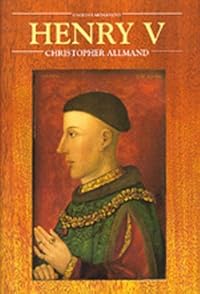
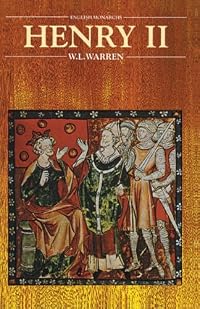
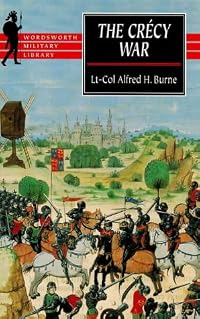
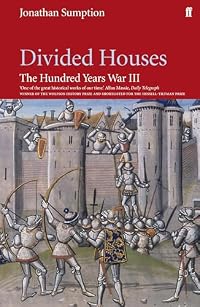











Member Reviews
For a hundred years, a less populated, but militarily and financially superior England takes on a larger but weaker France. Living in northern France in the - using Barbara Tuchman's phrase - calamitous 14th Century must have been the most miserable place on Earth. Successive waves of roving bands of marauding Englishmen terrorized the inhabitants. Lowly English knights amassed fortunes in France. Gentlemen in England abed enjoyed the extra cash flow into the country bleeding their neighbours dry. War was popular.
And the English were good at it (Crécy, Agincourt). Militarily, the English combined arms (men-at-arms supporting bowmen) dominated the French knights. The problem lay in a muddled strategy: The English king wanted both to show more raid and to annex the country. The smaller English population ruled out large-scale colonisation (undertaken in Calais). Furthermore, raiding was necessary to pay for the troops undermining loyalty. Despite the bad English manners, their rule was accepted quite well by parts of France (Normandie, Brittany, Gascony). Although English rule lasted over a generation, the transition and acculturation from Frenchman to English never happened.
On the French side, the main problem was disunity. The French king not only had to fight against the English but also against a range of contenders. Often, the English were seen as the lesser evil. The French king let them ravage parts of France to keep his French enemies in check. When the English allied themselves with the Duke of Burgundy, the most powerful contender to the French throne, they managed to conquer the whole of Northern France. Massively overextending their forces, the English provoked a French national movement with Joan of Arc as a figurehead that kicked the English out of the country. The French finally learned the effective use of artillery and managed to make their larger numbers count on the battlefield. The renewed military strength of France would be shown in the battle for Northern Italy in the 1500s.
Edward III, the Black Prince, Bertrand du Guesclin, John Hawkwood, Henry V, John Falstof, Joan of Arc, ... The Hundred Years War suffers no lack of colourful characters and Desmond Seward is a master in creating vignettes. This people-centered approach sometimes neglects to present the bigger picture. Overall, an excellent read that has stood the test of time well. show less
And the English were good at it (Crécy, Agincourt). Militarily, the English combined arms (men-at-arms supporting bowmen) dominated the French knights. The problem lay in a muddled strategy: The English king wanted both to show more raid and to annex the country. The smaller English population ruled out large-scale colonisation (undertaken in Calais). Furthermore, raiding was necessary to pay for the troops undermining loyalty. Despite the bad English manners, their rule was accepted quite well by parts of France (Normandie, Brittany, Gascony). Although English rule lasted over a generation, the transition and acculturation from Frenchman to English never happened.
On the French side, the main problem was disunity. The French king not only had to fight against the English but also against a range of contenders. Often, the English were seen as the lesser evil. The French king let them ravage parts of France to keep his French enemies in check. When the English allied themselves with the Duke of Burgundy, the most powerful contender to the French throne, they managed to conquer the whole of Northern France. Massively overextending their forces, the English provoked a French national movement with Joan of Arc as a figurehead that kicked the English out of the country. The French finally learned the effective use of artillery and managed to make their larger numbers count on the battlefield. The renewed military strength of France would be shown in the battle for Northern Italy in the 1500s.
Edward III, the Black Prince, Bertrand du Guesclin, John Hawkwood, Henry V, John Falstof, Joan of Arc, ... The Hundred Years War suffers no lack of colourful characters and Desmond Seward is a master in creating vignettes. This people-centered approach sometimes neglects to present the bigger picture. Overall, an excellent read that has stood the test of time well. show less
There are many large historical events that do not make for good single-volume histories. They are too complex and the book will inevitably either be full of anecdote and/or miss the bigger picture. This short volume first published in 1978 is in that category. There are so many names and places and events given brief coverage one is more bewildered than enlightened. He often nods about this or that famous person or event, with the understanding you already have a deeper background. Seward is English and likely had an excellent English education on this subject. I do know the roots of the 100 Years War go back to land claims by the Normans who first settled Normandy as Vikings and later became English nobles after the Conquest, which is show more essential to understanding later motivations towards France, but none of this discussed. There is a lack of context, but many descriptions of "evil men" (Seward uses "evil" a lot), he portrays the English as perpetrators and the French as victims (mostly). The 100 Years War is complex and resistant to simple black and white narratives. Maybe it is best approached from the ground up - biographies of Kings, books about specific battles, etc.. show less
A well-written, though necessarily brief, history of the conflicts known as the 'Hundred Years War'. Seward devotes enough attention to the well-known personalities involved without losing sight of the overall picture. The book is neither hagiographic nor revisionist, and presents the career of many luminaries (Henry V and Joan of Arc in particular) in an unromantic light. Some accounts of lesser-known engagements and other bridging passages can be hard to follow due to the number of named participants and the necessary truncation, but over all this is a valuable introduction to an engaging subject.
Desmond Seward's Hundred Years War between France & England is an amazing work on Medieval Europe between 1337 to 1453. In this book, the reader will see the perceived grievances & made up pretenses leading to conflict which weakened both the Valois line & the Plantagenets, both claiming rights to the French throne located in Paris.
Once the conflict began, the battles raged from the coast to land with the French navy ending up destroyed, the French embarrassment in utter defeats at Crecy, Poitiers, & Agincourt, the divided loyalties, betrayals, & murders committed, the rise of Joan of Arc to raise French hopes, her murder at the hands of the English & betrayal by the French monarch. Finally, the sheer exhaustion as both sides faced show more with internal troubles leading to the final treaty leaving the English with Calais.
Each chapter begins with a quote from Shakespeare & a quote from a medieval source of the time. It has a chronology of the events & maps to keep track. He has a selected bibliography for further reading. It is a good read for a greater understanding of the late medieval world before the Reformation. show less
Once the conflict began, the battles raged from the coast to land with the French navy ending up destroyed, the French embarrassment in utter defeats at Crecy, Poitiers, & Agincourt, the divided loyalties, betrayals, & murders committed, the rise of Joan of Arc to raise French hopes, her murder at the hands of the English & betrayal by the French monarch. Finally, the sheer exhaustion as both sides faced show more with internal troubles leading to the final treaty leaving the English with Calais.
Each chapter begins with a quote from Shakespeare & a quote from a medieval source of the time. It has a chronology of the events & maps to keep track. He has a selected bibliography for further reading. It is a good read for a greater understanding of the late medieval world before the Reformation. show less
AP World History Review of "The Hundred Years War" by Desmond Seward
The Hundred Years War by Desmond Seward is a breif analysis of the long, brutal war that took place between England and France from 1337-1453. The majority of the book is written in a rather uncommon French perspective. Although the book is focused on reviewing the events of the war, Desmond commonly goes against the common traditions of seeing the English as nobel warriors and turns them, more or less, into brutal, inhumane monsters. His arguments are strong and well stated, and I for one, stand with him on his opinion that the French were attacked by rather unholy English men. Even if you do not support the same opinion you cannot deny that his arguments were valid show more and defendable.
I thouroughly enjoyed this book and it's short but thorough analysis of the one hundred years war. Some sections of the book were rather difficult to follow, however after re-reading these sections it became rather clear. I reccomend this book to any student or any person that has even a slight intrest in the hundred years war, it gives sufficient information and arguments in a short 270 pages. As for students without an intrest in the hundred years war, I don't reccomend this book, becuase our class readings have sustained enough knowledege for the basics. show less
The Hundred Years War by Desmond Seward is a breif analysis of the long, brutal war that took place between England and France from 1337-1453. The majority of the book is written in a rather uncommon French perspective. Although the book is focused on reviewing the events of the war, Desmond commonly goes against the common traditions of seeing the English as nobel warriors and turns them, more or less, into brutal, inhumane monsters. His arguments are strong and well stated, and I for one, stand with him on his opinion that the French were attacked by rather unholy English men. Even if you do not support the same opinion you cannot deny that his arguments were valid show more and defendable.
I thouroughly enjoyed this book and it's short but thorough analysis of the one hundred years war. Some sections of the book were rather difficult to follow, however after re-reading these sections it became rather clear. I reccomend this book to any student or any person that has even a slight intrest in the hundred years war, it gives sufficient information and arguments in a short 270 pages. As for students without an intrest in the hundred years war, I don't reccomend this book, becuase our class readings have sustained enough knowledege for the basics. show less
Seward presents an account of the conflict between England and France which began in 1337 with the taking of Guyene (the Angevin Dutchy of Aquitaine held by the English since 1259) by the French King Phillip VI and ended in 1453 with the English loosing the Bordeaux. In his account Seward points out that the English military superiority in the conflict was due to the fire power of the long-bow. At the end of the conflict the military superiority was held by the French with the adept use of cannon. This is a story of Shakespearian characters on the English side, Edward III, the Black Prince, Henry V, the Duke of Bedford, and others. For the most part, the English forces were not Shakespearian in their conduct of the war. Their main show more method of waging confict was a burnt earth style of plundering and destroying French territory and its inhabitants (chevauche'). As such Seward's work presents a less than flattering view of the English during this conflict and is woth reading. show less
Read this for a research paper on the battle of Agincourt, but read the entire thing so that I had a background of the entire war. It's very readable and fairly quick. I felt it was lacking something, though, perhaps because it's mostly a military history and does not at all delve into the social implications of the war (besides mentioning that there were some). It definitely gave me a very good sense of why the conflict arose and the series of battles that ensued. If, like me, you get a bit mixed up about who's who, I'd write names down on a separate piece of paper to keep them straight. Otherwise, it's written clearly and Seward is obviously full of enthusiam. I'm looking forward to reading some of Seward's biographies, especially on show more Eleanor of Aquitaine. show less
Members
- Recently Added By
Lists

Books bought at library sales
98 works; 4 members
Author Information

35 Works 4,473 Members
Desmond Seward was born in Paris and educated at Cambridge. He is the author of Richard III, The Last White Rose, The Demon's Brood, and The Warrior King and the Invasion of France. He lives in England.
Series
Belongs to Publisher Series
Common Knowledge
- Canonical title
- The Hundred Years War: The English in France, 1337-1453
- Alternate titles
- A Brief History of the Hundred Years War: The English in France, 1337-1453
- Original publication date
- 1978
- People/Characters
- Charles VI, King of France; Henry V, King of England; John, King of England; Edward, the Black Prince; Edward III, King of England; Joan of Arc (show all 10); Robert Talbot; Philip the Good, Duke of Burgundy; John of Lancaster, 1st Duke of Bedford; Humphrey, Duke of Gloucester
- Important places
- Normandy, France; Calais, Pas-de-Calais, Hauts-de-France, France; Gascony, France; Aquitaine, France; Brittany, France; London, England, UK
- Important events
- Hundred Years' War (1337 | 1453); Battle of Sluys (1340-06-24); Battle of Crécy (1346-08-26); Battle of Poitiers (1356-09-19); Battle of Nájera (1367); Siege of Harfleur (1415-08-18 | 1415-09-22) (show all 9); Battle of Agincourt (1415-10-25); Siege of Rouen (1418 | 1419); Siege of Orléans (1428-10-12 | 1429-05-08)
- Dedication
- For my godsons Mark Kendall[,] Tobias Riley-Smith[,] Paul Seward
- First words
- Foreword -- This is a short, narrative account of the Hundred Years War for the general reader.
- Original language
- English
- Disambiguation notice
- Original title: The Hundred Years War : the English in France, 1337-1453 (London, Constable, 1978)
Classifications
- Genres
- History, Nonfiction, General Nonfiction
- DDC/MDS
- 944.025 — History & geography History of Europe France and Monaco France Capet and Valois 987-1589 Philip VI 1328-50; John II 1350-64; Charles V 1364-80 ; XIVth Century
- LCC
- DC96 .S48 — History of Europe, Asia, Africa and Oceania France – Andorra – Monaco History of France History By period Early and medieval to 1515 1328-1515 Hundred Years' War, 1339-1453
- BISAC
Statistics
- Members
- 954
- Popularity
- 27,622
- Reviews
- 12
- Rating
- (3.73)
- Languages
- English
- Media
- Paper, Audiobook, Ebook
- ISBNs
- 11
- ASINs
- 12