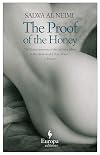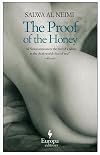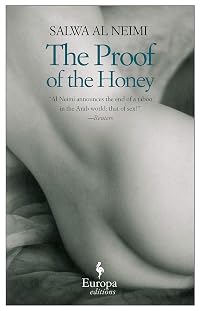
The Proof of the Honey
by Salwa Al Neimi
On This Page
Description
A Syrian scholar working in Paris is invited to contribute to a conference on the subject of classic erotic literature in Arabic. The invitation provides occasion for her to evoke memories from her own life, to exult in her personal liberty, her lovers, her desires, and to revisit moments of shared intimacy with other women as they discuss life, love, and sexual desire. Far more than an erotic novel, The Proof of the Honey is a surprising and illuminating voyage into the history of Arabic show more literature. Borrowing inspiration from The Thousand and One Nights, erudite asides are woven into the show lessTags
Recommendations


























Member Recommendations

Member Reviews
Al Neimi is Syrian, now living in Paris. It’s not hard to see why this novel was banned in a number of Arab countries because it deals with the taboo subject of the sexuality of women in the Arab world, drawing on ancient texts and modern exchanges, in a very frank manner. And al Neimi is frank even compared with some Western sensitivities. And in pursuing both, she overturns a number of preconceptions.
al Neimi, if she is the “I” of the novel which is told entirely in the first person, states her life view in the opening paragraph: “Some people conjure spirits. I conjure bodies. I have no knowledge of my soul or of the souls of others. I know only my body and theirs. And I am content with that. I conjure them and I see myself show more with them once again—ephemeral travelers in an ephemeral body; they were never more than that. The rules had been laid down. What, men as mere objects? Why not?”
“I have grasped this simple lesson: I take my pleasure with men and they take their pleasure with me. Full stop? I do not ask of them either love, or faithfulness, or devotion, or any commitment that might limit their horizons, close their eyes, or zip up their flies.”
Reading is her solace: “Secret reading had become a scholarly specialization. Long live progress, and the abolition of our taboos in deed, word, reading, writing, and seminar topics.” For al Neimi, “the Arabs were the only nation in the world that considered sex a blessing and thanked God for it.” Arab writers believe that one of the benefits of copulation is that it provided, “a glimpse of paradise”.
al Neimi rails against the tyranny of dissimulation that characterizes all aspects of Arab life and never more so than concerning sex where there is no public display, no public discussion, no public education, and yet, “Looking for a hymen in the Arab World has become like looking for a needle in a haystack…and waiting for girls to acquire a sound sexual culture is like waiting for Godot.”
An interesting book…an interesting glimpse into an aspect of Arab culture that is simply not addressed…an interesting introduction to some of the new Arab writing available in translation. show less
al Neimi, if she is the “I” of the novel which is told entirely in the first person, states her life view in the opening paragraph: “Some people conjure spirits. I conjure bodies. I have no knowledge of my soul or of the souls of others. I know only my body and theirs. And I am content with that. I conjure them and I see myself show more with them once again—ephemeral travelers in an ephemeral body; they were never more than that. The rules had been laid down. What, men as mere objects? Why not?”
“I have grasped this simple lesson: I take my pleasure with men and they take their pleasure with me. Full stop? I do not ask of them either love, or faithfulness, or devotion, or any commitment that might limit their horizons, close their eyes, or zip up their flies.”
Reading is her solace: “Secret reading had become a scholarly specialization. Long live progress, and the abolition of our taboos in deed, word, reading, writing, and seminar topics.” For al Neimi, “the Arabs were the only nation in the world that considered sex a blessing and thanked God for it.” Arab writers believe that one of the benefits of copulation is that it provided, “a glimpse of paradise”.
al Neimi rails against the tyranny of dissimulation that characterizes all aspects of Arab life and never more so than concerning sex where there is no public display, no public discussion, no public education, and yet, “Looking for a hymen in the Arab World has become like looking for a needle in a haystack…and waiting for girls to acquire a sound sexual culture is like waiting for Godot.”
An interesting book…an interesting glimpse into an aspect of Arab culture that is simply not addressed…an interesting introduction to some of the new Arab writing available in translation. show less
Un modesto librino nel quale, come spesso succede, la pretesa libertà sessual-erotica della scrittrice/protagonista non è niente altro che il paravento per scrivere nostalgicamente dell'uomo amato che funge da chiave per i sensi sopiti.
Le parti più memorabili sono costituite dalle ampie citazioni di testi classici dell'erotismo arabo. Per la serie: niente di nuovo sotto il sole, soprattutto se si parla di sesso ed eros.
Le parti più memorabili sono costituite dalle ampie citazioni di testi classici dell'erotismo arabo. Per la serie: niente di nuovo sotto il sole, soprattutto se si parla di sesso ed eros.
Excerpt from Linus's Blanket - The overarching plot here is thin but the novella is very interesting in terms of shedding new light on women’s relationships and sexuality in Arabic culture through women’s personal reflections on their lovers. The vignettes that the women offer here are varied and engaging. The novella is an arresting meditation on the sexual evolution of a woman deeply affected by an intense love affair. Though not perfect its execution, The Proof of Honey is a thought provoking book to contemplate on an afternoon.
Aan de hand van klassieke Arabische erotische teksten vertelt een Syrische bibliothecaresse in Europa haar persoonlijke erotische avonturen.
Ϩôãô_ô ôä ¯¤¯µ¯øôÃôà ¯«ôöô_¯©
¯¤ô ¯¤ ôï_ô ¯øô_¯« ôï«ôÃô㯩 ¯¤ô ¯¤ô㯱ôö¯¤ô_¯© ¯øôä ôÃô ¯¤ô㯤¯ø¯¬ ¯¤ô㯤ô_¯±ôö¯»ô_ôÃôä ¯¨¯¤¯µôà ¯¤ô ôà ôï« ô ôö¯_ ¯Ã¯øô_¯ø ¯¬¯¤ôã¯_ôï_ ô_ôÃôÃô ¯øôà ¯¤ôâ¯øôà ¯¤ô ôö¯¤¯_ show more ¯¤ô㯤¯ø¯¬ ôö ¯¤ôãô ôãô_ô㯩 ôö ôãô_ô㯩 ¯¬ô ¯_¯¨ôà ¯¤ ¯¤ô㯼ô_¯± ôÃô ôâ¯_¯© ¯«¯¤ôà ¯ø ¯¬ôã ¯¤ô ¯¤ôãôﻯ¤¯¬ ¯¤ôãôãôä ¯¤¯_¯»¯_¯¤ô ¯» ¯¬ô_ôà ¯¤ ¯¤ôãôï_ôãôÂôà ¯»¯«ôà ¯ø ôÂôä ¯_¯ø ¯¡¯¤¯»ôà ¯¤
ôãô_¯_ ôÂôà ôö ¯¤ôãôÃôö¯¦ôö¯_...ôöô㯤 ¯¤ô ¯¤ôãôï_ôãô¯© ¯_¯» ô㯤ô ¯_ô ¯øôä ôâô ¯¤¯_ôà ¯¤ô ¯¤ô㯼ôã¯á ¯¼ôã¯á ôö ¯¤ô㯵¯_ ¯µ¯_ ¯_ôö¯¤¯à ¯_¯» ¯¤ôö ¯±¯¤¯Ãôã
¯¤ôãôö¯¤ôâ¯_ ¯¤ô ôä ¯_ô ¯øôä ôï«ôÃô㯩 ¯»¯¤ô ô_¯© ô隷»ôãôÂôà ôï_ ¯¤ôãôﻯ¤¯¬...ôï« ¯¤ô ôà ôﻯ¤¯¬ ¯¤ô_¯±ôö¯»ô_ôÃôä ¯»¯_ ¯»¯_ ¯¤ô ôà ôﻯ¤¯¬ ¯¤ô_¯±ôö¯»ô_ôÃôä ôö¯_¯«
:D
¯¤ôãôﻯ¤¯¬ ôÂôä ¯¤¯_¯_ô ¯¤ô㯤¯_ôö¯¤ôã ¯_¯¬¯¤¯±¯© ¯_ô ô ôÃô_ôï© ¯_¯»¯¤¯» ¯_ôö¯¤ôãô_ô ¯µô_ô ô_¯© ôâôà ôö¯© ¯¤ôö ôÂôä ôÃôö¯¤ôÂô_¯± ôà ¯»¯_¯¤ôãôä ôö ôÂôö¯¤¯µôã ¯¬ô_ô ¯¤ôãô ôÃô_ôï© ...ôï« ¯¤ôﻯ± ôÃô ôïøôà ôö ôÃô_ô ô¯_¯« ô ¯µô ôÂôà ôï±ôö¯¤ô_¯© ¯¤ôö ¯_¯»ôä ¯¤ô⯵¯¤ôâô_¯µ ¯¤ôö ô¤ôﱯ¤¯»
¯_¯¤¯±ô "¯¤ôãôöôãô_¯©" ¯¤ôãôãôä ôï¤ô ¯» ôÂôä ¯±ôö¯¤ô_¯© ¯_ô㯤¯à ¯¤ô㯤¯_ôö¯¤ô ôä "ô ¯¤¯øôä ¯¤ôã¯_ô_¯¤¯±¯¤¯»" ¯¤ôãôãôä ôÃôï»ô ¯« ô¯¤ôã¯_¯© ¯¼ô_¯± ôÂôä ¯¤ôã¯_¯¤¯Ã¯¤¯» ¯øôä...¯¤ôà ôö ¯«¯¬ôà ôïøôÃ
¯_ôãôöôä ¯¤ôãô ¯_ô_ôÃôä ¯_¯¬¯» ¯»¯_ôÃôã ¯±ôö¯¤ô_¯© ¯_ô ¯¤ôã¯Ãô ¯_ ¯»¯µ¯øôà ¯¬ô_ôà ¯¤ ¯¤ôãôïï»ôï_...ô¯¤ô ¯»ôà ôä ¯¬ô_ôà ¯¤ ¯¤ô㯤ôï± ô㯫¯¬ôà ¯±ôö¯¤ô_¯© ¯¬¯»¯»ôÃôãôà ¯_ô ¯«¯¬ôà ¯¤ôã¯Ãô ¯_ ôö ôﵯøôﻯ« ¯_¯ø -¯¤ôö ¯_ôãôä ¯¤ô㯤ôâôã ôï¤ ¯µ¯øôï»ô ô_¯« ¯¤ô ¯¤- ¯¤ôÃôÃôÃôÃôà ôﻯ¤¯¬ ¯¤ôâôã ôÃô ¯»ôöôâ¯_¯¤¯»ôä
show less
¯¤ô ¯¤ ôï_ô ¯øô_¯« ôï«ôÃô㯩 ¯¤ô ¯¤ô㯱ôö¯¤ô_¯© ¯øôä ôÃô ¯¤ô㯤¯ø¯¬ ¯¤ô㯤ô_¯±ôö¯»ô_ôÃôä ¯¨¯¤¯µôà ¯¤ô ôà ôï« ô ôö¯_ ¯Ã¯øô_¯ø ¯¬¯¤ôã¯_ôï_ ô_ôÃôÃô ¯øôà ¯¤ôâ¯øôà ¯¤ô ôö¯¤¯_ show more ¯¤ô㯤¯ø¯¬ ôö ¯¤ôãô ôãô_ô㯩 ôö ôãô_ô㯩 ¯¬ô ¯_¯¨ôà ¯¤ ¯¤ô㯼ô_¯± ôÃô ôâ¯_¯© ¯«¯¤ôà ¯ø ¯¬ôã ¯¤ô ¯¤ôãôﻯ¤¯¬ ¯¤ôãôãôä ¯¤¯_¯»¯_¯¤ô ¯» ¯¬ô_ôà ¯¤ ¯¤ôãôï_ôãôÂôà ¯»¯«ôà ¯ø ôÂôä ¯_¯ø ¯¡¯¤¯»ôà ¯¤
ôãô_¯_ ôÂôà ôö ¯¤ôãôÃôö¯¦ôö¯_...ôöô㯤 ¯¤ô ¯¤ôãôï_ôãô¯© ¯_¯» ô㯤ô ¯_ô ¯øôä ôâô ¯¤¯_ôà ¯¤ô ¯¤ô㯼ôã¯á ¯¼ôã¯á ôö ¯¤ô㯵¯_ ¯µ¯_ ¯_ôö¯¤¯à ¯_¯» ¯¤ôö ¯±¯¤¯Ãôã
¯¤ôãôö¯¤ôâ¯_ ¯¤ô ôä ¯_ô ¯øôä ôï«ôÃô㯩 ¯»¯¤ô ô_¯© ô隷»ôãôÂôà ôï_ ¯¤ôãôﻯ¤¯¬...ôï« ¯¤ô ôà ôﻯ¤¯¬ ¯¤ô_¯±ôö¯»ô_ôÃôä ¯»¯_ ¯»¯_ ¯¤ô ôà ôﻯ¤¯¬ ¯¤ô_¯±ôö¯»ô_ôÃôä ôö¯_¯«
:D
¯¤ôãôﻯ¤¯¬ ôÂôä ¯¤¯_¯_ô ¯¤ô㯤¯_ôö¯¤ôã ¯_¯¬¯¤¯±¯© ¯_ô ô ôÃô_ôï© ¯_¯»¯¤¯» ¯_ôö¯¤ôãô_ô ¯µô_ô ô_¯© ôâôà ôö¯© ¯¤ôö ôÂôä ôÃôö¯¤ôÂô_¯± ôà ¯»¯_¯¤ôãôä ôö ôÂôö¯¤¯µôã ¯¬ô_ô ¯¤ôãô ôÃô_ôï© ...ôï« ¯¤ôﻯ± ôÃô ôïøôà ôö ôÃô_ô ô¯_¯« ô ¯µô ôÂôà ôï±ôö¯¤ô_¯© ¯¤ôö ¯_¯»ôä ¯¤ô⯵¯¤ôâô_¯µ ¯¤ôö ô¤ôﱯ¤¯»
¯_¯¤¯±ô "¯¤ôãôöôãô_¯©" ¯¤ôãôãôä ôï¤ô ¯» ôÂôä ¯±ôö¯¤ô_¯© ¯_ô㯤¯à ¯¤ô㯤¯_ôö¯¤ô ôä "ô ¯¤¯øôä ¯¤ôã¯_ô_¯¤¯±¯¤¯»" ¯¤ôãôãôä ôÃôï»ô ¯« ô¯¤ôã¯_¯© ¯¼ô_¯± ôÂôä ¯¤ôã¯_¯¤¯Ã¯¤¯» ¯øôä...¯¤ôà ôö ¯«¯¬ôà ôïøôÃ
¯_ôãôöôä ¯¤ôãô ¯_ô_ôÃôä ¯_¯¬¯» ¯»¯_ôÃôã ¯±ôö¯¤ô_¯© ¯_ô ¯¤ôã¯Ãô ¯_ ¯»¯µ¯øôà ¯¬ô_ôà ¯¤ ¯¤ôãôïï»ôï_...ô¯¤ô ¯»ôà ôä ¯¬ô_ôà ¯¤ ¯¤ô㯤ôï± ô㯫¯¬ôà ¯±ôö¯¤ô_¯© ¯¬¯»¯»ôÃôãôà ¯_ô ¯«¯¬ôà ¯¤ôã¯Ãô ¯_ ôö ôﵯøôﻯ« ¯_¯ø -¯¤ôö ¯_ôãôä ¯¤ô㯤ôâôã ôï¤ ¯µ¯øôï»ô ô_¯« ¯¤ô ¯¤- ¯¤ôÃôÃôÃôÃôà ôﻯ¤¯¬ ¯¤ôâôã ôÃô ¯»ôöôâ¯_¯¤¯»ôä
show less
Ϩôãô_ô ôä ¯¤¯µ¯øôÃôà ¯«ôöô_¯©
¯¤ô ¯¤ ôï_ô ¯øô_¯« ôï«ôÃô㯩 ¯¤ô ¯¤ô㯱ôö¯¤ô_¯© ¯øôä ôÃô ¯¤ô㯤¯ø¯¬ ¯¤ô㯤ô_¯±ôö¯»ô_ôÃôä ¯¨¯¤¯µôà ¯¤ô ôà ôï« ô ôö¯_ ¯Ã¯øô_¯ø ¯¬¯¤ôã¯_ôï_ ô_ôÃôÃô ¯øôà ¯¤ôâ¯øôà ¯¤ô ôö¯¤¯_ show more ¯¤ô㯤¯ø¯¬ ôö ¯¤ôãô ôãô_ô㯩 ôö ôãô_ô㯩 ¯¬ô ¯_¯¨ôà ¯¤ ¯¤ô㯼ô_¯± ôÃô ôâ¯_¯© ¯«¯¤ôà ¯ø ¯¬ôã ¯¤ô ¯¤ôãôﻯ¤¯¬ ¯¤ôãôãôä ¯¤¯_¯»¯_¯¤ô ¯» ¯¬ô_ôà ¯¤ ¯¤ôãôï_ôãôÂôà ¯»¯«ôà ¯ø ôÂôä ¯_¯ø ¯¡¯¤¯»ôà ¯¤
ôãô_¯_ ôÂôà ôö ¯¤ôãôÃôö¯¦ôö¯_...ôöô㯤 ¯¤ô ¯¤ôãôï_ôãô¯© ¯_¯» ô㯤ô ¯_ô ¯øôä ôâô ¯¤¯_ôà ¯¤ô ¯¤ô㯼ôã¯á ¯¼ôã¯á ôö ¯¤ô㯵¯_ ¯µ¯_ ¯_ôö¯¤¯à ¯_¯» ¯¤ôö ¯±¯¤¯Ãôã
¯¤ôãôö¯¤ôâ¯_ ¯¤ô ôä ¯_ô ¯øôä ôï«ôÃô㯩 ¯»¯¤ô ô_¯© ô隷»ôãôÂôà ôï_ ¯¤ôãôﻯ¤¯¬...ôï« ¯¤ô ôà ôﻯ¤¯¬ ¯¤ô_¯±ôö¯»ô_ôÃôä ¯»¯_ ¯»¯_ ¯¤ô ôà ôﻯ¤¯¬ ¯¤ô_¯±ôö¯»ô_ôÃôä ôö¯_¯«
:D
¯¤ôãôﻯ¤¯¬ ôÂôä ¯¤¯_¯_ô ¯¤ô㯤¯_ôö¯¤ôã ¯_¯¬¯¤¯±¯© ¯_ô ô ôÃô_ôï© ¯_¯»¯¤¯» ¯_ôö¯¤ôãô_ô ¯µô_ô ô_¯© ôâôà ôö¯© ¯¤ôö ôÂôä ôÃôö¯¤ôÂô_¯± ôà ¯»¯_¯¤ôãôä ôö ôÂôö¯¤¯µôã ¯¬ô_ô ¯¤ôãô ôÃô_ôï© ...ôï« ¯¤ôﻯ± ôÃô ôïøôà ôö ôÃô_ô ô¯_¯« ô ¯µô ôÂôà ôï±ôö¯¤ô_¯© ¯¤ôö ¯_¯»ôä ¯¤ô⯵¯¤ôâô_¯µ ¯¤ôö ô¤ôﱯ¤¯»
¯_¯¤¯±ô "¯¤ôãôöôãô_¯©" ¯¤ôãôãôä ôï¤ô ¯» ôÂôä ¯±ôö¯¤ô_¯© ¯_ô㯤¯à ¯¤ô㯤¯_ôö¯¤ô ôä "ô ¯¤¯øôä ¯¤ôã¯_ô_¯¤¯±¯¤¯»" ¯¤ôãôãôä ôÃôï»ô ¯« ô¯¤ôã¯_¯© ¯¼ô_¯± ôÂôä ¯¤ôã¯_¯¤¯Ã¯¤¯» ¯øôä...¯¤ôà ôö ¯«¯¬ôà ôïøôÃ
¯_ôãôöôä ¯¤ôãô ¯_ô_ôÃôä ¯_¯¬¯» ¯»¯_ôÃôã ¯±ôö¯¤ô_¯© ¯_ô ¯¤ôã¯Ãô ¯_ ¯»¯µ¯øôà ¯¬ô_ôà ¯¤ ¯¤ôãôïï»ôï_...ô¯¤ô ¯»ôà ôä ¯¬ô_ôà ¯¤ ¯¤ô㯤ôï± ô㯫¯¬ôà ¯±ôö¯¤ô_¯© ¯¬¯»¯»ôÃôãôà ¯_ô ¯«¯¬ôà ¯¤ôã¯Ãô ¯_ ôö ôﵯøôﻯ« ¯_¯ø -¯¤ôö ¯_ôãôä ¯¤ô㯤ôâôã ôï¤ ¯µ¯øôï»ô ô_¯« ¯¤ô ¯¤- ¯¤ôÃôÃôÃôÃôà ôﻯ¤¯¬ ¯¤ôâôã ôÃô ¯»ôöôâ¯_¯¤¯»ôä
show less
¯¤ô ¯¤ ôï_ô ¯øô_¯« ôï«ôÃô㯩 ¯¤ô ¯¤ô㯱ôö¯¤ô_¯© ¯øôä ôÃô ¯¤ô㯤¯ø¯¬ ¯¤ô㯤ô_¯±ôö¯»ô_ôÃôä ¯¨¯¤¯µôà ¯¤ô ôà ôï« ô ôö¯_ ¯Ã¯øô_¯ø ¯¬¯¤ôã¯_ôï_ ô_ôÃôÃô ¯øôà ¯¤ôâ¯øôà ¯¤ô ôö¯¤¯_ show more ¯¤ô㯤¯ø¯¬ ôö ¯¤ôãô ôãô_ô㯩 ôö ôãô_ô㯩 ¯¬ô ¯_¯¨ôà ¯¤ ¯¤ô㯼ô_¯± ôÃô ôâ¯_¯© ¯«¯¤ôà ¯ø ¯¬ôã ¯¤ô ¯¤ôãôﻯ¤¯¬ ¯¤ôãôãôä ¯¤¯_¯»¯_¯¤ô ¯» ¯¬ô_ôà ¯¤ ¯¤ôãôï_ôãôÂôà ¯»¯«ôà ¯ø ôÂôä ¯_¯ø ¯¡¯¤¯»ôà ¯¤
ôãô_¯_ ôÂôà ôö ¯¤ôãôÃôö¯¦ôö¯_...ôöô㯤 ¯¤ô ¯¤ôãôï_ôãô¯© ¯_¯» ô㯤ô ¯_ô ¯øôä ôâô ¯¤¯_ôà ¯¤ô ¯¤ô㯼ôã¯á ¯¼ôã¯á ôö ¯¤ô㯵¯_ ¯µ¯_ ¯_ôö¯¤¯à ¯_¯» ¯¤ôö ¯±¯¤¯Ãôã
¯¤ôãôö¯¤ôâ¯_ ¯¤ô ôä ¯_ô ¯øôä ôï«ôÃô㯩 ¯»¯¤ô ô_¯© ô隷»ôãôÂôà ôï_ ¯¤ôãôﻯ¤¯¬...ôï« ¯¤ô ôà ôﻯ¤¯¬ ¯¤ô_¯±ôö¯»ô_ôÃôä ¯»¯_ ¯»¯_ ¯¤ô ôà ôﻯ¤¯¬ ¯¤ô_¯±ôö¯»ô_ôÃôä ôö¯_¯«
:D
¯¤ôãôﻯ¤¯¬ ôÂôä ¯¤¯_¯_ô ¯¤ô㯤¯_ôö¯¤ôã ¯_¯¬¯¤¯±¯© ¯_ô ô ôÃô_ôï© ¯_¯»¯¤¯» ¯_ôö¯¤ôãô_ô ¯µô_ô ô_¯© ôâôà ôö¯© ¯¤ôö ôÂôä ôÃôö¯¤ôÂô_¯± ôà ¯»¯_¯¤ôãôä ôö ôÂôö¯¤¯µôã ¯¬ô_ô ¯¤ôãô ôÃô_ôï© ...ôï« ¯¤ôﻯ± ôÃô ôïøôà ôö ôÃô_ô ô¯_¯« ô ¯µô ôÂôà ôï±ôö¯¤ô_¯© ¯¤ôö ¯_¯»ôä ¯¤ô⯵¯¤ôâô_¯µ ¯¤ôö ô¤ôﱯ¤¯»
¯_¯¤¯±ô "¯¤ôãôöôãô_¯©" ¯¤ôãôãôä ôï¤ô ¯» ôÂôä ¯±ôö¯¤ô_¯© ¯_ô㯤¯à ¯¤ô㯤¯_ôö¯¤ô ôä "ô ¯¤¯øôä ¯¤ôã¯_ô_¯¤¯±¯¤¯»" ¯¤ôãôãôä ôÃôï»ô ¯« ô¯¤ôã¯_¯© ¯¼ô_¯± ôÂôä ¯¤ôã¯_¯¤¯Ã¯¤¯» ¯øôä...¯¤ôà ôö ¯«¯¬ôà ôïøôÃ
¯_ôãôöôä ¯¤ôãô ¯_ô_ôÃôä ¯_¯¬¯» ¯»¯_ôÃôã ¯±ôö¯¤ô_¯© ¯_ô ¯¤ôã¯Ãô ¯_ ¯»¯µ¯øôà ¯¬ô_ôà ¯¤ ¯¤ôãôïï»ôï_...ô¯¤ô ¯»ôà ôä ¯¬ô_ôà ¯¤ ¯¤ô㯤ôï± ô㯫¯¬ôà ¯±ôö¯¤ô_¯© ¯¬¯»¯»ôÃôãôà ¯_ô ¯«¯¬ôà ¯¤ôã¯Ãô ¯_ ôö ôﵯøôﻯ« ¯_¯ø -¯¤ôö ¯_ôãôä ¯¤ô㯤ôâôã ôï¤ ¯µ¯øôï»ô ô_¯« ¯¤ô ¯¤- ¯¤ôÃôÃôÃôÃôà ôﻯ¤¯¬ ¯¤ôâôã ôÃô ¯»ôöôâ¯_¯¤¯»ôä
show less
Araba, musulmana e colta, la protagonista di questo libro, nata e cresciuta a Damasco, si è trasferita a Parigi dove si occupa della biblioteca di arabistica dell'università. Nella sua vita c'è stato un uomo fondamentale, un uomo che le ha aperto un mondo prima sconosciuto, erotico, carnale. Questo incontro l'ha portata a mettere in pratica le teorie che ha appreso in anni di letture clandestine degli antichi testi di letteratura erotica araba, fino a risvegliare i ricordi dell'infanzia siriana, memorie di un mondo degli adulti complesso e contorto, fatto di segreti, tradimenti e passioni. Senza dimenticare le confidenze delle amiche, o i tipici rituali della cultura araba come l'hammam, e le leggi, i testi sacri, tutto diventa show more materia di una ricerca che fa del corpo il mezzo e il fine della ricerca stessa. E la protagonista intraprende questo percorso proprio perché si sente figlia orgogliosa di un universo culturale profondamente arabo. Ribalta i luoghi comuni sul rapporto tra sesso e Islam, e mostra come nella tradizione araba il piacere sessuale non sia un peccato, bensì una grazia di Dio, un "assaggio", un'anticipazione dei piaceri che attendono gli individui in paradiso. show less
Feb 28, 2016Italian
Members
- Recently Added By
Author Information
8+ Works 195 Members
Awards and Honors
Notable Lists
Common Knowledge
- Canonical title
- The Proof of the Honey
- Original title
- Burhan al-'Asal; برهان العسل : رواية
- Original publication date
- 2008 (original Arabic) (original Arabic); 2009 (English: Perkins) (English: Perkins)
- Epigraph
- The desired face is neither a memory nor a dream. It combines the two and goes beyond them. The desired face prolongs the moment of desire indefinitely. --Unsi Al Hajj
Body, remember not only how much you were loved, / not only the beds you lay on, but also those desires glowing / openly in eyes that looked at you, / trembling for you in voices-- / only some chance obstacle frustrated them.... (show all) / Now that it's all finally in the past, / it seems almost as if you gave yourself / to those desires, too--how they glowed, / remember, in the eyes that looked at you, remember, body, / how they trembled for you in those voices. --Cavafy
I will come to her bare headed, bare footed. --Salim Rizqallah
Tomorrow, the day after, or years later, he'll give voice / to the strong lines that had their beginning here. --Cavafy - First words
- Some people conjure spirits. I conjure bodies.
- Last words
- (Click to show. Warning: May contain spoilers.)Does the scandal lie in the deed, or in the revelation of the deed?
Who is asking the question?
My story is no scandal, nor is my book.
The scandal was in the secret.
But the secret is no longer. - Blurbers
- Khadra, Yasmina
Classifications
- Genres
- General Fiction, Fiction and Literature
- DDC/MDS
- 892.736 — Literature & rhetoric Literatures of other languages Afro-Asiatic literatures Arabic (Egypt, Lebanon, Palestine, Saudi Arabia, Sudan) Arabic fiction 1945–2000
- LCC
- PJ7852 .U195 .B8713 — Language and Literature Oriental languages and literatures Oriental philology and literature Arabic Arabic literature Individual authors or works
- BISAC
Statistics
- Members
- 177
- Popularity
- 184,875
- Reviews
- 10
- Rating
- (2.78)
- Languages
- 8 — Dutch, English, French, German, Italian, Polish, Portuguese, Spanish
- Media
- Paper, Ebook
- ISBNs
- 15
- ASINs
- 3