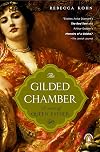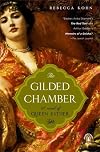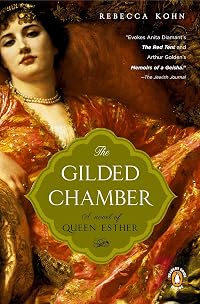
The Gilded Chamber
by Rebecca Kohn
On This Page
Description
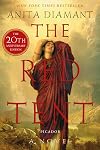
In the Bestselling tradition of The Red Tent, a dazzling novel of the extraordinary biblical heroine who ascended to the position of queen and sacrificed love in exchange for the lives of her people. The story of Esther-- whose mesmerizing beauty was matched only by her clear-eyed wisdom-- has inspired women for centuries. Now her suspenseful tale comes to life through the eyes of a contemporary woman, debut novelist Rebecca Kohn. Capturing the passionate longings and political danger that show more have made Esther's legacy so timeless, The Gilded Chamber blends meticulous research with gripping storytelling to transport us to an ancient time in the far-flung Persian Empire. Orphaned and terrified, Esther journeys across the River Tigris to start a new life with her cousin-- a man well positioned in the court, and to whom she is betrothed. Her transformation from girl to woman unfolds against a lavish backdrop of the royal court and harem, rife with intrigue and daring alliances. Esther wins much of what she seeks: the heart of a king, and the deliverance of her people. But her rise to the role of queen is not without a price; she must turn her back on all that she ever wanted, and give her body to a man she can never love. In a haunting, unflinching voice, The Gilded Chamber illuminates an epic dilemma between the yearnings of a woman's heart and the obligations imposed on her by fate. In Esther's case, choice makes history-- and unforgettable reading show lessTags
Recommendations
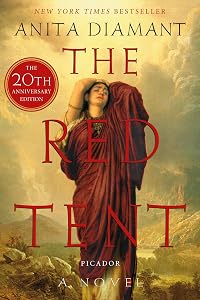
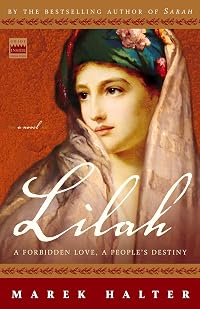
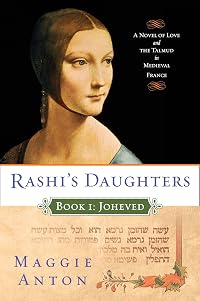
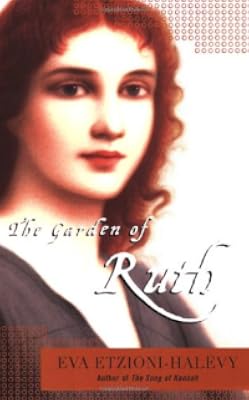





Member Recommendations
Member Reviews
I wish I could give this book a higher rating, because while other reviewers complained about the sex scenes in this book, I don't think that sex scenes make a book outright "smutty".
However, there are some times when a sex scene feels completely unnecessary, and this book serves as an example of that. I loved the research that went into showing the reader the world of 1st-millennium BCE Persia (as a history buff I'm a sucker for detail) but the story could have been constructed better and with at least half of the sex scenes edited out.
However, there are some times when a sex scene feels completely unnecessary, and this book serves as an example of that. I loved the research that went into showing the reader the world of 1st-millennium BCE Persia (as a history buff I'm a sucker for detail) but the story could have been constructed better and with at least half of the sex scenes edited out.
A very interesting take on the Esther story. My feeling is that this story may be more historically accurate than the love story most of us know; however, it is kind of sad. The king is such a disappointment, as both a ruler and a husband. It pretty much confirms that prince charming belongs in Disney and not the real world.
The Gilded Chamber, by Rebecca Kohn
This was supposedly a "must-read for fans the The Red Tent". I agree. The extensive research into everyday life in biblical times made it easy to disappear into the book. I'm not sure I want to, though. The world of a king's harem is much harsher than I would have thought. Either that or King Xerxes was a snot. Actually, it's not an either/or, in this case it's both.
This is the story of Esther and how she freed her people from an edict of death by the king. It's a bit of a footnote in the bible, but a story I've always been interested in. I loved the Red Tent, so I picked up the book. The author painted life with a deft hand, both the pretty and the ugly sides of life. She didn't shy away from things show more that had to be difficult to write (they were certainly difficult to read) - if it was part of the story, she told it.
The last 50 pages were underwhelming. The story dribbled toward the ending and left me with "eh" on my tongue. Yet I cannot forget those first 300 pages, in which I was drawn in and cared what happened to the characters. It is in spite of the last 50 pages that I would recommend this book to others with a desire for the "real" story behind what is essentially a biblical footnote. show less
This was supposedly a "must-read for fans the The Red Tent". I agree. The extensive research into everyday life in biblical times made it easy to disappear into the book. I'm not sure I want to, though. The world of a king's harem is much harsher than I would have thought. Either that or King Xerxes was a snot. Actually, it's not an either/or, in this case it's both.
This is the story of Esther and how she freed her people from an edict of death by the king. It's a bit of a footnote in the bible, but a story I've always been interested in. I loved the Red Tent, so I picked up the book. The author painted life with a deft hand, both the pretty and the ugly sides of life. She didn't shy away from things show more that had to be difficult to write (they were certainly difficult to read) - if it was part of the story, she told it.
The last 50 pages were underwhelming. The story dribbled toward the ending and left me with "eh" on my tongue. Yet I cannot forget those first 300 pages, in which I was drawn in and cared what happened to the characters. It is in spite of the last 50 pages that I would recommend this book to others with a desire for the "real" story behind what is essentially a biblical footnote. show less
I didn't expect much from this book. Stories based on the Bible tend to turn out either as extremely liberal interpretations that bear little resemblance to anything that would have been written in those times, or over-faithful recreations of the exact scenes with the exact words used in the Bible that leave one wondering, why not just read the original? I won't say that The Gilded Chamber is a perfect balance of new and old, because it isn't. But it comes closer than any I have found so far and gives me hope that the genre really might be improving.
SPOILERS SPOILERS SPOILERS FROM HERE ON
What I liked:
The sense of place was good without being overwhelming. The author does not get bogged down in historical details at the expense of the show more story, but the history seems pretty good from what I can remember (Persia is not my area of expertise by a long shot).
Hadassah/Esther is actually pretty believable. In times of trouble there is always that one who swallows their fear and anguish until a time when it can be safely released and steps up as a uniter, a comforter, a leader. Such people are few and far between, but they do exist in real life. I have met them. And as Hadassah/Esther feels plenty of insecurities and uncertainties, has nightmares, weaknesses, and terrible regrets, I cannot call her a Mary Sue. I think this is probably as close as you could get to the character of the Biblical Esther without actually meeting her in real life, which would require a time machine or something.
Mordechai/Marduka was interesting because he shows a Jew who, like Esther, has nearly forgotten his heritage in his ambition to serve the king and climb the greasy pole. By the middle, however, he has regained his faith and openly admitted his Jewish ancestry, putting himself in peril. I wish he had been a little more 3-dimensional, though. (I'll put more about that in "What I Disliked)."
Xerxes was depicted as being about a big a jerk as you would expect based on history and the Biblical story itself. While Esther at first develops a wild lust for him, and for years tries to mentally mold him into a proper object for her love, she is never really able to do so. Which leads to...
This isn't a sappy love story. It is a story of survival.
The "One Night with the King" isn't glossed over as a time to chat over tea and show off one's wits. For the first time that I have ever encountered, the true nature of that night is made clear, though...
The sexuality is overt throughout but never very graphic. The author actually trusts us to be smart enough to know what is happening and doesn't spell everything out. A rare quality in a book today. Still more sexual content than many I know will be okay with, though, so I can't loan it to my mother.
What I didn't like:
Too many flashbacks to her parents and their deaths. We get it, okay?
Most of the characters are completely 2-dimensional, even characters that were important enough to warrant in-depth characterization. Why does Haman want to kill all of the Jews and murder the king? Ambition. That's it. He's just all evilness and ambition, and the same goes for his wife. To me this story would have benefited from a more well-rounded villain, but alas, we do not get one.
Maybe it's just me, but I would have liked to see Queen Vashti treated as a normal woman who just didn't obey one stupid order from her husband and got severely punished for it. Instead, she is an evil harpy who sends curses from afar and leaves death threats scrawled into walls, then sends her creepy little man in a boy suit to seduce his half sister and kill the king. It's just too much. At least Esther is smart enough to realize that she could easily be treated as Vashti was at any time.
I couldn't help but find it a little too convenient that Esther is put immediately into a group of friends and servants that contain so many Jews.
Marduka/Mordechai was a disappointment overall. While his betrothal to Esther at a very early age at least explains why she is with him to begin with, she has more to do with his servant and just about every other character in the book than with him. Yet she maintains a longing for him throughout the book and continues wishing to be his wife even though it is clear that he would have married her if that was his wish. He doesn't say a word when she is kidnapped to become a concubine; basically he doesn't seem to care what happens to her at all.
When Queen Esther ran out into the street, where Mordechai was publicly pouring ashes onto his head, in order to plead with him to just bow to Haman, it was just not realistic at all. She is always lamenting that she cannot escape her confines in the palace, so it's pretty hard to believe that she can somehow escape just at this important moment and ally herself with this condemned Jew with everyone watching, but with no one remembering any of that later. I think it would've been quite the scene in real life and word of it would have been everywhere.
I felt that, after all of this, there should be a clear ending even though the Bible does not have what became of Esther after the assassination, but we don't really get that.
Finally, I guess I would say that this version leans a little too close to the strict interpretation of the Bible end of things. It is still an interesting quick read, but I think a little more deviation from the text could have fleshed things out a bit. I would definitely read another book by the same author, though. She seems to be a talent to watch! show less
SPOILERS SPOILERS SPOILERS FROM HERE ON
What I liked:
The sense of place was good without being overwhelming. The author does not get bogged down in historical details at the expense of the show more story, but the history seems pretty good from what I can remember (Persia is not my area of expertise by a long shot).
Hadassah/Esther is actually pretty believable. In times of trouble there is always that one who swallows their fear and anguish until a time when it can be safely released and steps up as a uniter, a comforter, a leader. Such people are few and far between, but they do exist in real life. I have met them. And as Hadassah/Esther feels plenty of insecurities and uncertainties, has nightmares, weaknesses, and terrible regrets, I cannot call her a Mary Sue. I think this is probably as close as you could get to the character of the Biblical Esther without actually meeting her in real life, which would require a time machine or something.
Mordechai/Marduka was interesting because he shows a Jew who, like Esther, has nearly forgotten his heritage in his ambition to serve the king and climb the greasy pole. By the middle, however, he has regained his faith and openly admitted his Jewish ancestry, putting himself in peril. I wish he had been a little more 3-dimensional, though. (I'll put more about that in "What I Disliked)."
Xerxes was depicted as being about a big a jerk as you would expect based on history and the Biblical story itself. While Esther at first develops a wild lust for him, and for years tries to mentally mold him into a proper object for her love, she is never really able to do so. Which leads to...
This isn't a sappy love story. It is a story of survival.
The "One Night with the King" isn't glossed over as a time to chat over tea and show off one's wits. For the first time that I have ever encountered, the true nature of that night is made clear, though...
The sexuality is overt throughout but never very graphic. The author actually trusts us to be smart enough to know what is happening and doesn't spell everything out. A rare quality in a book today. Still more sexual content than many I know will be okay with, though, so I can't loan it to my mother.
What I didn't like:
Too many flashbacks to her parents and their deaths. We get it, okay?
Most of the characters are completely 2-dimensional, even characters that were important enough to warrant in-depth characterization. Why does Haman want to kill all of the Jews and murder the king? Ambition. That's it. He's just all evilness and ambition, and the same goes for his wife. To me this story would have benefited from a more well-rounded villain, but alas, we do not get one.
Maybe it's just me, but I would have liked to see Queen Vashti treated as a normal woman who just didn't obey one stupid order from her husband and got severely punished for it. Instead, she is an evil harpy who sends curses from afar and leaves death threats scrawled into walls, then sends her creepy little man in a boy suit to seduce his half sister and kill the king. It's just too much. At least Esther is smart enough to realize that she could easily be treated as Vashti was at any time.
I couldn't help but find it a little too convenient that Esther is put immediately into a group of friends and servants that contain so many Jews.
Marduka/Mordechai was a disappointment overall. While his betrothal to Esther at a very early age at least explains why she is with him to begin with, she has more to do with his servant and just about every other character in the book than with him. Yet she maintains a longing for him throughout the book and continues wishing to be his wife even though it is clear that he would have married her if that was his wish. He doesn't say a word when she is kidnapped to become a concubine; basically he doesn't seem to care what happens to her at all.
When Queen Esther ran out into the street, where Mordechai was publicly pouring ashes onto his head, in order to plead with him to just bow to Haman, it was just not realistic at all. She is always lamenting that she cannot escape her confines in the palace, so it's pretty hard to believe that she can somehow escape just at this important moment and ally herself with this condemned Jew with everyone watching, but with no one remembering any of that later. I think it would've been quite the scene in real life and word of it would have been everywhere.
I felt that, after all of this, there should be a clear ending even though the Bible does not have what became of Esther after the assassination, but we don't really get that.
Finally, I guess I would say that this version leans a little too close to the strict interpretation of the Bible end of things. It is still an interesting quick read, but I think a little more deviation from the text could have fleshed things out a bit. I would definitely read another book by the same author, though. She seems to be a talent to watch! show less
I was really drawn into this book right away. I didn't know anything about Esther, so I can't really comment on the historical/Biblical accuracy of the story. The plot moves along very quickly in the beginning, with Esther (then called Hadassah) being orphaned in Babylon and going to live with her cousin/husband-to-be Mordechai in Persia. Mordechai, however, is now known as Marduka the Babylonian, an adviser to King Xerxes I.
Before Hadassah can sort out whether or not her cousin still intends to marry her (she's 14 and getting impatient), she's taken by the king's soldiers and sent to the harem to see if she will be a good concubine for the king. She is now known as Esther and fearful of revealing herself to be Jewish. She finds favor show more with Xerxes and is soon elevated to Queen. She ultimately uses this position to save the Jews of the Persian Empire from a death edict.
Just looking at it as a story, I was hoping that Xerxes would end up having a little more substance to him, or at least a more consistent characterization. But royalty was allowed to be as mercurial as they pleased, so maybe that's based on history. I sped through the first 2/3 of the book, but the last part dragged for me a bit. I was sort of disappointed - I thought Esther would do more, somehow, or change Xerxes for the better, and the last chapter or so seemed unnecessary.
But overall, I enjoyed it and the depiction of a harem/concubine/court setting from a place and era about which I knew nothing. show less
Before Hadassah can sort out whether or not her cousin still intends to marry her (she's 14 and getting impatient), she's taken by the king's soldiers and sent to the harem to see if she will be a good concubine for the king. She is now known as Esther and fearful of revealing herself to be Jewish. She finds favor show more with Xerxes and is soon elevated to Queen. She ultimately uses this position to save the Jews of the Persian Empire from a death edict.
Just looking at it as a story, I was hoping that Xerxes would end up having a little more substance to him, or at least a more consistent characterization. But royalty was allowed to be as mercurial as they pleased, so maybe that's based on history. I sped through the first 2/3 of the book, but the last part dragged for me a bit. I was sort of disappointed - I thought Esther would do more, somehow, or change Xerxes for the better, and the last chapter or so seemed unnecessary.
But overall, I enjoyed it and the depiction of a harem/concubine/court setting from a place and era about which I knew nothing. show less
Quick moving story - not overly obsessed with any particular moment or description. Just enough to paint a great picture and keep me turning the pages as quickly as I could to see what the next page would bring!
In this inventive work of Biblical fiction, Rebecca Kohn tells the story of a young Hassadah, a Jewish orphan who is sent to live with her cousin Mordecchai following her parents' deaths. Hassadah barely has time to unpack her things before she is swept away by King Xerxes's soldiers, who are in the process of gathering up all the young virgins of the land to be presented to the King as prospective wives. The hundreds of young women who are not selected by the King will eventually come to spend the rest of their days in the King's harem as his concubines. When Hassadah enters the harem, she is immediately noticed by the keeper of the women and her name is changed to Esther. As she navigates the troubled world of the harem, she learns show more about the King she has not yet met and begins to be groomed as the perfect companion for Xerxes. When the King finally meets the beautiful and kind Esther, he is immediately enamored of her and quickly makes her his Queen, removing her from the fate of the concubines and making her the most powerful woman in the land. But Esther's story does not end there, for there is mischief in the form of plots on the King's life and danger and jealousies from all corners of the kingdom and beyond. Soon it becomes apparent that Esther will be more influential and powerful than even she thought possible, as the very survival of the Jewish people rests solely in her hands. Sweeping and illuminative, Kohn transforms this short chapter of the Bible into an intricate story of a courageous and influential young woman who became Queen, and so much more.
I had read this book several years ago and ended up having a pretty positive experience with it. Not so the second time around. Although I found the story interesting, this time I found that it veered a bit too much into the area of melodrama for my liking. At times, Ester would burst into dark poetic passages that mirrored her circumstances, but I found that these passages were somehow jarring and took me out of the story, and frankly, they sometimes put me in a bad mood. I think the author's intention was to add a bit of dimension to her main character, but it came off as stiff and unbelievable, and it was a definite detraction in this tale. I felt as though there was already enough meat in her character portrayal without the dramatic pandering that she went through every time she faced conflict; instead of it drawing me closer to her, it actually pushed me away.
I was also a bit put off by the blatant sexuality in the tale. The sexual elements in this book seemed very out of place and not really rendered well at all. I didn't really need to know that the Queen's gown neatly left visible all of her "secret treasures" and I thought it was a bit exploitative to inject these bits into what was already a sufficiently stirring story. I think the author had a way of cheapening the sexual aspects of the story in her attempts to be coy and non-offensive. I would have much rather had the characters refer to their body parts or sexual activities in proper terms, instead of having to read about "innermost treasures."
Another thing that I had a problem with was the historical accuracy of this book. While each writer of historical fiction must take certain liberties when writing a fictional version of historical events, I don't much like it when the history portion of the narrative is fabricated. I understand that this was done in order to provide a more smooth storyline and to increase the dramatic intent of the story, but it really affected my enjoyment of and immersion in the story. It just wasn't fun having to pick apart what was accurate and what was not while trying to enjoy the novel, and so this also irked me.
On the other hand, I found that the story had great atmospheric touches and that the sections that described harem life were very consuming. I liked that there were several other supporting characters' stories that round out this story and the stories of the other concubines were integrated very nicely with Esther's main storyline. The girls that Esther befriended in the harem all had interesting qualities and striking motivations for their actions, while her handmaiden, Puah, exhibited the motherly love that Esther had been longing for most of her life. I also liked all of the royal intrigue that took place within the kingdom, and thought that the author had a great ability to imbue her characters with telling and believable behavioral traits. In some way this book was very pleasurable, but in others I found it lacking.
This was also the first pick for our book club. Most of the group had similar feelings as I did towards it, and most found the first half of the book to be more involving than the latter half. A few of the members had substantial issues with the fact that the history and the timeline of the story was so changed from the actual story in the Bible, and others felt that her characters, particularly her portrayal of Esther, was not constant throughout the narrative. I have to agree that in later sections Esther acted truly out of character in order to fill out the machinations of the plot. Overall, I would have to say that the surface opinion of the book was generally positive, but further discussion led us to agree that there was much to pick apart in relation to several aspects of the story. I think that if you are not familiar with the story of Esther in the bible, this book would make a pleasant diversion for you. If, however, you are looking for a book that is more faithful to the actual story in the bible, I suggest you look elsewhere. show less
I had read this book several years ago and ended up having a pretty positive experience with it. Not so the second time around. Although I found the story interesting, this time I found that it veered a bit too much into the area of melodrama for my liking. At times, Ester would burst into dark poetic passages that mirrored her circumstances, but I found that these passages were somehow jarring and took me out of the story, and frankly, they sometimes put me in a bad mood. I think the author's intention was to add a bit of dimension to her main character, but it came off as stiff and unbelievable, and it was a definite detraction in this tale. I felt as though there was already enough meat in her character portrayal without the dramatic pandering that she went through every time she faced conflict; instead of it drawing me closer to her, it actually pushed me away.
I was also a bit put off by the blatant sexuality in the tale. The sexual elements in this book seemed very out of place and not really rendered well at all. I didn't really need to know that the Queen's gown neatly left visible all of her "secret treasures" and I thought it was a bit exploitative to inject these bits into what was already a sufficiently stirring story. I think the author had a way of cheapening the sexual aspects of the story in her attempts to be coy and non-offensive. I would have much rather had the characters refer to their body parts or sexual activities in proper terms, instead of having to read about "innermost treasures."
Another thing that I had a problem with was the historical accuracy of this book. While each writer of historical fiction must take certain liberties when writing a fictional version of historical events, I don't much like it when the history portion of the narrative is fabricated. I understand that this was done in order to provide a more smooth storyline and to increase the dramatic intent of the story, but it really affected my enjoyment of and immersion in the story. It just wasn't fun having to pick apart what was accurate and what was not while trying to enjoy the novel, and so this also irked me.
On the other hand, I found that the story had great atmospheric touches and that the sections that described harem life were very consuming. I liked that there were several other supporting characters' stories that round out this story and the stories of the other concubines were integrated very nicely with Esther's main storyline. The girls that Esther befriended in the harem all had interesting qualities and striking motivations for their actions, while her handmaiden, Puah, exhibited the motherly love that Esther had been longing for most of her life. I also liked all of the royal intrigue that took place within the kingdom, and thought that the author had a great ability to imbue her characters with telling and believable behavioral traits. In some way this book was very pleasurable, but in others I found it lacking.
This was also the first pick for our book club. Most of the group had similar feelings as I did towards it, and most found the first half of the book to be more involving than the latter half. A few of the members had substantial issues with the fact that the history and the timeline of the story was so changed from the actual story in the Bible, and others felt that her characters, particularly her portrayal of Esther, was not constant throughout the narrative. I have to agree that in later sections Esther acted truly out of character in order to fill out the machinations of the plot. Overall, I would have to say that the surface opinion of the book was generally positive, but further discussion led us to agree that there was much to pick apart in relation to several aspects of the story. I think that if you are not familiar with the story of Esther in the bible, this book would make a pleasant diversion for you. If, however, you are looking for a book that is more faithful to the actual story in the bible, I suggest you look elsewhere. show less
Members
- Recently Added By
Author Information
2 Works 628 Members
Common Knowledge
- Canonical title
- The Gilded Chamber
- People/Characters
- Esther; Haman; Mordecai; Vashti; Ahasuerus
- Important places
- Persia; Iran
- Epigraph
- Vast floods cannot quench love,
Nor rivers drown it
&mdash Song of Solomon 8:7 - Dedication
- FOR MEIR
- First words
- It came to pass in the second year of the reign of Xerxes—who ruled from Hindush to Kusha—that I was orphaned.
- Last words
- (Click to show. Warning: May contain spoilers.)Each night I pray that he will find me worthy of his love.
Classifications
Statistics
- Members
- 519
- Popularity
- 58,075
- Reviews
- 17
- Rating
- (3.50)
- Languages
- English
- Media
- Paper
- ISBNs
- 3
- ASINs
- 2