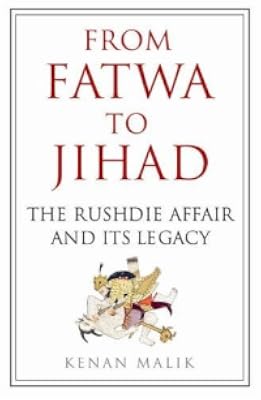
From Fatwa to Jihad: The Rushdie Affair and Its Aftermath
by Kenan Malik
On This Page
Description
THE #1 INTERNATIONAL BESTSELLER A Finalist for the George Orwell Book Prize "It would be absurd to think that a book can cause riots," Salman Rushdie asserted just months before the publication of his novel The Satanic Verses. But that's exactly what happened. In England, protests started just months after the book' s publication, with Muslim protestors, mainly from immigrant backgrounds, coming by the thousands from the outer suburbs of London and from England's old industrial show more centers--places like Bradford, Bolton, and Macclesfield--to denounce Rushdie's novel as blasphemous and to burn it. In February of 1988, the protests spread to Pakistan, where riots broke out, killing five. That same month, Iran's Ayatollah Khomeini called for Rushdie's assassination, and for the killing of anyone involved with the book' s publication. It was this frightening chain of events, Kenan Malik argues in his enlightened personal and political account of the period, that transformed the relationship between Islam and the West: From then on, Islam was a domestic issue for residents of Europe and the United States, a matter of terror and geopolitics that was no longer geographically constrained to the Middle East and South Asia. Malik investigates the communities from which the anti-Rushdie activists emerged, showing the subtleties of immigrant life in 1980s England. He depicts the growth of the anti-racist and Asian youth movements, and shows how young Britons went from supporting these progressive movements to embracing a conservative strain of Islam. Malik also controversially tackles England's peculiar strain of "multiculturalism," arguing that policymakers there failed to integrate Muslim immigrants, which many politicians saw as incompatible with their own "Western values." It was a perception that led many to appeal to Muslims not as citizens, but as people whose primary loyalty was to their faith and who could be engaged only by their "community leaders." It was a also policy that encouraged Muslims to view themselves as semi-detached citizens--and that inevitably played into the hands of radical Islamists. Twenty years later, the questions raised by the Rushdie affair--Islam's relationship to the West, the meaning of multiculturalism, the limits of tolerance in a liberal society--have become the defining issues of our time. show lessTags
Recommendations






Member Recommendations
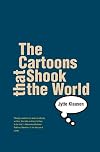
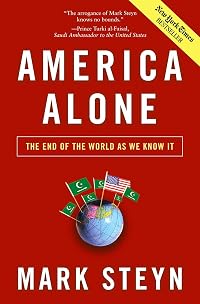
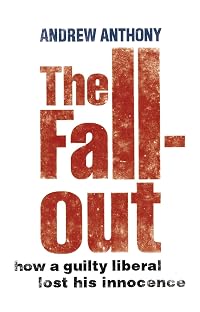
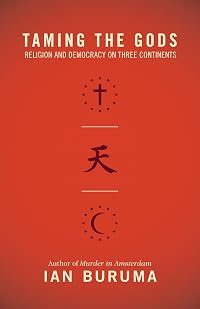
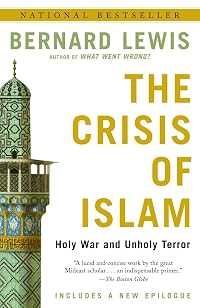
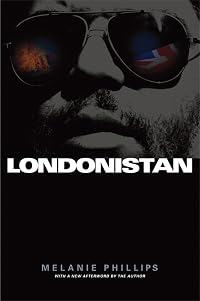
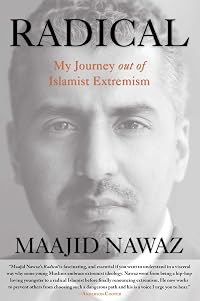
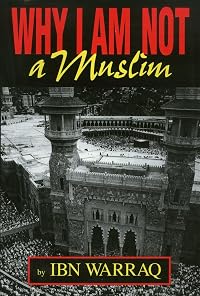
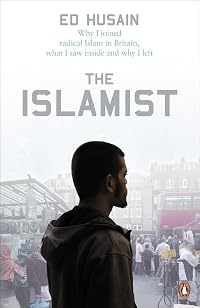
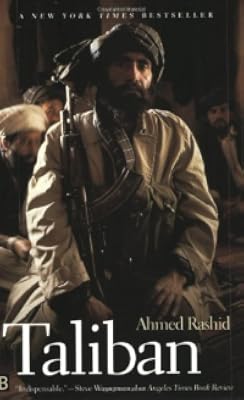
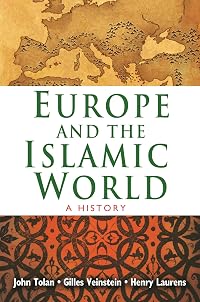
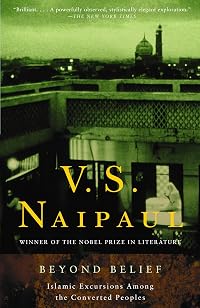
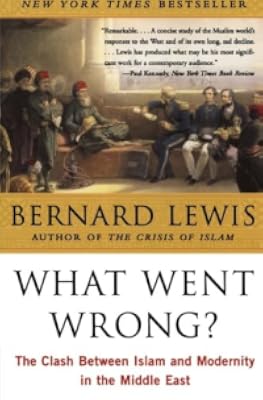
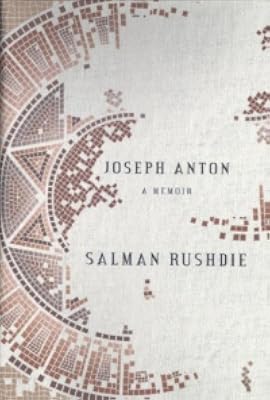
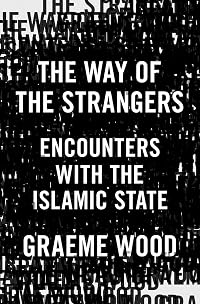
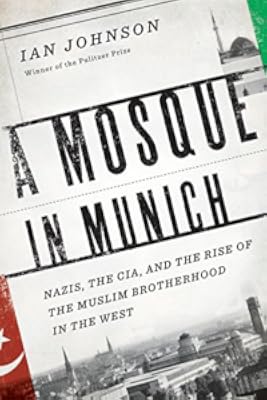
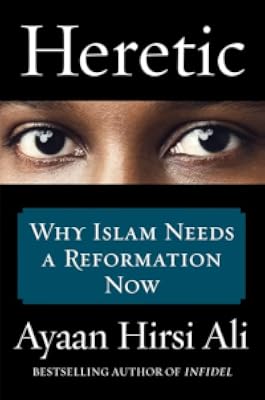
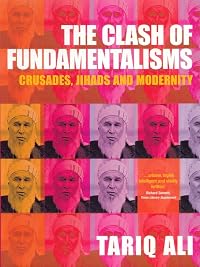
PickledOnion42 Both works focus on the political motivations of leading Muslim figures during recent Islamic protests.
Member Reviews
In [b:From Fatwa to Jihad|6424982|From Fatwa to Jihad|Kenan Malik|https://d.gr-assets.com/books/1348811775s/6424982.jpg|6614258] Malik offers an incisive accounting of the relationship between "multiculturalism" and the social balkanization that helped engender Islamic extremism, and in so doing grounds the infamous fatwa in a fascinating, and revealing, context. Malik dismantles the myths of both the "Islamophobia" and "Islamophilia" camps, providing along the way many cogent (and quotable) passages in defense of the right to write, publish, read, and offend. What is more, with his deft marshaling of many passages from [b:The Satanic Verses|12781|The Satanic Verses|Salman show more Rushdie|https://d.gr-assets.com/books/1281988101s/12781.jpg|1434467], [b:From Fatwa to Jihad|6424982|From Fatwa to Jihad|Kenan Malik|https://d.gr-assets.com/books/1348811775s/6424982.jpg|6614258] serves double-duty as an excellent critical analysis of Rushdie's novel.
I highly recommend this book.
SRW show less
I highly recommend this book.
SRW show less
Malik, a psychologist and writer living in Britain, son of an Indian Hindu-Muslim couple, was shocked by the burning of Salman Rushdie’s book The Satanic Verses in Bradford in 1989, and it is never any doubt that his sympathy is with the freedom of speech and against making exceptions to that, to any religious or political side. He makes several good points:
-Rushdie early on an outspoken anti-racism, anti-imperialism voice.
-multiculturalism in Britain imposed from above, not broadly demanded from below.
-multiculturalism restraining youth to live within boundaries and rules the British society had in many cases discarded.
-diversity of views within communities, evidence from surveys. Mullahs, etc often not representative.
-militants show more often have little knowledge. In fact, Malik views them more as generic protesters/rebels than moved by religious, fairness, or other intellectual motives.
-Malik got article with an analogy between Rushdie and the freethinker Thomas Paine (1737-1809) rejected by the Independent, and is worried about possible increasing self-censorship.
-cartoons etc published many times without controversy, then some people were able to make them light fire. This shows that the context is crucial. Perhaps there is some hope in this, in that controversy does not necessarily run deep. show less
-Rushdie early on an outspoken anti-racism, anti-imperialism voice.
-multiculturalism in Britain imposed from above, not broadly demanded from below.
-multiculturalism restraining youth to live within boundaries and rules the British society had in many cases discarded.
-diversity of views within communities, evidence from surveys. Mullahs, etc often not representative.
-militants show more often have little knowledge. In fact, Malik views them more as generic protesters/rebels than moved by religious, fairness, or other intellectual motives.
-Malik got article with an analogy between Rushdie and the freethinker Thomas Paine (1737-1809) rejected by the Independent, and is worried about possible increasing self-censorship.
-cartoons etc published many times without controversy, then some people were able to make them light fire. This shows that the context is crucial. Perhaps there is some hope in this, in that controversy does not necessarily run deep. show less
Ratings
Members
- Recently Added By
Lists

Books recommended by Calgary Public Library staff
1,588 works; 4 members
Author Information

12 Works 577 Members
Kenan Malik is a writer, lecturer, and broadcaster. He is a presenter of The Moral Maze on BBC Radio 4 (UK). He has taught at universities in Britain, Europe, Australia and the USA, presented many TV documentaries and writes regularly for newspapers across the world including as a columnist for the International New York Times. His books From show more Fatwa to Jihad (Melville House, 2010) was shortlisted for the 2010 Orwell Book Prize. show less
Some Editions
Awards and Honors
Awards
Classifications
Statistics
- Members
- 88
- Popularity
- 365,131
- Reviews
- 2
- Rating
- (4.13)
- Languages
- Dutch, English, Norwegian (Bokmål)
- Media
- Paper, Audiobook, Ebook
- ISBNs
- 11
- ASINs
- 3