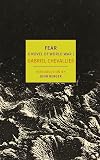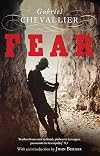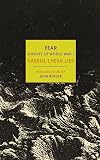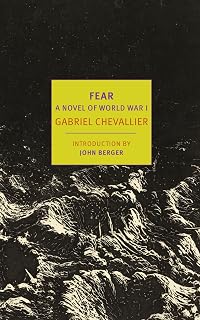
Fear: a novel of World War I
by Gabriel Chevallier
On This Page
Description
"Fear is a classic of war literature, a book to place on the shelf with Storm of Steel, A Farewell to Arms, and Going After Cacciato. Jean Dartemont, the hero of Gabriel Chevallier's autobiographical novel, enters what was not yet known as World War I in 1915, when it was just beginning to be clear that a war that all the combatants were initially confident would move swiftly to a conclusion was instead frozen murderously in place. After enduring the horrors of the trenches and the deadly show more leagues of no-man's-land stretching beyond them, Jean is wounded and hospitalized. Away from the front, he confronts the relentless blindness of the authorities and much of the general public to the hideous realities of modern, mechanized combat. Jean decides he must resist. How? By telling the simple truth. Urged to encourage new recruits with tales of derring-do service, Jean does not mince words. What did he do on the battlefield? He responds like a man: "I was afraid." Acclaimed as "the most beautiful book ever written on the tragic events that blood-stained Europe" for five years, prosecuted on first publication as an act of sedition, Fear appears for the first time in the United States in Malcolm Imrie's poetic and prizewinning translation on the hundredth anniversary of the outbreak of World War I, the conflict with which the twentieth century came into its own. Chevallier's masterpiece remains, in the words of John Berger, "a book of the utmost urgency and relevance.""-- show lessTags
Recommendations















Member Reviews
Si puo' dare cosa piu' ridicola di questa: che un uomo abbia diritto di uccidermi perche' abita sull'altra riva del fiume e il suo sovrano e' in lite con il mio, benche' io non lo sia con lui? PASCAL (11)
Gli uomini sono stupidi ed ignoranti. Da qui la loro infelicita'.Invece di riflettere credono a tutto cio' che gli raccontano, a tutto cio' che gli insegnano. Scelgono capi e padroni senza giudicarli, con una funesta inclinazione per la schiavitu'. Gli uomini sono pecoroni. E questo rende possibili gli eserciti e le guerre. Muoiono vittime della loro stupida docilita'. (23) -Genealogia della morale, Nietzsche-
Una vampata che sembrava investire il mondo intero ci strappo' al torpore. Avevamo appena superato una cresta, e il fronte, show more davanti a noi, ruggiva con tutte le sue bocche infuocate, fiammeggiando come una fucina infernale i cui mostruosi crogioli trasformavano in una lava di sangue la carne deglu uomini. Ci veniva la pelle d'oca all'idea di essere solo una palata di carbone destinata ad alimentare quella fornace, al pensiero che dei soldati, laggiu', lottavano contro la tempesta di ferro, contro l'uragano di fuoco che faceva ardere il cielo e tremare le fondamenta della terra. (45)
Ho paura? La mia ragione ha paura. Ma io evito di consultarla. (94)
"Ma allora cosa ha fatto in guerra?"
"Quello che mi hanno ordinato, ne' piu' ne' meno. Temo che in quello che ho fatto non ci sia niente di particolarmente glorioso, e che nessuno degli sforzi cui sono stato costretto abbia recato danno al nemico. Temo anche di avere usurpato il posto che occupo in questo ospedale, e persino le vostre cure".
"Lei e' proprio irritante! Su, risponda. Le abbiamo chiesto che cosa ha fatto!"
"Ah, si... Be', ho marciato giorno e notte senza sapere dove stando andando. Ho preso parte alle esercitazioni, sfilato alle parate, scavato trincee, trasportato filo spinato e sacchi di sabbia, montato la guardia alla feritoia. Ho avuto fame senza avere da mangiare, sete senza avere da bere, sonno senza poter dormire, freddo senza potermi scaldare, e i pidocchi senza potermi grattare... Ecco che cosa ho fatto!".
"Tutto qui?". (126-7)
"E la liberta'?".
"La mia liberta' mi segue ovunque. E' nel mio pensiero. Per me Shakespeare e' una patria, e Goethe un'altra... (131)
"Ve la passate bene, lassu'?".
Allibito, guardo quel vecchio babbeo dalla faccia smorta. Ma subito gli rispondo affabilmente:
"Certo, signore... ".
Il suo viso si illumina. Sento che sta per esclamare: "Ah, i nostri intrepidi ragazzi!".
Allora aggiungo:
"... ci divertiamo un mondo: seppelliamo compagni ogni sera!".
Il suo sorriso fa marcia indietro, e il suo complimento gli si strozza in gola. (156)
A un bivio desolato ho scoperto un crocifisso di ferro, corroso da una ruggine simile a sangue rappreso. Sul basamento di pietra graffiato dai proiettili, una mano maldestra ha scritto: "Da smistare nelle retrovie". Non vedo niente di blasfemo in tali parole, niente che alluda alla natura divina del soggetto. Chi le ha incise ha voluto dire che quell'uomo in croce aveva gia' pagato il suo debito, e che al fronte non aveva piu' niente da fare. O forse intendeva suggerire che per avere diritto ad essere rimandati indietro bisogna aver sofferto, come lui, in tutte le membra, nel corpo e nel cuore. (171-2)
L'oscurita' deforma le cose, le ingrandisce, da' loro un aspetto inquietante e minaccioso: il minimo soffio d'aria le anima di vita umana. Gli oggetti hanno sagome di nemici; avverto dappertutto respiri trattenuti, pupille dilatate che mi osservano, dita contratte sui grilletti; mi aspetto da un momento all'altro di veder apparire l'accecante lingua di fuoco di un'arma. (191)
"Non e' una questione di tempo, ne' di attacchi riusciti. Il cambio non arriva se le unita' non hanno perso almeno il cinquanta per cento degli effettivi".
La notizia e'per noi un duro colpo. Meta' degli effettivi! Allora penso: qui siamo quattro e nessuno di noi ha piu' di venticinque anni. Due devono morire. Chi? Mio malgrado cerco sugli altri qualche segno del destino, uno di quegli indizi che contraddistinguono le persone marchiate da una tragica fatalita'. (223-4)
Il colmo dell'orrore, che rende lo scoramento ancora piu' grave, e' che la paura non toglie all'uomo la facolta' di giudicarsi. Egli vede se stesso sull'ultimo gradino dell'ignominia e non riesce a risollevarsi, a giustificarsi ai suoi stessi occhi. (237)
Ci nascondiamo, non vogliamo che ci trovino, e se chiameranno non risponderemo. Basta! Per oggi davvero basta. Non vogliamo piu’ uscire, ne’ attraversare l’altopiano sotto il tiro di sbarramento sperando che un altro miracolo ci salvi la vita. Ci copriamo il viso, facciamo finta di dormire. Ma ascoltiamo con tutte le nostre forze, in preda alla disperazione, in preda al terrore, come pazzi, cio’ che succede sopra le nostre teste: sembra la carica di un branco di elefanti che calpestano e stritolano tutto. Le granate regnano sovrane. Abbiamo paura, paura…
“Non finisce mai… E’ impossibile salvarsi!”.
Uno schianto a una delle uscite. Feriti che urlano, urlano… (252)
Con il passo lungo e agile del fante, Jean Dartemont va a farsi ammazzare su questo altopiano dell’Aisne, senza fare appello ne’ all’idea del dovere ne’ a Dio. (274)
In me non c’e’ odio, detesto solo i mediocri, gli sciocchi, che spesso sono proprio quelli che vengono promossi e diventano onnipotenti. Il mio unico patrimonio e’ la vita. Non ho bene piu’ prezioso da difendere. La mia unica patria e’ cio’ che riusciro’ a raggiungere o creare. Me ne frego di come i vivi si spartiranno il mondo quando saro’ sottoterra, delle loro frontiere, delle loro alleanze e delle loro contese. Chiedo solo di vivere in pace, lontano dalle caserme, dai campi di battaglia e dai geni militari di ogni sorta. Vivere in un posto qualsiasi, purche’ tranquillo, e diventare lentamente cio’ che sono destinato a essere… Il mio ideale non e’ uccidere. E se devo morire voglio che sia liberamente, per un’idea che mi stara’ a cuore, in un conflitto in cui avro’ la mia parte di responsabilita’...”.
“Dartemont!”
“Si’, signor maggiore?”
“Vada subito all’undicesima a vedere dove sono piazzate le mitragliatrici”.
“Si’, signor maggiore!”. (292) show less
Gli uomini sono stupidi ed ignoranti. Da qui la loro infelicita'.Invece di riflettere credono a tutto cio' che gli raccontano, a tutto cio' che gli insegnano. Scelgono capi e padroni senza giudicarli, con una funesta inclinazione per la schiavitu'. Gli uomini sono pecoroni. E questo rende possibili gli eserciti e le guerre. Muoiono vittime della loro stupida docilita'. (23) -Genealogia della morale, Nietzsche-
Una vampata che sembrava investire il mondo intero ci strappo' al torpore. Avevamo appena superato una cresta, e il fronte, show more davanti a noi, ruggiva con tutte le sue bocche infuocate, fiammeggiando come una fucina infernale i cui mostruosi crogioli trasformavano in una lava di sangue la carne deglu uomini. Ci veniva la pelle d'oca all'idea di essere solo una palata di carbone destinata ad alimentare quella fornace, al pensiero che dei soldati, laggiu', lottavano contro la tempesta di ferro, contro l'uragano di fuoco che faceva ardere il cielo e tremare le fondamenta della terra. (45)
Ho paura? La mia ragione ha paura. Ma io evito di consultarla. (94)
"Ma allora cosa ha fatto in guerra?"
"Quello che mi hanno ordinato, ne' piu' ne' meno. Temo che in quello che ho fatto non ci sia niente di particolarmente glorioso, e che nessuno degli sforzi cui sono stato costretto abbia recato danno al nemico. Temo anche di avere usurpato il posto che occupo in questo ospedale, e persino le vostre cure".
"Lei e' proprio irritante! Su, risponda. Le abbiamo chiesto che cosa ha fatto!"
"Ah, si... Be', ho marciato giorno e notte senza sapere dove stando andando. Ho preso parte alle esercitazioni, sfilato alle parate, scavato trincee, trasportato filo spinato e sacchi di sabbia, montato la guardia alla feritoia. Ho avuto fame senza avere da mangiare, sete senza avere da bere, sonno senza poter dormire, freddo senza potermi scaldare, e i pidocchi senza potermi grattare... Ecco che cosa ho fatto!".
"Tutto qui?". (126-7)
"E la liberta'?".
"La mia liberta' mi segue ovunque. E' nel mio pensiero. Per me Shakespeare e' una patria, e Goethe un'altra... (131)
"Ve la passate bene, lassu'?".
Allibito, guardo quel vecchio babbeo dalla faccia smorta. Ma subito gli rispondo affabilmente:
"Certo, signore... ".
Il suo viso si illumina. Sento che sta per esclamare: "Ah, i nostri intrepidi ragazzi!".
Allora aggiungo:
"... ci divertiamo un mondo: seppelliamo compagni ogni sera!".
Il suo sorriso fa marcia indietro, e il suo complimento gli si strozza in gola. (156)
A un bivio desolato ho scoperto un crocifisso di ferro, corroso da una ruggine simile a sangue rappreso. Sul basamento di pietra graffiato dai proiettili, una mano maldestra ha scritto: "Da smistare nelle retrovie". Non vedo niente di blasfemo in tali parole, niente che alluda alla natura divina del soggetto. Chi le ha incise ha voluto dire che quell'uomo in croce aveva gia' pagato il suo debito, e che al fronte non aveva piu' niente da fare. O forse intendeva suggerire che per avere diritto ad essere rimandati indietro bisogna aver sofferto, come lui, in tutte le membra, nel corpo e nel cuore. (171-2)
L'oscurita' deforma le cose, le ingrandisce, da' loro un aspetto inquietante e minaccioso: il minimo soffio d'aria le anima di vita umana. Gli oggetti hanno sagome di nemici; avverto dappertutto respiri trattenuti, pupille dilatate che mi osservano, dita contratte sui grilletti; mi aspetto da un momento all'altro di veder apparire l'accecante lingua di fuoco di un'arma. (191)
"Non e' una questione di tempo, ne' di attacchi riusciti. Il cambio non arriva se le unita' non hanno perso almeno il cinquanta per cento degli effettivi".
La notizia e'per noi un duro colpo. Meta' degli effettivi! Allora penso: qui siamo quattro e nessuno di noi ha piu' di venticinque anni. Due devono morire. Chi? Mio malgrado cerco sugli altri qualche segno del destino, uno di quegli indizi che contraddistinguono le persone marchiate da una tragica fatalita'. (223-4)
Il colmo dell'orrore, che rende lo scoramento ancora piu' grave, e' che la paura non toglie all'uomo la facolta' di giudicarsi. Egli vede se stesso sull'ultimo gradino dell'ignominia e non riesce a risollevarsi, a giustificarsi ai suoi stessi occhi. (237)
Ci nascondiamo, non vogliamo che ci trovino, e se chiameranno non risponderemo. Basta! Per oggi davvero basta. Non vogliamo piu’ uscire, ne’ attraversare l’altopiano sotto il tiro di sbarramento sperando che un altro miracolo ci salvi la vita. Ci copriamo il viso, facciamo finta di dormire. Ma ascoltiamo con tutte le nostre forze, in preda alla disperazione, in preda al terrore, come pazzi, cio’ che succede sopra le nostre teste: sembra la carica di un branco di elefanti che calpestano e stritolano tutto. Le granate regnano sovrane. Abbiamo paura, paura…
“Non finisce mai… E’ impossibile salvarsi!”.
Uno schianto a una delle uscite. Feriti che urlano, urlano… (252)
Con il passo lungo e agile del fante, Jean Dartemont va a farsi ammazzare su questo altopiano dell’Aisne, senza fare appello ne’ all’idea del dovere ne’ a Dio. (274)
In me non c’e’ odio, detesto solo i mediocri, gli sciocchi, che spesso sono proprio quelli che vengono promossi e diventano onnipotenti. Il mio unico patrimonio e’ la vita. Non ho bene piu’ prezioso da difendere. La mia unica patria e’ cio’ che riusciro’ a raggiungere o creare. Me ne frego di come i vivi si spartiranno il mondo quando saro’ sottoterra, delle loro frontiere, delle loro alleanze e delle loro contese. Chiedo solo di vivere in pace, lontano dalle caserme, dai campi di battaglia e dai geni militari di ogni sorta. Vivere in un posto qualsiasi, purche’ tranquillo, e diventare lentamente cio’ che sono destinato a essere… Il mio ideale non e’ uccidere. E se devo morire voglio che sia liberamente, per un’idea che mi stara’ a cuore, in un conflitto in cui avro’ la mia parte di responsabilita’...”.
“Dartemont!”
“Si’, signor maggiore?”
“Vada subito all’undicesima a vedere dove sono piazzate le mitragliatrici”.
“Si’, signor maggiore!”. (292) show less
There are many kinds of fear. There is the one felt by adolescents; the fear of being left out, of missing out. We yearn to find out what is happening. [[Gabriel Chevallier]]'s alter ego Jean Dartemont had just such a fear. He tells us that was why he went to war. "I went against all my convictions, but still of my own free will -- not to fight but out of curiosity: to see." Dartemont goes on to tell us that by the time he signed up, "The war was already a few months old and I was beginning to fear that it might end before I got there... since this was would be the most remarkable spectacle of the age --- I would not want to miss it."
France had no recent history of war in that beautiful summer of 1914. Apart from some elderly veterans, show more it was an unknown. Those who flocked to sign up did not know what was involved. There was fear in the hearts of the women who watched and wept at this rush to battle, but the menfolk didn't yet understand why.
As so often happens in war, Dartemont's unit spent a long period in training, then time behind the lines, so it wasn't until mid 1915 that his battalion actually saw the enormity of war.
Chevallier gives his protagonist time to think about this sight, time to absorb the sight of soldiers returning from the front "...all of them stained with blood and dirt...", before putting him into a fighting unit in September 1915. "The war had stopped being a game."
Fear was no longer an abstract concept. Sheer naked terror invaded Dartemont's soul, after he and those with him were hit by a salvo of fire.
This is the strength of Chevallier's book. He had the courage to admit to this animal fear, to defy the jingoism that turned soldiers into heroes, willingly sacrificing their lives for others. It is a cry against war, against the utter senselessness of having a few generals and politicians decide the fate of tens of millions. Chevallier wasn't afraid to speak out against war, or to reveal its ugly repercussions: "...profiteers, arms dealers, the black market, denunciations, betrayals, firing squads, torture; not to mention famine, tuberculosis, typhus, terror, sadism."
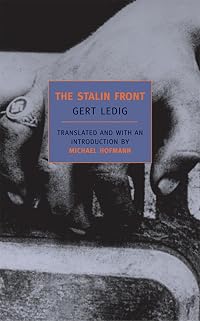
It took Chevallier five years to write this book, from 1925 to 1930. It is a memoir that reads like a novel, but it is more than that. At times a polemic, at times a personal narrative, it always reads with an immediacy that is riveting. Earlier this year I read [[Gert Ledig]]'s [The Stalin Front], a novel of World War II, and had the same reactions. Together these books cover two of the largest cataclysms of the twentieth century. Despite their passion, nothing has been learned; young men and now women too, still troop off to war, older men from earlier wars still lead them, still others praise "the fallen". Their fear is of uttering the truth, of speaking the ugly words: killed, mutilated, orphaned, widowed. Evidence for this lies in the suppression of [Fear] by the authorities in 1939, at the start of that second great twentieth century cataclysm. It was not published again until 1951. show less
France had no recent history of war in that beautiful summer of 1914. Apart from some elderly veterans, show more it was an unknown. Those who flocked to sign up did not know what was involved. There was fear in the hearts of the women who watched and wept at this rush to battle, but the menfolk didn't yet understand why.
As so often happens in war, Dartemont's unit spent a long period in training, then time behind the lines, so it wasn't until mid 1915 that his battalion actually saw the enormity of war.
We had just marched over the crest of a hill, and suddenly there before us lay the front line, roaring with all its mouths of fire, blazing like some infernal factory where monstrous crucibles melted human flesh into a bloody lava. We shuddered at the thought that we were nothing but more coal to be shovelled into this furnace, that there were soldiers down there fighting against the storm of steel, the red hurricane that burned the sky and shook the earth to its foundations.... And so that nothing was missing from this macabre carnival, so that there was something to highlight the tragedy by its contrast, we saw rockets rising gracefully, like flowers of light, fading at the summit of this inferno and dropping down, dying, trailing stars. We were mesmerized by this spectacle, whose poignant meaning only the old hands knew. This was my first sight of the front line, my first sight of hell unleashed.
Chevallier gives his protagonist time to think about this sight, time to absorb the sight of soldiers returning from the front "...all of them stained with blood and dirt...", before putting him into a fighting unit in September 1915. "The war had stopped being a game."
Fear was no longer an abstract concept. Sheer naked terror invaded Dartemont's soul, after he and those with him were hit by a salvo of fire.
Panic booted us in the arse. Like tigers we leaped over the shells' smoking craters, rimmed with the wounded, and we leaped over the cries of our brothers, cries that came from the guts and strike at the guts, we leaped over pity, honour, shame, we eliminated all feeling, all that makes us human, according to moralists -- imposters who are not enduring an artillery bombardment and yet exalt courage! We were cowards and we knew it and we could be nothing else. The body was in charge and fear gave the orders.
This is the strength of Chevallier's book. He had the courage to admit to this animal fear, to defy the jingoism that turned soldiers into heroes, willingly sacrificing their lives for others. It is a cry against war, against the utter senselessness of having a few generals and politicians decide the fate of tens of millions. Chevallier wasn't afraid to speak out against war, or to reveal its ugly repercussions: "...profiteers, arms dealers, the black market, denunciations, betrayals, firing squads, torture; not to mention famine, tuberculosis, typhus, terror, sadism."
It took Chevallier five years to write this book, from 1925 to 1930. It is a memoir that reads like a novel, but it is more than that. At times a polemic, at times a personal narrative, it always reads with an immediacy that is riveting. Earlier this year I read [[Gert Ledig]]'s [The Stalin Front], a novel of World War II, and had the same reactions. Together these books cover two of the largest cataclysms of the twentieth century. Despite their passion, nothing has been learned; young men and now women too, still troop off to war, older men from earlier wars still lead them, still others praise "the fallen". Their fear is of uttering the truth, of speaking the ugly words: killed, mutilated, orphaned, widowed. Evidence for this lies in the suppression of [Fear] by the authorities in 1939, at the start of that second great twentieth century cataclysm. It was not published again until 1951. show less
Gabriel Chevallier's FEAR was first published in 1930, but wasn't translated from the French into English until 2011. I read the NYRB edition and John Berger's introduction tells us that the book was 'suppressed' during the Second World War, because of its ultra-negative attitude towards war. Indeed, Chevallier's overriding message in this highly autobiographical novel is that fear and survival are the infantryman's most constant thoughts. Early on, he gives us an image of his narrator, Jean Dartemont, checking and tightening all the straps and fastenings on his kit, saying -
"But remember this: your future old age depends on whatever helps you run. Agility is the best weapon of any clear-thinking, well organised infantryman, when show more things don't quite turn out the way the general imagined ... While you are affecting your strategic withdrawal, at the double, if your flies let you down and your trousers drop around your ankles, then you're well and truly collared by the comrades from Berlin."
And, a bit later -
"I have a single idea: get through the bullets, the grenades, the shells, get through them all, whether victorious or defeated. And moreover, 'to be alive is to be victorious.' This was also the sole idea of everyone around me ... I remember that I am twenty years old."
Chevallier's description of trench warfare is thorough and graphic, as he describes the trials, the tedium and the terror of sudden shelling, and worst of all, the 'over the top' advances. He also gives us a peek at the role of religion in the ranks, in an exchange between Dartemont and the unit chaplain, a priest who tries to justify the killing in war. But Jean is having none of it, and finally leaves, noting -
"Alas, God's ministers are just as much in the dark as we are ... As soon as you start to use your reason, to look for a rainbow, you always run up against the great excuse, mystery. You will be advised to light some candles, put coins in the box, say a few rosaries, and make yourself stupid."
The narrator also considers the question of self-mutilation (i.e. shooting oneself or each other in the hand or foot) to escape the front-lines, noting that -
"Soldiers talk plainly of these things, without approving or condemning, because war has accustomed them to seeing what is monstrous as natural. To them the greatest injustice is that others dispose of their lives without asking them, and have lied to them in bringing them here. This legalised injustice cancels out all morality ... They declare, without the slightest trace of shame, "We're only there because we don't have any choice.'"
There is an interesting segment which talks of a French platoon who was "on good terms with the enemy." They would exchange bread and tobacco with each other and would commune from the trenches across no-man's land in a friendly manner. But when the word got out, an inquiry was ordered, and some French NCOs were court-martialed and reduced in rank.
"The fear seemed to be that the troops would come together to end the war, overruling the generals. Apparently this outcome would have been something terrible. Hatred must never diminish. That is the order. But in spite of everything we are losing our appetite for hatred ..."
Reading FEAR in the mids of the current pandemic, I found it odd and interesting that the flu epidemic of that era, which supposedly was instrumental in ending the war, is barely mentioned. Near the end of the story, Dartemont comments -
"We were struck by a flu epidemic and a lot of men were evacuated. I had an attack myself. On the evening we were being relieved, fever took hold of me, and as I was leaving the trench, my legs gave way. Luckily I found a cart that brought me here. I've just spent four days flat on a straw mattress, not eating."
And that's pretty much it. Nothing more is said of the flu epidemic. Dartemont made it through the war - four years of it - both as a front-line soldier, and, after a serious shrapnel injury and a months-long recovery in a hospital, as a 'runner' for the company commander, a 'dug-in' job, comparable to the 'pogues' and 'remf's" of later wars.
Fear and self-preservation as prime motivating factors for the infantryman are certainly well-represented in Chevallier's novel. And, as an anti-war tome, perhaps it is best summed up in these lines -
"Let me give you the balance sheet of this war: fifty great men to go down in the annals of history; millions of dead who won't be mentioned any more; and one thousand millionaires who lay down the law. A soldier's life is worth about fifty francs in the wallet of some fat industrialist in London, Paris, Berlin, New York, Vienna or anywhere else ... Human stupidity is incurable."
FEAR is certainly genuine-seeming and well-written, and yet it was, for me, something of a slog. And I'm not really sure why. Maybe something was lost in translation. But I will, nevertheless, recommend it highly for war lit enthusiasts. (three and a half stars)
- Tim Bazzett, author of the Cold War memoir, SOLDIER BOY: AT PLAY IN THE ASA show less
"But remember this: your future old age depends on whatever helps you run. Agility is the best weapon of any clear-thinking, well organised infantryman, when show more things don't quite turn out the way the general imagined ... While you are affecting your strategic withdrawal, at the double, if your flies let you down and your trousers drop around your ankles, then you're well and truly collared by the comrades from Berlin."
And, a bit later -
"I have a single idea: get through the bullets, the grenades, the shells, get through them all, whether victorious or defeated. And moreover, 'to be alive is to be victorious.' This was also the sole idea of everyone around me ... I remember that I am twenty years old."
Chevallier's description of trench warfare is thorough and graphic, as he describes the trials, the tedium and the terror of sudden shelling, and worst of all, the 'over the top' advances. He also gives us a peek at the role of religion in the ranks, in an exchange between Dartemont and the unit chaplain, a priest who tries to justify the killing in war. But Jean is having none of it, and finally leaves, noting -
"Alas, God's ministers are just as much in the dark as we are ... As soon as you start to use your reason, to look for a rainbow, you always run up against the great excuse, mystery. You will be advised to light some candles, put coins in the box, say a few rosaries, and make yourself stupid."
The narrator also considers the question of self-mutilation (i.e. shooting oneself or each other in the hand or foot) to escape the front-lines, noting that -
"Soldiers talk plainly of these things, without approving or condemning, because war has accustomed them to seeing what is monstrous as natural. To them the greatest injustice is that others dispose of their lives without asking them, and have lied to them in bringing them here. This legalised injustice cancels out all morality ... They declare, without the slightest trace of shame, "We're only there because we don't have any choice.'"
There is an interesting segment which talks of a French platoon who was "on good terms with the enemy." They would exchange bread and tobacco with each other and would commune from the trenches across no-man's land in a friendly manner. But when the word got out, an inquiry was ordered, and some French NCOs were court-martialed and reduced in rank.
"The fear seemed to be that the troops would come together to end the war, overruling the generals. Apparently this outcome would have been something terrible. Hatred must never diminish. That is the order. But in spite of everything we are losing our appetite for hatred ..."
Reading FEAR in the mids of the current pandemic, I found it odd and interesting that the flu epidemic of that era, which supposedly was instrumental in ending the war, is barely mentioned. Near the end of the story, Dartemont comments -
"We were struck by a flu epidemic and a lot of men were evacuated. I had an attack myself. On the evening we were being relieved, fever took hold of me, and as I was leaving the trench, my legs gave way. Luckily I found a cart that brought me here. I've just spent four days flat on a straw mattress, not eating."
And that's pretty much it. Nothing more is said of the flu epidemic. Dartemont made it through the war - four years of it - both as a front-line soldier, and, after a serious shrapnel injury and a months-long recovery in a hospital, as a 'runner' for the company commander, a 'dug-in' job, comparable to the 'pogues' and 'remf's" of later wars.
Fear and self-preservation as prime motivating factors for the infantryman are certainly well-represented in Chevallier's novel. And, as an anti-war tome, perhaps it is best summed up in these lines -
"Let me give you the balance sheet of this war: fifty great men to go down in the annals of history; millions of dead who won't be mentioned any more; and one thousand millionaires who lay down the law. A soldier's life is worth about fifty francs in the wallet of some fat industrialist in London, Paris, Berlin, New York, Vienna or anywhere else ... Human stupidity is incurable."
FEAR is certainly genuine-seeming and well-written, and yet it was, for me, something of a slog. And I'm not really sure why. Maybe something was lost in translation. But I will, nevertheless, recommend it highly for war lit enthusiasts. (three and a half stars)
- Tim Bazzett, author of the Cold War memoir, SOLDIER BOY: AT PLAY IN THE ASA show less
Written by a French veteran of the First World War, FEAR is one of the great anti-war novels. Not as melodramatic as JOHNNY GOT HIS GUN nor even ALL QUIET ON THE WESTERN FRONT (and I use "melodramatic" only in a comparative sense), nor as absurdly comic as CATCH-22, Gabriel Chevallier's novel is simply (at least on the surface) a seemingly objective description of the life of a French poilu, or foot-soldier, in the trenches of northern France from 1914 to 1918. Chevallier recoils not one bit from the horrors so numbingly omnipresent on the battlefields of that wretched war, but he writes with an apparent detachment that obliterates the sense of this as a polemic. Yet the book is even more effective for Chevallier's seeming disdain for show more pushing an agenda, and beneath the surface lies a hidden lake of bile, sarcasm, and outrage. FEAR is an obscure book compared to the classic anti-war novels mentioned above, and has only recently been rediscovered and reissued. It is perhaps the most poetic novel of its type ever written. Blood, anguish, and a sardonic dolefulness hang on every word. It is an extraordinary achievement. show less
Wow!! This one is an unrecognized classic of the military novel genre that should be better known! Jean Dartemont, the eager young Frenchman, joins the French army in 1915 against the Germans. He is quickly disillusioned as to blind patriotism and to army life: there is no glory to be found here except that for the high officers, who grab it at the expense of the ranks. All to be found here in the trenches is only mind-numbing monotony and overwhelmingly, the desire to stay alive. Mostly the men are in a state of stasis waiting for the other side to start something. Fear, Anxiety, and Terror are Dartemont's constant companions, just as they accompany every other 'poilu' [common soldier].
We are taken through his whole military career show more from enlistment to the Armistice. It details Dartemont's coming upon dead Germans for the first time and his shock at how the bodies have been blown apart. In his first battle, in which he kills no one he is wounded enough to send to the hospital. Nurses there care for gruesome, grisly wounds and are disappointed there are no tales of glorious exploits. None of the patients have any to tell them. On convalescent leave, his father can't or won't understand the war from the common soldiers' viewpoint. Neither do civilians in general. Return to the front takes him either to the fighting or behind the lines as 'runner' [delivering messages under fire] or making and checking topographic maps and enemy positions, many times also under enemy bombardment. We were given an extended horrendous description of the Battle of Chemins de Dames. Letters home express what the home folks want to hear; they can't accept the soldiers' truths. As the war grinds wearily on, the despairing Dartemont writes:
"No end seems in sight. Every day men fall. Every day we have less trust in our own luck....[Some] old hands who have been there from the start believe themselves immune, invulnerable, but most believe any luck will turn....Here everything is planned for killing...and yet we want to stay alive....the horror of war resides in growing anxiety: continuation, repetition of danger." Death can be seemingly random.
This book is just as valid today as it was when it was written [1930]. I thought of Dartemont as an Everyman figure, a little man caught in brutality over which he had no control. The author pulled no punches in description; everyday events and fighting were not prettified, down to telling us about the soldiers' lice-ridden clothes and bodies. Dartemont's story and the emotions he and other soldiers feel and express so forcefully could be those of any soldier in any war; this novel just happens to be set in World War I. It is a powerful, savage anti-war, novel/memoir. It excoriates the brutal, rigid military system in toto and its hidebound officer hierarchy. Common soldiers give voice to their concerns. Even some few Germans chime in, with the same sentiments. Awarded the Croix de Guerre and made a Chevalier de la Légion d'Honneur, Chevallier drew on some of his own experiences; I'm sure that's why the insights and the 'action' were so unforgettable and so vivid. Some of the scenes were absolutely chilling and made my blood run cold. show less
We are taken through his whole military career show more from enlistment to the Armistice. It details Dartemont's coming upon dead Germans for the first time and his shock at how the bodies have been blown apart. In his first battle, in which he kills no one he is wounded enough to send to the hospital. Nurses there care for gruesome, grisly wounds and are disappointed there are no tales of glorious exploits. None of the patients have any to tell them. On convalescent leave, his father can't or won't understand the war from the common soldiers' viewpoint. Neither do civilians in general. Return to the front takes him either to the fighting or behind the lines as 'runner' [delivering messages under fire] or making and checking topographic maps and enemy positions, many times also under enemy bombardment. We were given an extended horrendous description of the Battle of Chemins de Dames. Letters home express what the home folks want to hear; they can't accept the soldiers' truths. As the war grinds wearily on, the despairing Dartemont writes:
"No end seems in sight. Every day men fall. Every day we have less trust in our own luck....[Some] old hands who have been there from the start believe themselves immune, invulnerable, but most believe any luck will turn....Here everything is planned for killing...and yet we want to stay alive....the horror of war resides in growing anxiety: continuation, repetition of danger." Death can be seemingly random.
This book is just as valid today as it was when it was written [1930]. I thought of Dartemont as an Everyman figure, a little man caught in brutality over which he had no control. The author pulled no punches in description; everyday events and fighting were not prettified, down to telling us about the soldiers' lice-ridden clothes and bodies. Dartemont's story and the emotions he and other soldiers feel and express so forcefully could be those of any soldier in any war; this novel just happens to be set in World War I. It is a powerful, savage anti-war, novel/memoir. It excoriates the brutal, rigid military system in toto and its hidebound officer hierarchy. Common soldiers give voice to their concerns. Even some few Germans chime in, with the same sentiments. Awarded the Croix de Guerre and made a Chevalier de la Légion d'Honneur, Chevallier drew on some of his own experiences; I'm sure that's why the insights and the 'action' were so unforgettable and so vivid. Some of the scenes were absolutely chilling and made my blood run cold. show less
Gabriel Chevallier wrote a book that nobody wanted to read, about a moment in history nobody wanted to be reminded of and about a feeling everybody was ashamed of.
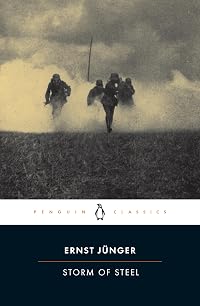
His war book “La Peur” (Fear) is not one of the more famous books coming out of la “Grande Guerre”. Chevallier’s name for instance has not the ring of an Ernst Junger or a Henri Barbusse, a Robert Graves or a Ford Maddox Ford, those better known writers who have attempted to capture the horrors of the trenches of World War I.
I say attempted, because no words can ever bring home the sheer terror soldiers from all sides experienced in one of the most scandalous episodes of human history. Chevallier’s book however comes close…
Gabriel Chevallier ( 3 May 1895 – 6 show more April 1969 ) is better known for his satirical novel Clochemerle. It brought him commercial success and allowed him to live from his pen. “Fear” however was a book which had always been very difficult to find, until recently, when several editions appeared in the wake of commemorations of the war of 14-18. “Fear” never had the success it deserved. It appeared rather late, only in 1930, 12 years after the hostilities ended. Then, from 1939 on, the book was forbidden for obvious demoralizing reasons and then in the fifties, when it became available again, the public was a bit weary of wars and turned to other topics.
“La Peur” is an autobiographic book. It relates Chevallier’s experiences at the frontline during the first World War. The narrator, his thinly disguised alter ego, Jean Dartemont, survives the four year war, but does not come out of this hell unscathed.
A most shocking thing, the writer insists on, is that the enemy for the common soldiers are not the Germans. Dartemont will come face to face with enemy soldiers only twice in his four year of battle experience. The real enemy in the trench war is invisible. And this makes it so terrible. The enemy comes in the shape of constant bombing, of lethal grenade rains, of invisible snipers, of mines that maim horribly, of gasses that kill slowly, of tunnels that cave in. Rarely is there a face to face battle. Worse than the Germans, for the front soldier, is one’s own officer, the ones who order him out of the trenches, against all common sense, into the open, marching towards the certain Death of German machinegun fire.
The soldiers in the trenches are beastly scared, Chevallier reminds us constantly. No, that is not strong enough. Soldiers are imbued with fear, soaked in fear, devoured within with fear. They whine, they cry, they shit their pants, they vomit their guts each time the attack orders are imminent or that the rumble of another bombardment approaches.
Dartemont does not experience this senseless fear immediately on his first tour. Like most of the French, like most of the enthusiastic young men, he does not know what to expect when he marches for the first time to the warzone, his head full of patriotic and heroic ideas. That is until he has his baptism of fire.
The battle scenes are really terrible; the horror hypnotizing, as when the soldiers who survived recall how they “stepped in flesh” ( marchait dans la viande ) when they walked over hundreds of their dead companions from the previous attack waves. Several times Dartemont cannot believe he is safe, because he is so covered in blood and pieces of meat. Unfortunately it is not his blood, not his pieces of skin and he has to remain in the trenches.
After his bloody defloration, another logic takes over, the logic of survival at all costs.
The more experienced soldiers are ingenious in these survival strategies. Self wounding, self maiming and suicide are easy solutions. Wounded, they are transported to the safe hinterland. They hide, they delay, they slow down their advance. They act constantly on the verge of desertion. Sometimes they do cross the line and are executed. Another trick is to interrupt fighting as soon as they can capture a German. It allows them to escort their happy prisoner to HQ behind the frontlines. Surrounding themselves with prisoners protects them from snipers too. Most crazy of all is when they come to an understanding with the poor buggers from the opposite trenches. They warn each other of coming fire so as to have the time to find cover and do dig in. The soldier’s common enemies are the officers. Not surprisingly that true communist ideals have sprouted from the horrors of the war…
It is not so long ago, it was the time of our grandfathers. Still we cannot fully comprehend to what horrors we send a whole generation of young men…
Not a book to enjoy, but not a book to miss either… show less
His war book “La Peur” (Fear) is not one of the more famous books coming out of la “Grande Guerre”. Chevallier’s name for instance has not the ring of an Ernst Junger or a Henri Barbusse, a Robert Graves or a Ford Maddox Ford, those better known writers who have attempted to capture the horrors of the trenches of World War I.
I say attempted, because no words can ever bring home the sheer terror soldiers from all sides experienced in one of the most scandalous episodes of human history. Chevallier’s book however comes close…
Gabriel Chevallier ( 3 May 1895 – 6 show more April 1969 ) is better known for his satirical novel Clochemerle. It brought him commercial success and allowed him to live from his pen. “Fear” however was a book which had always been very difficult to find, until recently, when several editions appeared in the wake of commemorations of the war of 14-18. “Fear” never had the success it deserved. It appeared rather late, only in 1930, 12 years after the hostilities ended. Then, from 1939 on, the book was forbidden for obvious demoralizing reasons and then in the fifties, when it became available again, the public was a bit weary of wars and turned to other topics.
“La Peur” is an autobiographic book. It relates Chevallier’s experiences at the frontline during the first World War. The narrator, his thinly disguised alter ego, Jean Dartemont, survives the four year war, but does not come out of this hell unscathed.
A most shocking thing, the writer insists on, is that the enemy for the common soldiers are not the Germans. Dartemont will come face to face with enemy soldiers only twice in his four year of battle experience. The real enemy in the trench war is invisible. And this makes it so terrible. The enemy comes in the shape of constant bombing, of lethal grenade rains, of invisible snipers, of mines that maim horribly, of gasses that kill slowly, of tunnels that cave in. Rarely is there a face to face battle. Worse than the Germans, for the front soldier, is one’s own officer, the ones who order him out of the trenches, against all common sense, into the open, marching towards the certain Death of German machinegun fire.
The soldiers in the trenches are beastly scared, Chevallier reminds us constantly. No, that is not strong enough. Soldiers are imbued with fear, soaked in fear, devoured within with fear. They whine, they cry, they shit their pants, they vomit their guts each time the attack orders are imminent or that the rumble of another bombardment approaches.
Dartemont does not experience this senseless fear immediately on his first tour. Like most of the French, like most of the enthusiastic young men, he does not know what to expect when he marches for the first time to the warzone, his head full of patriotic and heroic ideas. That is until he has his baptism of fire.
The battle scenes are really terrible; the horror hypnotizing, as when the soldiers who survived recall how they “stepped in flesh” ( marchait dans la viande ) when they walked over hundreds of their dead companions from the previous attack waves. Several times Dartemont cannot believe he is safe, because he is so covered in blood and pieces of meat. Unfortunately it is not his blood, not his pieces of skin and he has to remain in the trenches.
After his bloody defloration, another logic takes over, the logic of survival at all costs.
The more experienced soldiers are ingenious in these survival strategies. Self wounding, self maiming and suicide are easy solutions. Wounded, they are transported to the safe hinterland. They hide, they delay, they slow down their advance. They act constantly on the verge of desertion. Sometimes they do cross the line and are executed. Another trick is to interrupt fighting as soon as they can capture a German. It allows them to escort their happy prisoner to HQ behind the frontlines. Surrounding themselves with prisoners protects them from snipers too. Most crazy of all is when they come to an understanding with the poor buggers from the opposite trenches. They warn each other of coming fire so as to have the time to find cover and do dig in. The soldier’s common enemies are the officers. Not surprisingly that true communist ideals have sprouted from the horrors of the war…
It is not so long ago, it was the time of our grandfathers. Still we cannot fully comprehend to what horrors we send a whole generation of young men…
Not a book to enjoy, but not a book to miss either… show less
The decades following the end of World War 1 saw a boom in publication of war literature and memoirs as survivors sought to make sense of the conflict and devastation. From the side of the perpetrators came the book that seemed to perfectly capture the extreme physical and mental stress felt by soldiers on the front line. Erich Maria Remarque, a veteran himself, became viewed as a spokesman for his generation with his realistic depiction of trench warfare in All Quiet on the Western Front. Told from the perspective of young German soldiers, it struck a chord with those who had experienced the same conditions and the feelings of depression on return to civilian life. Within 18 months of publication it had been translated in 22 show more languages.
A few years later, when Gabriel Chevallier, an infantryman in the French army, published his own account in Fear the reaction was rather different. The novel drew upon Chevallier's own experiences to present a damning indictment of the war that challenged the view it was a heroic, redemptive endeavour. Chevallier was decorated for his services on behalf of his country; receiving both the Croix de Guerre and Chevalier de la Legion d'Honneur. But in his novel he admits he was afraid. "To have written about the war without writing about fear, without emphasising it, would have been a farce. You do not spend time in places where at any moment you may be blown to pieces without experiencing a degree of apprehension," he explained later.
Fear made such uncomfortable reading that on the eve on the next major conflagration, the author voluntarily withdrew the novel from circulation. It was not the right time, he said, to warn that war was "a disastrous venture with unforeseeable consequences."
Fear challenged French citizens to rethink their collective attitude to the war. Instead of depicting a hero, Chevallier presents a soldier who openly admits he shirked his duties whenever he could. Jean Dartemont is no patriotic warrior. He is a student who was rushed into a uniform and swiftly despatched to the front with little training and inadequate weapons. On the front line in some of the worst battlefields of the war, he huddles in a trench trying to avoid anything that would bing him into direct engagement with the enemy. His over-riding feeling is one of fear that he will be killed or wounded. For a nation wanting to hear only of brave feats, fear is an incomprehensible reaction. Dartemont sees it not as a weakness however, but a natural response.
Fear isn't something to be ashamed of; it is a natural revulsion of the body to something for which it wasn't made. ... Soldiers know what they're talking about because they have often overcome this revulsion, because they've managed to hide it from those around them who were feeling it too. ... For even when our bodies are wriggling in the mud like slugs and our mind is screaming in distress, we still sometimes want to put on a show of bravery...
Dartemont partly ascribes this desire to keep up the pretence to a need to maintain public morale. Writing to his sister, he admits however that everything he commits to paper is false because those back home would simply not understand the truth:
>... we write letters filled with suitable lies, lies to 'keep them happy'. We tell them about their war, the one they will enjoy hearing about, and we keep ours secret.
This admission of the inadmissible is what makes this novel so different. For much of the novel, Chevallier follows the trajectory we've seen in many other works depicting the war: the call up, the carnage at the front, injury, recovery and a return to the front. Dartemont begins the novel as a naive young man, rather inept as a solider and particularly bad at marching. As he digs trenches and runs orders from commanders safely ensconced in headquarters far behind the front line, he has ample time to reflect on the ineptitude of the officers. His injury and hospitalisation provide a welcome, though temporary respite from the carnage he witnesses every day. By the end of the novel he has lost all hope.
I have fallen to the bottom of the abyss of my self, to the bottom of those dungeons where the soul’s greatest secrets lie hidden, and it is a vile cesspit, a place of viscous darkness....I am ashamed of the sick animal wallowing in filth that I have become.
Chevallier said in the preface to a 1951 edition that his novel was not written to serve as propaganda. But in lifting the veil on the reality of war and the effect on the individual of decisions made in pursuit of idealogy, it still resonates today. show less
A few years later, when Gabriel Chevallier, an infantryman in the French army, published his own account in Fear the reaction was rather different. The novel drew upon Chevallier's own experiences to present a damning indictment of the war that challenged the view it was a heroic, redemptive endeavour. Chevallier was decorated for his services on behalf of his country; receiving both the Croix de Guerre and Chevalier de la Legion d'Honneur. But in his novel he admits he was afraid. "To have written about the war without writing about fear, without emphasising it, would have been a farce. You do not spend time in places where at any moment you may be blown to pieces without experiencing a degree of apprehension," he explained later.
Fear made such uncomfortable reading that on the eve on the next major conflagration, the author voluntarily withdrew the novel from circulation. It was not the right time, he said, to warn that war was "a disastrous venture with unforeseeable consequences."
Fear challenged French citizens to rethink their collective attitude to the war. Instead of depicting a hero, Chevallier presents a soldier who openly admits he shirked his duties whenever he could. Jean Dartemont is no patriotic warrior. He is a student who was rushed into a uniform and swiftly despatched to the front with little training and inadequate weapons. On the front line in some of the worst battlefields of the war, he huddles in a trench trying to avoid anything that would bing him into direct engagement with the enemy. His over-riding feeling is one of fear that he will be killed or wounded. For a nation wanting to hear only of brave feats, fear is an incomprehensible reaction. Dartemont sees it not as a weakness however, but a natural response.
Fear isn't something to be ashamed of; it is a natural revulsion of the body to something for which it wasn't made. ... Soldiers know what they're talking about because they have often overcome this revulsion, because they've managed to hide it from those around them who were feeling it too. ... For even when our bodies are wriggling in the mud like slugs and our mind is screaming in distress, we still sometimes want to put on a show of bravery...
Dartemont partly ascribes this desire to keep up the pretence to a need to maintain public morale. Writing to his sister, he admits however that everything he commits to paper is false because those back home would simply not understand the truth:
>... we write letters filled with suitable lies, lies to 'keep them happy'. We tell them about their war, the one they will enjoy hearing about, and we keep ours secret.
This admission of the inadmissible is what makes this novel so different. For much of the novel, Chevallier follows the trajectory we've seen in many other works depicting the war: the call up, the carnage at the front, injury, recovery and a return to the front. Dartemont begins the novel as a naive young man, rather inept as a solider and particularly bad at marching. As he digs trenches and runs orders from commanders safely ensconced in headquarters far behind the front line, he has ample time to reflect on the ineptitude of the officers. His injury and hospitalisation provide a welcome, though temporary respite from the carnage he witnesses every day. By the end of the novel he has lost all hope.
I have fallen to the bottom of the abyss of my self, to the bottom of those dungeons where the soul’s greatest secrets lie hidden, and it is a vile cesspit, a place of viscous darkness....I am ashamed of the sick animal wallowing in filth that I have become.
Chevallier said in the preface to a 1951 edition that his novel was not written to serve as propaganda. But in lifting the veil on the reality of war and the effect on the individual of decisions made in pursuit of idealogy, it still resonates today. show less
Members
- Recently Added By
Lists

World War I books
32 works; 8 members

The Plague and I's bookshelf in the sanatorium
16 works; 1 member
Author Information

34+ Works 1,324 Members
Some Editions
Awards and Honors
Series
Belongs to Publisher Series
Work Relationships
Is contained in
Common Knowledge
- Canonical title
- Fear: a novel of World War I
- Original title
- La Peur
- Original publication date
- 1930; 2011 (English translation) (English translation)
- Important places
- Verdun, Meuse, Grand-Est, France
- Important events
- World War I (1914 | 1918)
- Epigraph
- 'Can anything be more ridiculous than that a man should have the right to kill me because he lives on the other side of the sea, and because his ruler has a quarrel with mine, though I have none with him.'
Pascal, 'Pen... (show all)sées' - First words
- The fire was already smouldering somewhere down in the depths of Europe, but carefree France donned its summer costumes, straw hats and flannel trousers, and packed its bags for the holidays.
- Last words
- (Click to show. Warning: May contain spoilers.)'Don't you think,' says a soldier, 'that they've been feeding us a lot of nonsense with all that stuff about "race hatred"?'
- Blurbers
- Grey, Tobias
- Original language
- French
Classifications
Statistics
- Members
- 492
- Popularity
- 61,359
- Reviews
- 16
- Rating
- (4.15)
- Languages
- 7 — Catalan, Dutch, English, French, German, Italian, Spanish
- Media
- Paper, Audiobook, Ebook
- ISBNs
- 21
- ASINs
- 6