On This Page
Description
Benjamin is the heir to an estate in the north of Norway. His abiding memory of his mother's dead Russian lover haunts his life but in maturity he knows he is the heir and, to that magical, icy world, he will always return.Tags
Recommendations








Member Recommendations


Member Reviews
'english' below
overdenksel na het begin: hoe kan je verder na boek één met drie moorden en met zo'n heftig moederleven. Dit lijkt boek wat saaier, zijn leven in Noorwegen slepender. Maar het begin was zo mooi, veelbelovend geschreven! ik lees door.
Daarna is er het het zoeken: naar vrouwen en zijn levensbestemming, de onmacht te weten en doen wat hij wil en waar. Op Reinsnes of in Denemarken. En de ervaringen als Benjamin het alleen moet uitzoeken in Kopenhagen, de omstandigheden die de WO l voortbrengen, het indirect ervaren van standsverschillen, de zich steeds ontwikkelende vriendschap met Aksel, het verlangen naar en omgang met Anna en Karna, Het schaamteloze egoïsme, het schuren in mijn gevoel (maag?) van dat Als hij Anna zou show more zeggen dat hij van haar houdt er in ieder geval iets is dat goed gaat. en niet weer het Romeo en Julia einde is. , het lijkt allemaal te mislukken en voor niets.
Totdat dan toch zijn moeder langskomt, er wel echt contact is. Dat geeft een zoet gevoel, en nu eens langer dan een paar woorden . Maken, met de confrontatie met het realistische leven, dat het de moeite loont om te lezen.
Ik zou nu moeten stoppen met lezen. Het kan alleen maar weer bergafwaarts gaan. Waarom wil een lezer dat lezen en waarom moet een boek voor het gevoel van de lezer, het mijne in ieder geval wel, goed eindigen?
---uit!--- en eigenlijk vind ik dat jammer, dat is een goed teken. Het laatste deel van de trilogie plan ik voor volgend jaar of zo.
Het einde is bevredigend genoeg.
Waar staat de Cello voor? met zijn menselijke, sensuele vorm en warm, romantisch geluid op de menselijke toonhoogte?
Mannen, beschrijft deze vrouw de jongen, zijn handelen, gevoel en beweegredenen goed, voorstelbaar?
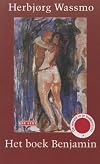
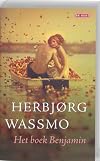
Deze omslagillustraties zijn alledrie werken van de Noorse Edvard Munch, die meer vrouwen heeft geschilderd dan enkel die schreeuwende wezens. Hoe passend.
Dit ben ik: een mier in de heide. Of een vogel die verdwaald is in het universum. Ver van de aarde. Toch is zij zo dichtbij dat ik haar adem tegen mijn hoofd voel. Stevig en wijdbeens staat ze daar en strekt haar handen uit. Ze laat iets vallen. Er klinkt ee vinnig gezang omdat metaal steen raakt. Ik al het geluid altijd met me meedragen.
Dit ben ik ook: ik probeerde in een vreemde stad de balans op te maken. Maar niets klopte. Mijn leven trok aan mij voorbij. Ondersteboven. Achterstevoren. De mensen die me in de straten en op de trottoirs tegemoet kwamen droegen maskers. Allemaal. Ze waren Dina, die allerlei vermommingen gebruikte om zich voor mij te verbergen.
'Waarom moest ik je cello uit Berlijn ophalen?' vroeg ik. Ze ging zitten en schonk beide glazen tot de rand toe vol. Bracht haar glas naar haar mond en dronk. 'Ik had waarschijnlijk een excuus nodig om je te ontmoeten , zei ze onverwacht.'
My Thoughts shortly after the beginning: How to continue after book one with three murders and spoiler> with such a impetuous of his life mother. This book seems to be some boring, where his life in Norway is drawn out . But the beginning was so beautiful, promising written! I read along.
Then there is the search: for women and his destiny, what he wants to do with his life and where. On Reinsnes in Norway or in Denmark. Also told are Benjamin's experiences which he just need to figure out in Copenhagen, the conditions that produced by the World War I, the indirect experience of class differences, the evolving relationship with Aksel, the desire for and dealing with Anna and Karna, the shameless selfishness,, it all seems to fail and for good reason.
Until , unexpectedly his mother comes, there is real contact. That gives me a sweet feeling, and sometimes by more than a few words spoiler>. This makes, together with the confrontation with the realistic life, the book is worthwhile to read.
I should stop reading now. Te story can only go downhill again. Why wants a reader to read, and why should a book for the feeling of the reader, for me in any case, end well?
--- Finished! --- And actually that feels that unfortunate, that's a good sign. I 'll plan the last part of the trilogy to read next year or so.The ending is satisfying enough.
What does the Cello embody? with his human, sensual shape and warm, romantic sound on human pitch?
Men, does the writer describe the boy, his actions, feelings and motivations, well ?
The cover illustrations of the series are all three works by Norwegian Edvard Munch, who has painted more women than just those crying creatures. How fitting.
This is me: an ant in the heath. Or a bird that is lost in the universe. Far from the earth. Yet it is so close I can feel her breath on my head. Firm and straddled she stands and stretches out her hands. They dropped something. There sharp vocals sound as metal stone hits. A sound i will always carry with me.
This is me too: I tried in a foreign city to take stock. But nothing made sense. My life pulled me over. Upside. Backwards. The people who came to meet me in the streets and on the sidewalks were wearing masks. All. They were Dina, who used all sorts of disguises to hide from me.
"Why did I pick you up from Berlin cello?" I asked. She sat down and poured two glasses to the brim. Brought her glass to her mouth and drank. "I probably needed an excuse to meet you, she said unexpectedly." I> show less
overdenksel na het begin: hoe kan je verder na boek één
Daarna is er het het zoeken: naar vrouwen en zijn levensbestemming, de onmacht te weten en doen wat hij wil en waar. Op Reinsnes of in Denemarken. En de ervaringen als Benjamin het alleen moet uitzoeken in Kopenhagen, de omstandigheden die de WO l voortbrengen, het indirect ervaren van standsverschillen, de zich steeds ontwikkelende vriendschap met Aksel, het verlangen naar en omgang met Anna en Karna, Het schaamteloze egoïsme, het schuren in mijn gevoel (maag?) van dat
Totdat
Ik zou nu moeten stoppen met lezen. Het kan alleen maar weer bergafwaarts gaan. Waarom wil een lezer dat lezen en waarom moet een boek voor het gevoel van de lezer, het mijne in ieder geval wel, goed eindigen?
---uit!--- en eigenlijk vind ik dat jammer, dat is een goed teken. Het laatste deel van de trilogie plan ik voor volgend jaar of zo.
Het einde is bevredigend genoeg.
Waar staat de Cello voor? met zijn menselijke, sensuele vorm en warm, romantisch geluid op de menselijke toonhoogte?
Mannen, beschrijft deze vrouw de jongen, zijn handelen, gevoel en beweegredenen goed, voorstelbaar?
Deze omslagillustraties zijn alledrie werken van de Noorse Edvard Munch, die meer vrouwen heeft geschilderd dan enkel die schreeuwende wezens. Hoe passend.
Dit ben ik: een mier in de heide. Of een vogel die verdwaald is in het universum. Ver van de aarde. Toch is zij zo dichtbij dat ik haar adem tegen mijn hoofd voel. Stevig en wijdbeens staat ze daar en strekt haar handen uit. Ze laat iets vallen. Er klinkt ee vinnig gezang omdat metaal steen raakt. Ik al het geluid altijd met me meedragen.
Dit ben ik ook: ik probeerde in een vreemde stad de balans op te maken. Maar niets klopte. Mijn leven trok aan mij voorbij. Ondersteboven. Achterstevoren. De mensen die me in de straten en op de trottoirs tegemoet kwamen droegen maskers. Allemaal. Ze waren Dina, die allerlei vermommingen gebruikte om zich voor mij te verbergen.
'Waarom moest ik je cello uit Berlijn ophalen?' vroeg ik. Ze ging zitten en schonk beide glazen tot de rand toe vol. Bracht haar glas naar haar mond en dronk. 'Ik had waarschijnlijk een excuus nodig om je te ontmoeten , zei ze onverwacht.'
My Thoughts shortly after the beginning: How to continue after book one
Then there is the search: for women and his destiny, what he wants to do with his life and where. On Reinsnes in Norway or in Denmark. Also told are Benjamin's experiences which he just need to figure out in Copenhagen, the conditions that produced by the World War I, the indirect experience of class differences, the evolving relationship with Aksel, the desire for and dealing with Anna and Karna, the shameless selfishness,, it all seems to fail and for good reason.
Until
I should stop reading now. Te story can only go downhill again. Why wants a reader to read, and why should a book for the feeling of the reader, for me in any case, end well?
--- Finished! --- And actually that feels that unfortunate, that's a good sign. I 'll plan the last part of the trilogy to read next year or so.The ending is satisfying enough.
What does the Cello embody? with his human, sensual shape and warm, romantic sound on human pitch?
Men, does the writer describe the boy, his actions, feelings and motivations, well ?
The cover illustrations of the series are all three works by Norwegian Edvard Munch, who has painted more women than just those crying creatures. How fitting.
This is me: an ant in the heath. Or a bird that is lost in the universe. Far from the earth. Yet it is so close I can feel her breath on my head. Firm and straddled she stands and stretches out her hands. They dropped something. There sharp vocals sound as metal stone hits. A sound i will always carry with me.
This is me too: I tried in a foreign city to take stock. But nothing made sense. My life pulled me over. Upside. Backwards. The people who came to meet me in the streets and on the sidewalks were wearing masks. All. They were Dina, who used all sorts of disguises to hide from me.
"Why did I pick you up from Berlin cello?" I asked. She sat down and poured two glasses to the brim. Brought her glass to her mouth and drank. "I probably needed an excuse to meet you, she said unexpectedly." I>
The story about Benjamin, how he ends up in Denmark to become a doctor, the friends he makes, the woman he meets, student life and the burden of not hearing anything from his mother while his old house, once a powerful and rich estate is going down the hill...
Lyckans son är den fristående fortsättningen på Dinas bok. Starkt gripande människoöden och oerhört finstämt berättat. Fria människor beter sig som riktiga skitstövlar men är de onda innerst inne? Läs och njut!
May 15, 2013Swedish
Elf jaar is Benjamin als hij getuige is van een moord: zijn moeder Dina schiet haar geliefde dood. Vanaf dat moment wordt de jongen achtervolgd door de vraag of een getuige ook schuldig is. Als hij later in Tromsø en als student medicijnen in Kopenhagen kennismaakt met de liefde, merkt hij dat hij steeds op zoek is naar zijn moeder. het tweede deel van trilogie
Jan 11, 2008Dutch
įdomi
May 4, 2010Lithuanian
Ratings
Members
- Recently Added By
Lists

Top Five Books of 2015
811 works; 240 members

covers with paintings / paintings as covers .
37 works; 1 member
Author Information

55+ Works 2,629 Members
Some Editions
Series

Work Relationships
Common Knowledge
- Canonical title
- Dina's son
- Original title
- Lykkens sønn
- Original publication date
- 1992
- People/Characters
- Benjamin = Son of Happiness
- Epigraph
- Als het geluk echt wenselijk was voor de mens, zou de idioot ongetwijfeld het meest fraaie exemplar van zijn soort zijn. - Friedrich Nietzsche
- Dedication*
- Voor Ib
- Last words
- (Click to show. Warning: May contain spoilers.)Ennå spør du meg ikke hvem jeg er.
Tror du jeg har glemt alt den dagen du spør? - Original language
- Norsk
*Some information comes from Common Knowledge in other languages. Click "Edit" for more information.
Classifications
- Genres
- Fiction and Literature, General Fiction
- DDC/MDS
- 839.823 — Literature & rhetoric German & related literatures Other Germanic literatures Danish and Norwegian literatures Norwegian literature Norwegian Bokmål fiction
- LCC
- PT8951.33 .A8 .L95 — Language and Literature German, Dutch and Scandinavian literatures Norwegian literature Individual authors or works 1961-2000
Statistics
- Members
- 204
- Popularity
- 160,678
- Reviews
- 5
- Rating
- (3.75)
- Languages
- 12 — Danish, Dutch, English, Estonian, French, German, Hungarian, Lithuanian, Norwegian (Bokmål), Norwegian, Russian, Swedish
- Media
- Paper, Ebook
- ISBNs
- 31