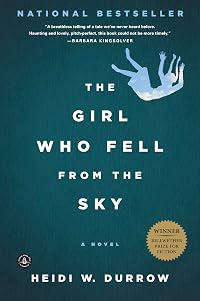
The Girl Who Fell From the Sky
by Heidi W. Durrow 
On This Page
Description
After a family tragedy orphans her, Rachel, the daughter of a Danish mother and a black G.I., moves into her grandmother's mostly black community in the 1980s, where she must swallow her grief and confront her identity as a biracial woman in a world that wants to see her as either black or white.Tags
Recommendations
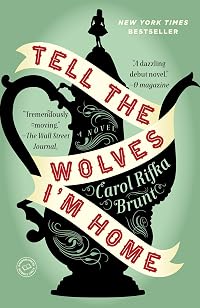
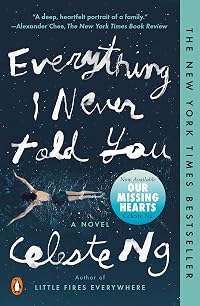
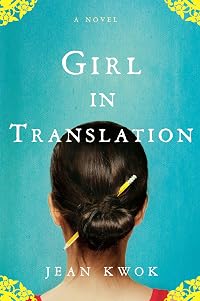
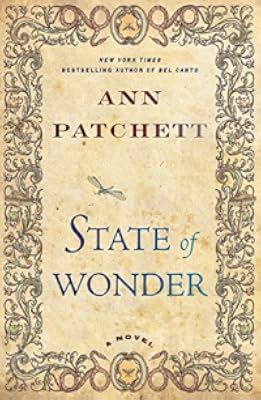







Member Recommendations


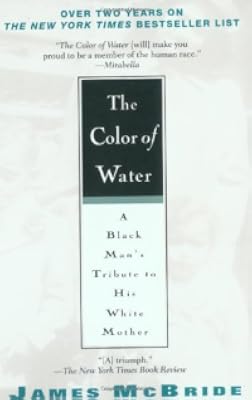
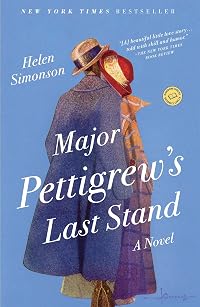
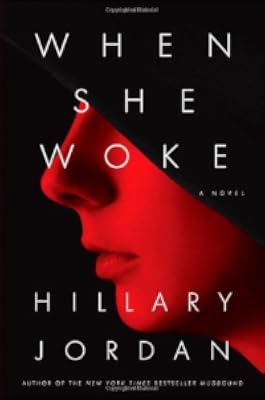
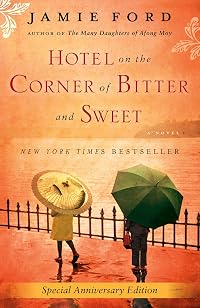
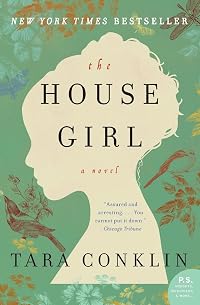
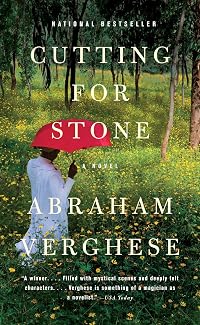
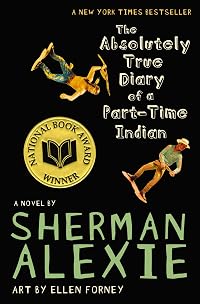
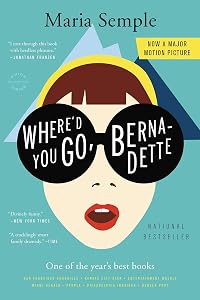
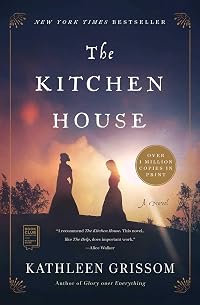
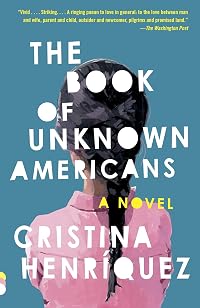
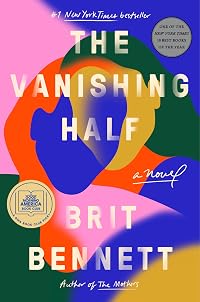
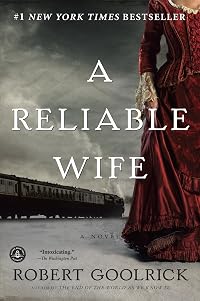
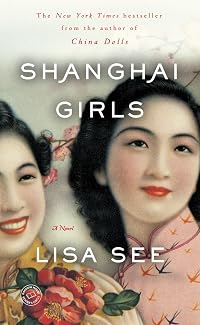
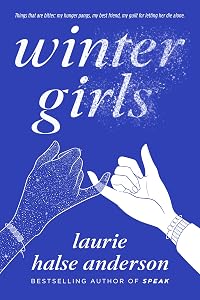
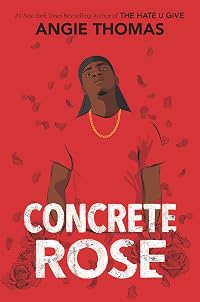
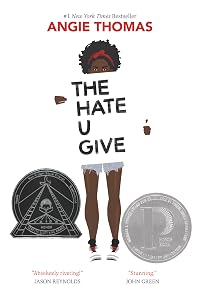
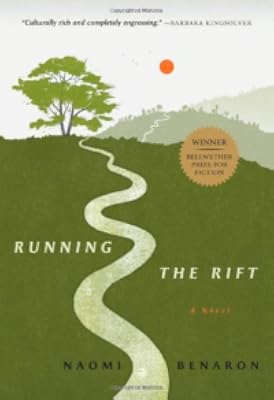
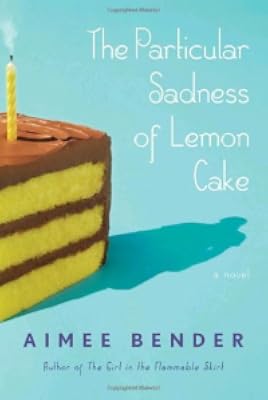
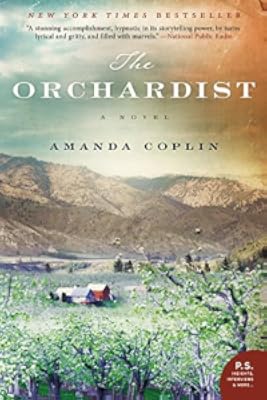
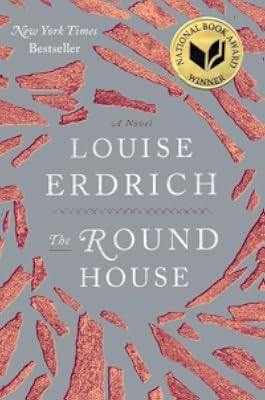
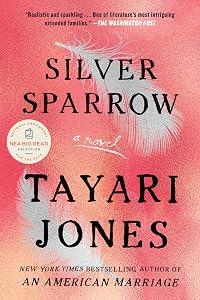
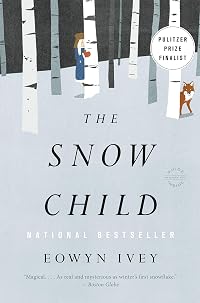
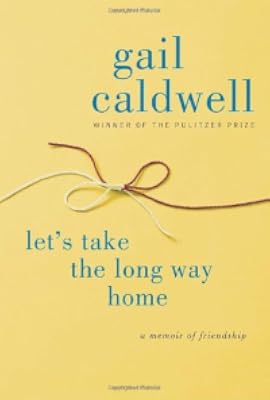
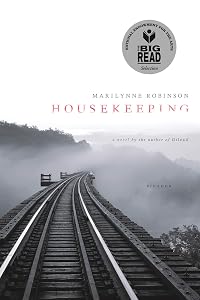
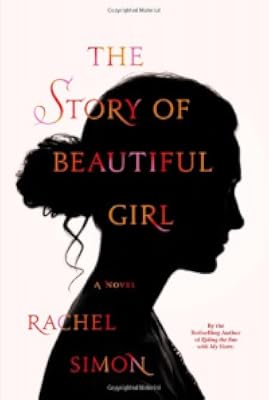
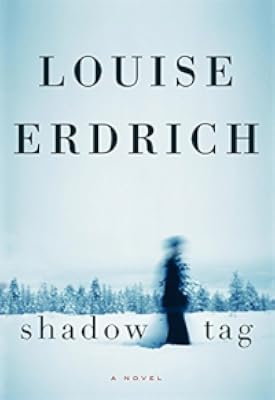
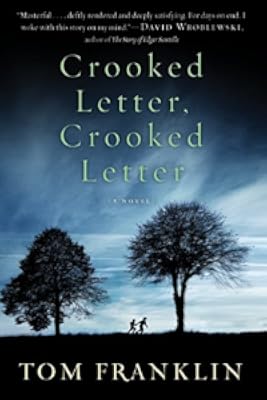
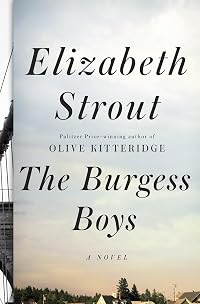
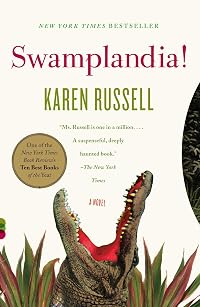
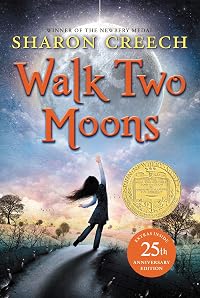
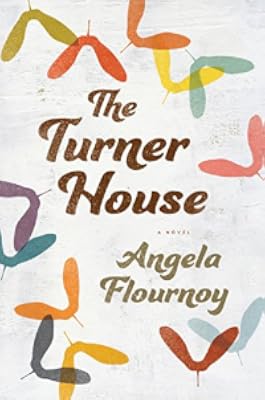
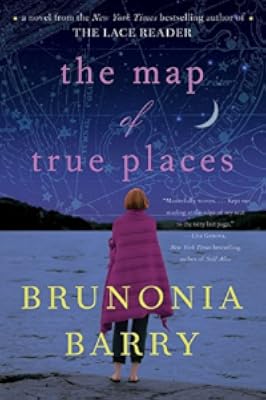
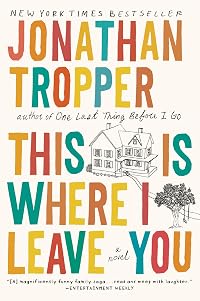
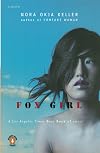
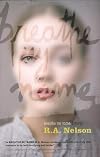
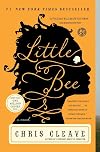
JuniperD Both novels feature coming-of-age stories of biracial children uprooted from their families. Both main characters are trying to understand where they belong, and both children are working through trauma.
Member Reviews
Rachel lives with her grandmother because her mother pushed her children and jumped off the roof of a nine-storey apartment complex. Rachel survived.
This is the sort of book that I don't necessarily like while I'm reading, but as it lingers in my mind and I turn over elements of it in my thoughts, I realize how powerful and beautiful it was. The structure is a little difficult. Rachel's narrates her parts of the story, while the experiences of Laronne (her mother's boss), Jamie (the boy who witnessed her brother falling), and others are interspersed in a story that covers about five years in non-chronological order.
As if her mother's suicide and her siblings' deaths weren't enough to deal with, Rachel is of mixed race, the daughter of show more a Danish mother and a black father. But the book doesn't read like an "issues" book, it's just Rachel's story of adolescence, growing up, finding her identity and understanding her past. It's very internal, almost a collection of impressions rather than a straightforward plot. A few sentences made me stop in my tracks because I had to think about them, rather than rush on to the end. The story itself is how Rachel describes the blues: storing up all sorts of sadness, but making something beautiful out of it. show less
This is the sort of book that I don't necessarily like while I'm reading, but as it lingers in my mind and I turn over elements of it in my thoughts, I realize how powerful and beautiful it was. The structure is a little difficult. Rachel's narrates her parts of the story, while the experiences of Laronne (her mother's boss), Jamie (the boy who witnessed her brother falling), and others are interspersed in a story that covers about five years in non-chronological order.
As if her mother's suicide and her siblings' deaths weren't enough to deal with, Rachel is of mixed race, the daughter of show more a Danish mother and a black father. But the book doesn't read like an "issues" book, it's just Rachel's story of adolescence, growing up, finding her identity and understanding her past. It's very internal, almost a collection of impressions rather than a straightforward plot. A few sentences made me stop in my tracks because I had to think about them, rather than rush on to the end. The story itself is how Rachel describes the blues: storing up all sorts of sadness, but making something beautiful out of it. show less
http://andalittlewine.blogspot.com/2012/11/book-review-girl-who-fell-from-sky-by...
In undertaking a my little New Year's resolution to read 52 book, I expected a fair number of lousy books. And I've learned that writing about several weeks worth of mediocre or merely good one can sap some of the joy from writing. I'm sure that's why bad reviews are often funniest- what else is there really to say?
But writing a review is easy when the book is brilliant. And Heidi W. Durrow's The Girl Who Fell From the Sky is brilliant. The semi-autobiographical 2010 debut novel is about a girl of mixed race, her mother Danish and her father an African American GI, struggling to find her place in the world. Race is the most obvious theme here, closely show more followed by alcoholism, sexuality, and despair. In most of its handlings of these themes Girl feels like a first book- too often ham handed in tackling the issues head on.
Still, it's hardly a surprise that Barbara Kingsolver chose Girl as the winner of the 2008 PEN/Bellwether prize for a novel addressing social issues; the novels chapters rotate narrators in precisely the way of Kingsolver's Poisonwood Bible.
Where Girl is transcendent is in its dialogue, and in the characters revealed through the dialogue. The three central characters for Durrow are the eponymous Girl, Rachel; a neighborhood boy who saw her fall, Jamie; and a friend of the girl's mother, Larrone.
Rachel's mother leaped from the roof of her apartment building with her children in her arms, or she was pushed off, or she was forced to jump, and only Rachel survives. Jamie almost sees them fall. Larrone comes to their apartment to try to make sense of what has happened. Between the three of them, they unravel a mystery of a mother's emotions. I don't know that there's a word to describe the brokenness of Rachel's mother- there is a nexus between madness and love, despair and faith. What I love most about Girl is how it unfolds. This is a murder mystery with the pacing of a fable.
Rachel's first several chapters are magical, poetic, filled with the grand leaps of logic that only a small child can make. They rank among the best written words I've read this year. And as Rachel grows up in a black neighborhood in Portland, we get to see her transform her language. As she learns to speak (and act) in ways meant to assimilate, she fails to assimilate precisely because the choice does not come naturally to her. show less
In undertaking a my little New Year's resolution to read 52 book, I expected a fair number of lousy books. And I've learned that writing about several weeks worth of mediocre or merely good one can sap some of the joy from writing. I'm sure that's why bad reviews are often funniest- what else is there really to say?
But writing a review is easy when the book is brilliant. And Heidi W. Durrow's The Girl Who Fell From the Sky is brilliant. The semi-autobiographical 2010 debut novel is about a girl of mixed race, her mother Danish and her father an African American GI, struggling to find her place in the world. Race is the most obvious theme here, closely show more followed by alcoholism, sexuality, and despair. In most of its handlings of these themes Girl feels like a first book- too often ham handed in tackling the issues head on.
Still, it's hardly a surprise that Barbara Kingsolver chose Girl as the winner of the 2008 PEN/Bellwether prize for a novel addressing social issues; the novels chapters rotate narrators in precisely the way of Kingsolver's Poisonwood Bible.
Where Girl is transcendent is in its dialogue, and in the characters revealed through the dialogue. The three central characters for Durrow are the eponymous Girl, Rachel; a neighborhood boy who saw her fall, Jamie; and a friend of the girl's mother, Larrone.
Rachel's mother leaped from the roof of her apartment building with her children in her arms, or she was pushed off, or she was forced to jump, and only Rachel survives. Jamie almost sees them fall. Larrone comes to their apartment to try to make sense of what has happened. Between the three of them, they unravel a mystery of a mother's emotions. I don't know that there's a word to describe the brokenness of Rachel's mother- there is a nexus between madness and love, despair and faith. What I love most about Girl is how it unfolds. This is a murder mystery with the pacing of a fable.
Rachel's first several chapters are magical, poetic, filled with the grand leaps of logic that only a small child can make. They rank among the best written words I've read this year. And as Rachel grows up in a black neighborhood in Portland, we get to see her transform her language. As she learns to speak (and act) in ways meant to assimilate, she fails to assimilate precisely because the choice does not come naturally to her. show less
I love novels that are told from different characters' points of view. In The Girl Who Fell from the Sky, the author gives us three alternating narrators. Twelve-year old Rachel has survived a terrible tragedy (well, she has survived physically, at least), and her life and her sense of self change drastically when she is sent to be raised by her grandmother in Portland, Oregon. Jamie, the son of a junkie prostitute, has witnessed the tragedy and becomes obsessed with it. Unbeknownst to her, he visits Rachel in the hospital, where he befriends her father. The man tells him a story and makes him promise to tell it to Rachel one day--a promise that pushes Jamie to leave home and change his identity. The third voice, which we don't begin to show more hear until later in the novel, is that of Rachel's mother, Nella; we hear her only through her brief but painful diary entries.
In Portland, young Rachel finds herself trying to understand not only the events leading up to her mother's tragic decision but her own racial identity--or the lack of it. "Light skinned-ed" with blue eyes, she is the daughter of an African-American soldier and a Danish woman (like Durrow herself). Never before has she had to answer the question, "What are you?" But living with her black grandmother and aunt leads others to answer the question for her, and she struggles with the fact that people expect her to choose to be labelled either black or white rather than to be herself, "a story."
Durrow's moving novel is finely written, spare and and at times poetic: images of birds, flying, and falling pervade the narrative, almost acting like a framework. The author merges her personal experiences with those of Rachel, making her character's thoughts and feelings all the more believable. While not a story that I want to say that I "enjoyed," I appreciated its artful telling, its fine characterizations, and its illumination of issues that I hadn't really thought about deeply before. show less
In Portland, young Rachel finds herself trying to understand not only the events leading up to her mother's tragic decision but her own racial identity--or the lack of it. "Light skinned-ed" with blue eyes, she is the daughter of an African-American soldier and a Danish woman (like Durrow herself). Never before has she had to answer the question, "What are you?" But living with her black grandmother and aunt leads others to answer the question for her, and she struggles with the fact that people expect her to choose to be labelled either black or white rather than to be herself, "a story."
Durrow's moving novel is finely written, spare and and at times poetic: images of birds, flying, and falling pervade the narrative, almost acting like a framework. The author merges her personal experiences with those of Rachel, making her character's thoughts and feelings all the more believable. While not a story that I want to say that I "enjoyed," I appreciated its artful telling, its fine characterizations, and its illumination of issues that I hadn't really thought about deeply before. show less
I thought The Girl Who Fell From the Sky was a wonderful portrayal of the identity crisis a lot of young bi-racial people face. When Rachel arrives in Portland to live with her grandmother, she hasn’t been around many other black people. She actually doesn’t even realize that because she appears black, people will think she is black and expect her to act like the black people in her community do. She doesn’t fit in with the black kids at her school because of how she acts and she doesn’t fit in with the white kids because of how she looks. Even her good friend Jesse, an open-minded white boy, doesn’t understand. When someone drives by and yells the n-word at Rachel, he brushes it off, saying, “Don’t mind them.” As if show more that’s all that needed to be said.
The book starts when Rachel is eleven and goes through her teen years. Ms. Durrow does a great job of matching Rachel’s inner monologue to the age that she is in the story. As Rachel matures, so does the way she thinks to herself about her place in the world. The book switches back and forth between first person narration by Rachel to third person narration from the point of view of several other characters. I liked the way this made the story come together. Even though it’s primarily Rachel’s story, we get to delve in the minds of the other characters and find out their motivations and dreams.
The Girl Who Fell From the Sky was chosen by Barbara Kingsolver as the winner of the PEN/Bellwether Prize for best fiction manuscript addressing issues of social justice. It is truly deserving of such an award. show less
The book starts when Rachel is eleven and goes through her teen years. Ms. Durrow does a great job of matching Rachel’s inner monologue to the age that she is in the story. As Rachel matures, so does the way she thinks to herself about her place in the world. The book switches back and forth between first person narration by Rachel to third person narration from the point of view of several other characters. I liked the way this made the story come together. Even though it’s primarily Rachel’s story, we get to delve in the minds of the other characters and find out their motivations and dreams.
The Girl Who Fell From the Sky was chosen by Barbara Kingsolver as the winner of the PEN/Bellwether Prize for best fiction manuscript addressing issues of social justice. It is truly deserving of such an award. show less
Set in the 1980s, this book is a bi-racial girl's coming of age. Rachel Morse is the daughter of a black American father and a Danish mother. Her mother, brother and sister die in a fall off a rooftop; Rachel, the sole survivor, is sent to live with her paternal grandmother and her Aunt Loretta in racially segregated Portland, Oregon.
Having grown up in a (supposedly) more colour-blind society of European army bases, Rachel struggles with her identity in a society where colour matters a great deal and, in fact, defines her. She finds herself immersed in a culture she doesn't understand and stuggles to make sense of a world in which she, a blue-eyed "light-skinned-ed" person, does not belong. She isn't black enough to be accepted by many show more Blacks, but she's also not white enough to be accepted by many Whites. Not only does she have to make sense of her multi-cultural roots but also her family tragedy.
Rachel's mother Nella also struggled. She left her husband and came to Chicago with her lover, only to discover racism in the looks and questions of people because of her three brown children. Alcoholism, drug abuse and domestic violence are part of her history, and death, disappointment and loss are constants in her life as well as that of other characters.
Nella's viewpoint, via diary narration, and the viewpoint of several other characters is given, each adding to the complexity of this novel about racial ambiguity. These characters also serve to gradually reveal what really happened on the rooftop when Rachel fell from the sky. show less
Having grown up in a (supposedly) more colour-blind society of European army bases, Rachel struggles with her identity in a society where colour matters a great deal and, in fact, defines her. She finds herself immersed in a culture she doesn't understand and stuggles to make sense of a world in which she, a blue-eyed "light-skinned-ed" person, does not belong. She isn't black enough to be accepted by many show more Blacks, but she's also not white enough to be accepted by many Whites. Not only does she have to make sense of her multi-cultural roots but also her family tragedy.
Rachel's mother Nella also struggled. She left her husband and came to Chicago with her lover, only to discover racism in the looks and questions of people because of her three brown children. Alcoholism, drug abuse and domestic violence are part of her history, and death, disappointment and loss are constants in her life as well as that of other characters.
Nella's viewpoint, via diary narration, and the viewpoint of several other characters is given, each adding to the complexity of this novel about racial ambiguity. These characters also serve to gradually reveal what really happened on the rooftop when Rachel fell from the sky. show less
Wow! I don't know what to think. I don't know what to say. This was a very powerful little book about family, pain, hurt, love, belonging, desperation, hope and how not knowing can hurt you. It tells the power of having that ONE person understand. We all know that our experiences shape our lives, but this perspective is different. The book left me feeling sad but hopeful. Extremely powerful. I am happy I read it!
The Girl Who Fell from the Sky speaks beautifully of grief and hope, despair and perseverance. Rachel, a young girl, finds herself stuck between two worlds, with light skin and blue eyes, where she is not black due to these contrasting features, and not exactly white because her skin is too dark. Durrow handles this story subtly and with unfliching honesty she slowly pieces together what happened on the roof as well as family secrets that contributed to it. We see how this event ultimately shapes Rachel's life. The mystery is slowly unraveled as the book shifts amongst narrators, perspective and time. Instead of confusing or irritating its audience, the novel's structure only adds to its power. It is a sad and compelling plot that shows show more how the subtleties of racism really limits and harms us and others. show less
Members
- Recently Added By
Published Reviews
ThingScore 82
As the child of an African American father and a Danish mother, Durrow brings piercing authenticity to this provocative tale, winner of the Bellwether Prize for Fiction.
added by sduff222
Taut prose, a controversial conclusion and the thoughtful reflection on racism and racial identity resonate without treading into political or even overtly specific agenda waters, as the story succeeds as both a modern coming-of-age and relevant social commentary.
added by sduff222
Nothing especially groundbreaking here, but the author examines familiar issues of racial identity and racism with a subtle and unflinching eye.
added by sduff222
Lists

Favorite Coming of Age Novels.
164 works; 51 members

Literature by People of Color
81 works; 9 members

Racial identity
13 works; 1 member

To Read
617 works; 7 members

Kansas Book Ban List
29 works; 1 member
Author Information

1+ Work 2,094 Members
Heidi W. Durrow is a LibraryThing Author, an author who lists their personal library on LibraryThing.
Awards and Honors
Common Knowledge
- Canonical title
- The Girl Who Fell From the Sky
- Original publication date
- 2010
- People/Characters
- Rachel Morse; Nella Morse; Roger Morse; Charlie Morse; Robbie Morse; Ariel Morse (show all 14); Jamie / Brick; Doug; Loretta; Laronne; Grandma Morse; Drew; Lakeisha; Jesse
- Important places
- Portland, Oregon, USA
- Epigraph
- If a man calls me a nigger
it's his fault the first time, but
mine if he has the
opportunity to do it again.
— Nella Larsen, Passing - Dedication
- Dedicated to my mother, Birgit, with all my love
- First words
- "You my lucky piece," Grandma says.
- Last words
- (Click to show. Warning: May contain spoilers.)If only we had been a family that could fly.
- Blurbers
- Silber, Joan; Parini, Jay; Straight, Susan; Jones, Hettie; Otto, Whitney; Hutchinson, George (show all 7); Kingsolver, Barbara
Classifications
Statistics
- Members
- 2,094
- Popularity
- 9,847
- Reviews
- 118
- Rating
- (3.76)
- Languages
- 5 — Danish, Dutch, English, French, Portuguese
- Media
- Paper, Audiobook, Ebook
- ISBNs
- 17
- ASINs
- 9