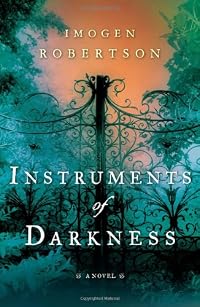
On This Page
Description
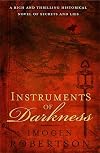
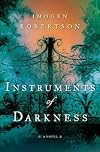
An intricate historical novel about a forbidding country estate and the unlikely forensic duo who set out to uncover its deadly secrets.Tags
Recommendations




Member Recommendations
Member Reviews
The time is 1780 in a small village outside of London. The wife of a local landed gentry (literally landed - he is a naval commodore) finds a body on her land with its throat cut. She turns to the local recluse, who has an interest in cutting up dead bodies, for help. And off they go, delving into local politics and the hidden past to figure out who was murdered and why. A few more murders and a couple of plot twists later, they of course succeed, but the journey to the solution is a worthwhile one.
This was fun for many reasons. First, the style is appropriate to the setting - relaxed and giving a flavor of the writing of the time. Second, the characters are fun, if perhaps a tad too modern. Mrs. Westerman, our heroine, is an show more independent, no-nonsense, competent woman. Crowther, our hero, is somewhat Darcy-like though much less prideful (or is he the prejudiced one?). Other woman are probably a little more independent than the times might find appropriate, but that's OK with me. Third, the history is good. The American Revolution plays an important role in the story and is well painted (from the British side), and the time in England is well described (there are anti-papist riots going on in London, for instance). Both events are portrayed accurately (I assume - I know it's true for the American events and assume it's true of the British events too), yet realistically. Fourth, it's fresh. One of the wonderful things about Mrs. Westerman and Crowther's partnership is that there is no romantic interest at all. They respect each other and end up trusting each other, but she is happily married (though her husband is away) and he shows no interest in crossing that boundary. For some reason, it just seems so very grown up that, in a novel, two people of opposite sex can actually be friends but not lovers.
Not to worry though. There are other romantic possibilities. The other half of the story takes place in London with a different cast of characters. Their story, is of course, related (I'm not giving away any spoilers - the relationship is obvious early on) and there are the possibilities of love and family there, though also tragedy.
A lovely book. There are a couple of more in the series and I will probably go find them, though with a little hesitation: I don't think this was meant to be the first of a series, and I worry that follow-ups will therefore be disappointing. But I'll take the chance ... show less
This was fun for many reasons. First, the style is appropriate to the setting - relaxed and giving a flavor of the writing of the time. Second, the characters are fun, if perhaps a tad too modern. Mrs. Westerman, our heroine, is an show more independent, no-nonsense, competent woman. Crowther, our hero, is somewhat Darcy-like though much less prideful (or is he the prejudiced one?). Other woman are probably a little more independent than the times might find appropriate, but that's OK with me. Third, the history is good. The American Revolution plays an important role in the story and is well painted (from the British side), and the time in England is well described (there are anti-papist riots going on in London, for instance). Both events are portrayed accurately (I assume - I know it's true for the American events and assume it's true of the British events too), yet realistically. Fourth, it's fresh. One of the wonderful things about Mrs. Westerman and Crowther's partnership is that there is no romantic interest at all. They respect each other and end up trusting each other, but she is happily married (though her husband is away) and he shows no interest in crossing that boundary. For some reason, it just seems so very grown up that, in a novel, two people of opposite sex can actually be friends but not lovers.
Not to worry though. There are other romantic possibilities. The other half of the story takes place in London with a different cast of characters. Their story, is of course, related (I'm not giving away any spoilers - the relationship is obvious early on) and there are the possibilities of love and family there, though also tragedy.
A lovely book. There are a couple of more in the series and I will probably go find them, though with a little hesitation: I don't think this was meant to be the first of a series, and I worry that follow-ups will therefore be disappointing. But I'll take the chance ... show less
Tension builds from the moment Mrs Westerman, genteel proprietress of Caveley Park, forces her acquaintance on reclusive anatomist Gabriel Crowther, wealthy man of secrets and possessor of many strange and distasteful objects, in search of his help in dealing with the death of a stranger in her copse.
It doesn't let up. It ratchets up every time Mrs Westerman or Mr Crowther are on stage. There are flashbacks to Mrs Westerman's neighbor, Lord Hugh Thornleigh, in combat during the American conflict...these aren't immediately obviously relevant to the story, and I think I'd've recommended the author introduce them differently than her editor did, but have patience...and introduce us to Claver Wicksteed, then an Army procurement officer and show more now steward of Thornleigh, the seat of the Earls of Sussex. Then we meet the Countess of Sussex, and our central cast is complete.
The body count rises, as it must in a mystery, and the characters begin to see that they're engaged in a grisly gavotte around one central puzzle: How low can a human being sink, regardless of high birth, and how can justice seem so far from just?
Like all good mystery writers, Robertson takes us round the houses by changing the angle of view several times. She's very good at this. What seems awful becomes right and good; what seems reliably good stinks like old fish before she's done with us. Fear not: The wise and the just are rewarded! Just that they're also made to get dirty in the process.
There are first-novel issues with the book, of course, like the Parthenon being described as a round building in Rome (PANTHEON!) and the persistent misunderstanding of how one addresses Earls, Countesses, and their offspring (Earls are "Lord {Name of earldom}", their wives "Lady {Name of earldom} unless that countess is the daughter of a fellow earl or higher, in which case she's ALWAYS "Lady {Firstname}" no matter who she's married to, sons and heirs of earls are Viscounts and addressed as "Lord {Name of viscounty" even when very young, younger sons are "Lord {Family name}" and daughters of earls are "Lady {Firstname}" all their lives, etc etc). Most of this is the editor's fault. The author should be able to rely on him or her to catch these sorts of factual oopsies.
Still and all...the pleasures of reading this book are many, and *evil chortle* you'll all have to wait until at least 2011 to find out 'cause the book ain't available here yet! I borrowed mine from our own Suzanne/Chatterbox, so there nyah!
But it's recommended. Really and truly. Too good to miss. show less
It doesn't let up. It ratchets up every time Mrs Westerman or Mr Crowther are on stage. There are flashbacks to Mrs Westerman's neighbor, Lord Hugh Thornleigh, in combat during the American conflict...these aren't immediately obviously relevant to the story, and I think I'd've recommended the author introduce them differently than her editor did, but have patience...and introduce us to Claver Wicksteed, then an Army procurement officer and show more now steward of Thornleigh, the seat of the Earls of Sussex. Then we meet the Countess of Sussex, and our central cast is complete.
The body count rises, as it must in a mystery, and the characters begin to see that they're engaged in a grisly gavotte around one central puzzle: How low can a human being sink, regardless of high birth, and how can justice seem so far from just?
Like all good mystery writers, Robertson takes us round the houses by changing the angle of view several times. She's very good at this. What seems awful becomes right and good; what seems reliably good stinks like old fish before she's done with us. Fear not: The wise and the just are rewarded! Just that they're also made to get dirty in the process.
There are first-novel issues with the book, of course, like the Parthenon being described as a round building in Rome (PANTHEON!) and the persistent misunderstanding of how one addresses Earls, Countesses, and their offspring (Earls are "Lord {Name of earldom}", their wives "Lady {Name of earldom} unless that countess is the daughter of a fellow earl or higher, in which case she's ALWAYS "Lady {Firstname}" no matter who she's married to, sons and heirs of earls are Viscounts and addressed as "Lord {Name of viscounty" even when very young, younger sons are "Lord {Family name}" and daughters of earls are "Lady {Firstname}" all their lives, etc etc). Most of this is the editor's fault. The author should be able to rely on him or her to catch these sorts of factual oopsies.
Still and all...the pleasures of reading this book are many, and *evil chortle* you'll all have to wait until at least 2011 to find out 'cause the book ain't available here yet! I borrowed mine from our own Suzanne/Chatterbox, so there nyah!
But it's recommended. Really and truly. Too good to miss. show less
Harriet Westerman, a young gentlewoman living in the tranquil village of Hartswood in rural Sussex, discovers the body of a man on her lands, his throat cut. Rather than calling on the local constable, she addresses herself to Gabriel Crowther, a recluse and known anatomist, for help. As the body count rises, the two form a friendship and discover the reasons behind the murders.
Set in 1780, this is the first in a historical crime fiction series featuring the rather impulsive and unconventional Harriet Westerman and her partner in crime Gabriel Crowther, a gentleman with a secret past and the polar opposite to Harriet in character. Divided into six parts, each covering the span of a day, the plot is centred on the village of Hartswood show more where Harriet and Crowther live, London and Boston during the American Revolutionary War some five years previously. The prose is fluent and memorable in places, the atmosphere of time and place acute, but the great strength of this novel is its vivid portrayal of the characters, so much so that I felt I knew them as the novel progressed, and cared for them deeply. Even though some might criticise that the plot is too sedate in places (I don’t agree, there are three murders in three days), the author is clearly more concerned about characterisation than driving the action forward just for its own sake. (Saying that, the most memorable scenes detail the carnage after the Battle of Breed’s Hill near Charlestown and the chaos and confusion during the London riots as some of the protagonists have to cross the city to a place of refuge; the writing is incredibly tense in these places.) Here the consequences and repercussions after a violent crime has been committed ripple through the affected members of the family, friends and neighbours, and even the wider community, and Imogen Robertson makes it clear that some acts of violence are committed for personal gain, while others have a personal tragedy of their own at their heart. This is historical crime fiction at its best, and I can’t wait to get my hands on the second volume in the series, Anatomy of Murder. show less
Set in 1780, this is the first in a historical crime fiction series featuring the rather impulsive and unconventional Harriet Westerman and her partner in crime Gabriel Crowther, a gentleman with a secret past and the polar opposite to Harriet in character. Divided into six parts, each covering the span of a day, the plot is centred on the village of Hartswood show more where Harriet and Crowther live, London and Boston during the American Revolutionary War some five years previously. The prose is fluent and memorable in places, the atmosphere of time and place acute, but the great strength of this novel is its vivid portrayal of the characters, so much so that I felt I knew them as the novel progressed, and cared for them deeply. Even though some might criticise that the plot is too sedate in places (I don’t agree, there are three murders in three days), the author is clearly more concerned about characterisation than driving the action forward just for its own sake. (Saying that, the most memorable scenes detail the carnage after the Battle of Breed’s Hill near Charlestown and the chaos and confusion during the London riots as some of the protagonists have to cross the city to a place of refuge; the writing is incredibly tense in these places.) Here the consequences and repercussions after a violent crime has been committed ripple through the affected members of the family, friends and neighbours, and even the wider community, and Imogen Robertson makes it clear that some acts of violence are committed for personal gain, while others have a personal tragedy of their own at their heart. This is historical crime fiction at its best, and I can’t wait to get my hands on the second volume in the series, Anatomy of Murder. show less
This book opens with a body and a murder. In that order.
It is full missing heirs, hidden wills, unhinged trophy wives, absent husbands, headstrong women, shamed men, and more bodies to go with more murders. It's a fun and engrossing historical mystery that really has no dull moments. Even scenes away from the "action" had something to entertain: comedy in one story, grief and uncertainty in the other, drama and intrigue in both.
Ms. Robertson makes good use of the Georgian period in which she places her cast, using the Gordon riots heavily in one storyline and making the real John Hunter a connecting point between the two. For the most part, characters speak in that generic historical fiction kind of way that is unique to no period but show more "the past." This is good since real Georgian English would be a bit hard to follow, but I was a bit disappointed that there were a few phrases that stood out a modern. They weren't enough to pull me out of the story for long, but they stood out enough that I remember them. Additionally, though I loved Harriet, some of her boldness and forwardness seemed a bit too progressive for the time in which she lived. I don't know that I would have noticed, but put beside Susan, Miss Chase, and Harriet's own sister, Harriet is definitely a bit fiery.
Instruments of Darkness is sure to be enjoyed by historical fiction and mystery readers and adored by those who revel in the combination of the two.
Book source: ARC provided by the publisher through the goodreads first reads program. show less
It is full missing heirs, hidden wills, unhinged trophy wives, absent husbands, headstrong women, shamed men, and more bodies to go with more murders. It's a fun and engrossing historical mystery that really has no dull moments. Even scenes away from the "action" had something to entertain: comedy in one story, grief and uncertainty in the other, drama and intrigue in both.
Ms. Robertson makes good use of the Georgian period in which she places her cast, using the Gordon riots heavily in one storyline and making the real John Hunter a connecting point between the two. For the most part, characters speak in that generic historical fiction kind of way that is unique to no period but show more "the past." This is good since real Georgian English would be a bit hard to follow, but I was a bit disappointed that there were a few phrases that stood out a modern. They weren't enough to pull me out of the story for long, but they stood out enough that I remember them. Additionally, though I loved Harriet, some of her boldness and forwardness seemed a bit too progressive for the time in which she lived. I don't know that I would have noticed, but put beside Susan, Miss Chase, and Harriet's own sister, Harriet is definitely a bit fiery.
Instruments of Darkness is sure to be enjoyed by historical fiction and mystery readers and adored by those who revel in the combination of the two.
Book source: ARC provided by the publisher through the goodreads first reads program. show less
This novel did not go through an editor. At all. Sure, it's written in the language of the period and does so wonderfully well. In fact it's very convincing in that way.
Unfortunately the organization, narrative details and characterizations are a complete mess. In one scene one of the two main characters looks at his red hands to realize he has been clinching them tightly. A second later we learn that he was wearing gloves. That's just trivial stuff compared to the rest.
To start with, the organization. Chapters are strewn out randomly it seems and you need to pay careful attention or you'll miss a section break. More importantly, the thoughts of characters jump all over the place and the novel never knows if it want's to have a show more first-person close or omniscient perspective. This creates both confusing as well as funny situations.
In a period where everyone apparently spoke incredible formal, we have a child who thinks of her father as Alexander. This same father addresses his 9 year old daughter as if she's either an old spinster or who is his intellectual equal, judging by the paragraph where he explains current political machinations to her. show less
Unfortunately the organization, narrative details and characterizations are a complete mess. In one scene one of the two main characters looks at his red hands to realize he has been clinching them tightly. A second later we learn that he was wearing gloves. That's just trivial stuff compared to the rest.
To start with, the organization. Chapters are strewn out randomly it seems and you need to pay careful attention or you'll miss a section break. More importantly, the thoughts of characters jump all over the place and the novel never knows if it want's to have a show more first-person close or omniscient perspective. This creates both confusing as well as funny situations.
In a period where everyone apparently spoke incredible formal, we have a child who thinks of her father as Alexander. This same father addresses his 9 year old daughter as if she's either an old spinster or who is his intellectual equal, judging by the paragraph where he explains current political machinations to her. show less
First Line: Friday, 2 June 1780, West Sussex, England. Gabriel Crowther opened his eyes.
If Crowther had known what was in store for him, he just might have pulled the covers back over his head. Harriet Westerman, the unconventional mistress of Caveley Park, has found a dead man on her property, and she insists that reclusive anatomist Gabriel Crowther help her find the killer. Their search will take them from country walks to drawing rooms to grimy London streets to dissecting rooms, and by the time they're done, there will be no more secrets at neighboring Thornleigh Hall.
Harriet Westerman is the kind of amateur sleuth that I want to know more about. The wife of a sea captain, Harriet went to sea with her husband during peace time and show more in war-- and she misses it. The only reason why she's taken up residence at Caveley Park is because her husband has always wanted a big house and property. If left to her own devices, she'd still be at sea.
Gabriel Crowther on the other hand is an anatomist, which isn't a very popular occupation in eighteenth century England. He prefers solitude for many reasons, only one of which concerns his work. Having removed himself from polite society, he finds himself out of step when Harriet drags him back into it. This pair of self-appointed sleuths both have courage and razor-sharp minds, which bodes well for a series.
However, the author has also populated the book with several other well-drawn and memorable characters, one group of which is chased through the dark streets of London by a very scary murderer. Whether trying to track down the notes of a magistrate or attempting to protect the next people on the killer's list, I never knew when I'd run into another of the author's marvelous characters.
The only thing that kept me from raising this book to the ceiling and shouting, "Hallelujah!" is that the pace tended to be glacial until the last quarter of the book. But Robertson has now set up a world that I want to revisit again and again. Mrs. Westerman? Please set another place at table. I am coming to dine! show less
If Crowther had known what was in store for him, he just might have pulled the covers back over his head. Harriet Westerman, the unconventional mistress of Caveley Park, has found a dead man on her property, and she insists that reclusive anatomist Gabriel Crowther help her find the killer. Their search will take them from country walks to drawing rooms to grimy London streets to dissecting rooms, and by the time they're done, there will be no more secrets at neighboring Thornleigh Hall.
Harriet Westerman is the kind of amateur sleuth that I want to know more about. The wife of a sea captain, Harriet went to sea with her husband during peace time and show more in war-- and she misses it. The only reason why she's taken up residence at Caveley Park is because her husband has always wanted a big house and property. If left to her own devices, she'd still be at sea.
Gabriel Crowther on the other hand is an anatomist, which isn't a very popular occupation in eighteenth century England. He prefers solitude for many reasons, only one of which concerns his work. Having removed himself from polite society, he finds himself out of step when Harriet drags him back into it. This pair of self-appointed sleuths both have courage and razor-sharp minds, which bodes well for a series.
However, the author has also populated the book with several other well-drawn and memorable characters, one group of which is chased through the dark streets of London by a very scary murderer. Whether trying to track down the notes of a magistrate or attempting to protect the next people on the killer's list, I never knew when I'd run into another of the author's marvelous characters.
The only thing that kept me from raising this book to the ceiling and shouting, "Hallelujah!" is that the pace tended to be glacial until the last quarter of the book. But Robertson has now set up a world that I want to revisit again and again. Mrs. Westerman? Please set another place at table. I am coming to dine! show less
I picked this up in Heffers in Cambridge and was forced to buy because the prose style was just so good.
It's set in the 1700s in England, and makes good use of the setting, including the Gordon Riots as a plot point. The story is perhaps more Gothic (in the 1700s sense) than mystery, with Missing Heirs, Good-hearted Commoners, and Vicious Aristocrats preying upon Village Maidens. Robertson manages, despite the occasionally highly-coloured plot, to make her characters rounded and believable, often touching, and for the most part not 21st c. people in period dress. Pacing is strong, with two storylines echoing each other and giving the reader more information than the characters have, which raises the suspense but still leaves the reader show more guessing.
Plot - a sea-captain's wife, somewhat frustrated by her daily round of maintaining their new house and lands in a small village while her husband returns to sea, discovers a throat-slit corpse on her property. Worried that it may be that of the long-missing heir to the troubled local nobility, she asks for the help of mysterious recluse and anatomist Gabriel Crowther - not his real name, for he has his own secrets.
And on from there. She and Crowther become friends, and I was pleased that the author didn't go for the easy complication of having them fall in love.
Recommended. I did notice perhaps half-a-dozen words or terms that I would question for the time, but all minor, and only noticeable really because the rest was so appropriate. show less
It's set in the 1700s in England, and makes good use of the setting, including the Gordon Riots as a plot point. The story is perhaps more Gothic (in the 1700s sense) than mystery, with Missing Heirs, Good-hearted Commoners, and Vicious Aristocrats preying upon Village Maidens. Robertson manages, despite the occasionally highly-coloured plot, to make her characters rounded and believable, often touching, and for the most part not 21st c. people in period dress. Pacing is strong, with two storylines echoing each other and giving the reader more information than the characters have, which raises the suspense but still leaves the reader show more guessing.
Plot - a sea-captain's wife, somewhat frustrated by her daily round of maintaining their new house and lands in a small village while her husband returns to sea, discovers a throat-slit corpse on her property. Worried that it may be that of the long-missing heir to the troubled local nobility, she asks for the help of mysterious recluse and anatomist Gabriel Crowther - not his real name, for he has his own secrets.
And on from there. She and Crowther become friends, and I was pleased that the author didn't go for the easy complication of having them fall in love.
Recommended. I did notice perhaps half-a-dozen words or terms that I would question for the time, but all minor, and only noticeable really because the rest was so appropriate. show less
Members
- Recently Added By
Published Reviews
ThingScore 75
It’s a sensitive melodrama, investing almost every character with a dark and sometimes unsavory past, its plot filled with signet rings, wills, adventuresses, concealed letters and dissection, all set against the pleasantly unpleasant background of the Gordon Riots, which prodded a mob of Protestant Londoners into an anti-Catholic frenzy. The climax, as might be expected, involves a chase show more across the ravaged city to ensure that justice is done to the wronged and that the wrongdoers get their comeuppance. show less
added by passion4reading
Lists

Best Historical Crime
44 works; 17 members

Read-Alike - The Lost Apothecary, Sarah Penner
6 works; 1 member
Best Mysteries With a Historical Setting
292 works; 160 members
Author Information

9+ Works 1,771 Members
Series

Work Relationships
Common Knowledge
- Canonical title
- Instruments of Darkness
- Original publication date
- 2009
- People/Characters
- Harriet Westerman; Gabriel Crowther; Hugh Thornleigh; Rachel Trench; Owen Graves; Verity Chase (show all 7); Daniel Clode
- Important places
- Hartswood, West Sussex, England, UK; Caveley Park, West Sussex, England, UK; Thornleigh Hall, West Sussex, England, UK; London, England, UK; Boston, Massachusetts, USA
- Important events
- Gordon Riots (1780)
- Dedication
- For the Family
- First words
- Gabriel Crowther opened his eyes.
- Last words
- (Click to show. Warning: May contain spoilers.)"As a manner of speaking, sir, I suppose so. Yes. This is how it begins."
Classifications
Statistics
- Members
- 655
- Popularity
- 43,821
- Reviews
- 39
- Rating
- (3.69)
- Languages
- English
- Media
- Paper, Audiobook, Ebook
- ISBNs
- 18
- ASINs
- 10