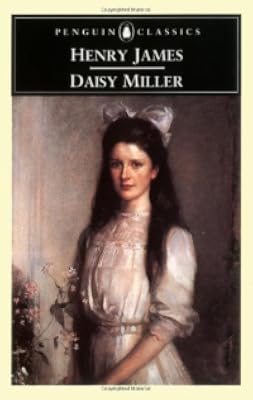
Daisy Miller
by Henry James
On This Page
Description
A beautiful American girl, Daisy Miller, is pursued by the sophisticated Winterbourne, who moves in fairly conservative circles. Their courtship is frowned upon by the other Americans they meet in Switzerland and Italy because Daisy is too vivacious and flirtatious and neither belongs to, nor follows the rules of, their society. The novella is a comment on American and European attitudes towards each other and on social and cultural prejudice..
Tags
Recommendations




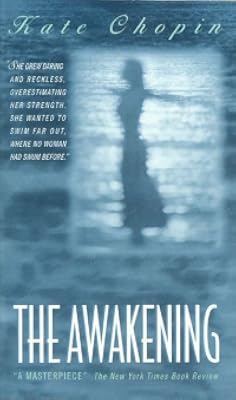


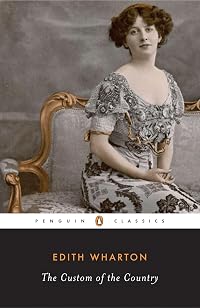


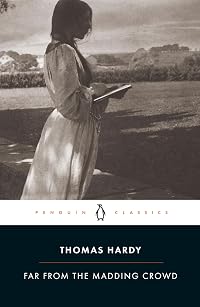

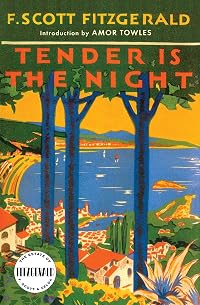














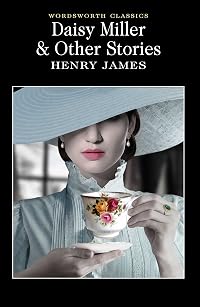

Member Recommendations

Member Reviews
A very short novella, set - like much of Henry James' work - among a group of Americans in Europe. Young Winterbourne meets Daisy Miller in a hotel garden. He knows perfectly well that it is inappropriate for him to speak to a young lady that he has not been introduced to. But Daisy seems as fresh as her name, and she is very beautiful, so perhaps he can get away with it.
As his acquaintanceship with Daisy progresses, she puzzles him more and more. I’m not sure if this is too modern a reading, but as I saw Daisy through Winterbourne's eyes, I concluded that he had a very binary definition of womanhood in his mind - there are the young innocent girls who blush to be addressed by a man, or the coquettes who are conscious of every show more flirtatious move they make. Daisy on the other hand ignores the social conventions, but does not do so in a deliberately daring way. So he sees her as "inscrutable combination of audacity and innocence", and cannot make up his mind about the most appropriate way to interact with her.
The language in this was a lot simpler than I expected (last year I wrestled for a while with The Turn of the Screw). But the story is deceptively complex. I read this as part of a group read, and I am glad I did, because the discussion helped me to see greater depths in the novel, and certainly to question the viewpoint of Winterbourne much more.
Mr Giovanelli had certainly a very pretty face; but Winterbourne felt a superior indignation at his own lovely fellow-countrywoman's not knowing the difference between a spurious gentleman and a real one. Giovanelli chattered and jested and made himself wonderfully agreeable. It was true that if he was an imitation the imitation was very skilful. 'Nevertheless,' Winterbourne said to himself, 'a nice girl ought to know!' And then he came back to the question whether this was in fact a nice girl. show less
As his acquaintanceship with Daisy progresses, she puzzles him more and more. I’m not sure if this is too modern a reading, but as I saw Daisy through Winterbourne's eyes, I concluded that he had a very binary definition of womanhood in his mind - there are the young innocent girls who blush to be addressed by a man, or the coquettes who are conscious of every show more flirtatious move they make. Daisy on the other hand ignores the social conventions, but does not do so in a deliberately daring way. So he sees her as "inscrutable combination of audacity and innocence", and cannot make up his mind about the most appropriate way to interact with her.
The language in this was a lot simpler than I expected (last year I wrestled for a while with The Turn of the Screw). But the story is deceptively complex. I read this as part of a group read, and I am glad I did, because the discussion helped me to see greater depths in the novel, and certainly to question the viewpoint of Winterbourne much more.
Mr Giovanelli had certainly a very pretty face; but Winterbourne felt a superior indignation at his own lovely fellow-countrywoman's not knowing the difference between a spurious gentleman and a real one. Giovanelli chattered and jested and made himself wonderfully agreeable. It was true that if he was an imitation the imitation was very skilful. 'Nevertheless,' Winterbourne said to himself, 'a nice girl ought to know!' And then he came back to the question whether this was in fact a nice girl. show less
The plot is simply told: while touring Europe, an eligible young bachelor, Winterbourne, an American who has spent almost his whole life in Geneva, finds himself attracted to the beautiful, nouveau riche American tourist Daisy Miller. Within a few sentences, the conflict emerges: while he is guarded and conservative, she is brash and even coarse. Does she flout social convention because she’s too innocent to recognize it, or simply because she refuses to be bound by it?
James depicts Daisy as a sort of adult child: beautiful, possessing a sophisticated eye for style, but also impetuous, naïve and plain-spoken in the way children are before they are taught by their elders to dissemble. While modern readers may be put off by her show more coarseness (treating servants as equals, making plans to travel with gentleman sans chaperone, etc.), I believe James means us to admire her self-confidence and courage. Many of his novels pit “brash” Americans against “conventional” European characters in a way that clearly indicates his preference for the former. Daisy’s fatal flaw isn’t that she scorns the rules of society, he seems to say, but that she isn’t aware of them; and that when she is made aware of them, she refuses to acknowledge the validity of being judged by them. As Daisy herself says in one pivotal scene: “If [I] am all improper, [then] you must give me up.”
This being James, you know not to expect a happy ending, nor does James give us one. Winterbourne, bowing to the prejudices of his snobbish aunt (plus a measure of jealousy, James implies), overmasters his affection and convinces himself to give Daisy up as unworthy of his regard. Whereupon Daisy catches “Roman fever,” sickens, and dies. Significantly, her final words are an avowal of her innocence, an avowal which her "scandalous" male companion Giovanni, endearingly resigned to having been “friend-zoned” by the lovely American girl, confirms when he assures Winterbourne, “She was the most innocent.” James at his most manipulative, offering us a final chance to contrast Daisy’s strength – her determination to remain herself to the end - against Winterbourne’s weakness – his decision to shun her. Ultimately, the lesson seems to be that while Daisy is destroyed by her own innocence, Winterbourne’s chance of happiness is destroyed too, by his inability to accept her on her own terms. As Winterbourne sums up in the final pages: “I was booked to make a mistake. I have lived too long in foreign parts.”
If you’ve been hesitant to take on Henry James, this isn’t a bad place to start. Daisy Miller is short (~100 pages, depending on edition), introduces many of the themes that appear in James’ subsequent works, and – perhaps most importantly, provides the new reader a chance to acclimate themselves to what one might call the “classic Jamesian denoument,” in which no one lives happily ever after and the reader resigns themselves to living with ambiguity. show less
James depicts Daisy as a sort of adult child: beautiful, possessing a sophisticated eye for style, but also impetuous, naïve and plain-spoken in the way children are before they are taught by their elders to dissemble. While modern readers may be put off by her show more coarseness (treating servants as equals, making plans to travel with gentleman sans chaperone, etc.), I believe James means us to admire her self-confidence and courage. Many of his novels pit “brash” Americans against “conventional” European characters in a way that clearly indicates his preference for the former. Daisy’s fatal flaw isn’t that she scorns the rules of society, he seems to say, but that she isn’t aware of them; and that when she is made aware of them, she refuses to acknowledge the validity of being judged by them. As Daisy herself says in one pivotal scene: “If [I] am all improper, [then] you must give me up.”
This being James, you know not to expect a happy ending, nor does James give us one. Winterbourne, bowing to the prejudices of his snobbish aunt (plus a measure of jealousy, James implies), overmasters his affection and convinces himself to give Daisy up as unworthy of his regard. Whereupon Daisy catches “Roman fever,” sickens, and dies. Significantly, her final words are an avowal of her innocence, an avowal which her "scandalous" male companion Giovanni, endearingly resigned to having been “friend-zoned” by the lovely American girl, confirms when he assures Winterbourne, “She was the most innocent.” James at his most manipulative, offering us a final chance to contrast Daisy’s strength – her determination to remain herself to the end - against Winterbourne’s weakness – his decision to shun her. Ultimately, the lesson seems to be that while Daisy is destroyed by her own innocence, Winterbourne’s chance of happiness is destroyed too, by his inability to accept her on her own terms. As Winterbourne sums up in the final pages: “I was booked to make a mistake. I have lived too long in foreign parts.”
If you’ve been hesitant to take on Henry James, this isn’t a bad place to start. Daisy Miller is short (~100 pages, depending on edition), introduces many of the themes that appear in James’ subsequent works, and – perhaps most importantly, provides the new reader a chance to acclimate themselves to what one might call the “classic Jamesian denoument,” in which no one lives happily ever after and the reader resigns themselves to living with ambiguity. show less
A 19th century tale of an innocent, brash young American girl ("very pretty" we are frequently told) in Europe who is seemingly oblivious to the strict standards of behavior that society circles expect, acting as she pleases with whom she pleases, fascinating and confusing her admirer/critic Winterbourne, and scandalizing others of her strata.
The story is more humorous than I had expected, knowing its theme and tragic end before beforehand, and I quite enjoyed it. Seeing the story as an allegory of a young American nation that is more carefree and perhaps egalitarian than its stodgy, class-ridden European elders adds a thought-provoking dimension.
The ending, of course, is a bit unfortunate to the contemporary mind. The young woman who show more dares to have her own mind and her own will is made to die as a direct result of those characteristics. However I don't think James intended this as a negative comment on women's independence or strong willed behavior or such, but rather as a device to affect Winterbourne's opinion of Daisy, as he confesses in the end, after much thought, of having done her an injustice in coming to a negative opinion of her character.
Finally, love this:
"I've offered you excellent advice," the young man permitted himself to growl.
"I prefer weak tea!" cried Daisy, and she went off with the brilliant Giovanelli. show less
The story is more humorous than I had expected, knowing its theme and tragic end before beforehand, and I quite enjoyed it. Seeing the story as an allegory of a young American nation that is more carefree and perhaps egalitarian than its stodgy, class-ridden European elders adds a thought-provoking dimension.
The ending, of course, is a bit unfortunate to the contemporary mind. The young woman who show more dares to have her own mind and her own will is made to die as a direct result of those characteristics. However I don't think James intended this as a negative comment on women's independence or strong willed behavior or such, but rather as a device to affect Winterbourne's opinion of Daisy, as he confesses in the end, after much thought, of having done her an injustice in coming to a negative opinion of her character.
Finally, love this:
"I've offered you excellent advice," the young man permitted himself to growl.
"I prefer weak tea!" cried Daisy, and she went off with the brilliant Giovanelli. show less
I think Daisy Miller can be summed up in one simple question: Do you want to fit in with society or do you want to be happy? Unfortunately, it's usually impossible to do both well -- no matter what era of history you've lived in.
Daisy is my current favorite heroine. Like Winterbourne's first impression, I find her openness and realness refreshing. Mrs Costello’s self-righteous snootiness toward Daisy’s family makes me proud to be an average American girl.
At first I asked myself, "Is Daisy somewhat of an Elizabeth Bennet who ignores social convention when it conflicts with her own heart? Is she that deep?" Later I decided she's more of a Lydia --- which isn't all bad.
This story confirms what I’ve often thought— that much of show more Victorian era stuffiness is blamed on the men, but was actually often perpetuated by women.
How different this story would have been had Winterbourne gone with his first instincts and chosen not to judge someone based on the opinions of others.
Throughout the story, the reader second guesses Daisy at every turn. Is she as innocent as she seems? Is she purposefully causing offense to society and embarrassing her fellow Americans intentionally? In a response letter to author E. Lynn Linton, James attempts to settle a dispute between friends by confirming that his character, Daisy, was innocent. He says,
"The whole idea of the story is the little tragedy of a light, thin, natural, unsuspecting creature being sacrificed, as it were, to a social rumpus that went on quite over her head & to which she stood in no measurable relation." show less
Daisy is my current favorite heroine. Like Winterbourne's first impression, I find her openness and realness refreshing. Mrs Costello’s self-righteous snootiness toward Daisy’s family makes me proud to be an average American girl.
At first I asked myself, "Is Daisy somewhat of an Elizabeth Bennet who ignores social convention when it conflicts with her own heart? Is she that deep?" Later I decided she's more of a Lydia --- which isn't all bad.
This story confirms what I’ve often thought— that much of show more Victorian era stuffiness is blamed on the men, but was actually often perpetuated by women.
How different this story would have been had Winterbourne gone with his first instincts and chosen not to judge someone based on the opinions of others.
Throughout the story, the reader second guesses Daisy at every turn. Is she as innocent as she seems? Is she purposefully causing offense to society and embarrassing her fellow Americans intentionally? In a response letter to author E. Lynn Linton, James attempts to settle a dispute between friends by confirming that his character, Daisy, was innocent. He says,
"The whole idea of the story is the little tragedy of a light, thin, natural, unsuspecting creature being sacrificed, as it were, to a social rumpus that went on quite over her head & to which she stood in no measurable relation." show less
The character Daisy Miller presents a bit of a mystery, appearing aloof from society's impressions and entirely uncaring. This perception is more than half the fault of the narrator, as it turns out, who is American by birth but has become European by habit. There's an autobiographical element to this novella since James himself was accused by his brother of having become too European in his outlook. It's probably the easiest read I've encountered so far among James' repertoire, not very indicative of his style in general, but the theme of American versus European society will occur again.
He remembered that a cynical compatriot has once told him that American women - the pretty ones, and this gave a largeness to the axiom - were at once the most exacting in the world and the least endowed with a sense of indebtedness. Page 32
Daisy Miller is an young woman from Schenectady, New York, on vacation with her family to Vevay Switzerland. From the beginning, her actions, her thoughts, and her words sets her apart from European society and their definition of acceptable social conduct. Her carefree and uninhibited nature sets her at odds with those around her and in the end leads to catastrophic and irreversible consequences.
I appreciated James social commentary on the differences between American and English society and how show more someone who is unfamiliar with one or the other will inevitably find themselves treading dangerous territory. Daisy as a character is intriguing in that you can definitely see how ahead of the times she is and simultaneously how ahead of the the times, James is as a writer in the mid to late 19 century. Her pushing of boundaries in what society deems as proper and right and her insistence to go her own way oddly reflects the spirit of freedom that we applaud and advocate for women today. Some have complained about the tendency for James to be verbose and longwinded with this writing, but at novella length, I barely noticed that flaw with Daisy Miller. If anything, this little book was just an exercise in warming up the pen for his later works and with that, Daisy Miller has given me the confidence to explore Henry James' other novels. show less
Daisy Miller is an young woman from Schenectady, New York, on vacation with her family to Vevay Switzerland. From the beginning, her actions, her thoughts, and her words sets her apart from European society and their definition of acceptable social conduct. Her carefree and uninhibited nature sets her at odds with those around her and in the end leads to catastrophic and irreversible consequences.
I appreciated James social commentary on the differences between American and English society and how show more someone who is unfamiliar with one or the other will inevitably find themselves treading dangerous territory. Daisy as a character is intriguing in that you can definitely see how ahead of the times she is and simultaneously how ahead of the the times, James is as a writer in the mid to late 19 century. Her pushing of boundaries in what society deems as proper and right and her insistence to go her own way oddly reflects the spirit of freedom that we applaud and advocate for women today. Some have complained about the tendency for James to be verbose and longwinded with this writing, but at novella length, I barely noticed that flaw with Daisy Miller. If anything, this little book was just an exercise in warming up the pen for his later works and with that, Daisy Miller has given me the confidence to explore Henry James' other novels. show less
Early work of the colossal Henry James, and a great introduction to his recurring themes: Americans in Europe; independent women; and dyspepsia. James himself seemed to spend more time in Europe than in his country of birth, and appears (from his letters) to have battled dyspepsia and anxiety throughout his life, so it's no wonder these themes permeate his work. At the forefront of his oeuvre, however, is the conflict that ensues when a gentlemen projects (then) standard conventions and expectations on a young woman who spurns them all. This is captured beautifully in this brief exchange from this novella:
(Daisy Miller) "I've never allowed a gentleman to dictate to me or to interfere with anything I do."
(Mr. Winterbourne) "I think show more that's just where your mistake has come in...." show less
(Daisy Miller) "I've never allowed a gentleman to dictate to me or to interfere with anything I do."
(Mr. Winterbourne) "I think show more that's just where your mistake has come in...." show less
Members
- Recently Added By
Lists

Favourite 19th century fiction
257 works; 62 members

Books Set in Italy
167 works; 19 members

Women's Stories
88 works; 13 members

Female Protagonist
1,056 works; 57 members

Best Books About Journeys and Quests
117 works; 30 members

Favourite Books
1,820 works; 308 members

Books Featured on Gilmore Girls
307 works; 21 members

Short and Sweet
246 works; 24 members

Out of Copyright
244 works; 14 members
19th Century
190 works; 16 members

Western World's Greatest Books - Project Gutenberg
295 works; 15 members
Daria Morgendorffer's Bookshelf
70 works; 5 members
Literature About Women and Girls
426 works; 41 members

Rory Gilmore Book Club
193 works; 5 members

Books Read in 2014
2,344 works; 89 members

Newark Public Library's 1904 List of a Thousand of the Best Novels
98 works; 5 members
Victorian Period
113 works; 10 members
100 World Classics
99 works; 15 members
Books with a Character's Name as the Title
130 works; 10 members
Fiction with Women's Names in the Title
378 works; 15 members

Europe
205 works; 6 members

1870s
15 works; 2 members
Trinity College Booklist (1951): Class Ten, English Literature
358 works; 5 members

Books Read in 2022
5,226 works; 112 members

Books Set in Rome
98 works; 2 members

American Lit for Eng 11 Research Project
368 works; 6 members

Americans Abroad
11 works; 6 members

AP Lit
363 works; 6 members

2023 Reads
26 works; 1 member

Recommended Reading : 600 Classics Reviewed, Editors of Salem Press, 2015
634 works; 6 members
Fiction (Mostly) in Selective Bibliography of American Literature 1775-1900
431 works; 3 members

Books Read in 2021
5,361 works; 114 members

Books Read in 2018
4,360 works; 110 members

Tagged 19th Century
104 works; 7 members

Global Reads: Books Set in Western Europe
186 works; 10 members

Literary Works Read in College
316 works; 15 members

Reading LIst
648 works; 1 member
Author Information

1,061+ Works 87,953 Members
Some Editions
Awards and Honors
Series
Belongs to Publisher Series
Work Relationships
Is contained in
The Golden Bowl | The Portrait of a Lady | The Spoils of Poynton and Other Stories by Henry James (indirect)
Daisy Miller | Washington Square | Portrait of a Lady | The Bostonians | The Aspern Papers by Henry James
The Europeans | Daisy Miller | Washington Square | The Aspern Papers | The Turn of the Screw | The Portrait of a Lady by Henry James
Is retold in
Has the adaptation
Is abridged in
Has as a study
Has as a commentary on the text
Has as a student's study guide
Common Knowledge
- Canonical title*
- Daisy Miller
- Original title
- Daisy Miller
- Alternate titles
- Daisy Miller: a study
- Original publication date
- 1878-07 (novel) (novel); 1883 (play) (play)
- People/Characters
- Daisy Miller; Frederick Winterbourne; Randolph Miller; Mrs Costello; Mrs Miller; Mr Giovanelli (show all 7); Mrs Walker
- Important places
- Rome, Italy; Vevey, Vaud, Switzerland
- Related movies*
- Daisy Miller. Peter Bogdanovich. 1974
- First words
- At the little town of Vevey, in Switzerland, there is a particularly
comfortable hotel. - Last words
- (Click to show. Warning: May contain spoilers.)Nevertheless, he went back to live at Geneva, whence there continue to
come the most contradictory accounts of his motives of sojourn: a report
that he is "studying" hard--an intimation that he is much interested in
a very clever foreign lady. - Original language
- English
- Disambiguation notice
- This work is the main work for Daisy Miller, by Henry James. It should not be combined with omnibus editions that contain Daisy Miller with other works; work-to-work relationships indicate that informatio... (show all)n.
*Some information comes from Common Knowledge in other languages. Click "Edit" for more information.
Classifications
Statistics
- Members
- 4,010
- Popularity
- 3,919
- Reviews
- 91
- Rating
- (3.42)
- Languages
- 14 — Czech, Danish, Dutch, English, Estonian, French, German, Italian, Norwegian (Nynorsk), Portuguese, Romanian, Spanish, Swedish, Turkish
- Media
- Paper, Audiobook, Ebook
- ISBNs
- 288
- UPCs
- 1
- ASINs
- 92