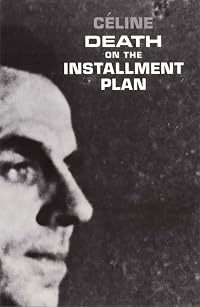
Death on Credit
by Louis-Ferdinand Céline
On This Page
Description
Death on the Installment Plan is a companion volume to Louis-Ferdinand Céline's earlier novel, Journey to the End of the Night. Published in rapid succession in the middle 1930s, these two books shocked European literature and world consciousness. Nominally fiction but more rightly called "creative confessions," they told of the author's childhood in excoriating Paris slums, of service in the mud wastes of World War I and African jungles. Mixing unmitigated despair with Gargantuan comedy, show more they also created a new style, in which invective and obscenity were laced with phrases of unforgettable poetry. Céline's influence revolutionized the contemporary approach to fiction. Under a cloud for a period, his work is now acknowledged as the forerunner of today's "black humor." show lessTags
Recommendations










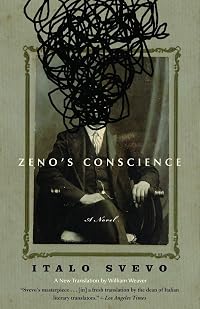
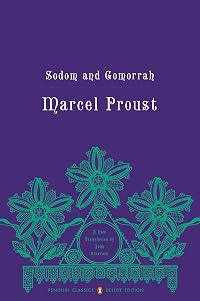

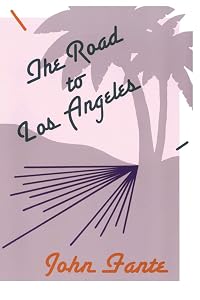
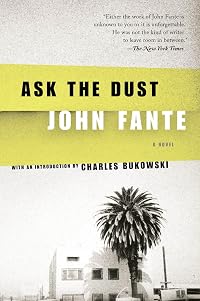
Member Recommendations
Member Reviews
Céline hates with the intensity, the narrowness, and the purity of the Large Hadron Collider's accelerated particles. It is not comfortable to encounter this in my old age; I was receptive to it in my own Age of Rage, though, and was well-served by reading the bitter and bilious thing then.
If you haven't been here before middle age, I wouldn't advise making the trip.
If you haven't been here before middle age, I wouldn't advise making the trip.
This is about as bad as Journey to the End of the Night was good. I knew of Charles Bukowski's admiration for Celine, but I recently came across another Bukowski quote that it was only for "Journey"--not for anything else. Well, I haven't read anything else, but I have now read this book, his other most famous work, and what a disappointment! Whereas Journey goes from one outrageous thing to the next and moves all over the place, this book, after a somewhat promising beginning, settles down to the interminable story of the protagonist's (Ferdinand's) involvement with an inventor/writer, whose crazy money-making schemes lead to one disaster after another. I'm sure this is all supposed to be funny, but it isn't very. The book manages to show more pick up a bit toward the end with a series of disasters, followed by an ambiguous ending. I'm left with the feeling that I need to rid the house of this book as soon as I can--before it affects anything on the shelf close to it. BookCrossing, here it comes. show less
I enjoyed Journey to the End of the Night, the only other Céline I've read, but it frequently struck me as dry and cold at times. Not deliberately so, as in a Camus or Houellebecq novel, but in the kind of abstract way that marks an author who's not fully engaged with what he's putting on the page, or is a bit unsure what he's trying to communicate. Well, this pseudo-sequel is as far removed from that kind of literature as you could ask for - absolutely bursting with every kind of nasty, seedy, disgusting, abhorrent aspect of human behavior you could dream of. I haven't read a book that so revels in filth to the same degree in a long time, maybe ever. Reading it is less a process of bloodlessly analyzing the show more language/syntax/diction/tone like your high school English teachers tried to beat into you, and more about inhaling the impossibly appalling phantasmagoria of lust, greed, idiocy, malevolence, and every other ugly side of humanity there is, all layered under as many thick puddles of every gross bodily waste product Céline could think of (and as he was a doctor in real life, that's quite a lot). It's great.
However, as entertaining as it is to read about tumultuous sea passages where everyone vomits all over each other, numerous scenes about wallowing around in the mud, or lovingly detailed descriptions of oozing, pustulent venereal diseases, relayed in a breathless, ellipsis-ridden voice of urgency that Céline never managed in Journey to the End of the Night, the best aspect of the book to me is how unflinching his alter-ego narrator Ferdinand is in recounting all this stuff. The earlier book was a cool, detached intellectual peering at the world and finding it philosophically wanting; this one is a gleeful, enthusiastic misanthrope almost overjoyed at how much bitter pain and misery you can find in this ridiculous, insane world of cruelty and savagery. The first half of the book is nearly flawless in that respect, as Ferdinand bounces back and forth between terrible jobs, a miserable education, endless fights with his parents, his bailout by a relative, and above all his lacerating sense of shame at his own multitudinous character flaws. However, the second half steps back in intensity a bit and is dominated by a (relatively) slow-moving subplot about the one semi-stable job he's able to find, which doesn't move as fast and doesn't offer the same rapid parade of horrors that the first half did. As an example, here's an excerpt from when he's enduring a harangue about radishes from the hot air balloon/crackpot science enthusiast he's been the assistant to:
"Compare, Ferdinand, compare. I'm not trying to influence you. Decide for yourself ... I don't know what Madame des Pereires may have been telling you ... but just take a look ... Scrutinize them ... Feel their weight! ... Don't let anything cloud your judgment ... The big one is mine! Thanks to tellurism! Look at it. His, without tellurism, infinitesimal! Compare! That's all! I add nothing! Why confuse you? ... What interests me is conclusions! Conclusions! ... What can be done ... what must be done ... with tellurism ... And mark my words, in this field, so inhospitable in its texture, all I have to work with is a mere telluric auxiliary! ... Auxiliary, I repeat! ... Not the big 'Tornado' model ... Of course, I must add, there are certain all-important requirements ... The roots have to be bearing roots! Ah yes, bearing roots! And the soil has to be 'ferro-calcic' ... if possible with a certain magnesium content ... Otherwise you won't get anywhere ... So now judge for yourself ... You understand? No? ... You don't understand? ... You're like her ... You understand nothing! ... Yes, yes, exactly! You're blind, both of you! But what about that big radish? You see it, don't you? Right there in the palm of your hand? And the little one? You see it too, don't you? Stunted! Dwarfed! This miserable puny radish! ... A radish is a perfectly simple matter, isn't it? No, it's not simple? Ah, you disarm me! ... And a giant radish, Ferdinand? Imagine an enormous radish! ... Say as big as your head! ... Suppose I take this ludicrous little radish and blow it up to enormous size with telluric blasts ... Well? Like a balloon! Ah? And suppose I make a hundred thousand of them ... a hundred thousand radishes! More and more voluminous! ... And each year as many as I please ... Five hundred thousand ... enormous radishes! ... As big as pears! ... As big as pumpkins! ... Radishes such as nobody has ever seen! ... Why, it's automatic ... I eliminate the small radish ... I wipe small radishes off the face of the earth! ... I corner the market, I erect a monopoly! All your measly undersized vegetables are finished! Unthinkable! Through! All these baubles! These small-fry! No more tiny bunches! No more piddling shipments! If they keep, it's only by miracle ... It's wasteful, my friend ... anachronistic ... shameful! ... Enormous radishes, that's what I want to see! And here's our slogan: The future belongs to the radish ... my radish ... And what's going to stand in my way? ... My market? The whole world! ... Is my radish nutritious? Tremendously! ... Radish flour is fifty percent richer than the other kind ... 'Radicious bread' for the army! ... Far superior to all the wheat of Australia! ... The analyses bear me out! ... Well, what do you think of it? ... Is it beginning to dawn on you? You're not interested! Neither is she ... But I am ... If I devote myself to the radish ... I'm only taking the radish as an example, I might have chosen the turnip ... But let's take the radish! The shock value will be greater. So there you are! I'm going into it! To the hilt! ... to the hilt, do you hear ... You catch my meaning?"
The rant is sort of funny, even more so in context, but like I said, the real value in the book is in how absolutely bleak and nasty Céline's vision of humanity is, how the irredeemable majority's vices and bad character overwhelm even the best efforts of the well-intentioned minority, and the ultimate futility of everything. If you like reading about the greedy, lecherous, ignorant, ungrateful, disreputable side of humanity, in a style that's less a narration than an inundation, this is the book for you. show less
However, as entertaining as it is to read about tumultuous sea passages where everyone vomits all over each other, numerous scenes about wallowing around in the mud, or lovingly detailed descriptions of oozing, pustulent venereal diseases, relayed in a breathless, ellipsis-ridden voice of urgency that Céline never managed in Journey to the End of the Night, the best aspect of the book to me is how unflinching his alter-ego narrator Ferdinand is in recounting all this stuff. The earlier book was a cool, detached intellectual peering at the world and finding it philosophically wanting; this one is a gleeful, enthusiastic misanthrope almost overjoyed at how much bitter pain and misery you can find in this ridiculous, insane world of cruelty and savagery. The first half of the book is nearly flawless in that respect, as Ferdinand bounces back and forth between terrible jobs, a miserable education, endless fights with his parents, his bailout by a relative, and above all his lacerating sense of shame at his own multitudinous character flaws. However, the second half steps back in intensity a bit and is dominated by a (relatively) slow-moving subplot about the one semi-stable job he's able to find, which doesn't move as fast and doesn't offer the same rapid parade of horrors that the first half did. As an example, here's an excerpt from when he's enduring a harangue about radishes from the hot air balloon/crackpot science enthusiast he's been the assistant to:
"Compare, Ferdinand, compare. I'm not trying to influence you. Decide for yourself ... I don't know what Madame des Pereires may have been telling you ... but just take a look ... Scrutinize them ... Feel their weight! ... Don't let anything cloud your judgment ... The big one is mine! Thanks to tellurism! Look at it. His, without tellurism, infinitesimal! Compare! That's all! I add nothing! Why confuse you? ... What interests me is conclusions! Conclusions! ... What can be done ... what must be done ... with tellurism ... And mark my words, in this field, so inhospitable in its texture, all I have to work with is a mere telluric auxiliary! ... Auxiliary, I repeat! ... Not the big 'Tornado' model ... Of course, I must add, there are certain all-important requirements ... The roots have to be bearing roots! Ah yes, bearing roots! And the soil has to be 'ferro-calcic' ... if possible with a certain magnesium content ... Otherwise you won't get anywhere ... So now judge for yourself ... You understand? No? ... You don't understand? ... You're like her ... You understand nothing! ... Yes, yes, exactly! You're blind, both of you! But what about that big radish? You see it, don't you? Right there in the palm of your hand? And the little one? You see it too, don't you? Stunted! Dwarfed! This miserable puny radish! ... A radish is a perfectly simple matter, isn't it? No, it's not simple? Ah, you disarm me! ... And a giant radish, Ferdinand? Imagine an enormous radish! ... Say as big as your head! ... Suppose I take this ludicrous little radish and blow it up to enormous size with telluric blasts ... Well? Like a balloon! Ah? And suppose I make a hundred thousand of them ... a hundred thousand radishes! More and more voluminous! ... And each year as many as I please ... Five hundred thousand ... enormous radishes! ... As big as pears! ... As big as pumpkins! ... Radishes such as nobody has ever seen! ... Why, it's automatic ... I eliminate the small radish ... I wipe small radishes off the face of the earth! ... I corner the market, I erect a monopoly! All your measly undersized vegetables are finished! Unthinkable! Through! All these baubles! These small-fry! No more tiny bunches! No more piddling shipments! If they keep, it's only by miracle ... It's wasteful, my friend ... anachronistic ... shameful! ... Enormous radishes, that's what I want to see! And here's our slogan: The future belongs to the radish ... my radish ... And what's going to stand in my way? ... My market? The whole world! ... Is my radish nutritious? Tremendously! ... Radish flour is fifty percent richer than the other kind ... 'Radicious bread' for the army! ... Far superior to all the wheat of Australia! ... The analyses bear me out! ... Well, what do you think of it? ... Is it beginning to dawn on you? You're not interested! Neither is she ... But I am ... If I devote myself to the radish ... I'm only taking the radish as an example, I might have chosen the turnip ... But let's take the radish! The shock value will be greater. So there you are! I'm going into it! To the hilt! ... to the hilt, do you hear ... You catch my meaning?"
The rant is sort of funny, even more so in context, but like I said, the real value in the book is in how absolutely bleak and nasty Céline's vision of humanity is, how the irredeemable majority's vices and bad character overwhelm even the best efforts of the well-intentioned minority, and the ultimate futility of everything. If you like reading about the greedy, lecherous, ignorant, ungrateful, disreputable side of humanity, in a style that's less a narration than an inundation, this is the book for you. show less
Ha a regény olyasféle tudatos konstrukció, amiben a cselekmény az író által irányított módon tart A pontból B-be, progresszívebben szólva: ha a regényírás mércéje az, hogy az alkotó mennyire képes uralma alá hajtani a szöveget – nos, akkor Céline nem jó regényíró. Viszont tud valamit, ami nem kevésbé fontos: képes indulatait olyan mondatfüzérekké transzformálni, hogy azok megőrzik és frissen tartják indulattartalmukat. Tökéletesen kitapintható marad bennük a harag, a felháborodás és az undor. Céline úgy látja a társadalmat, mintha egy különösen elhanyagolt, levedző szifiliszfertőzés lenne: az emberek összehánynak, összeszarnak, összevizelnek mindent e könyv lapjain, talán show more mert a szerző csak ezekkel a naturálisan ábrázolt testi funkciókkal képes érzékeltetni megvetését irántuk. Nem azt mondom, hogy nincs a Céline-hősökben egy szemernyi empátia sem – de ez az empátia nélkülözi a tisztelet vagy a szeretet minden formáját, így szükségképpen csonka marad.
(És itt hadd pszichologizáljak egy jóízűt, zárójelbe szorítva: nem is csoda, ha valaki, akinek indulatai ennyire kontrollálatlanul áradnak minden irányba, végül az ordas eszmék erdejében köt ki. Mert ez az eszme felkínál neki egy egyszerű, vonzó választ arra, hogy miért gennyes kelés a lét, és ki ezért a felelős. Hogyne kapna egy ilyen ördögi ajánlaton?)
A nyelv, nos, valóban káprázatos. Igaz ugyan, hogy Céline felhasználja a francia irodalom teljes pontpontpont- és felkiáltójelkészletét nagyjából 300 évre előre (és ez picit idegesít), de ez adja meg azt a túlfűtött töredezettséget, azt az élőbeszédszerű hitelességet, amit egyszerűen nem lehet a szerzőben nem bámulni. Sőt: szeretni. Mert ugye én az Utazás az éjszaka mélyére-t szerettem. Imádtam. Szívem mellett őriztem arany kalitkában – bár a bezártságot rosszul tűrte, így elengedtem végül. Ám ezzel a szöveggel nem tudtam megbarátkozni. Oldalakon keresztül sorjáznak benne a kényszeres szitoklavinák, különösebb funkció nélkül – Tourette-szindrómás irodalom. Komplett bekezdéseket lehet átugrani úgy, hogy semmiről sem maradunk le, mert igazából nincs is cselekmény: hosszúra nyújtott jelenetek vannak, amelyek mind az ember ocsmány voltát hivatottak illusztrálni*. „Ebben a regényben ér el pályája zenitjére a szerző”, állítja a hátsó borító, de én pironkodva megmaradok a magam konvencionális, együgyű véleményénél: az Utazás... ennél sokkal jobb regény.
* Hozzáteszem, a kötet második fele - ami szerintem egyértelműen erősebb az elsőnél - nem csak az ember ocsmány voltát, hanem az ember ocsmány ÉS nevetséges voltát is illusztrálni akarja, ami gazdagabb szöveget is eredményez. show less
(És itt hadd pszichologizáljak egy jóízűt, zárójelbe szorítva: nem is csoda, ha valaki, akinek indulatai ennyire kontrollálatlanul áradnak minden irányba, végül az ordas eszmék erdejében köt ki. Mert ez az eszme felkínál neki egy egyszerű, vonzó választ arra, hogy miért gennyes kelés a lét, és ki ezért a felelős. Hogyne kapna egy ilyen ördögi ajánlaton?)
A nyelv, nos, valóban káprázatos. Igaz ugyan, hogy Céline felhasználja a francia irodalom teljes pontpontpont- és felkiáltójelkészletét nagyjából 300 évre előre (és ez picit idegesít), de ez adja meg azt a túlfűtött töredezettséget, azt az élőbeszédszerű hitelességet, amit egyszerűen nem lehet a szerzőben nem bámulni. Sőt: szeretni. Mert ugye én az Utazás az éjszaka mélyére-t szerettem. Imádtam. Szívem mellett őriztem arany kalitkában – bár a bezártságot rosszul tűrte, így elengedtem végül. Ám ezzel a szöveggel nem tudtam megbarátkozni. Oldalakon keresztül sorjáznak benne a kényszeres szitoklavinák, különösebb funkció nélkül – Tourette-szindrómás irodalom. Komplett bekezdéseket lehet átugrani úgy, hogy semmiről sem maradunk le, mert igazából nincs is cselekmény: hosszúra nyújtott jelenetek vannak, amelyek mind az ember ocsmány voltát hivatottak illusztrálni*. „Ebben a regényben ér el pályája zenitjére a szerző”, állítja a hátsó borító, de én pironkodva megmaradok a magam konvencionális, együgyű véleményénél: az Utazás... ennél sokkal jobb regény.
* Hozzáteszem, a kötet második fele - ami szerintem egyértelműen erősebb az elsőnél - nem csak az ember ocsmány voltát, hanem az ember ocsmány ÉS nevetséges voltát is illusztrálni akarja, ami gazdagabb szöveget is eredményez. show less
This companion to Celine’s Journey to the End of the Night details Ferdinand’s tumultuous youth. He becomes a doctor and a world-class pessimist (“All over the world there are trucks that run over nice people at the rate of one a minute”), but for the entirety of this long book his future looks not even remotely bright. He grows up in Paris with continuously soiled pants. “We were always in such a hurry I never had time to wipe myself properly.” His father rants, raves and has no hope for young Ferdinand. “You could have furnished a dozen loonybins with the contents of his dome.”
Every so often the narrator Ferdinand lets loose with a dream, or hallucination – crazy, fantastic, slightly obscene. Celine artfully mixes show more the scatological with the beautiful, occasionally in the same paragraph. High and low, high and low. Or low, low, low, low, high, low, low.
Finding, and keeping, work is a problem for Ferdinand. Assisting a half-mad inventor/scam artist is one job that suits him, a job that ends in tragedy. Of course he gets room and board, but no pay. There’s an entire novel worth of material in this one section. As that period of his life ends and Ferdinand ponders joining the foreign legion this is where the book ends, soon before Journey to the End of the Night picks up. show less
Every so often the narrator Ferdinand lets loose with a dream, or hallucination – crazy, fantastic, slightly obscene. Celine artfully mixes show more the scatological with the beautiful, occasionally in the same paragraph. High and low, high and low. Or low, low, low, low, high, low, low.
Finding, and keeping, work is a problem for Ferdinand. Assisting a half-mad inventor/scam artist is one job that suits him, a job that ends in tragedy. Of course he gets room and board, but no pay. There’s an entire novel worth of material in this one section. As that period of his life ends and Ferdinand ponders joining the foreign legion this is where the book ends, soon before Journey to the End of the Night picks up. show less
This astonishing work, a neglected classic of high modernism, was urged on me by my friend Ron Kolm -- always a reliable guide when it comes to Continental literature. It is not like any other book I have ever read. Massive, sprawling, obscene, brutal, Death on the Installment Plan tells the loosely autobiographical story of the narrator's youth in the slums of Paris, his time at a boarding school in England, and his apprenticeship to a con man/scientist/inventor named Courtial des Pereires -- one of the great satiric creations of modern literature. Céline's narrative is essentially one immense 588-page outpouring of vitriolic, profane, often scatological inner dialogue, punctuated only by ellipses and infrequent space breaks, a show more stream-of-consciousness that rivals Joyce or Proust in its density and single-mindedness. Its nihilism and relentless energy would be deadening if it weren't for the streak of wild, irreverent humor that runs through even the most desperate and sordid passages of the book. A monumental affair, and not for the faint of heart. show less
In this novel, there is still the wry nihilism that we saw in Journey, however it is infused with the strangest humor. Many others have noted that this novel is simultaneously bleak and hilarious, and that couldn't be more true, Some of the best novels balance those two tones precisely, as Céline certainly does here. I wouldn't say that this is one of the best novels I have read. I would even say that I liked it significantly less than Journey. Still, it contains the same markers of formal innovation and tonal mastery that make Céline great. His clearly autobiographical protagonist is surrounded by such an unbelievably bizarre cast of complete oddballs that I found myself chuckling or smacking my skull at the sheer weirdness of many show more of the situations our narrator finds himself in. The only drawback, though it is a significant one, is that Céline lingers too long on some situations and characters within the book, particularly the time spent with the paranoid balloonist. I could soak in the prose here all day, but perhaps a bit more momentum was needed in some sections of this book. show less
Members
- Recently Added By
Lists

1001 Books You Must Read Before You Die
1,448 works; 1,133 members

Top Five Books of 2022
736 works; 272 members

1930s
262 works; 5 members

Cooper
79 works; 1 member

Books
85 works; 1 member
Author Information

162+ Works 13,567 Members
Louis-Ferdinand Celine was born Louis-Ferdinand Destouches in Courbevoie, France on May 27, 1894. He received his medical degree in 1924 and traveled extensively on medical missions for the League of Nations. In 1928, he opened a practice in a suburb of Paris and wrote in his spare time. His first novel, Journey to the End of Night, was published show more in 1932. His other works include Death on the Installment Plan, Castle to Castle, North, and Rigadoon. A violent anti-Semite, he wrote three pamphlets on the subject: Trifles for a Massacre, School for Corpses, and The Fine Mess. During World War II, he was considered a collaborationist during the German occupation of France. Fearing that he would be charged with the crime, he fled during the Allied liberation of France to Denmark via Germany. In Denmark he was imprisoned for more than a year after French officials charged him with collaboration and demanded his extradition. He returned to France in 1951 after he was granted amnesty by a military tribunal in Paris. He resumed the practice of medicine and continued to write. He died on July 1, 1961. (Bowker Author Biography) show less
Some Editions
Awards and Honors
Series
Belongs to Publisher Series
New Directions Paperbook (330)
Le livre de poche (0295-0296)
Work Relationships
Common Knowledge
- Canonical title
- Death on the Installment Plan; Death on Credit
- Original title
- Mort à crédit; Mort à crédit
- Alternate titles
- Death on Credit
- Original publication date
- 1936
- People/Characters
- Ferdinand Bardamu
- Important places
- Paris, Dieppe, Rochester
- Epigraph*
- Habillez-vous !
Un pantalon!
Souvent trop court, parfois trop long.
Puis veste ronde !
Gilet, chemise et lourd béret
Chaussures qui sur mer feraient
Le tour du Monde !...
Chanson de prison. - First words*
- Nous voici encore seuls. Tout cela est si lent, si lourd, si triste... Bientôt je serai vieux. Et ce sera enfin fini. Il est venu tant de monde dans ma chambre. Ils ont dit des choses. Ils ne m’ont pas dit grand-chose. Ils... (show all) sont partis. Ils sont devenus vieux, misérables et lents chacun dans un coin du monde.
- Quotations
- Elle [ma mère] a tout fait pour que je vive, c’est naître qu’il aurait pas fallu. [p. 55]
Lequel que j’aimerais mieux qu’on tue ? Je crois que c’est encore mon papa. [p. 67] - Last words
- (Click to show. Warning: May contain spoilers.)— Non mon oncle.
- Original language
- French
- Canonical DDC/MDS
- 843.91
*Some information comes from Common Knowledge in other languages. Click "Edit" for more information.
Classifications
Statistics
- Members
- 2,196
- Popularity
- 9,208
- Reviews
- 29
- Rating
- (4.20)
- Languages
- 20 — Catalan, Danish, Dutch, English, Estonian, Finnish, French, German, Greek, Hungarian, Italian, Norwegian (Bokmål), Norwegian, Polish, Portuguese, Romanian, Russian, Spanish, Swedish, Turkish
- Media
- Paper, Audiobook, Ebook
- ISBNs
- 69
- ASINs
- 32