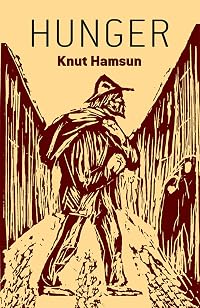
Hunger
by Knut Hamsun
On This Page
Description
A must-read for fans of modernist literature, Hunger is a literary tour de force that was influenced equally by Dostoyevsky and Zola but made new by author Knut Hamsun's unique creative approach. The novel details the descent into near-starvation of a young intellectual and the downward spiral of misadventures he encounters in the course of trying to find food..
Tags
Recommendations
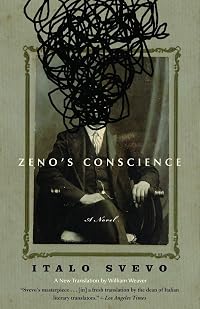
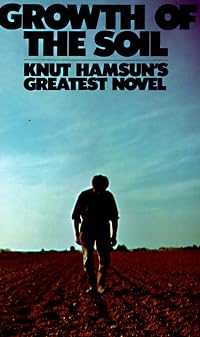
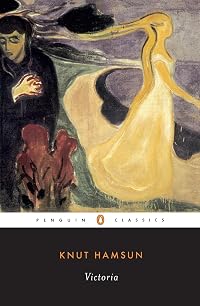
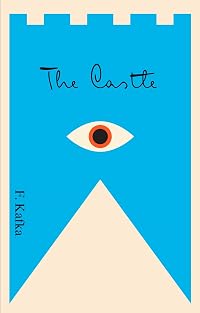

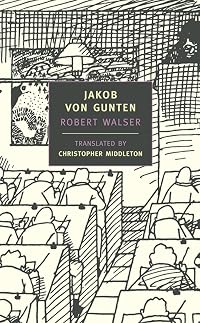
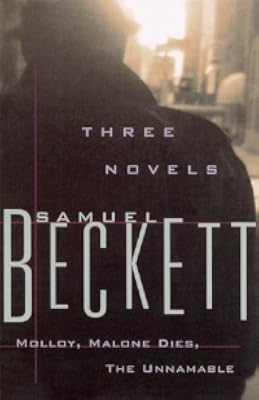
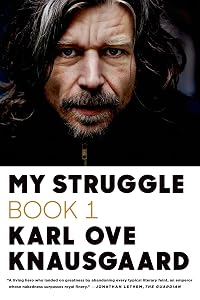

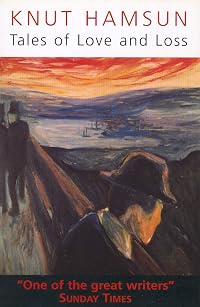






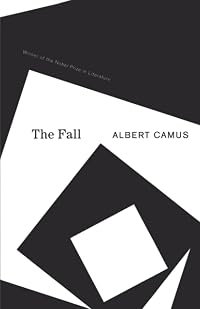
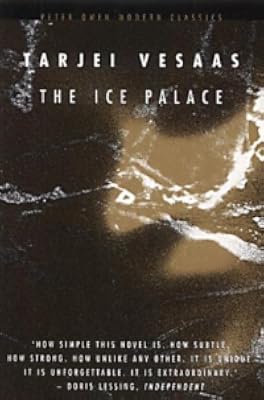
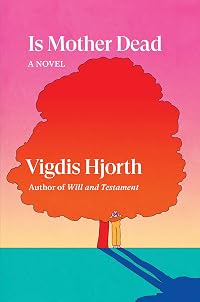
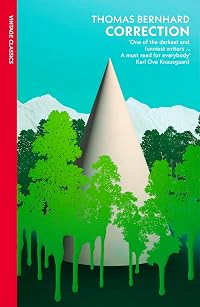

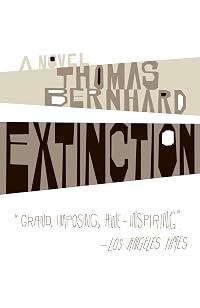
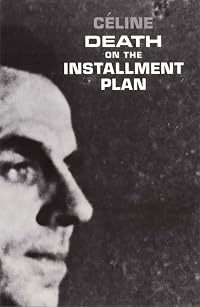
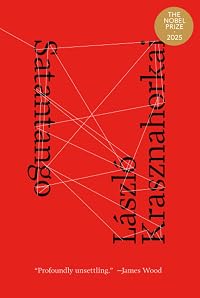
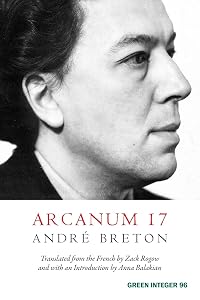

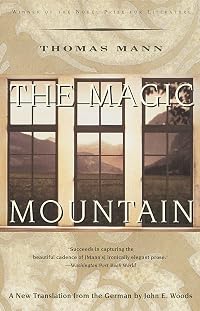
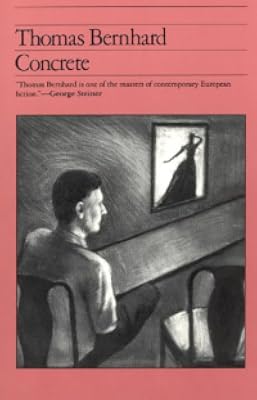

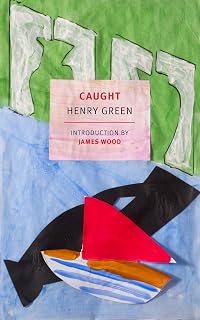
Member Recommendations
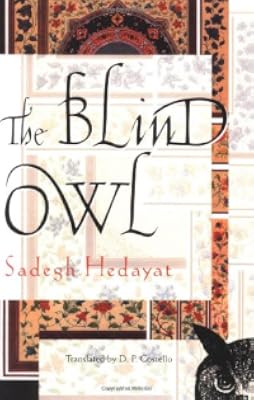
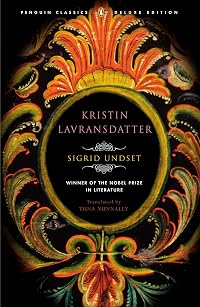
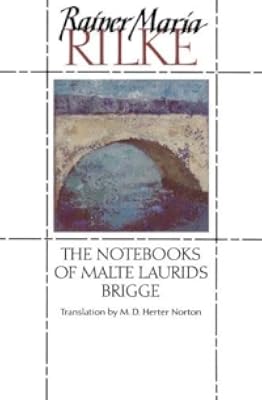
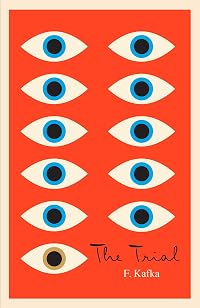
Henrik_Madsen Two books by Scandinavian authors offering a surprinsingly interesting and disturbing insight into unique personalities.




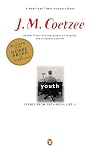
CGlanovsky Fictionalized account of the author's youth struggling to succeed as an artist in the city.
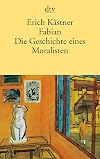
CGlanovsky Well educated, principled man has a variety of experiences and misfortunes in a big city
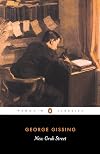
Lirmac A jobbing writer struggles to survive below the poverty line.
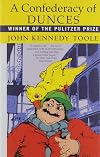
Lirmac A narrator at odds with society – is he a genius or a madman?
Member Reviews
Hunger by Norwegian author Knut Hamsun is a novel originally published in 1890. It is a story driven by the author’s interior commentary, at times angry, at times frustrated, full of despair, exasperation and, of course, hunger. We follow the author as he wanders around the city, living in extreme poverty. At times homeless, we remain firmly planted in the author’s head and learn what happens to the mind when living on the edge, fighting for survival.
He writes of the merciless gnawing in his chest which to me, meant that he knows what it is really like to starve which made for an uncomfortable read. I was disappointed when he would turn down food or money through his pride, and heartbroken, after going without for awhile, he gets a show more proper meal but can’t keep it down. This living on the edge of survival seemed to awaken dark forces and strange thoughts which was disturbing. The main character is in constant conflict with himself as his thoughts bounce from the rational to the irrational.
Basically a work of psychological self-study written in a stream-of-consciousness style in sharp and colorful prose. Hunger was a strong and creative read. show less
He writes of the merciless gnawing in his chest which to me, meant that he knows what it is really like to starve which made for an uncomfortable read. I was disappointed when he would turn down food or money through his pride, and heartbroken, after going without for awhile, he gets a show more proper meal but can’t keep it down. This living on the edge of survival seemed to awaken dark forces and strange thoughts which was disturbing. The main character is in constant conflict with himself as his thoughts bounce from the rational to the irrational.
Basically a work of psychological self-study written in a stream-of-consciousness style in sharp and colorful prose. Hunger was a strong and creative read. show less
Hamsun doesn't offer the contemporary reader an example of poverty. We can go to Zola for that. Naturalism thrive on those dehumanizing conditions. Hunger, instead, offers a poetic interpretation of poverty. This is starvation as resistance. But only so. I found the motivations necessarily complex, bound and retreating. Many can probably relate to that arc swing between defiance and humiliation. Such expository work is often difficult to enjoy, empathy prevents actual pleasure. That isn't the case with Hunger. I found it more a sonata than Solzhenitsyn: that is a compliment to both Hamsun as well as the Russian.
It’s telling that the narrator in Hunger is unnamed, as that choice strongly symbolizes the psychic destruction this character faces throughout the book. Lacking a name, the character lacks a degree of substance, becoming something less than a full character. The lack of a name also suggests the character’s social displacement, being outside of the routines of a life in which it is important to have a name and to be known to others. The latter displacement may be self-imposed to a degree, but it is amplified by the narrator’s actual hunger and the actions it compels him to take.
Food also plays a dual role both, literally, as the sustenance that the narrator needs and, figuratively, as a sustenance for the soul or for the self. show more The lack of food (in the literal sense) causes the narrator to lose his energy, his hair, his health. The figurative loss of food causes the loss of relationships, dignity, and self-worth and that a different. As the narrator laments at a moment when he considers begging for money or food, “you’re too poor to afford a conscience” (82). This is one of those moments when it becomes clear that it costs money to be human and to keep the respect and dignity that goes with it.
The narrator comes to recognize that being poor and hungry and doing what it would take to meet basic needs requires a compromise on the sense of dignity and self-respect that he connects with himself as a writer. Getting past his immediate needs requires submission to those needs, to appear needy, wanting, and willing to open to charity. Doing so would require a sacrifice of dignity, independence, and perhaps a sense of self-worth. And he fights this apparent debasement, which only allows his actual hunger to ravage him further, devouring him, literally and figuratively.
There is a scene in Book 2 where the narrator, in the depths of his hunger and poverty takes delight in folding a piece of paper to look like a money holder. It is empty, of course, a reflection of his poverty, but his delight comes in throwing the paper / his poverty onto the ground, displacing it from him, and in tempting someone to pick it up and take it onto themselves. This is one of a few acts of retaliation about accepting poverty and hunger as a mark of his sense of self. There are also the narrators’ inexplicable acts of magnanimity, giving away money that he needs, giving away possessions, making promises to help others before helping himself, refusing charity when given. In the abstract, all of these acts of self-sabotage seem exasperating, but they also appear to be preserving of the self at the expense of the body.
There is plenty of think about here. This one will stay with me a while. show less
Food also plays a dual role both, literally, as the sustenance that the narrator needs and, figuratively, as a sustenance for the soul or for the self. show more The lack of food (in the literal sense) causes the narrator to lose his energy, his hair, his health. The figurative loss of food causes the loss of relationships, dignity, and self-worth and that a different. As the narrator laments at a moment when he considers begging for money or food, “you’re too poor to afford a conscience” (82). This is one of those moments when it becomes clear that it costs money to be human and to keep the respect and dignity that goes with it.
The narrator comes to recognize that being poor and hungry and doing what it would take to meet basic needs requires a compromise on the sense of dignity and self-respect that he connects with himself as a writer. Getting past his immediate needs requires submission to those needs, to appear needy, wanting, and willing to open to charity. Doing so would require a sacrifice of dignity, independence, and perhaps a sense of self-worth. And he fights this apparent debasement, which only allows his actual hunger to ravage him further, devouring him, literally and figuratively.
There is a scene in Book 2 where the narrator, in the depths of his hunger and poverty takes delight in folding a piece of paper to look like a money holder. It is empty, of course, a reflection of his poverty, but his delight comes in throwing the paper / his poverty onto the ground, displacing it from him, and in tempting someone to pick it up and take it onto themselves. This is one of a few acts of retaliation about accepting poverty and hunger as a mark of his sense of self. There are also the narrators’ inexplicable acts of magnanimity, giving away money that he needs, giving away possessions, making promises to help others before helping himself, refusing charity when given. In the abstract, all of these acts of self-sabotage seem exasperating, but they also appear to be preserving of the self at the expense of the body.
There is plenty of think about here. This one will stay with me a while. show less
"I had to fast. I can’t do anything else. Because I couldn’t find a food which tasted good to me. If I had found that, believe me, I would not have made a spectacle of myself and would have eaten to my heart’s content, like you and everyone else."
...says the titular character of Hamsun fan Franz Kafka's A Hunger Artist. Which reads a bit like one possible interpretation of Hamsun's Hunger - but only one of many.
Hunger is a powerful thing, as our nameless narrator finds out as he drifts through late-19th-century Oslo, starving. Or possibly starving himself. Because as poor as he is, there seems to be either something deliberate or something pathological behind it: he constantly sabotages himself. If he has money, he gives it away show more and starves. If someone offers him money, he puts his nose up and lies that he has everything he needs. He's constantly acting (or telling us he's acting) like a rich nobleman even when he's dirt poor. Why? Since it's all told from his perspective, and he's clearly not all that reliable, we're left to making up our own explanations. Is he too hung up on false ideas of honour, conscience and goodness, or just not true enough to them? Is he representative of a society needing new, harsher ideals (reading it with the foreknowledge that Hamsun went on to support the Nazi occupation of Norway is a tiny bit unsettling) or one needing more compassion (our narrator as Prince Myshkin in a city full of emotionally and physically starved people)? Is he mentally ill? Is he the only sane person in a world of people needing to wake up? Is he Job unto God, Man unto lack of God, bourgeousie unto poverty, poverty unto oppression, art unto prosaicness, what?
And then there's the city he walks through and the people in it. Which even through his fevered, dizzy, and obviously not completely sane eyes comes across as almost hyper-real. And in the middle our narrator, soaking it all in, deliberately taking all the shit upon himself, deliberately going without so that... what? To what purpose? For what greater (or smaller) good?
It's off-putting. It's engrossing. It's hilarious. It's crushingly depressing. And like hunger itself, it's singular; it's a question that's only permanently put to rest by death. You can't ignore it for long, you can't cure it; it devours, and the more you put into it, the more it howls after more.
Hunger is a powerful thing. show less
...says the titular character of Hamsun fan Franz Kafka's A Hunger Artist. Which reads a bit like one possible interpretation of Hamsun's Hunger - but only one of many.
Hunger is a powerful thing, as our nameless narrator finds out as he drifts through late-19th-century Oslo, starving. Or possibly starving himself. Because as poor as he is, there seems to be either something deliberate or something pathological behind it: he constantly sabotages himself. If he has money, he gives it away show more and starves. If someone offers him money, he puts his nose up and lies that he has everything he needs. He's constantly acting (or telling us he's acting) like a rich nobleman even when he's dirt poor. Why? Since it's all told from his perspective, and he's clearly not all that reliable, we're left to making up our own explanations. Is he too hung up on false ideas of honour, conscience and goodness, or just not true enough to them? Is he representative of a society needing new, harsher ideals (reading it with the foreknowledge that Hamsun went on to support the Nazi occupation of Norway is a tiny bit unsettling) or one needing more compassion (our narrator as Prince Myshkin in a city full of emotionally and physically starved people)? Is he mentally ill? Is he the only sane person in a world of people needing to wake up? Is he Job unto God, Man unto lack of God, bourgeousie unto poverty, poverty unto oppression, art unto prosaicness, what?
And then there's the city he walks through and the people in it. Which even through his fevered, dizzy, and obviously not completely sane eyes comes across as almost hyper-real. And in the middle our narrator, soaking it all in, deliberately taking all the shit upon himself, deliberately going without so that... what? To what purpose? For what greater (or smaller) good?
It's off-putting. It's engrossing. It's hilarious. It's crushingly depressing. And like hunger itself, it's singular; it's a question that's only permanently put to rest by death. You can't ignore it for long, you can't cure it; it devours, and the more you put into it, the more it howls after more.
Hunger is a powerful thing. show less
Hunger is a beautifully frustrating psychological study of self-sabotage in the face of misfortune. Despite this, one familiar with the issues of poverty and mental illness will hopefully have some empathy for the protagonist. I recommend this novel to people interested in those topics, as well as to fans of Franz Kafka.
I had never heard of Knut Hamsun before reading this novel. Apparently he eventually became a controversial figure due to his profound Nazi sympathies. Personally I did not detect that political influence in this novel, which was released decades before the Nazi takeover of Germany.
Note that there is a sexual assault scene in the third part of the novel. Also, I do not speak Norwegian and thus cannot vouch for the show more quality of the translation by George Egerton. show less
I had never heard of Knut Hamsun before reading this novel. Apparently he eventually became a controversial figure due to his profound Nazi sympathies. Personally I did not detect that political influence in this novel, which was released decades before the Nazi takeover of Germany.
Note that there is a sexual assault scene in the third part of the novel. Also, I do not speak Norwegian and thus cannot vouch for the show more quality of the translation by George Egerton. show less
[Hunger] is about a starving writer who is, you guessed it!, hungry. I loved it. The main character is a young man trying to make it as a writer, but he is so poor and unable to find work that pays, that he is literally starving. Instead of writing, he spends much of his time looking for shelter and sustenance, or walking around trying to take his mind off of his hunger. In between, he works on his writing and sometimes comes up small sums of money, either for his work or by accident. He's obviously educated and I wonder why he had no support system at all. It's also clear that some of the people he interacts with have no idea just how close he is to starving to death.
Not much happens in this book. The main character interacts with a show more few people, but largely the book takes place inside his head and stomach. In some ways, when I reflect back on it, I have a hard time putting my finger on why I liked it so much. I think it's because it was honest, sometimes funny, sometimes sad, and because the main character is both maddening and admirable. show less
Not much happens in this book. The main character interacts with a show more few people, but largely the book takes place inside his head and stomach. In some ways, when I reflect back on it, I have a hard time putting my finger on why I liked it so much. I think it's because it was honest, sometimes funny, sometimes sad, and because the main character is both maddening and admirable. show less
You can read my entire discussion here: http://ireadoddbooks.com/hunger-by-knut-hamsun/
Discussion snippet: "I’ve been putting off discussing this book because I don’t know where to start. Hunger really is a book without a plot – in this novel, the same thing happens every day with mild variations on action. There is no character arc because the protagonist is as vainglorious, horribly depressed, and lunatic at the beginning as he is at the end. This book frustrated me beyond belief and yet I read it through twice because I just had to do it. And as contradictory as it sounds, I hated this book the first read and loved it the second. This is all the more contradictory because even though I loved it the second time, I never want to show more read this book again.
This book is the literary equivalent of running your soul over a cheese grater. Over and over again. It’s hard to discuss such a book with any skill, though others have. Initially, I thought Paul Auster’s take on this book, printed in the copy I read, was wrong, but later I realized he was correct – he just interrogated the text from a different perspective. He looked at the book from an intellectual perspective and I looked at it from the perspective of someone who has gone insane and felt something akin to pain reading such lunacy." show less
Discussion snippet: "I’ve been putting off discussing this book because I don’t know where to start. Hunger really is a book without a plot – in this novel, the same thing happens every day with mild variations on action. There is no character arc because the protagonist is as vainglorious, horribly depressed, and lunatic at the beginning as he is at the end. This book frustrated me beyond belief and yet I read it through twice because I just had to do it. And as contradictory as it sounds, I hated this book the first read and loved it the second. This is all the more contradictory because even though I loved it the second time, I never want to show more read this book again.
This book is the literary equivalent of running your soul over a cheese grater. Over and over again. It’s hard to discuss such a book with any skill, though others have. Initially, I thought Paul Auster’s take on this book, printed in the copy I read, was wrong, but later I realized he was correct – he just interrogated the text from a different perspective. He looked at the book from an intellectual perspective and I looked at it from the perspective of someone who has gone insane and felt something akin to pain reading such lunacy." show less
Members
- Recently Added By
Lists

The Guardian's 1000 Novels Everyone Must Read
1,005 works; 550 members

1001 Books You Must Read Before You Die
1,448 works; 1,134 members

Classics you know you should have read but probably haven't
421 works; 408 members
501 Must-Read Books
529 works; 71 members

Favourite 19th century fiction
257 works; 62 members

The 100 Best Books of All Time by Norwegian Book Club (World Library)
104 works; 23 members

Stream of Consciousness
87 works; 7 members

Favourite Books
1,819 works; 316 members

Nobel Price Winners
222 works; 20 members

Hidden Classics
73 works; 15 members

Philip Ward's Lifetime Reading Plan
592 works; 22 members

Dishonourable Mentions of 2013
189 works; 62 members

Western World's Greatest Books - Project Gutenberg
295 works; 15 members

Modernism
140 works; 8 members

1,001 BYMRBYD Concensus
723 works; 27 members
Harold Bloom - The Western Canon: D. The Chaotic Age
833 works; 24 members
Lithub: 50 Great Classic Novels Under 200 pages
50 works; 10 members

Experimental Literature
141 works; 18 members
LibraryThingers' 1001 Books You Must Read Before You Die
442 works; 30 members

Short and Sweet
246 works; 24 members

A Novel Cure
742 works; 23 members

Books Read in 2023
5,547 works; 145 members
Five star books
1,757 works; 108 members

1890s
49 works; 6 members

SomethingAwful TBB BOTM
66 works; 2 members

madness prompts and reason writes, says Gide
26 works; 3 members

feasting on fiction
24 works; 5 members

SHOULD Read Books!
354 works; 9 members

Books Read in 2022
5,168 works; 114 members

Schwob Nederland
207 works; 2 members

Greatest Books, allegedly
484 works; 9 members

Mustich's 1000 Books to Read Before You Die: A Life Changing List
1,001 works; 19 members
Existentialism
90 works; 11 members

Books Read in 2018
4,360 works; 110 members

Scandinavian Fiction of the 19th Century in English Translation
77 works; 2 members

Recommended Reading : 600 Classics Reviewed, Editors of Salem Press, 2015
634 works; 6 members

The 150 Greatest Novels of All Time
150 works; 6 members

DigitalDreamDoor top 300
300 works; 4 members
.
396 works; 1 member
Talk Discussions
Past Discussions
Hunger by Knut Hamsun in Book talk (March 2015)
Author Information

383+ Works 15,886 Members
Knut Pedersen Hamsun was born in Gudbrandsdalen, Norway on August 4, 1859 and grew up in poverty in Hamarøy. At the age of 17, he became an apprentice to a ropemaker and also began to dabble in writing. This eventually became his full-time career. He wrote numerous books during his lifetime including The Intellectual Life of Modern America, show more Hunger, and Pan. In 1920, his novel Growth of the Soil, a book describing the attraction and honesty of working with the land, won the Nobel Prize in Literature. As a supporter of Hitler and the Nazi Occupation of Norway during World War II, Hamsun was charged with treason for his affiliation with the party after the war ended. His property was seized, he was placed under psychiatric observation, and his last years were spent in poverty. He died on February 19, 1952. A 15-volume compilation of his complete works was published posthumously in 1954. (Bowker Author Biography) show less
Some Editions
Awards and Honors
Notable Lists
Daniel S. Burt's Novel 100 (069 – 69)
Series
Belongs to Publisher Series
Work Relationships
Is contained in
Has the adaptation
Inspired
Common Knowledge
- Canonical title*
- Honger
- Original title
- Sult
- Original publication date
- 1890 (Norwegian) (Norwegian); 1960 (English) (English)
- People/Characters
- Knut Hamsun
- Important places
- Oslo, Norway; Christiania, Norway; Kristiania (now Oslo)
- Related movies
- Hunger (2001/I | IMDb); Sult (1966 | IMDb)
- First words
- It was in those days when I wandered about hungry in Kristiania, that strange city which no one leaves before it has set his mark upon him. . .
Det var i den tid jeg gikk omkring og sultet i Kristiania, denne forunderlige by som ingen forlater før han har fått merker av den .... - Quotations
- I made the most despairing efforts to find a word black enough to characterize this darkness; a word so horribly black that it would darken my lips if I named it.
Everything influenced and distracted me; everything I saw made a fresh impression on me. Flies and tiny mosquitoes stick fast to the paper and disturb me. I blow at them to get rid of them—blow harder and harder; to no purp... (show all)ose, the little pests throw themselves on their backs, make themselves heavy, and fight against me until their slender legs bend. They are not to be moved from the spot; they find something to hook on to, set their heels against a comma or an unevenness in the paper, or stand immovably still until they themselves think fit to go their way.
The only thing that troubled me a little, in spite of the nausea that the thought of food inspired in me, was hunger. I commenced to be sensible of a shameless appetite again; a ravenous lust of food, which grew steadily wors... (show all)e and worse. It gnawed unmercifully in my breast; carrying on a silent, mysterious work in there. It was as if a score of diminutive gnome-like insects set their heads in one side and gnawed for a little, then laid their heads on the other side and gnawed a little more, then lay quite still for a moment’s space, and then began afresh, boring noiselessly in, and without any haste, and left empty spaces everywhere after them as they went on...
The poor intelligent man is a far nicer observer than the rich intelligent man. The poor man looks about him at every step he takes, listens suspiciously to every word he hears from the people he meets, every step he takes af... (show all)fords in this way a task for his thoughts and feelings—an occupation. He is quick of hearing, and sensitive; he is an experienced man, his soul bears the sears of the fire... - Last words
- (Click to show. Warning: May contain spoilers.)S
Once out in the fjord I straightened up, wet with fever and fatigue, looked in toward shore and said goodbye for now to the city, to Kristiania, where the windows shone so brightly in every home.
(Click to show. Warning: May contain spoilers.)Ute i fjorden rettet jeg meg opp engang, våt av feber og matthet, så inn mot land og sa farvel for denne gang til byen, til Kristiania hvor vinduene lyste så blankt fra alle hjem. - Blurbers
- Steiner, George
- Original language
- Norwegian
*Some information comes from Common Knowledge in other languages. Click "Edit" for more information.
Classifications
- Genres
- General Fiction, Fiction and Literature
- DDC/MDS
- 839.8236 — Literature & rhetoric German & related literatures Other Germanic literatures Danish and Norwegian literatures Norwegian literature Norwegian Bokmål fiction 1800–1900
- LCC
- PT8950 .H3 .S84 — Language and Literature German, Dutch and Scandinavian literatures Norwegian literature Individual authors or works 1900-1960
- BISAC
Statistics
- Members
- 5,460
- Popularity
- 2,456
- Reviews
- 139
- Rating
- (4.04)
- Languages
- 30 — Catalan, Czech, Danish, Dutch, English, Estonian, Finnish, French, German, Galician, Greek, Hebrew, Hindi, Hungarian, Icelandic, Indonesian, Italian, Lithuanian, Norwegian (Bokmål), Norwegian, Polish, Portuguese, Romanian, Russian, Serbian, Croatian, Spanish, Swedish, Turkish, Yiddish
- Media
- Paper, Audiobook, Ebook
- ISBNs
- 249
- UPCs
- 1
- ASINs
- 78