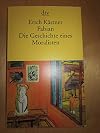
Fabian: The Story of a Moralist
by Erich Kästner
On This Page
Description
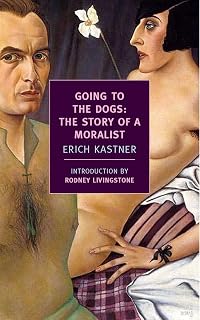
First published in German in 1931, the first English edition of this book was published in 1932 by Jonathan Cape in an expurgated edition. Set in the crumbling Berlin of the 1920s, it is a tale of despair. This edition is unexpurgated. The author also wrote Emil and the Detectives.Tags
Recommendations











































Member Recommendations
CGlanovsky Well educated, principled man has a variety of experiences and misfortunes in a big city
Member Reviews
A dark, satirical account of a young man trying to make sense of the absurd, morally vacuous world of Berlin in the late 1920s. It's the Berlin of Alfred Döblin and Christopher Isherwood, rather than that of Emil and the Detectives — but despite all the grotesque sex scenes that could be out of a painting by George Grosz or Otto Dix, it's still really informed by the same reasonable, liberal, enlightened and slightly off-axis view of how the world should be that defines Kästner's books for children. Very disconcerting, somehow.
Something else that struck me was how much it echoes the satirical novels of British writers of about the same time, especially Evelyn Waugh and Anthony Powell. The plot of Fabian is pretty much show more interchangeable with that of Vile bodies, for instance, but the feeling you get when you read it is quite different. Waugh's pessimism looks like an intellectual affectation, but you have to take Kastner's as the real thing, because you know that Weimar Berlin was living on borrowed time; the world — as far as Fabian is concerned — was about to end. Hindsight is a wonderful thing, sometimes. show less
Something else that struck me was how much it echoes the satirical novels of British writers of about the same time, especially Evelyn Waugh and Anthony Powell. The plot of Fabian is pretty much show more interchangeable with that of Vile bodies, for instance, but the feeling you get when you read it is quite different. Waugh's pessimism looks like an intellectual affectation, but you have to take Kastner's as the real thing, because you know that Weimar Berlin was living on borrowed time; the world — as far as Fabian is concerned — was about to end. Hindsight is a wonderful thing, sometimes. show less
„[A moralista] törzshelye, most és mindörökké, a süllyedő hajó. Ott tart ki, ameddig lehet. Jelszava változatlanul: Csak azért is!”
A történelem vastörvénye, hogy minél hosszabb és zavarosabb monológokat tart egy ország kancellárja, annál közelebb van az állam a szakadékhoz. Szegény Fabian, a moralizmus utolsó mohikánja ezt elég közelről szemlélheti ahhoz, hogy fájjon neki: Berlinben él, ahol az egeket veri a munkanélküliség, hol a vörösök, hol a barnák támasztanak rebelliót – mintha lázban fetrengene az egész város. Az erkölcs felbomlik, megélni csak az tud, aki nyitott az elkurvulásra. Sajnálatos tény, hogy Fabian pont azért moralista, mert erre nem képes, szóval kényelmetlen show more viselet neki a létezés. Mehetne persze vidékre is, hogyne – de ha a város lázas, akkor a vidék meg kihűlt, szinte halott. Emberi életre éppúgy alkalmatlan, akár a Hold felszíne.
Kästner a szatíra eszközével ábrázolja a zűllés mindent összenyálkázó polipját, hősét pedig úgy veti egyik keserűen komikus tragédiából a másikba, mintha az beszólt volna neki tegnap a frizurájára, és ezért meg akarná leckéztetni. Ilyen körülmények között ha Fabian szerelmes lesz, az is csak azért történik, hogy utána még rosszabb legyen neki – hát, köszönöm szépen, Fabian nevében is. De hát mit tegyünk, moralistának lenni már csak ilyen pálya, az íróknak szokásuk kegyetlenül bánni velük. Ám a moralistát ez nem zavarja, ő akkor is az marad, aki, ha ezért nem jár földi jutalom, az égiben meg nem hisz. Ő beugrik a fuldokló után a vízbe, hogy megmentse, ha nem tud úszni, akkor is. Sőt, ha nem tud úszni, akkor igazán. show less
A történelem vastörvénye, hogy minél hosszabb és zavarosabb monológokat tart egy ország kancellárja, annál közelebb van az állam a szakadékhoz. Szegény Fabian, a moralizmus utolsó mohikánja ezt elég közelről szemlélheti ahhoz, hogy fájjon neki: Berlinben él, ahol az egeket veri a munkanélküliség, hol a vörösök, hol a barnák támasztanak rebelliót – mintha lázban fetrengene az egész város. Az erkölcs felbomlik, megélni csak az tud, aki nyitott az elkurvulásra. Sajnálatos tény, hogy Fabian pont azért moralista, mert erre nem képes, szóval kényelmetlen show more viselet neki a létezés. Mehetne persze vidékre is, hogyne – de ha a város lázas, akkor a vidék meg kihűlt, szinte halott. Emberi életre éppúgy alkalmatlan, akár a Hold felszíne.
Kästner a szatíra eszközével ábrázolja a zűllés mindent összenyálkázó polipját, hősét pedig úgy veti egyik keserűen komikus tragédiából a másikba, mintha az beszólt volna neki tegnap a frizurájára, és ezért meg akarná leckéztetni. Ilyen körülmények között ha Fabian szerelmes lesz, az is csak azért történik, hogy utána még rosszabb legyen neki – hát, köszönöm szépen, Fabian nevében is. De hát mit tegyünk, moralistának lenni már csak ilyen pálya, az íróknak szokásuk kegyetlenül bánni velük. Ám a moralistát ez nem zavarja, ő akkor is az marad, aki, ha ezért nem jár földi jutalom, az égiben meg nem hisz. Ő beugrik a fuldokló után a vízbe, hogy megmentse, ha nem tud úszni, akkor is. Sőt, ha nem tud úszni, akkor igazán. show less
Fabian schlägt sich in der Weimarer Republik durch, versucht seinen Überzeugungen gemäß zu leben und scheitert.
Nicht die scheinbare Aussichtslosigkeit prägen Kästners Roman, sondern die Szenen, die das Leben in all seiner Komik und Absurdität feiern: In einem Taxi bringen Fabian und sein bester Freund LaBude einen Sozialdemokraten und einen Nationalsozialisten ins Krankenhaus, nachdem sie beide bei der Ausübung ihrer jeweiligen Überzeugung mit Waffengewalt verletzt wurden.
Die Leichtigkeit des Verliebtseins, das Anlachen der Widrigkeiten, das Miteinander- Rumalbern, das Fabian mit Cornelia erlebt, ist für mich eine der glaubwürdigsten Darstellungen einer Liebesbeziehung, der soviel, zu viel entgegensteht, das ich je gelesen show more habe. Und hat mein Bild von Liebe nachhaltig geprägt. show less
Nicht die scheinbare Aussichtslosigkeit prägen Kästners Roman, sondern die Szenen, die das Leben in all seiner Komik und Absurdität feiern: In einem Taxi bringen Fabian und sein bester Freund LaBude einen Sozialdemokraten und einen Nationalsozialisten ins Krankenhaus, nachdem sie beide bei der Ausübung ihrer jeweiligen Überzeugung mit Waffengewalt verletzt wurden.
Die Leichtigkeit des Verliebtseins, das Anlachen der Widrigkeiten, das Miteinander- Rumalbern, das Fabian mit Cornelia erlebt, ist für mich eine der glaubwürdigsten Darstellungen einer Liebesbeziehung, der soviel, zu viel entgegensteht, das ich je gelesen show more habe. Und hat mein Bild von Liebe nachhaltig geprägt. show less
"Fabian" hat einen seltsam zeitlosen Charakter.
Die Hauptfigur ist mehr ein Beobachtender als ein Lebender, ein unsichtbarer Außenseiter. Letzlich ertrinkt er dann an seinem selbstständigen wie selbstlosem Denken.
Und wahrhscheinlich kann man dieses Buch nur verstehen, wenn man ihm das nachfühlen kann. Für alle anderen scheint es zu Unrecht Zynismus.
Die Hauptfigur ist mehr ein Beobachtender als ein Lebender, ein unsichtbarer Außenseiter. Letzlich ertrinkt er dann an seinem selbstständigen wie selbstlosem Denken.
Und wahrhscheinlich kann man dieses Buch nur verstehen, wenn man ihm das nachfühlen kann. Für alle anderen scheint es zu Unrecht Zynismus.
'Fabian. Die Geschichte eines Moralisten' ist die gekürzte Fassung, 2013 erschien mit "Der Gang vor die Hunde" das ungekürzte Werk mit dem von Kästner vorgesehenen Titel. Es scheinen aber nur ein paar wenige Szenen zu fehlen, die dem Verlag 1931 zu unsittlich erschienen (citation needed).
Der Fabian ist sehr politisch, idealistisch, und hin und wieder tatsächlich auch moralisch gefärbt. Wie der Originaltitel vermuten lässt, geizt unser Erich hier nicht mit ausgefeilter Gesellschaftskritik. Kästner liest sich sehr flüssig, fast schon zu flüssig, denn das Buch fordert - manchmal still und manchmal laut - zum Innehalten auf, und will, dass so manche Zeile hinterfragt und interpretiert wird. Während das Buch sich langsam dem show more dreistelligen Geburtstag nähert, ist seine Thematik doch auch heute noch aktuell. Es mag Zeitlos erscheinen, bis an dem Tag, an dem wir in den Abgrund stürzen.
Ausserdem wird ziemlich oft rumgevögelt ¯_(ツ)_/¯ show less
Der Fabian ist sehr politisch, idealistisch, und hin und wieder tatsächlich auch moralisch gefärbt. Wie der Originaltitel vermuten lässt, geizt unser Erich hier nicht mit ausgefeilter Gesellschaftskritik. Kästner liest sich sehr flüssig, fast schon zu flüssig, denn das Buch fordert - manchmal still und manchmal laut - zum Innehalten auf, und will, dass so manche Zeile hinterfragt und interpretiert wird. Während das Buch sich langsam dem show more dreistelligen Geburtstag nähert, ist seine Thematik doch auch heute noch aktuell. Es mag Zeitlos erscheinen, bis an dem Tag, an dem wir in den Abgrund stürzen.
Ausserdem wird ziemlich oft rumgevögelt ¯_(ツ)_/¯ show less
Tenía el libro en el anaquel desde hacía años, me lo compré porque el prota se llamaba como yo. Por fin me ha gustado el comienzo y he conseguido seguir. Fabian es el apellido del prota, un joven que trabaja de lo que puede en Berlín y vive a salto de mata. En el fondo es un romántico, aspira a que la gran masa de borregos deje de serlo, a encontrar un amor puro y verdadero y a que las cosas les salgan bien a los que lo merecen y se esfuerzan en conseguirlo. Sin embargo, el libro acaba cuando Fabian se da por vencido y se suicida. Mierda de mundo
It is about the quiet desperation of a decent man in this crazy world. Some come to terms with it and adapt, but the best ones just have no place here and have to leave early. At least that is how I understood the author's point.
Most reviewers describe this book as social satire on Germany of the Weimar Republic period. I believe it is much more universal.
There is a lot of humor in this book, but it is not a comedy. It is rather grim.
Most reviewers describe this book as social satire on Germany of the Weimar Republic period. I believe it is much more universal.
There is a lot of humor in this book, but it is not a comedy. It is rather grim.
Members
- Recently Added By
Lists

German Literature
518 works; 55 members

Schwob Nederland
207 works; 2 members

Books Read in 2021
5,361 works; 114 members
Author Information

Some Editions
Awards and Honors
Notable Lists
Series
Belongs to Publisher Series
Ullstein Buch (102)
Work Relationships
Is contained in
Is expanded in
Has as a student's study guide
Common Knowledge
- Canonical title
- Fabian: The Story of a Moralist
- Original title
- Fabian: Die Geschichte eines Moralisten
- Alternate titles
- Going To the Dogs: The Story Of A Moralist
- Original publication date
- 1931
- People/Characters
- Jakob Fabian; Cornelia Battenberg; Stephan Labude
- Important places
- Berlin, Germany
- Related movies*
- Fabian (1980 | IMDb)
- First words
- Fabian saß in einem Café namens Spalteholz und las die Schlagzeilen der Abendblätter.
- Last words
- (Click to show. Warning: May contain spoilers.)Der kleine Junge schwamm heulend ans Ufer.
Fabian ertrank. Er konnte leider nicht schwimmen. - Original language
- German
*Some information comes from Common Knowledge in other languages. Click "Edit" for more information.
Classifications
Statistics
- Members
- 579
- Popularity
- 50,872
- Reviews
- 19
- Rating
- (4.02)
- Languages
- 15 — Danish, Dutch, English, Estonian, Finnish, French, German, Hebrew, Hungarian, Italian, Norwegian, Polish, Russian, Spanish, Swedish
- Media
- Paper, Ebook
- ISBNs
- 35
- ASINs
- 16