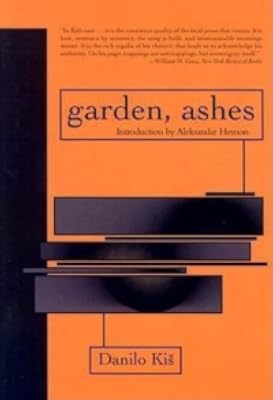
Garden, Ashes
by Danilo Kiš 
On This Page
Description
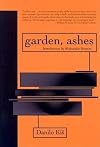
"Let us not mince words here: Danilo Kis's Garden, Ashes is an unmitigated masterpiece, surely not just one of the best books about the Holocaust, but one of the greatest books of the past century." Aleksandar Hemon, from the introductionTags
Recommendations
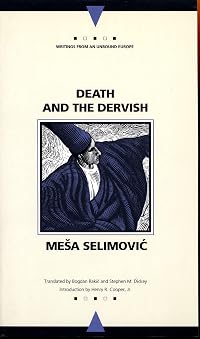
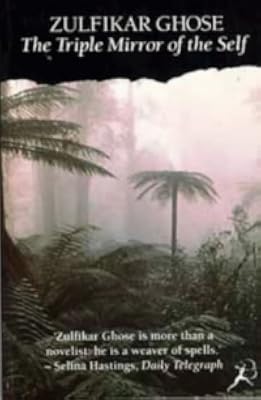
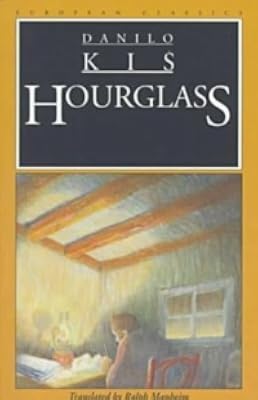
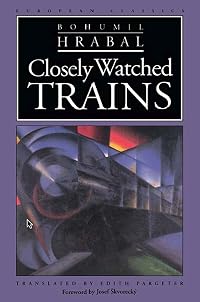
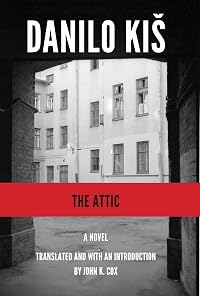


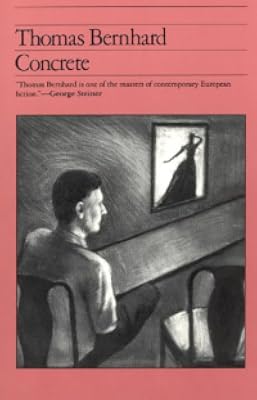
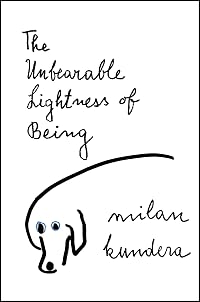
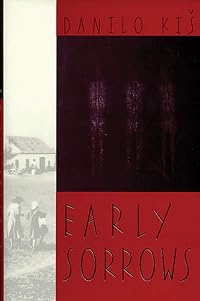
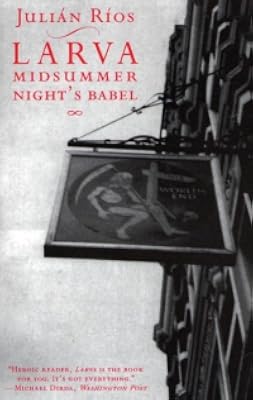
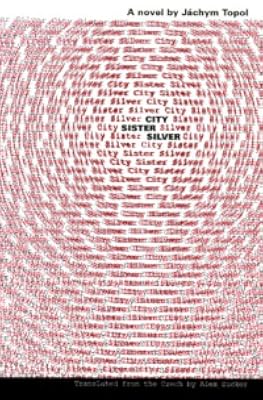

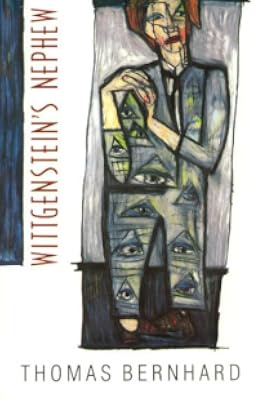
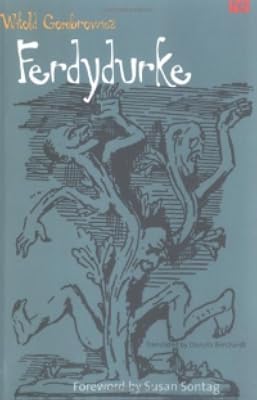



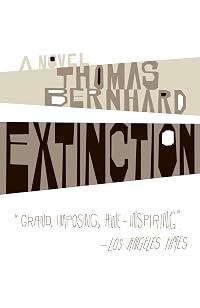

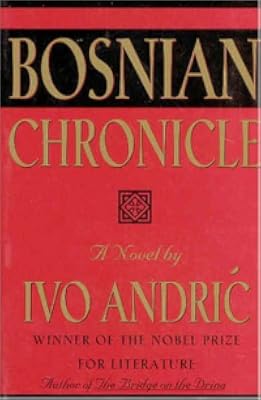


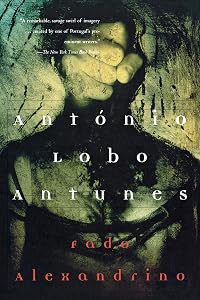
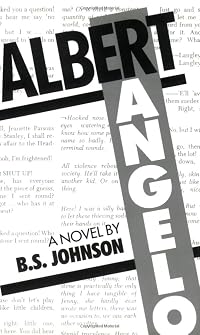
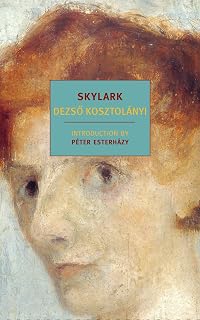
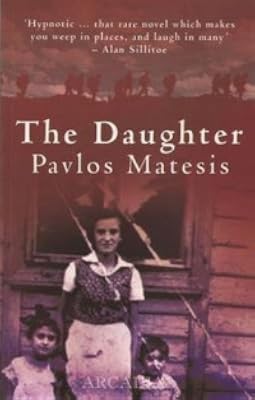
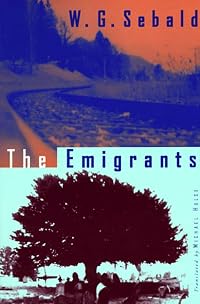
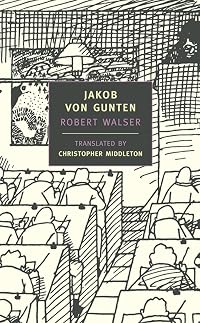
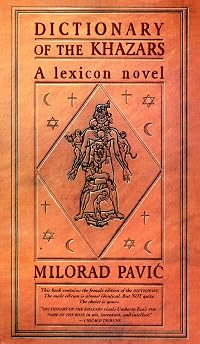
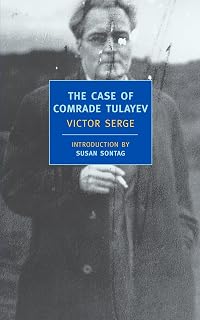
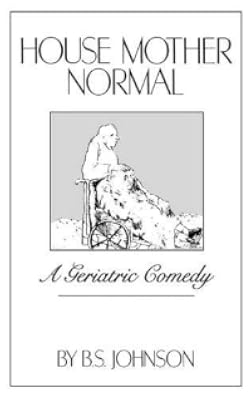
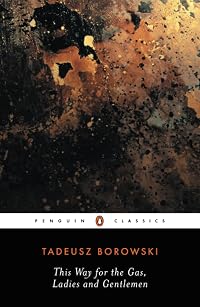
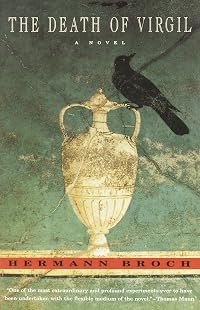
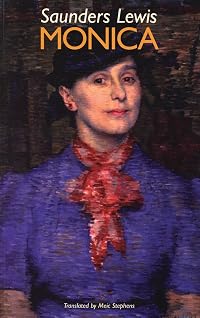
Member Recommendations

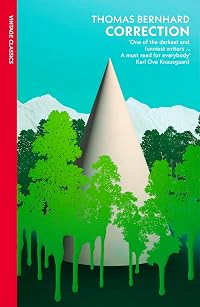
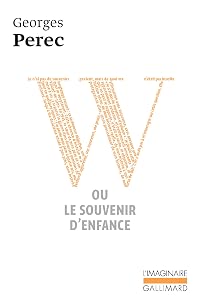
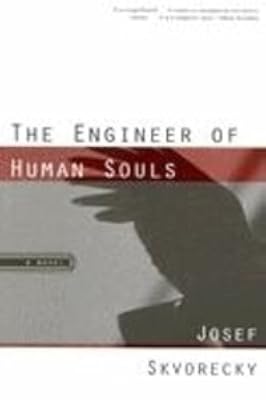
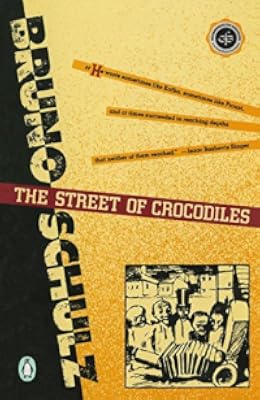
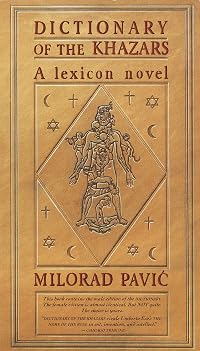
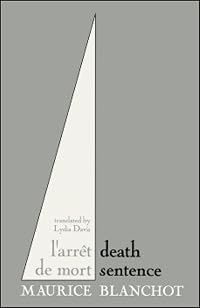
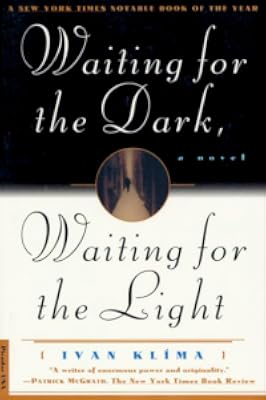
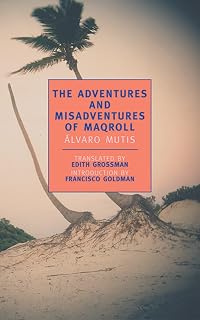
S.D. Similar dream-like prose from Eastern Europe, both with Mad Father figures.
Member Reviews
Kis's Wandering Jew ambles around the borders of structure, reigned in by prose. An aspect is examined, then an aspect of that is examined, then the camera zooms out and something larger is examined, but more closely. The effect is something remarkably like the intersection of childhood memory and imagination.
The real star here is the prose. This prose. My God. If I find any patience today, I'll type out the pages dealing with the government surveillance of the prophetic father.
The real star here is the prose. This prose. My God. If I find any patience today, I'll type out the pages dealing with the government surveillance of the prophetic father.
This brief but dense novel is the story of Andi Sham, a sensitive young boy, and his father, an unpredictable and bombastic man whose sanity is questionable. While set in Eastern Europe during World War II, the Holocaust and the war are in the distant background, and seem to have little effect on Andi's life. While the family frequently moves to avoid discrimination against Jews, the moves are sometimes the result of Andi's father's failure to support the family. Instead, his father is obsessively composing a book about, well, everything: "alchemical studies, anthropological studies , anthroposophical studies, archeological studies, studies in the doctrine of art for arts sake" and so on, alphabetically for several pages ending with show more "studies in unanimism, uranographic studies, studies in urbanism, urological studies, utopistic, venereological studies, studies in versification, voluntaristic studies, vulcanological studies, Zionist, zoogeographical, zoographic, zoologicalstudies."
The prose is dreamlike and poetic, and the tone is introspective. While narrated by Andi, it is by no means narrated from the point of view of a child. This was a difficult, but rewarding read. Highly recommended. show less
The prose is dreamlike and poetic, and the tone is introspective. While narrated by Andi, it is by no means narrated from the point of view of a child. This was a difficult, but rewarding read. Highly recommended. show less
Many readers love this book, and it's worth knowing that I'm generally bored by holocaust art, and even worse, that I roll my eyes at the very idea. That's unfair to Kis, whose book is not at all another dull heart-string puller, but I can't help it. I'm just tired of attempts to capture, in art, that singular horror. I miss something, then, because this is interesting attempt.
Leaving aside that whole question, though, Garden, Ashes is the kind of first novel that gets me very excited to read more by the same author. There's no unity here at all: some realistic depictions of a father figure, some surreal weirdness, some lavish (I mean that as a criticism) descriptive prose.
The early chapters, and the last chapter, are glorious, and show more I'll be re-reading them in the future. But the first-novel feeling reaches its height after the first hundred pages, when Kis decides, for no particularly good reason (I know, I know, it's because of the holocaust) to make the father the focus of the book, and then the father disappears. The following chapter is a fine short piece with little connection to the preceding pages. And then it all goes downhill. Other reviewers have noted that without the father the whole thing heads off the rails. Sad but true. I would put the decline even earlier: after the first "father" chapter, the book probably could have ended, but for the return to the narrator's fear of death in the final chapter. show less
Leaving aside that whole question, though, Garden, Ashes is the kind of first novel that gets me very excited to read more by the same author. There's no unity here at all: some realistic depictions of a father figure, some surreal weirdness, some lavish (I mean that as a criticism) descriptive prose.
The early chapters, and the last chapter, are glorious, and show more I'll be re-reading them in the future. But the first-novel feeling reaches its height after the first hundred pages, when Kis decides, for no particularly good reason (I know, I know, it's because of the holocaust) to make the father the focus of the book, and then the father disappears. The following chapter is a fine short piece with little connection to the preceding pages. And then it all goes downhill. Other reviewers have noted that without the father the whole thing heads off the rails. Sad but true. I would put the decline even earlier: after the first "father" chapter, the book probably could have ended, but for the return to the narrator's fear of death in the final chapter. show less
This novel is, probably, somewhat autobiographical. Andi, the main character, is a child describing life with and then without his father in the 1930s into the 40s. At least part of the book takes place in (or near?) Hungary. His father is Jewish in 1930s Eastern Europe, an alcoholic and dreamer, and often disappears for months on end. The family of four moves often, and his father has a reputation among family and neighbors. Until finally he does not return. The family is hungry, and Andi has awful dreams.
I did not much enjoy this book--it was a slog--for a variety of reasons, but I don't know if it is the story or the translation I found difficult. It is describes as lyric and poetic, but I found the language stodgy and stiff, and show more overly descriptive. The entire story is told by older Andi looking back, so there is no mention of war or concentration camps, or Jews being deported--it very much reads as from a child's perspective. But. BUT. The language is not a child's. It is nearly all past tense, and so much is passive voice. So many of the words chosen (again--this is the translation--are odd). Fiacre for hackney. Demiurgial. Neurasthenic. Czardases, barcarolles. A whole lot of religious musings. References to older works--Neues Tageblatt; Last Abencerage; children's stories that may or may not be real.
Really this whole book feels like a specific writing for people who get it. Maybe that includes all of Hungary, and Serbia, and all of the Balkans. But I found most of it confusing and stodgy. show less
I did not much enjoy this book--it was a slog--for a variety of reasons, but I don't know if it is the story or the translation I found difficult. It is describes as lyric and poetic, but I found the language stodgy and stiff, and show more overly descriptive. The entire story is told by older Andi looking back, so there is no mention of war or concentration camps, or Jews being deported--it very much reads as from a child's perspective. But. BUT. The language is not a child's. It is nearly all past tense, and so much is passive voice. So many of the words chosen (again--this is the translation--are odd). Fiacre for hackney. Demiurgial. Neurasthenic. Czardases, barcarolles. A whole lot of religious musings. References to older works--Neues Tageblatt; Last Abencerage; children's stories that may or may not be real.
Really this whole book feels like a specific writing for people who get it. Maybe that includes all of Hungary, and Serbia, and all of the Balkans. But I found most of it confusing and stodgy. show less
I’m afraid this book passed me by. I can be a trifle naive at times: if a book is called a novel, I tend to treat it as one, rather than the series of vignettes that ‘Garden, Ashes’ instead comprised of. I also did this with Dubliners: thinking the chapters were more driven by plot rather than being instead linked by a mood or more abstract notion. Consequently, I think I missed a lot of the good of Garden, Ashes - a lot of reviews wax lyrical about how it skilfully portrays life during the holocaust through the eyes of the young boy, using his feelings and encounters to indirectly illuminate the sufferings of a people but I found it disjointed and hard to follow. The holocaust itself (the backdrop of the novel and the reason for show more the father’s ‘disappearance’) is also never directly spoken of, yet permeates each chapter through the way events and objects are described or play out. I guess I was expecting it all to be a lot more obvious/ of a story - sequential, plot-driven, more up front. Instead it was alluded to, suggestive and peripheral.
Unfortunately I didn’t have the wherewithal to access the merits of ‘Garden, Ashes’. It left me frustrated and sadly not having enjoyed it - not because it wasn’t good but because I didn’t get it. It might be one I give another try at some point, I have his others novels to have a go at too; hopefully I shall sufficiently prepare myself to work a bit harder as a reader when I do! 2/5 show less
Unfortunately I didn’t have the wherewithal to access the merits of ‘Garden, Ashes’. It left me frustrated and sadly not having enjoyed it - not because it wasn’t good but because I didn’t get it. It might be one I give another try at some point, I have his others novels to have a go at too; hopefully I shall sufficiently prepare myself to work a bit harder as a reader when I do! 2/5 show less
Genius. A simultaneously intense and whimsical story of a Jewish family escaping persecution during WWII. Heavily influenced by Bruno Schulz and Borges. An overlooked classic...
Tandem read w/ my own Mrs.
What ensued were plumes of discussion concerning the idea of Jewish lit within Balkan letters. I enjoyed the discussion as much as I did this haunted novel.
What ensued were plumes of discussion concerning the idea of Jewish lit within Balkan letters. I enjoyed the discussion as much as I did this haunted novel.
Members
- Recently Added By
Author Information

67+ Works 2,774 Members
Danilo Kiš has a Legacy Library. Legacy libraries are the personal libraries of famous readers, entered by LibraryThing members from the Legacy Libraries group.
Some Editions
Awards and Honors
Series
Belongs to Publisher Series
Work Relationships
Is contained in
Common Knowledge
- Canonical title
- Garden, Ashes
- Original title
- Bašta, pepeo
- Original publication date
- 1965 (original Serbo-Croatian) (original Serbo-Croatian); 1975 (English translation) (English translation)
- Original language
- Serbian
Classifications
- Genres
- Fiction and Literature, General Fiction
- DDC/MDS
- 891.82354 — Literature & rhetoric Literatures of other languages East Indo-European and Celtic literatures West and South Slavic languages (Bulgarian, Slovene, Polish, Czech, Slovak, Serbo-Croatian, and Macedonian) Serbo-Croatian Fiction 1900–1991 Late 20th century 1945–1991
- LCC
- PG1419.21 .I8 .B313 — Language and Literature Slavic languages and literatures. Baltic languages. Albanian language Slavic. Baltic. Albanian Serbo-Croatian
- BISAC
Statistics
- Members
- 382
- Popularity
- 81,759
- Reviews
- 12
- Rating
- (3.83)
- Languages
- 13 — Danish, Dutch, English, Finnish, French, German, Greek, Italian, Macedonian, Portuguese (Portugal), Russian, Serbian, Turkish
- Media
- Paper
- ISBNs
- 23
- ASINs
- 3