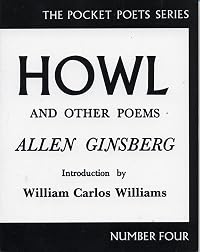
Howl and Other Poems
by Allen Ginsberg
On This Page
Description
Including: Europe, Europe America Howl Footnote to Howl Strange New Cottage In Back Of The Real Transcription Of Organ Music Sunflower Sutra A Supermarket In California Beat Poetry at Royal.Tags
Recommendations

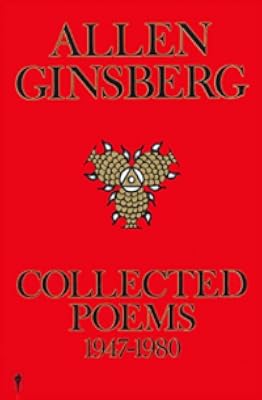
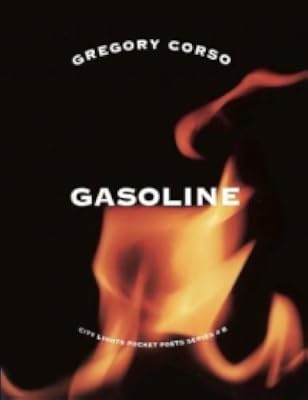
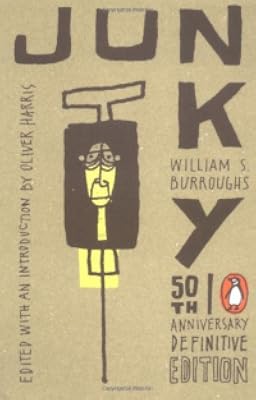
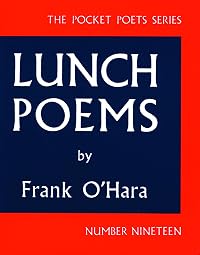
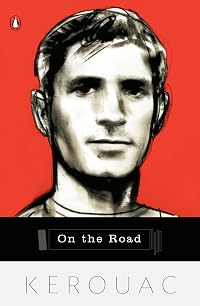
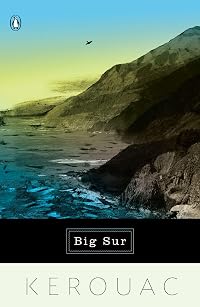
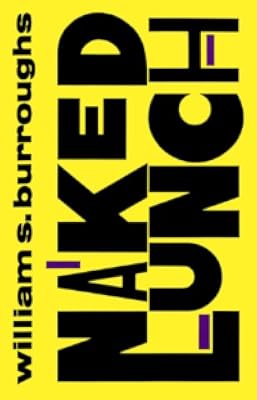
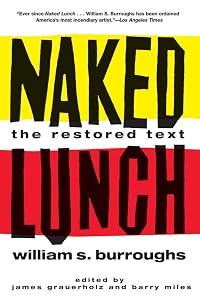
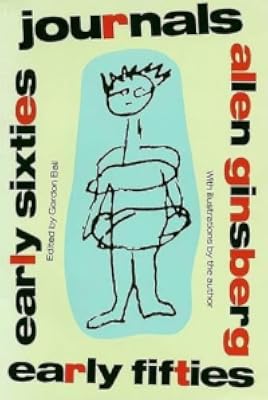
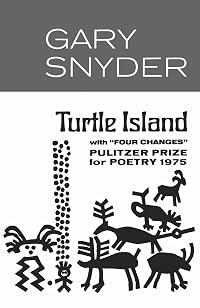
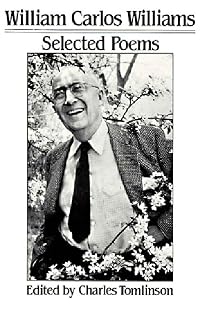
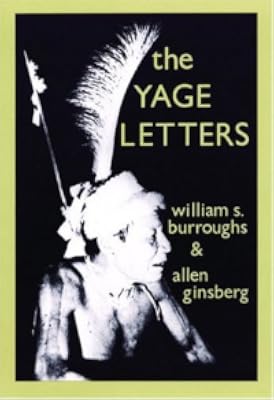

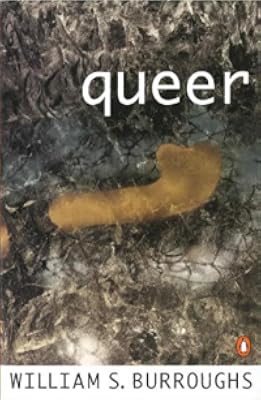
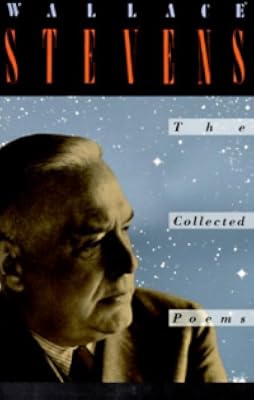

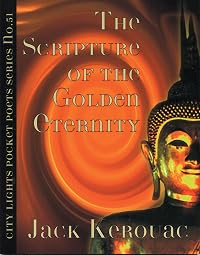
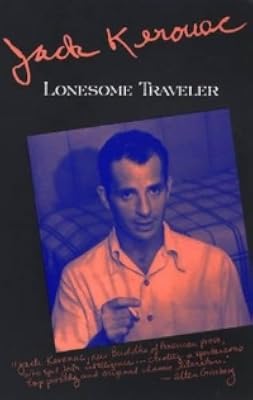

Member Recommendations
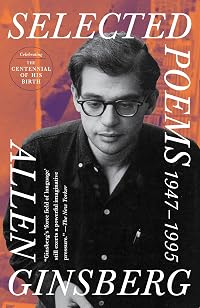
Sylak If you enjoy 20th Century poetry, give this a try.

Member Reviews
In October 1955, there was a low-key event at the 6 Gallery on Fillmore Street in San Francisco, with the promise of a "remarkable collection of angels on one stage reading their poetry." Jack Kerouac went around with the collection bowl, whilst Allen Ginsberg whipped the audience into excitement by reading Part I of his work-in-progress, Howl. When Lawrence Ferlinghetti published the completed poem the following year as the fourth in his Pocket Poets series, it soon became a runaway bestseller (partly thanks to a high-profile obscenity trial) and one of the defining works of what came to be called Beat literature.
The poem itself is in three parts: Part I is a grand, Whitmanesque celebration of the lives of his poetic heroes and of his show more own struggle against the modern world, with copious amounts of (gay) sex, drugs, bumming around and political subversion thrown in; the incantation of Part II confronts the destructive forces of the child-eating Moloch directly, and in Part III he addresses the dedicatee of the poem, Carl Solomon, whom he met while they were both patients in the same psychiatric institution. Then there's a "Footnote to Howl", which is another incantation, a kind of Beat Sanctus.
As in Whitman, the first thing that hits you about the poem is its tremendous momentum and kinetic energy, but there's a lot more to it than just the pounding impact of the long lines: every line is dense with paradoxical, unexpected but never quite nonsensical language (negro streets, starry dynamos, unshaven rooms, pubic beards, ...), and there's a clear thread of insight into the hostile world under all that counter-culture posturing. It's tempting to think of it as nothing more than drug-induced ramblings from long ago, but that's not at all what's going on here: this is a serious attempt to push beyond the usual limits of poetry and make it relevant to people who are confronting the dehumanising effects of fifties society, and it still clearly has things to say to us today.
The Pocket Poets collection includes five more, shorter, incantatory poems in the same kind of Whitman long-line format, plus four rather more conventionally lyrical "earlier poems". Probably the most striking is "Sunflower Sutra", where he and Kerouac sit in the shade of a locomotive on a dockside and contemplate a dead sunflower. show less
The poem itself is in three parts: Part I is a grand, Whitmanesque celebration of the lives of his poetic heroes and of his show more own struggle against the modern world, with copious amounts of (gay) sex, drugs, bumming around and political subversion thrown in; the incantation of Part II confronts the destructive forces of the child-eating Moloch directly, and in Part III he addresses the dedicatee of the poem, Carl Solomon, whom he met while they were both patients in the same psychiatric institution. Then there's a "Footnote to Howl", which is another incantation, a kind of Beat Sanctus.
As in Whitman, the first thing that hits you about the poem is its tremendous momentum and kinetic energy, but there's a lot more to it than just the pounding impact of the long lines: every line is dense with paradoxical, unexpected but never quite nonsensical language (negro streets, starry dynamos, unshaven rooms, pubic beards, ...), and there's a clear thread of insight into the hostile world under all that counter-culture posturing. It's tempting to think of it as nothing more than drug-induced ramblings from long ago, but that's not at all what's going on here: this is a serious attempt to push beyond the usual limits of poetry and make it relevant to people who are confronting the dehumanising effects of fifties society, and it still clearly has things to say to us today.
The Pocket Poets collection includes five more, shorter, incantatory poems in the same kind of Whitman long-line format, plus four rather more conventionally lyrical "earlier poems". Probably the most striking is "Sunflower Sutra", where he and Kerouac sit in the shade of a locomotive on a dockside and contemplate a dead sunflower. show less
I want to read this aloud, shout it from the rooftops; just as it should be. Ginsberg lays out a world in which nothing is alright, everything is falling apart, and we really haven't gotten much better since then. Howl is one of those works that is polarizing, you either love it or hate it. If you're unsure, read it again. I find it rare that anybody falls in the middle on Howl, because it is so visceral, it will either turn you into a beat, or turn your stomach. This is Ginsberg at the top of his game.
Also included in this book are America (which is one of my all-time favorites, especially as read aloud by Ginsberg) and A Supermarket in California (in which Ginsberg follows Walt Whitman through a modern American establishment). show more Ginsberg was a huge Whitman fan, imitating his style quite often.
Even if you don't end up liking any of the poems in this book, it's still worth reading. Ginsberg is one of those poets that helps you figure out things about yourself. show less
Also included in this book are America (which is one of my all-time favorites, especially as read aloud by Ginsberg) and A Supermarket in California (in which Ginsberg follows Walt Whitman through a modern American establishment). show more Ginsberg was a huge Whitman fan, imitating his style quite often.
Even if you don't end up liking any of the poems in this book, it's still worth reading. Ginsberg is one of those poets that helps you figure out things about yourself. show less
Many say that this is nothing more than an overrated, incomprehensible bunch of words about sex, alcohol and drugs. And they are right. But poetry is not about words, it's about the feeling they are capable of evoke. And Howl evoke a lot of feelings, at least for me. The eternal search of the meaning of life, the conflicted relation between the fear and mystification of death, the wonders and terrors of growing old.
If you want to change the world but don't know how, if you want to leave your mark but fear you can't, if you are afraid of waking up one day with your dreams and ideals long forgotten and trapped in the mundane routine of the world. Then, you can relate with this "overrated, incomprehensible bunch of words about sex, alcohol and drugs", and that's all that matters.
Leído para el reto 12 months-12 classic: Julio. show less
“I saw the best minds of my generation destroyed by madness, starving hysterical naked, [...]show more
who threw their watches off the roof to cast their ballot for Eternity outside of Time, & alarm clocks fell on their heads every day for the next decade,
who cut their wrists three times successively unsuccessfully, gave up and
were forced to open antique stores where they thought they were growing old and cried,
who were burned alive in their innocent flannel suits on Madison Avenue amid blasts of leaden verse & the tanked-up clatter of the iron regiments of fashion & the nitroglycerine shrieks of the fairies of advertising & the mustard gas of sinister intelligent editors, or were run down by the drunken taxicabs of Absolute Reality.”
If you want to change the world but don't know how, if you want to leave your mark but fear you can't, if you are afraid of waking up one day with your dreams and ideals long forgotten and trapped in the mundane routine of the world. Then, you can relate with this "overrated, incomprehensible bunch of words about sex, alcohol and drugs", and that's all that matters.
“We're not our skin of grime, we're not our dread bleak dusty imageless locomotive, we're all beautiful golden sunflowers inside,
we're blessed by our own seed & golden hairy naked accomplishment- bodies growing into mad black formal sunflowers in the sunset.”
In the other reviews here I learned that you now need footnotes to read Ginsburg and that without them, the poems aren't very powerful since you don't know who the people are. How sad. When I read Howl, I didn't have any idea who the people were, but I knew that the best minds of my generation were also being destroyed by madness (and the Vietnam War, drugs, and later AIDS), and the poem resonated with my own experience. When I read the Sunflower Sutra, I wanted to be the sunflower in this barren wasteland of industrialization. It didn't seem to matter much who Jack Kerouac was. And when I read America, even today, I understand Ginsburg's anger but I still want to put my queer shoulder to the wheel as well. I hope that younger people show more for whom these poems no longer have meaning have poets of their own who are as inspiring. show less
An American love poem, prayer and lament, as powerfull now as when it was written. Our children are still sacrificed to Moloch. The machinery of night is still in place digital, darker and more dangerous. Neil Cassidy's ghost walks along counting the railroad ties in eternity, followed by Allen chanting and playing the harmonium. Jack stumbles along behind swigging on a bottle of cheap burgundy. Om Mani Padme Hum
"I saw the best minds of my generation destroyed by madness, starving hysterical naked,
dragging themselves through the negro streets at dawn looking for an angry fix;
Angel-headed hipsters burning for the ancient heavenly connection
to the starry dynamo in the machinery of night."
If that doesn't set your reading hair on fire, then this book isn't for you. If so, read it and howl. I had the great fortune of reading it for the first time at City Lights Bookstore in SF.
dragging themselves through the negro streets at dawn looking for an angry fix;
Angel-headed hipsters burning for the ancient heavenly connection
to the starry dynamo in the machinery of night."
If that doesn't set your reading hair on fire, then this book isn't for you. If so, read it and howl. I had the great fortune of reading it for the first time at City Lights Bookstore in SF.
The titular "howl" seems to be the only poem in this collection worth its salt. In it, Ginsberg paints a dazzling picture of New York City as it was. Drugs and marijuana are romanticized simply for being taboo without giving any reason or description, no actual experiences are described; Ginsberg just wanted to let us know how cool he was.
Name dropping is incessant throughout the whole collection to the point of annoyance. Again, Ginsberg was cool because he knew about other beatniks. He wrote this to make sure you knew.
I can't help but think that he is revered simply for traveling within the same circles as other more experimental writers. It certainly seems that way with all of the brown nosing to Kerouac.
Perhaps it's just a product show more of its time and a celebration of it. It seems like a tiptoe into something that may have been verboten a long time ago but has since lost its edge. show less
Name dropping is incessant throughout the whole collection to the point of annoyance. Again, Ginsberg was cool because he knew about other beatniks. He wrote this to make sure you knew.
I can't help but think that he is revered simply for traveling within the same circles as other more experimental writers. It certainly seems that way with all of the brown nosing to Kerouac.
Perhaps it's just a product show more of its time and a celebration of it. It seems like a tiptoe into something that may have been verboten a long time ago but has since lost its edge. show less
Members
- Recently Added By
Lists

Favourite Books
1,820 works; 316 members

Best Late Night Poetry
11 works; 2 members

The Complete Rory Gilmore Reading List
506 works; 5 members

Books in Riverdale
123 works; 3 members
Our Favorite Banned Books
138 works; 122 members

poetry
15 works; 1 member

BitLife
212 works; 4 members

Florida
366 works; 3 members

Mustich's 1000 Books to Read Before You Die: A Life Changing List
1,001 works; 20 members

Pre-1969 LGBTQ Literature
184 works; 67 members

Beat
64 works; 1 member

Books
85 works; 1 member

Daria Morgendorffer's Bookshelf
70 works; 5 members

Nifty Fifties
129 works; 14 members

Books Read in 2017
4,249 works; 130 members
American Lit for Eng 11 Research Project
368 works; 6 members

Read
293 works; 4 members

The Top Ten: Writers Pick Their Favorite Books
240 works; 33 members
Best of American Literature
146 works; 9 members

Books Featured on Gilmore Girls
307 works; 21 members

20th Century Literature
1,161 works; 55 members

Poetry Collections
79 works; 6 members

1950s
340 works; 22 members

Books to Recommend to My Niece/Nephew (The late teenage years)
29 works; 3 members

Books talked about in Pamela Dean's Tam Lin
74 works; 1 member
Author Information

302+ Works 17,022 Members
Irwin Allen Ginsberg was born in Newark, New Jersey, the son of poet and teacher Louis Ginsberg. In 1948, he received a B.A. degree from Columbia University. Ginsberg began writing poetry while still in school and first gained wide public recognition in 1956 with the long poem Howl. Howl has had a stormy history. When it was first recited at show more poetry readings, audiences cheered wildly. It was published by Lawrence Ferlinghetti's City Lights Books and printed in England. Before the printed copies could be distributed, however they were seized by U.S. custom officials as obscene. After a famous court case in which the poem was found not to be obscene, the work sold rapidly and Ginsberg's reputation was assured. Regarded as the foremost port of the Beat generation (as group of rebellious writers who opposed conformity and sough intensity of experience), Ginsberg's work is concerned with many subjects of contemporary interest, including drugs, sexual confusion, the voluntary poverty of the artist and rebel, and rejection of society. He is a poet with a significant message, and his criticism of American society is part of a long tradition of American writers who have questioned their country's values. Ginsberg received numerous honors, including a Woodbury Poetry Prize, a National Institute of Arts and Letters Award, and a National Book Award for poetry. Ginsberg was a Pulitzer Prize finalist in 1995 for his book Cosmopolitan Greetings: Poems 1986-1992. Ever the Bohemian, he had numerous occupations throughout his lifetime including dishwasher, porter, book reviewer, and spot welder. He died in April 1997 of complications due to liver cancer. (Bowker Author Biography) show less
All Editions
Awards and Honors
Series
Belongs to Publisher Series
Work Relationships
Is contained in
Contains
Has the adaptation
Common Knowledge
- Canonical title
- Howl and Other Poems
- Original title
- Howl and Other Poems
- Original publication date
- 1956
- Related movies*
- Howl (2010 | IMDb)
- Dedication
- To--
Jack Kerouac, new Buddha of American prose, who spit forth intelligence into eleven books written in half the number of years (1951-1956) creating a spontaneous bop prosody and original classic literature. Several phr... (show all)ases and the title of Howl are taken from him.
William Seward Burroughs, author of Naked Lunch, an endless novel which will drive everybody mad.
Neal Cassady, author of The First Third, an autobiography (1949) which enlightened Buddha.
All these books are published in Heaven. - First words
- HOWL FOR CARL SOLOMON
When he was younger, and I was younger, I used to know Allen Ginsberg, a young poet living in Paterson, New Jersey, where he, son of a well-known poet, had been born and grew up. - Quotations
- I walked on the banks of the tincan banana dock and sat down under the huge shade of a Southern Pacific locomotive to look at the sunset over the box house hills and cry.
- Last words
- (Click to show. Warning: May contain spoilers.)This is the flower of the world.
- Original language
- English
- Canonical DDC/MDS
- 811.54
*Some information comes from Common Knowledge in other languages. Click "Edit" for more information.
Classifications
Statistics
- Members
- 6,207
- Popularity
- 2,015
- Reviews
- 71
- Rating
- (4.02)
- Languages
- 11 — Chinese, English, French, German, Greek, Italian, Polish, Spanish, Swedish, Turkish, Portuguese (Brazil)
- Media
- Paper, Audiobook, Ebook
- ISBNs
- 29
- ASINs
- 31