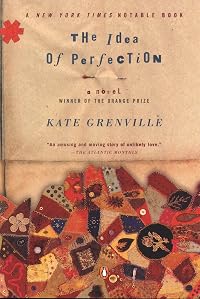
The Idea of Perfection
by Kate Grenville
On This Page
Description
Kate Grenville's Orange-Prize winning novel The Idea of Perfection is the story of the small town of Karakarook, and of Douglas Cheeseman and Harvey Savage - two people who seem the least likely in the world to fall in love. Unlike Felicity Porcelline, a woman dangerously haunted by the idea of perfection, they come to understand that what looks like weakness can be the best kind of strength.Tags
Recommendations



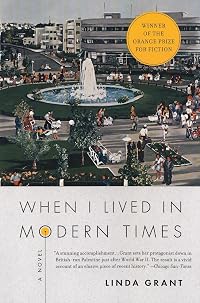
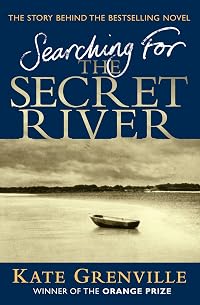

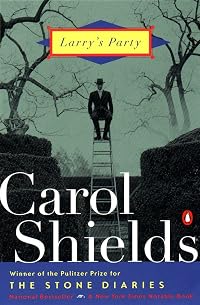
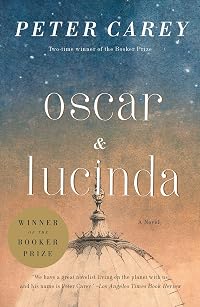













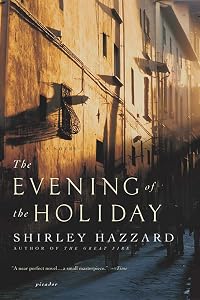
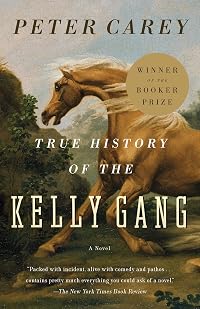
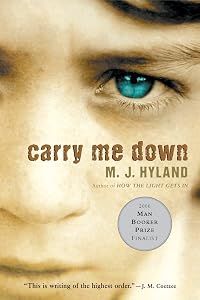
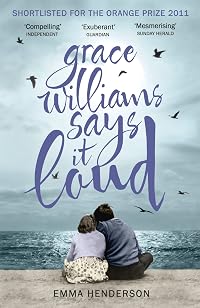





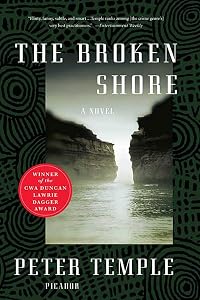

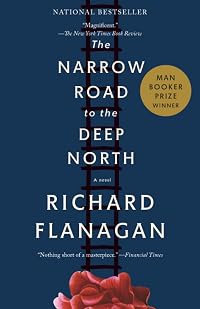
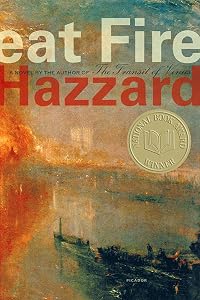
Member Recommendations

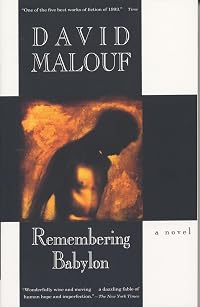
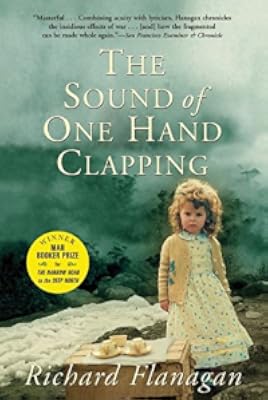
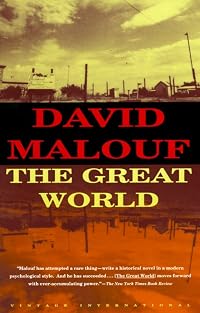
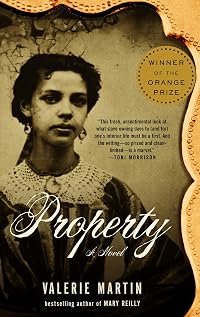
SylviaC Both books are about socially awkward characters discovering each other, and both are written in unusual narrative styles.
Member Reviews
In The Idea of Perfection we experience very closely the inner dialogues of three major players who proceed with varying degrees of self-consciousness. Two of them are painfully self-aware; they concern themselves deeply with how others view them, and assume the worst. The third navigates her life as thought she’s a spectator in it: she nearly dissociates herself from her less desirable acts, while trying, perhaps subconsciously, to atone for them in her more-aware moments. This brilliant book won the 2000 Orange Prize for fiction and completely deserves it.
Two lives converge in the bush country of New South Wales as the book begins. Two strangers arrive independently in Karakarook from Sydney, one a government engineer who will show more manage the destruction and replacement of an out-of-date bridge, and the other a specialist in heritage and culture who will assist in establishing a museum. He, the gawky engineer with the jug-handle ears and a crippling lack of confidence, and she, the tall, heavyset, and irascible curator, encounter each other. They do not hit if off immediately, to say the least, and the unlikely first date (a delightfully comic stretch of writing) doesn’t help.
But Ms. Grenville, one of my favorites since I encountered The Secret River, has set up the lovely, elegant narrative construct of the crumbling bridge. This simple, past-its-prime span, built from timber and intended to last, has suffered from the effects of a flood some years ago. Certain townsfolk protest the decision to replace it, citing it as one of the chief historical attractions of the backwater town.
All these facts serve the author’s conceit of building bridges, of spanning obstacles, between people. However effectively this framework is established, though, its resolution rises solely from human action - thought, reflection, intention, and deed. And herein lies Ms. Grenville’s greatest feat. The principals themselves must come to terms with their habitual isolation, and decide whether the opportunity before them offers sufficient potential for them to change. There are many touches here - too many to mention - that certify the author’s great skill and award-winning vision. Cover to cover this is a great, a masterful performance.
http://bassoprofundo1.blogspot.com/2016/04/the-idea-of-perfection-by-kate-grenvi... show less
Two lives converge in the bush country of New South Wales as the book begins. Two strangers arrive independently in Karakarook from Sydney, one a government engineer who will show more manage the destruction and replacement of an out-of-date bridge, and the other a specialist in heritage and culture who will assist in establishing a museum. He, the gawky engineer with the jug-handle ears and a crippling lack of confidence, and she, the tall, heavyset, and irascible curator, encounter each other. They do not hit if off immediately, to say the least, and the unlikely first date (a delightfully comic stretch of writing) doesn’t help.
But Ms. Grenville, one of my favorites since I encountered The Secret River, has set up the lovely, elegant narrative construct of the crumbling bridge. This simple, past-its-prime span, built from timber and intended to last, has suffered from the effects of a flood some years ago. Certain townsfolk protest the decision to replace it, citing it as one of the chief historical attractions of the backwater town.
All these facts serve the author’s conceit of building bridges, of spanning obstacles, between people. However effectively this framework is established, though, its resolution rises solely from human action - thought, reflection, intention, and deed. And herein lies Ms. Grenville’s greatest feat. The principals themselves must come to terms with their habitual isolation, and decide whether the opportunity before them offers sufficient potential for them to change. There are many touches here - too many to mention - that certify the author’s great skill and award-winning vision. Cover to cover this is a great, a masterful performance.
http://bassoprofundo1.blogspot.com/2016/04/the-idea-of-perfection-by-kate-grenvi... show less
"An arch is two weaknesses which together make a strength." -- Leonardo da Vinci
This book about lost souls starts with that marvellous quote from da Vinci, which sums up the book remarkably well, really. We have Douglas Cheeseman, an engineer and self-confessed "bridge bore" (the structural sort of bridge, not the game sort of bridge), who just doesn't seem to fit in life. He's shy and socially awkward, and lacks self confidence. And then there's Harley Savage, who, much like Douglas, is socially awkward, unable to be comfortable around other people. She's in the small town of Karakarook to help set up a heritage museum; he's in town to pull down the old wooden Bent Bridge and build a new concrete one.
And then there's Karakarook, and show more all the small town people who live there. Grenville's done a wonderful job of capturing the smallness of Karakarook, where everyone knows everything. But it's not an oppressive small town for most of the characters, it's actually a welcoming and comfortable place, even if our two city characters find it all a bit confusing, having strange people genuinely asking after your health and expecting conversations.
And then there's Felicity Porcelline. Wife of the bank manager, mother to William, and complete control freak. She doesn't allow herself to smile, as that might cause wrinkles, and is terrifyingly organised. Felicity was a fascinating character: while I could relate to both Harley and Douglas (I'm happy to be bored about bridges any day), Felicity had me gobsmacked, but reading on avidly for her next chapter.
Kate Grenville does a great job with the plot, her characters, and her setting. This is a great book, well worth a read. show less
This book about lost souls starts with that marvellous quote from da Vinci, which sums up the book remarkably well, really. We have Douglas Cheeseman, an engineer and self-confessed "bridge bore" (the structural sort of bridge, not the game sort of bridge), who just doesn't seem to fit in life. He's shy and socially awkward, and lacks self confidence. And then there's Harley Savage, who, much like Douglas, is socially awkward, unable to be comfortable around other people. She's in the small town of Karakarook to help set up a heritage museum; he's in town to pull down the old wooden Bent Bridge and build a new concrete one.
And then there's Karakarook, and show more all the small town people who live there. Grenville's done a wonderful job of capturing the smallness of Karakarook, where everyone knows everything. But it's not an oppressive small town for most of the characters, it's actually a welcoming and comfortable place, even if our two city characters find it all a bit confusing, having strange people genuinely asking after your health and expecting conversations.
And then there's Felicity Porcelline. Wife of the bank manager, mother to William, and complete control freak. She doesn't allow herself to smile, as that might cause wrinkles, and is terrifyingly organised. Felicity was a fascinating character: while I could relate to both Harley and Douglas (I'm happy to be bored about bridges any day), Felicity had me gobsmacked, but reading on avidly for her next chapter.
Kate Grenville does a great job with the plot, her characters, and her setting. This is a great book, well worth a read. show less
The Idea of Perfection takes place in the Australian town of Karakarook, NSW, population 1374. Harley Savage, a middle-aged textile artist, travels from Sydney to create a heritage museum. Douglas Cheeseman, an engineer, is sent to demolish an old bridge. From this initial setup I expected intense conflict and community uprising, but that turned out to be secondary to the story of human foibles and relationships. Both Douglas and Harley are unmarried; he is divorced and she is a widow. Both are lonely, but they resist forming relationships with others. Douglas remains on the fringe of the local work crew. Harley feels awkward with others, and stubbornly resists a stray dog's repeated attentions. Both draw gradually to one another.
In show more fact, the entire book moves in a very gradual manner. Grenville oh-so-slowly reveals details that build a complete picture of the main characters and the town's citizens. At the beginning of the book, Douglas is looking out of an upstairs hotel room window. Only later, after learning he suffers from vertigo, does it become clear that just looking out the window was an accomplishment. Details of Harley's childhood and married life are droppped like a trail of breadcrumbs. Slowly the reader sees these two, their physical imperfections, and their inherent inner goodness. In contrast, Grenville introduces local housewife Felicity Porcelline, who is portrayed -- again, gradually -- as someone obsessed with her appearance, the cleanliness of her home, and her son's academic performance. She appears perfect on the outside, but inside she leads a self-centered, deceptive life.
This book had a surprisingly strong impact on me. I loved the slow reveal of the characters, and their ultimate depth. And while the book moved quickly, Grenville suggests plot in the same way she does her characters. There were many times in this novel where she made a subtle point that connected several other events in a way that literally left me wide-eyed, astonished, and saying "OH ... !!" out loud. The Idea of Perfection is sure to be one of my top reads of 2008. show less
In show more fact, the entire book moves in a very gradual manner. Grenville oh-so-slowly reveals details that build a complete picture of the main characters and the town's citizens. At the beginning of the book, Douglas is looking out of an upstairs hotel room window. Only later, after learning he suffers from vertigo, does it become clear that just looking out the window was an accomplishment. Details of Harley's childhood and married life are droppped like a trail of breadcrumbs. Slowly the reader sees these two, their physical imperfections, and their inherent inner goodness. In contrast, Grenville introduces local housewife Felicity Porcelline, who is portrayed -- again, gradually -- as someone obsessed with her appearance, the cleanliness of her home, and her son's academic performance. She appears perfect on the outside, but inside she leads a self-centered, deceptive life.
This book had a surprisingly strong impact on me. I loved the slow reveal of the characters, and their ultimate depth. And while the book moved quickly, Grenville suggests plot in the same way she does her characters. There were many times in this novel where she made a subtle point that connected several other events in a way that literally left me wide-eyed, astonished, and saying "OH ... !!" out loud. The Idea of Perfection is sure to be one of my top reads of 2008. show less
This was a great book in very quiet, unassuming way, and was all about the journey rather than the destination. Essentially it is a story about life, about how mundaneness, honesty and simplicity can all collide when least expected to put everything in it's place again.
I thought the prose was terrific, capturing so eloquently the little things which often go unsaid, like how we tend to walk awkwardly when we feel we're being watched, or allow a constant stream of negative narrative in our heads to close the door to opportunity. The characters were terrific - very believable, very visual, all people we've come across in our lives at one time or another - and I enjoyed the unfamiliar setting of a backwater town in the Australian show more outback.
This is definitely a slow burn book that is all about the writing. The plot is nothing more than a snapshot of life itself, but then what more interesting or believable plot is there? show less
I thought the prose was terrific, capturing so eloquently the little things which often go unsaid, like how we tend to walk awkwardly when we feel we're being watched, or allow a constant stream of negative narrative in our heads to close the door to opportunity. The characters were terrific - very believable, very visual, all people we've come across in our lives at one time or another - and I enjoyed the unfamiliar setting of a backwater town in the Australian show more outback.
This is definitely a slow burn book that is all about the writing. The plot is nothing more than a snapshot of life itself, but then what more interesting or believable plot is there? show less
Three times married Harley Savage is a master quilter and has a "dangerous streak." Douglas Cheeseman is a gawky engineer who's former wife has described him as a "bridge bore." They both arrive in Kararakook, NSW, she to help set up a pioneer heritage museum and he to direct the tearing down of the old bridge that has been deemed unsafe. Their developing relationship is explored in Kate Grenville's 2001 Orange Prize winning novel and within its' 400 pages lies a gem of a story.
The beauty of this book is the detailed development of these two quirky characters, both so unsure of, and reticient to share too much of, themselves. Grenville masterfully, brings them together, and because of her attention to detail, you find yourself cheering show more them on and hoping that the author doesn't disappoint in the end. She doesn't. Douglas states early on the main theme of the book, "How do people get on?" We find, through these two and other characters, all flawed in their own ways, that most of us struggle with that question in one way or another. Later in the book, Harley states, when talking about the quilt she is making for the town, "Donna's pieces had got her excited, but everything looked good in the beginning. It was only later, putting the pieces together, that it turned into something less than you had hoped. It seemed she would never learn that was the way things always were." Just like life itself.
Grenville uses many metaphors to relate her theme through the quilt and the bridge (the Bent Bridge), because they are both alike in many ways. From a distance, through the window, Douglas watches Harley work on the quilt, fitting pieces together, playing the light and the dark off of each other,allowing them to fit without concern that their seams line up, making it all come together so beautifully. At another point, Douglas explains to her what a beautiful, natural product concrete is, how it has no form of its' own until you determine what it will be, how when you combine the flexibility of steel with the strength of the concrete, you get the best outcome for a bridge that will last forever. And isn't that what relationships are all about? The fitting together, playing off of each other, combining qualities of each to complement the whole? Grenville does this so adroitly that I caught myself holding my breath at the beauty of it.
The book's title explains, through the characters, what we all expect of ourselves and yet have a very difficult time maintaining. And through the secondary character Felicity, we learn that the idea of perfection is, in itself, flawed.
I can't say enough about the beauty of this book. The elegant prose is only part of it. It's also the emotional wallop it provides and its' ability to make the reader sit back and think, "I know exactly what she's/he's feeling. Wonderful read!
5. show less
The beauty of this book is the detailed development of these two quirky characters, both so unsure of, and reticient to share too much of, themselves. Grenville masterfully, brings them together, and because of her attention to detail, you find yourself cheering show more them on and hoping that the author doesn't disappoint in the end. She doesn't. Douglas states early on the main theme of the book, "How do people get on?" We find, through these two and other characters, all flawed in their own ways, that most of us struggle with that question in one way or another. Later in the book, Harley states, when talking about the quilt she is making for the town, "Donna's pieces had got her excited, but everything looked good in the beginning. It was only later, putting the pieces together, that it turned into something less than you had hoped. It seemed she would never learn that was the way things always were." Just like life itself.
Grenville uses many metaphors to relate her theme through the quilt and the bridge (the Bent Bridge), because they are both alike in many ways. From a distance, through the window, Douglas watches Harley work on the quilt, fitting pieces together, playing the light and the dark off of each other,allowing them to fit without concern that their seams line up, making it all come together so beautifully. At another point, Douglas explains to her what a beautiful, natural product concrete is, how it has no form of its' own until you determine what it will be, how when you combine the flexibility of steel with the strength of the concrete, you get the best outcome for a bridge that will last forever. And isn't that what relationships are all about? The fitting together, playing off of each other, combining qualities of each to complement the whole? Grenville does this so adroitly that I caught myself holding my breath at the beauty of it.
The book's title explains, through the characters, what we all expect of ourselves and yet have a very difficult time maintaining. And through the secondary character Felicity, we learn that the idea of perfection is, in itself, flawed.
I can't say enough about the beauty of this book. The elegant prose is only part of it. It's also the emotional wallop it provides and its' ability to make the reader sit back and think, "I know exactly what she's/he's feeling. Wonderful read!
5. show less
I thoroughly enjoyed reading this book.
Grenville takes three people, and to a lesser extent a handful of others, and acknowledges their personal doubts and fears. Not only are these characters presented with all their faults, they are honoured that way. Harley, Douglas and Felicity are all, one way or another, relatable people - and that is the beauty of this novel, which is more character than plot driven.
That the three of them are "fish out of water" in a tiny New South Wales town makes them even more interesting. And Grenville's depiction of the town, Karakarook, is deeply insightful. If you have ever visited a small Australian town you will recognise it here.
Grenville takes three people, and to a lesser extent a handful of others, and acknowledges their personal doubts and fears. Not only are these characters presented with all their faults, they are honoured that way. Harley, Douglas and Felicity are all, one way or another, relatable people - and that is the beauty of this novel, which is more character than plot driven.
That the three of them are "fish out of water" in a tiny New South Wales town makes them even more interesting. And Grenville's depiction of the town, Karakarook, is deeply insightful. If you have ever visited a small Australian town you will recognise it here.
"She was prepared to go through the motions, but she did not really believe in second chances. It was too late." (78)
Harley Savage is a plain woman, a part-time museum curator with a heart condition, and three failed marriages behind her. Painfully perfectionistic, she also has a dangerous streak, something which has served her well in keeping others at a distance. For Harley, “Where there were relationships there was no avoiding meanness, malice, fear, guilt. Every kind of danger." (302) Douglas Cheeseman, a shy, awkward engineer, also with a failed marriage behind him, wishes “he could find it in himself to be a different and less invisible kind of man." (286) Having grown up in the shadow of his deceased father, a decorated show more soldier and hero, he never measured up. Consequently, as an adult, he is so socially awkward and bereft of confidence that seeming to be incompetent is something he does to protect himself, just as Harley holds fast to her dangerous streak. "It occurred to her that being a duffer might be something he did to protect himself, the way having a dangerous streak was what she did." (268) When Harley and Douglas collide in the small New Zealand community of Karakarook, where both have travelled for work purposes, something unexpected comes of their meeting of opposites.
The Idea of Perfection, written in Grenville’s elegant prose which I came to love in The Secret River, explores relationships and the idea of perfection through relatable, flawed characters. Told alongside the story of Harley and Douglas is that of Felicity Porcellini, the banker's wife, and Alfred Chang, the butcher, who are having an affair. Through the inclusion of these foil characters, Grenville seems to imply that perfection is not something which can be attained in the seeking, and certainly not in the attempt of keeping up appearances. Finally, I loved the author’s metaphoric use of the old bridge, which flatly defies Harley in its illustration that there are, indeed, second chances.
Worthy of its 2001 Orange Prize win, this one is highly recommended. show less
Harley Savage is a plain woman, a part-time museum curator with a heart condition, and three failed marriages behind her. Painfully perfectionistic, she also has a dangerous streak, something which has served her well in keeping others at a distance. For Harley, “Where there were relationships there was no avoiding meanness, malice, fear, guilt. Every kind of danger." (302) Douglas Cheeseman, a shy, awkward engineer, also with a failed marriage behind him, wishes “he could find it in himself to be a different and less invisible kind of man." (286) Having grown up in the shadow of his deceased father, a decorated show more soldier and hero, he never measured up. Consequently, as an adult, he is so socially awkward and bereft of confidence that seeming to be incompetent is something he does to protect himself, just as Harley holds fast to her dangerous streak. "It occurred to her that being a duffer might be something he did to protect himself, the way having a dangerous streak was what she did." (268) When Harley and Douglas collide in the small New Zealand community of Karakarook, where both have travelled for work purposes, something unexpected comes of their meeting of opposites.
The Idea of Perfection, written in Grenville’s elegant prose which I came to love in The Secret River, explores relationships and the idea of perfection through relatable, flawed characters. Told alongside the story of Harley and Douglas is that of Felicity Porcellini, the banker's wife, and Alfred Chang, the butcher, who are having an affair. Through the inclusion of these foil characters, Grenville seems to imply that perfection is not something which can be attained in the seeking, and certainly not in the attempt of keeping up appearances. Finally, I loved the author’s metaphoric use of the old bridge, which flatly defies Harley in its illustration that there are, indeed, second chances.
Worthy of its 2001 Orange Prize win, this one is highly recommended. show less
Members
- Recently Added By
Lists

Favourite Women's Prize for Fiction, Orange & Bailey's Prize contenders
132 works; 52 members

Best winner of the Orange Broadband Prize for Fiction
13 works; 6 members
Women's Prize for Fiction
29 works; 5 members

Books Set in Australia
41 works; 9 members

Stories set on Australian Continent
67 works; 5 members

Books Set in Small Towns and Villages
278 works; 16 members

A Novel Cure
742 works; 23 members

Most Popular Books Tagged Australia
35 works; 5 members
Author Information

25+ Works 7,574 Members
Kate Grenville was born in Sydney on October 14, 1950. She is a graduate of the University of Sydney with a BA (Honours), the University of Colorado with a MA and a PhD in Creative Arts from the University of Technology, Sydney. She is one of Australia's best-known authors. She is the winner of the Orange Prize for Fiction, the Commonwealth show more Writers' Prize, and shortlisted for the Man Booker Prize. She will be at the Oz, New Zealand festival of literature and arts program in London in 2015. She also made the Indie Awards 2016 shortlists in the Nonfiction category with her title One Life. (Publisher Fact Sheets) show less
Awards and Honors
Series
Belongs to Publisher Series
Common Knowledge
- Original publication date
- 2000
- People/Characters
- Harley Savage; Douglas Cheeseman; Felicity Porcelline
- Important places
- Australia; Karakarook, New South Wales, Australia; New South Wales, Australia
- Epigraph
- An arch is two weaknesses which together make a strength.
- - Leonardo da Vinci - First words
- In his ex-wife's clever decorating magazines Douglas Cheeseman had seen mattress ticking being amusing.
- Quotations
- She was prepared to go through the motions, but she did not really believe in second chances. It was too late.
- Last words
- (Click to show. Warning: May contain spoilers.)They went on turning and wheeling, catching and sending the light through the air, the sky with the dipping and turning birds in it a great bowl of light above the waiting earth.
Classifications
Statistics
- Members
- 1,087
- Popularity
- 23,546
- Reviews
- 47
- Rating
- (3.78)
- Languages
- Danish, Dutch, English, German
- Media
- Paper, Audiobook, Ebook
- ISBNs
- 28
- ASINs
- 12