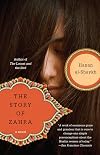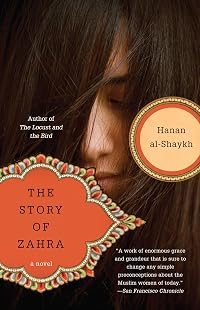
The Story of Zahra
by Hanan Al-Shaykh
On This Page
Description
Zahra, a young Lebanese woman haunted by memories of abuse by her parents, enters into a loveless marriage in West Africa and then returns to war-torn Beirut.Tags
Recommendations





Member Reviews
"I wanted to live for myself. I wanted my body to be mine alone. I wanted the place on which I stood and the air surrounding me to be mine and no one else's."
But, she's a woman, so this is unspeakably weird and wicked and ab-so-lute-ly impossible, and not self-understood and normal and not worth mentioning even, as it would be for a man.
Ah, Zahra. Poor downtrodden "flower", flailing about, more passive than any animal, in-between episodes of mindless violent reaction. How hard it is when the enemy can't be seen, defined, named, when the enemy is the entire world. Neurosis and mental illness can only be a natural response in those conditions.
She doesn't imagine a better life because even just imagining demands the existence of some show more pre-conditions of power and choice. In her world there is only one destiny for women, marriage and children. She's not considered desirable and becomes the mistress of the first guy who shows interest. It's a sad affair conducted on a cot in a garage and a remote cafe--he's married and doesn't plan to leave his family for her.
She has an abortion, then pays to "repair" her virginity, then takes up with her lover again--who doesn't even get to enjoy deflowering her again because he knows it's fake--then has a second abortion. And the whole time she not only doesn't enjoy the sex, the man disgusts her.
Off she goes to "Africa" (country unspecified and always just "Africa" in her mind) to spend some time with her uncle, a political exile. Uncle's inappropriate attentions spark another mental crisis in Zahra, who blindly accepts a random dude's marriage proposal, made just minutes after they met.
The marriage is awful and eventually broken. Zahra returns to Beirut, to her parents (where else...)
With the breakout of civil war there's a shift of Zahra's consciousness toward the outside. This doesn't lead anywhere special. She is now lost not just in her own life but the whole city, the country, is lost with her. In the apocalyptic chaos of a city at war with itself, she falls into an affair with a sniper, despite their first encounter being a rape. She thinks maybe this time... she enjoys sex for the first time. She doesn't know what is true or false, not sure even of his name. This goes on for months, then she discovers she's pregnant, although she was taking (or believed she was taking) contraceptive pills. The revelation ends the affair and Zahra's hope that her lover is someone other than what she thought at first, a stone-cold killer. show less
But, she's a woman, so this is unspeakably weird and wicked and ab-so-lute-ly impossible, and not self-understood and normal and not worth mentioning even, as it would be for a man.
Ah, Zahra. Poor downtrodden "flower", flailing about, more passive than any animal, in-between episodes of mindless violent reaction. How hard it is when the enemy can't be seen, defined, named, when the enemy is the entire world. Neurosis and mental illness can only be a natural response in those conditions.
She doesn't imagine a better life because even just imagining demands the existence of some show more pre-conditions of power and choice. In her world there is only one destiny for women, marriage and children. She's not considered desirable and becomes the mistress of the first guy who shows interest. It's a sad affair conducted on a cot in a garage and a remote cafe--he's married and doesn't plan to leave his family for her.
She has an abortion, then pays to "repair" her virginity, then takes up with her lover again--who doesn't even get to enjoy deflowering her again because he knows it's fake--then has a second abortion. And the whole time she not only doesn't enjoy the sex, the man disgusts her.
Off she goes to "Africa" (country unspecified and always just "Africa" in her mind) to spend some time with her uncle, a political exile. Uncle's inappropriate attentions spark another mental crisis in Zahra, who blindly accepts a random dude's marriage proposal, made just minutes after they met.
The marriage is awful and eventually broken. Zahra returns to Beirut, to her parents (where else...)
With the breakout of civil war there's a shift of Zahra's consciousness toward the outside. This doesn't lead anywhere special. She is now lost not just in her own life but the whole city, the country, is lost with her. In the apocalyptic chaos of a city at war with itself, she falls into an affair with a sniper, despite their first encounter being a rape. She thinks maybe this time... she enjoys sex for the first time. She doesn't know what is true or false, not sure even of his name. This goes on for months, then she discovers she's pregnant, although she was taking (or believed she was taking) contraceptive pills. The revelation ends the affair and Zahra's hope that her lover is someone other than what she thought at first, a stone-cold killer. show less
The theme of oppression of women often runs through books centering on Arab countries. This novel did include that as a major part of its story-telling, but it was quite forthright with regard to female sexuality. Overall a sad and depressing book, it highlights some of the author’s ideas about her own Lebanese culture.
First, there is the dominant male father figure who beats his women (i.e. wife, daughter) into good behavior. Next, there is the family feeling that marriage and children are the ultimate goal (and value?) of a young woman, but woe be it to her if she is not beautiful and desired. Last, there is the difficult situation a woman has in determining and accomplishing what exactly would fulfill her own hopes and dreams.
In show more this story, Zahra is an acne-faced woman who as a child had been taken along when her married mother had secret trysts with a lover. The pain of this always remained with Zahra when she herself was an adult. She took the opportunity to visit an uncle in Africa to remove herself from her own home situation, but, after living with her uncle, she was confronted with the decision whether or not to marry a man for whom she did not care.
There is a second part to this novel that takes place in wartime Lebanon. That section of the book almost seemed as if it were an unrelated novella. It talked about fear on the streets and in the home during wartime while it furthered the story of Zahra’s sexuality in an odd sort of way.
I didn’t find this a particularly easy book to read, but it certainly did delve into the otherwise hidden corners of female sexuality in a culture with many taboos against women. This is a brave and surprising work by a female Lebanese author who now lives in London. It would be a good read for anyone seeking insight into middle eastern cultures. show less
First, there is the dominant male father figure who beats his women (i.e. wife, daughter) into good behavior. Next, there is the family feeling that marriage and children are the ultimate goal (and value?) of a young woman, but woe be it to her if she is not beautiful and desired. Last, there is the difficult situation a woman has in determining and accomplishing what exactly would fulfill her own hopes and dreams.
In show more this story, Zahra is an acne-faced woman who as a child had been taken along when her married mother had secret trysts with a lover. The pain of this always remained with Zahra when she herself was an adult. She took the opportunity to visit an uncle in Africa to remove herself from her own home situation, but, after living with her uncle, she was confronted with the decision whether or not to marry a man for whom she did not care.
There is a second part to this novel that takes place in wartime Lebanon. That section of the book almost seemed as if it were an unrelated novella. It talked about fear on the streets and in the home during wartime while it furthered the story of Zahra’s sexuality in an odd sort of way.
I didn’t find this a particularly easy book to read, but it certainly did delve into the otherwise hidden corners of female sexuality in a culture with many taboos against women. This is a brave and surprising work by a female Lebanese author who now lives in London. It would be a good read for anyone seeking insight into middle eastern cultures. show less
The story of Zahra’s life: growing up in the Shia community of Beirut, joining her uncle, a political refugee in an African country, then returning home, as told by herself. Her time in Africa is again narrated from their different perspectives by her uncle and his friend with whom she hopes to find refuge in marriage. Not long and she returns alone to Beirut during the civil war.
Adorno once wrote that there is no right life within the false one the surrounding forces one to live: a task without a solution. Most, in one way or other, adjust to their false life. Zahra is unable to do so and breaks up: This is her story.
The writing draws one in from the first sentence and does not release you until the last. (VI-14)
Adorno once wrote that there is no right life within the false one the surrounding forces one to live: a task without a solution. Most, in one way or other, adjust to their false life. Zahra is unable to do so and breaks up: This is her story.
The writing draws one in from the first sentence and does not release you until the last. (VI-14)
Zahra, the protagonist, suffers from mental disorders. Some of it may be nature, but most of it is definitely from nurture. Her mother uses her to pretend that they're going on errands, while she goes to her sexual meetings. Her father beats the crap out of her all the time.
She's looking for the love that she's denied in her childhood, so when a man at her work takes her after work to have sex with her and use her, She goes along with it, not understanding why, just letting herself be used.
She doesn't know about birth control, so she gets pregnant. She wants to escape from the craziness of her home, so she goes to stay with her uncle in Egypt. But she's afraid of her uncle, afraid that he wants to get intimate with her, and so show more constantly locks herself in the bathroom.
A friend of her uncle wants to get married, so he zeros in on Zahra as an easy conquest.
To escape from the uncertainty of living with her uncle, she agrees to marry this man. But she can't stand him wanting to have sex with her, so she always locks herself in the bathroom.
Her whole life is just a repeat of this. It's a misery! It's only because it's a fiction, that saves me from being so sad for this character.
Some of the scenes in this book are so very strange. Here's one, after the protagonist's mother aborted twins:
"I remember the neighbors pouring into the bedroom to greet my mother, then peering into the soup dish where the tiny embryos swam. And then exclaiming, 'in the name of Allah, the all merciful. Blessed be the Creator. Look, here is a fully developed creature.' but one was more forthright and asked, 'why abortion after abortion?' another grew more outspoken still, and spat, swearing and shoving the dish aside 'I spit on the human being. Is this how we all are created - as minute as a fingernail becoming as huge as mules!' " show less
She's looking for the love that she's denied in her childhood, so when a man at her work takes her after work to have sex with her and use her, She goes along with it, not understanding why, just letting herself be used.
She doesn't know about birth control, so she gets pregnant. She wants to escape from the craziness of her home, so she goes to stay with her uncle in Egypt. But she's afraid of her uncle, afraid that he wants to get intimate with her, and so show more constantly locks herself in the bathroom.
A friend of her uncle wants to get married, so he zeros in on Zahra as an easy conquest.
To escape from the uncertainty of living with her uncle, she agrees to marry this man. But she can't stand him wanting to have sex with her, so she always locks herself in the bathroom.
Her whole life is just a repeat of this. It's a misery! It's only because it's a fiction, that saves me from being so sad for this character.
Some of the scenes in this book are so very strange. Here's one, after the protagonist's mother aborted twins:
"I remember the neighbors pouring into the bedroom to greet my mother, then peering into the soup dish where the tiny embryos swam. And then exclaiming, 'in the name of Allah, the all merciful. Blessed be the Creator. Look, here is a fully developed creature.' but one was more forthright and asked, 'why abortion after abortion?' another grew more outspoken still, and spat, swearing and shoving the dish aside 'I spit on the human being. Is this how we all are created - as minute as a fingernail becoming as huge as mules!' " show less
Read this as part of my Tour of International Fiction. This was in the Lebanese category. Not a bad story, but I'd have been just as happy with just about any other fiction book out there. I liked the way the author starts off with the story of a broken Lebanese adolescent, then follows with chapters retelling parts of that girl's story with the mens' perspectives. Then the second half wraps up from the girl's point of view. A decent, feminist story from a talented but not spectacular author. Nothing more than "okay."
Ratings
Members
- Recently Added By
Lists

Best of World Literature
434 works; 51 members

Middle East Fiction
179 works; 16 members

Middle Eastern Literature & Non-Fiction
99 works; 3 members

Books Read in 2013
1,630 works; 51 members

Books bought at library sales
98 works; 4 members

Arab and Arab Diaspora Literature We Recommend
112 works; 53 members
Author Information

22+ Works 1,981 Members
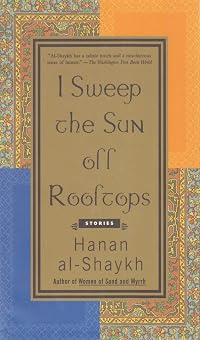
Hanan al-Shaykh was born & raised in Lebanon. She is the author of three novels - "Women of Sand & Myrrh", "The Story of Zahra" & "Beirut Blues" - as well as a collection of short stories, "I Sweep the Sun off Rooftops". She currently lives in London with her husband & two children. (Bowker Author Biography)
Some Editions
Awards and Honors
Notable Lists
Common Knowledge
- Canonical title
- The Story of Zahra
- Important places
- Lebanon; Beirut, Lebanon
- Important events
- Lebanese Civil War (1975-1990)
- First words
- We stood trembling behind the door.
- Last words
- (Click to show. Warning: May contain spoilers.)I see rainbows processing towards me across the white skies with their promises of menace.
- Original language
- Arabic
Classifications
- Genres
- Fiction and Literature, General Fiction
- DDC/MDS
- 892.736 — Literature & rhetoric Literatures of other languages Afro-Asiatic literatures Arabic (Egypt, Lebanon, Palestine, Saudi Arabia, Sudan) Arabic fiction 1945–2000
- LCC
- PJ7862 .H356 .H5513 — Language and Literature Oriental languages and literatures Oriental philology and literature Arabic Arabic literature Individual authors or works
- BISAC
Statistics
- Members
- 258
- Popularity
- 125,522
- Reviews
- 5
- Rating
- (3.30)
- Languages
- 6 — Dutch, English, French, German, Italian, Spanish
- Media
- Paper
- ISBNs
- 14
- ASINs
- 1