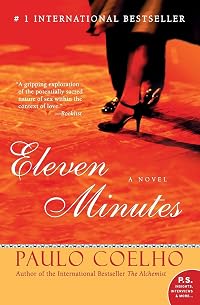
Eleven Minutes
by Paulo Coelho
On This Page
Description
Eleven Minutes is the story of Maria, a young girl from a Brazilian village, whose first innocent brushes with love leave her heartbroken. At a tender age, she becomes convinced that she will never find true love, instead believing that "love is a terrible thing that will make you suffer. . . ." A chance meeting in Rio takes her to Geneva, where she dreams of finding fame and fortune. Maria's despairing view of love is put to the test when she meets a handsome young painter. In this odyssey show more of self-discovery, Maria has to choose between pursuing a path of darkness -- sexual pleasure for its own sake -- or risking everything to find her own "inner light" and the possibility of sacred sex, sex in the context of love. This P.S. edition features an extra 16 pages of insights into the book, including author interviews, recommended reading, and more. show lessTags
Recommendations

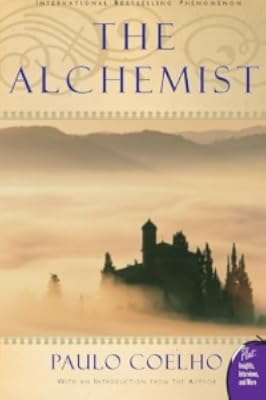
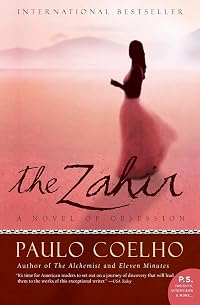
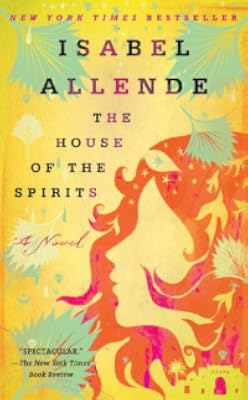
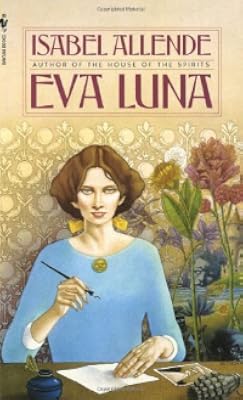
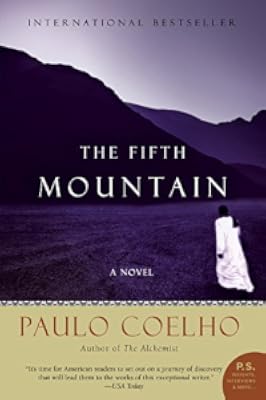
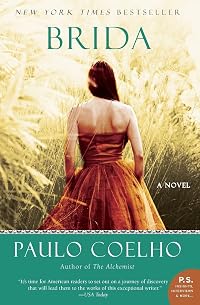

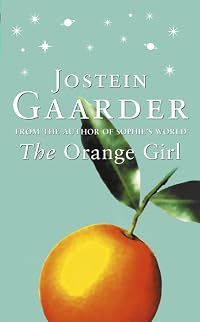

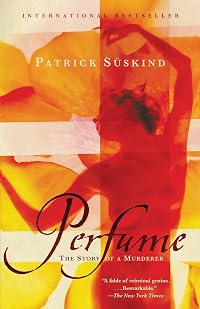
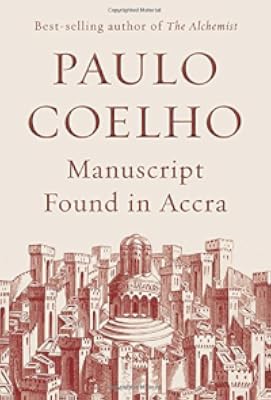
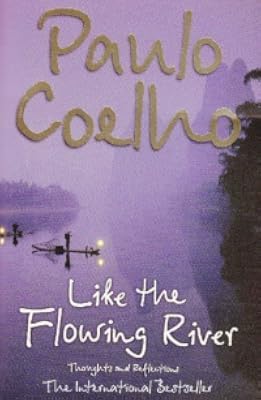
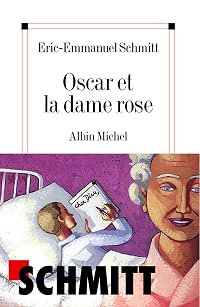
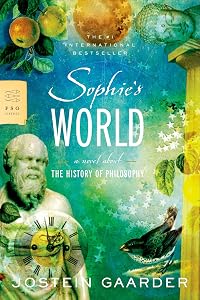


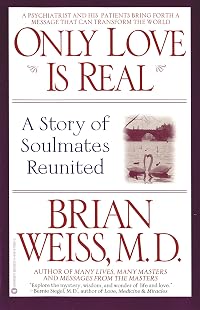
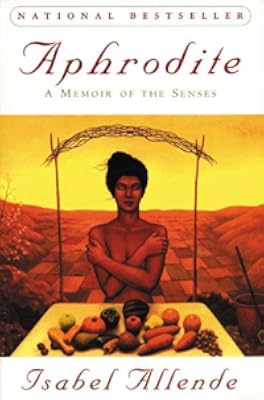
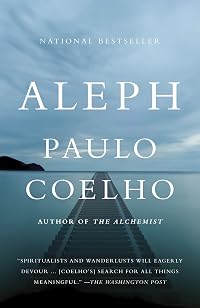
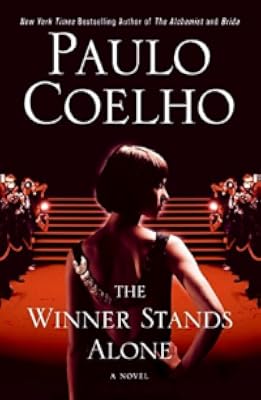
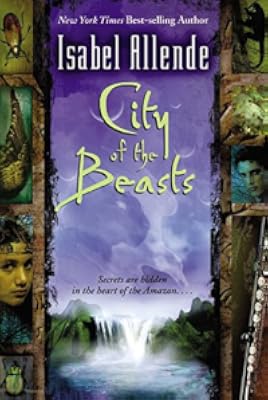
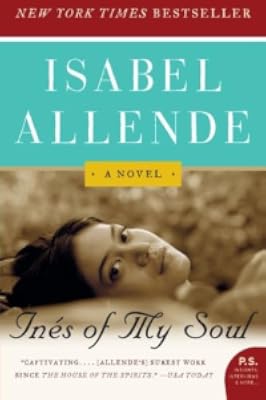

Member Recommendations


Member Reviews
“Everything tells me that I am about to make a wrong decision, but making mistakes is just part of life. What does the world want of me? Does it want me to take no risks, to go back to where I came from because I didn't have the courage to say "yes" to life?”
Eleven Minutes tells the tale a young woman named Maria who leaves her home town in the Brazilian interior to go to Geneva, Switzerland, in search of adventure and love. She originally goes as a dancer but when this proves not to be what she had hoped for and instead pursues a career in prostitution in order to make enough money to return home. Whilst in Switzerland, Maria experiences pain, pleasure, and love and must decide the correct path for her life.
Desire is a major theme show more throughout. Maria realises that she is different from her family and school friends and desires the to leave her own town and find adventure. She takes the first opportunity she has to visit Rio where she is spotted and given the chance to travel to Switzerland. Obviously sex is also a desire in particular by the men who pay for it but Maria also desires true love and eventually a family. Yet once in both Geneva she fails to really do anything other than wander around the city and work never leaving the city's environs suggesting that desire is more preferable to attainment.
Initially I thought that this might be an expose of the white slavery trade but in the end read like a lot of moralising with a lengthy segment about the cliterous which seemed to add little to the story. Rather sections read like an extended soft-porn tale with little of the mystic qualities that the author's books are usually renowned for. Overall I found this disappointing but then perhaps it was just my male ego taking a hefty knock. show less
Eleven Minutes tells the tale a young woman named Maria who leaves her home town in the Brazilian interior to go to Geneva, Switzerland, in search of adventure and love. She originally goes as a dancer but when this proves not to be what she had hoped for and instead pursues a career in prostitution in order to make enough money to return home. Whilst in Switzerland, Maria experiences pain, pleasure, and love and must decide the correct path for her life.
Desire is a major theme show more throughout. Maria realises that she is different from her family and school friends and desires the to leave her own town and find adventure. She takes the first opportunity she has to visit Rio where she is spotted and given the chance to travel to Switzerland. Obviously sex is also a desire in particular by the men who pay for it but Maria also desires true love and eventually a family. Yet once in both Geneva she fails to really do anything other than wander around the city and work never leaving the city's environs suggesting that desire is more preferable to attainment.
Initially I thought that this might be an expose of the white slavery trade but in the end read like a lot of moralising with a lengthy segment about the cliterous which seemed to add little to the story. Rather sections read like an extended soft-porn tale with little of the mystic qualities that the author's books are usually renowned for. Overall I found this disappointing but then perhaps it was just my male ego taking a hefty knock. show less
In its dedication, author Paulo Coelho warns readers of his newest novel of its potentially disturbing topic, a subject he claims to be “harsh, difficult, shocking.�? He needn’t have worried: despite writing a book mainly about sex and its secrets, the novel has already become a bestseller the world over.
However, while the subject of sex may be viewed as harsh, even difficult, what is truly shocking about Eleven Minutes is how trite, how smug, how absolutely dull it all is.
The award-winning Brazilian author has built himself a widespread reputation as a writer of allegories, understated tales of identity and self-discovery that serve to reveal simple truths to his readers. Through stories such as his bestseller The Alchemist, show more Coelho’s parables, like the fables of Aesop, are designed to teach as well as entertain.
In this vein, Coelho presents Eleven Minutes as a modern fairy tale, going so far as to open his story with the phrase, “Once upon a time.�? While sex is a decidedly adult theme, he explains that since “we all have one foot in a fairy tale and the other in the abyss,�? the storybook beginning is appropriate for what follows.
Maria is a young Brazilian woman who falls for the spiel of a Swiss businessman, finding herself whisked to Switzerland with the lure of fame and fortune. Through a quick series of missteps, she falls into prostitution, working independently out of a nightclub while striving to save enough money to return home.
Maria, innocent yet wise, views her situation as an exercise in self-control and freedom, and begins to search for the meaning of sex with and without love. She studies books at the library, hoping to uncover a reason why the world seemingly “revolved around something that only took eleven minutes.�?
Taking its title from Irving Wallace’s novel The Seven Minutes (Coelho feels Wallace’s estimation of the time of the sexual act was too conservative), Coelho attempts through his narrative to renew the reader’s acquaintance with the sacredness of sex.
To Coelho, the act itself, those brief eleven minutes, is of minor importance in a relationship of love and understanding. It only regains its significance when seen as a continuation of one’s ongoing love of another, the overall connection of two souls where the physical act of love is a logical extension, rather than the short-lived intermingling of bodies for instant gratification.
A nice sentiment, but Coelho writes with such overwhelming condescension that any point becomes lost in a morass of speechifying characters and anatomically accurate descriptions of female genitalia (presumably the “shocking�? part of the book).
His Pretty Woman-like scenario, complete with the mysterious painter with hidden depths (is there any other kind?), coupled with prose that reads like a kindergarten teacher lecturing five-year-olds, results in a story of such banality that any revelations as to the character and significance of sex are ultimately overwhelmed.
Eleven Minutes reads like what it really is, a high-toned bodice-ripper with pretensions of wisdom. Coelho’s intentions may have been sincere, but his product is morally dishonest, a chastising lecture on the sexual follies of the young. show less
However, while the subject of sex may be viewed as harsh, even difficult, what is truly shocking about Eleven Minutes is how trite, how smug, how absolutely dull it all is.
The award-winning Brazilian author has built himself a widespread reputation as a writer of allegories, understated tales of identity and self-discovery that serve to reveal simple truths to his readers. Through stories such as his bestseller The Alchemist, show more Coelho’s parables, like the fables of Aesop, are designed to teach as well as entertain.
In this vein, Coelho presents Eleven Minutes as a modern fairy tale, going so far as to open his story with the phrase, “Once upon a time.�? While sex is a decidedly adult theme, he explains that since “we all have one foot in a fairy tale and the other in the abyss,�? the storybook beginning is appropriate for what follows.
Maria is a young Brazilian woman who falls for the spiel of a Swiss businessman, finding herself whisked to Switzerland with the lure of fame and fortune. Through a quick series of missteps, she falls into prostitution, working independently out of a nightclub while striving to save enough money to return home.
Maria, innocent yet wise, views her situation as an exercise in self-control and freedom, and begins to search for the meaning of sex with and without love. She studies books at the library, hoping to uncover a reason why the world seemingly “revolved around something that only took eleven minutes.�?
Taking its title from Irving Wallace’s novel The Seven Minutes (Coelho feels Wallace’s estimation of the time of the sexual act was too conservative), Coelho attempts through his narrative to renew the reader’s acquaintance with the sacredness of sex.
To Coelho, the act itself, those brief eleven minutes, is of minor importance in a relationship of love and understanding. It only regains its significance when seen as a continuation of one’s ongoing love of another, the overall connection of two souls where the physical act of love is a logical extension, rather than the short-lived intermingling of bodies for instant gratification.
A nice sentiment, but Coelho writes with such overwhelming condescension that any point becomes lost in a morass of speechifying characters and anatomically accurate descriptions of female genitalia (presumably the “shocking�? part of the book).
His Pretty Woman-like scenario, complete with the mysterious painter with hidden depths (is there any other kind?), coupled with prose that reads like a kindergarten teacher lecturing five-year-olds, results in a story of such banality that any revelations as to the character and significance of sex are ultimately overwhelmed.
Eleven Minutes reads like what it really is, a high-toned bodice-ripper with pretensions of wisdom. Coelho’s intentions may have been sincere, but his product is morally dishonest, a chastising lecture on the sexual follies of the young. show less
3.5***
Maria is a young girl form a small Brazilian town. Her first love leaves her heartbroken and she becomes convinced that she is destined to never find true love. She works in a drapery firm, where she fends off her boss. On a trip to Rio de Janeiro she meets a “businessman” who promises her fame and fortune in Switzerland.
Well this went in a direction I wasn’t expecting. Yes, of course, Maria winds up a prostitute and not a famous movie actress, but she comes to understand much about herself and the world. She starts going to the library and reads up on a wide variety of topics. She opens a bank account and saves for her eventual return to Brazil, where she plans to buy a farm for her parents. She explores her sexuality in show more ways she never expected and thinks long and hard about the meaning of love and whether it really exists.
There were several times when I thought that Coelho really doesn’t know women at all. And still, I was captivated by Maria and her journey.
I had previously read Coelho’s The Alchemist and was not enthralled. At the outset of this book I felt it might just be the author’s attempt to write the same book with a female protagonist. But the strength and beauty of Coelho’s writing carried me away.
I was heading for a 4-star rating, but the fairy tale ending lost a half star for me. show less
Maria is a young girl form a small Brazilian town. Her first love leaves her heartbroken and she becomes convinced that she is destined to never find true love. She works in a drapery firm, where she fends off her boss. On a trip to Rio de Janeiro she meets a “businessman” who promises her fame and fortune in Switzerland.
Well this went in a direction I wasn’t expecting. Yes, of course, Maria winds up a prostitute and not a famous movie actress, but she comes to understand much about herself and the world. She starts going to the library and reads up on a wide variety of topics. She opens a bank account and saves for her eventual return to Brazil, where she plans to buy a farm for her parents. She explores her sexuality in show more ways she never expected and thinks long and hard about the meaning of love and whether it really exists.
There were several times when I thought that Coelho really doesn’t know women at all. And still, I was captivated by Maria and her journey.
I had previously read Coelho’s The Alchemist and was not enthralled. At the outset of this book I felt it might just be the author’s attempt to write the same book with a female protagonist. But the strength and beauty of Coelho’s writing carried me away.
I was heading for a 4-star rating, but the fairy tale ending lost a half star for me. show less
The novel was unique from the beginning. We see the main character grow older and make mistakes over and over until she begins a rapid downward spiral with prostitution and starts dipping her toes in some... really weird shit.
Quick side note to get it out of the way, and I think it's been said many times before, but the weird shit, no actually, any of the "explicit stuff" at all, literally seemed like it was made for gooners. It did this novel zero favours to be so graphic.
Anyway, back to the book itself. I liked the premise of the story and I thought it would go the same direction as it did, but then... the very ending itself was so super cliché. The execution was not great. The dynamics Maria had with other characters were nothing show more great... at all. In fact, I struggle to call it good. Yeah, it's not good. It's bad.
But I do like that we get to see Maria's thoughts unravel as time goes on, and she never lets go of her passions and dreams. She is sure of herself and what she wants, which makes her character very different to what you'd expect from someone who'd led a similar life to her. I don't know if that's bad writing or just her being a unique character, but I'll assume the latter because I don't want to be a hater. The story, to me, was about materialism vs. connection. In the end, the obvious one won out, and the story wrapped up fine. But to say I was invested in the book all the way would be a lie. More dialogue, more NATURAL dialogue, would likely be the most important thing in making this book better than what it is. The character dynamics definitely needed more work. Also, just in general more events / plot points. It was a very straightforward story with not much happening behind the scenes.
Although I critique the ending for being cliché, it does make sense as an ending, and overall is "okay" or even "good". Maria decides, despite all the walls she's built and all her hesitancy (formed by a lifetime of erring), to roll the dice once more, in the hopes that love really does exist. Without anxiety for the future, and fully prepared to face whatever "is" and "will be", she decides to live according to her own wishes.
All because she has the maturity, independence, and agency to make her own decisions to pave her own path in life. show less
Quick side note to get it out of the way, and I think it's been said many times before, but the weird shit, no actually, any of the "explicit stuff" at all, literally seemed like it was made for gooners. It did this novel zero favours to be so graphic.
Anyway, back to the book itself. I liked the premise of the story and I thought it would go the same direction as it did, but then... the very ending itself was so super cliché. The execution was not great. The dynamics Maria had with other characters were nothing show more great... at all. In fact, I struggle to call it good. Yeah, it's not good. It's bad.
But I do like that we get to see Maria's thoughts unravel as time goes on, and she never lets go of her passions and dreams. She is sure of herself and what she wants, which makes her character very different to what you'd expect from someone who'd led a similar life to her. I don't know if that's bad writing or just her being a unique character, but I'll assume the latter because I don't want to be a hater. The story, to me, was about materialism vs. connection. In the end, the obvious one won out, and the story wrapped up fine. But to say I was invested in the book all the way would be a lie. More dialogue, more NATURAL dialogue, would likely be the most important thing in making this book better than what it is. The character dynamics definitely needed more work. Also, just in general more events / plot points. It was a very straightforward story with not much happening behind the scenes.
Although I critique the ending for being cliché, it does make sense as an ending, and overall is "okay" or even "good". Maria decides, despite all the walls she's built and all her hesitancy (formed by a lifetime of erring), to roll the dice once more, in the hopes that love really does exist. Without anxiety for the future, and fully prepared to face whatever "is" and "will be", she decides to live according to her own wishes.
All because she has the maturity, independence, and agency to make her own decisions to pave her own path in life. show less
Në këtë odise vetëzbulimi, Maries i duhet të zgjedhë midis rrugës së errët të kënaqësisë seksuale si qëllim në vetvete apo të rrezikojë gjithçka për të gjetur “dritën e saj të brendshme” dhe të seksit të shenjtë, pra të seksit në kontekstin e dashurisë."Njëmbëdhjetë minuta" rrëfen historinë e një vajze, Maries, nga një provincë e Brazilit, e cila mbetet zemërthyer nga përvoja e saj e parë në dashuri. Ndaj dhe që në moshë fare të njomë ajo druhet se s’ka për ta gjetur kurrë ndonjëherë dashurinë. Si pasojë e një takimi rastësor në Rio, ajo gjendet në Gjenevë, me ëndrrën e famës dhe fatit, por që përfundon rrugëve si prostitutë. Në Gjenevë Maria largohet edhe më shumë show more nga dashuria, ndërkohë që ndihet e magjepsur me seksin. Por në fakt, ky qëndrim i saj i dëshpëruar ndaj dashurisë vihet në provë kur ajo takon një piktor të ri, të pashëm e të famshëm.
Në këtë odise vetëzbulimi, Maries i duhet të zgjedhë midis rrugës së errët të kënaqësisë seksuale si qëllim në vetvete apo të rrezikojë gjithçka për të gjetur “dritën e saj të brendshme” dhe të seksit të shenjtë, pra të seksit në kontekstin e dashurisë. show less
Në këtë odise vetëzbulimi, Maries i duhet të zgjedhë midis rrugës së errët të kënaqësisë seksuale si qëllim në vetvete apo të rrezikojë gjithçka për të gjetur “dritën e saj të brendshme” dhe të seksit të shenjtë, pra të seksit në kontekstin e dashurisë. show less
It was basically a boring book. I don't think Coelho knows half as much about women as he thinks he does. I doubt that he has spent any time in Geneva except maybe the sex bars. (I lived there for three years, and would have liked a little familiar local colour.)
It is also dangerous because it trivializes the very real hazards most women face when they are brought to Europe by strangers. Most of them don't have any choice about prostitution; most of them don't have legal status; most of them end up a year later with HIV, not with the money to go home and buy a farm.
It is also dangerous because it trivializes the very real hazards most women face when they are brought to Europe by strangers. Most of them don't have any choice about prostitution; most of them don't have legal status; most of them end up a year later with HIV, not with the money to go home and buy a farm.
The parallels between Maria and the shepherd in The Alchemist are clear, and easy to see early on. And for about a third of the book, I was disappointed that Coehlo chose to make the modern female counterpart to the shepherd a prostitute. (I still think he could have found a better adventure for a modern female.)
However, the lessons from this book are worth putting that aside and getting through the rest. Not quite a must-read, but it will give plenty to think about to those who go along for this ride.
However, the lessons from this book are worth putting that aside and getting through the rest. Not quite a must-read, but it will give plenty to think about to those who go along for this ride.
Members
- Recently Added By
Author Information

231+ Works 101,066 Members
Paulo Coelho was born in Rio de Janeiro, Brazil on August 24, 1947. As a teenager, he wanted to become a writer, but his parents wanted him to pursue a more substantial and secure career. At the age of 17, his introversion and opposition to his parents led them to commit him to a mental institution. He escaped three times before being released at show more the age of 20. Once released, he abandoned his ideas of becoming a writer and enrolled in law school to please his parents. He stayed in law school for one year. In 1986, Coelho walked the 500-plus mile Road of Santiago de Compostela in northwestern Spain, a turning point in his life. On the path, he had a spiritual awakening, which he described in his book The Pilgrimage. Before becoming a full-time author, he worked as theatre director and actor, lyricist, and journalist. He wrote song lyrics for many famous performers in Brazilian music including Elis Regina, Rita Lee, and Raul Seixas. His first book, Hell Archives, was published in 1982. He has written over 25 books since then including The Alchemist, Brida, The Fifth Mountain, The Devil and Miss Prym, Eleven Minutes, The Zahir, The Witch of Portobello, Like a Flowing River, and Adultery. He received numerous awards including Las Pergolas Prize, The Budapest Prize, Nielsen Gold Book Award, and the Grand Prix Litteraire Elle. In 1996, he founded the Paulo Coelho Institute, which provides aid to children and elderly people with financial problems. In 2007, Coelho was named a Messenger of Peace to the United Nations. (Bowker Author Biography) show less
Some Editions
Awards and Honors
Awards
Distinctions
Notable Lists
Series
Belongs to Publisher Series
Libri Oro [Bompiani] (11)
detebe (23444)
Common Knowledge
- Canonical title
- Eleven Minutes
- Original title
- Onze Minutos
- Original publication date
- 2003
- People/Characters
- Maria
- Important places
- Brazil; Rio de Janeiro, Rio de Janeiro, Brasil; Geneva, Geneva, Switzerland
- First words
- Erase una vez una prostituta llamada María.
- Last words
- (Click to show. Warning: May contain spoilers.)Erase una vez...
- Original language*
- Portugisisch
*Some information comes from Common Knowledge in other languages. Click "Edit" for more information.
Classifications
- Genres
- General Fiction, Fiction and Literature
- DDC/MDS
- 813 — Literature & rhetoric American literature in English American fiction in English
- LCC
- PQ9698.13 .O3546 .O5913 — Language and Literature French, Italian, Spanish and Portuguese literatures Portuguese literature Provincial, local, colonial, etc. Brazil
- BISAC
Statistics
- Members
- 5,844
- Popularity
- 2,236
- Reviews
- 98
- Rating
- (3.51)
- Languages
- 36 — Albanian, Arabic, Catalan, Czech, Danish, Dutch, English, Estonian, Finnish, French, German, Greek, Gujarati, Hebrew, Hindi, Hungarian, Icelandic, Indonesian, Italian, Japanese, Lithuanian, Malayalam, Norwegian (Bokmål), Panjabi, Polish, Romanian, Russian, Serbian, Croatian, Slovak, Spanish, Swedish, Thai, Turkish, Ukrainian, Portuguese (Portugal)
- Media
- Paper, Audiobook, Ebook
- ISBNs
- 176
- UPCs
- 1
- ASINs
- 38