The Wives of Henry Oades
by Johanna Moran 
On This Page
Description
When Henry Oades accepts an accountancy post in New Zealand, his wife, Margaret, and their children follow him to exotic Wellington. But while Henry is an adventurer, Margaret is not. Their new home is rougher and more rustic than they expected--and a single night of tragedy shatters the family when the native Maori stage an uprising, kidnapping Margaret and her children. nbsp;nbsp;nbsp; For months, Henry scours the surrounding wilderness, until all hope is lost and his wife and children are show more presumed dead. Grief-stricken, he books passage to California. There he marries Nancy Foreland, a young widow with a new baby, and it seems they've both found happiness in the midst of their mourning--until Henry's first wife and children show up, alive and having finally escaped captivity. nbsp;nbsp;nbsp; Narrated primarily by the two wives, and based on a real-life legal case, The Wives of Henry Oades is the riveting story of what happens when Henry, Margaret, and Nancy face persecution for bigamy. Exploring the intricacies of marriage, the construction of family, the changing world of the late 1800s, and the strength of two remarkable women, Johanna Moran turns this unusual family's story into an unforgettable page-turning drama. show lessTags
Recommendations
























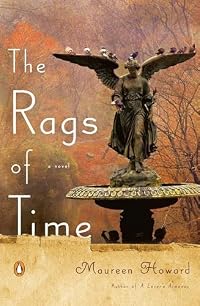


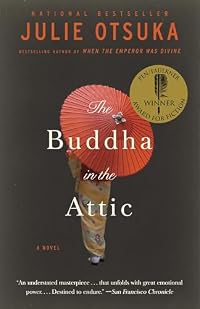










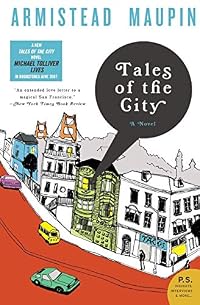


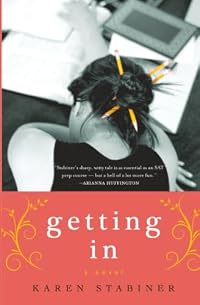
Member Recommendations

Member Reviews
During the late 19th century, Henry Oades was looking to get ahead in his career and make an even better life for his family when he agreed to take a position that required he move his family from England to a much less civilized New Zealand. His wife Meg didn't really want to leave her family, but supported her husband because it would only be for a few years. What neither of them anticipated was the hostility between white settlers and the native Maori increasing after their arrival. One evening, in revenge of a Maori beating, Henry's family is kidnapped while he is away at work. From there begins a heart wrenching nightmare almost beyond comprehension. After holding out hope longer than most people felt sane, Henry eventually leaves show more New Zealand for America. In San Fransisco, he discovers a love for farming and eventually falls in love with a young widow. Shorty after Henry and Nancy marry, Meg brings her family out of captivity. When Henry and his first family reunite, a struggle of a much different kind begins.
When I saw information about The Wives of Henry Oades while reviewing the list of Early Reviewer books last year, I knew it was one that I'd have to read. I could not imagine what it would be like to be in Henry Oades' shoes. He believed he had lost his entire family and it was only reluctantly that he set off to start his life over again. Just when he found purpose and contentment, he learns that his original family was alive and well. What would you do? Worse yet, what would or could a woman in the late 19th century do if she was given up for dead and her husband remarried? What would or could a young widow with a small baby do when her new husband's dead wife shows up on her doorstep. I was so thrilled to learn that I had snagged it because I was going to be able to find out.
This book was a perfect match for me. I love that it was told mainly through the voices of Meg and Nancy, Henry's two wives. I was intrigued from the very first when Meg and Henry set off to New Zealand and I didn't want to put the book down until it was finished. Some parts were difficult to read, especially the scenes of the kidnapping and the direct aftermath, but I could not stop reading. I also found it interesting how Berkeley society, now seen as such a liberal, accepting place, could not see the difference between purposeful bigamy and an accident of fate that fell upon both halves of Henry's family. The community was too busy titillating themselves with what might be happening behind the Oades' doors to take take stock of what really did.
The Wives of Henry Oades was inspired by a legal extract about the Oades case that Moran's father brought home to her mother. What an interesting launching pad of a novel. I enjoyed it all the way through. I do have one lingering question about a decision Henry makes along the way, but mentioning that here would give too much of the story away. My question aside, there would be an evening's worth of topics to discuss after reading this novel. It would also be interesting to read this novel and The 19th Wife back to back and discuss the impact of bigamy on the women involved during the 19th century. I highly recommend this novel. There are so many ways to look at this novel and the events it brings to life. I would love to hear what you think. show less
When I saw information about The Wives of Henry Oades while reviewing the list of Early Reviewer books last year, I knew it was one that I'd have to read. I could not imagine what it would be like to be in Henry Oades' shoes. He believed he had lost his entire family and it was only reluctantly that he set off to start his life over again. Just when he found purpose and contentment, he learns that his original family was alive and well. What would you do? Worse yet, what would or could a woman in the late 19th century do if she was given up for dead and her husband remarried? What would or could a young widow with a small baby do when her new husband's dead wife shows up on her doorstep. I was so thrilled to learn that I had snagged it because I was going to be able to find out.
This book was a perfect match for me. I love that it was told mainly through the voices of Meg and Nancy, Henry's two wives. I was intrigued from the very first when Meg and Henry set off to New Zealand and I didn't want to put the book down until it was finished. Some parts were difficult to read, especially the scenes of the kidnapping and the direct aftermath, but I could not stop reading. I also found it interesting how Berkeley society, now seen as such a liberal, accepting place, could not see the difference between purposeful bigamy and an accident of fate that fell upon both halves of Henry's family. The community was too busy titillating themselves with what might be happening behind the Oades' doors to take take stock of what really did.
The Wives of Henry Oades was inspired by a legal extract about the Oades case that Moran's father brought home to her mother. What an interesting launching pad of a novel. I enjoyed it all the way through. I do have one lingering question about a decision Henry makes along the way, but mentioning that here would give too much of the story away. My question aside, there would be an evening's worth of topics to discuss after reading this novel. It would also be interesting to read this novel and The 19th Wife back to back and discuss the impact of bigamy on the women involved during the 19th century. I highly recommend this novel. There are so many ways to look at this novel and the events it brings to life. I would love to hear what you think. show less
 This review was written for LibraryThing Early Reviewers.
It’s been quite a while since a book kept me up ‘til 2 in the morning the way this one did. So much of it reminded me of other, equally compelling stories: Green Dolphin Street, and Calico Captive—the Maori uprising, the enforced captivity, the deprivations of life in the wild for people who had only known a settled life. And in those books, as in this one, it is the strength and valor of the women that draws the reader in.
Margaret, especially. Uprooted from her “contented homebody” life to go with Henry halfway across the world, two small children in tow, on what he promises will be an absence from England and her parents for only 2 years. She miscarries on the voyage out, then has twins the following year. And with only show more months to go of the original 2-year stint, Henry accepts a promotion, extending their stay, for not even he can say how much longer. Margaret does her best to make each place they stay habitable and homey: the too-small cabin, the squalid little flat, the cottage with its pretty garden (“roses…yellow mainly and some red. We have gardenias as well, sweet violets, fuchsia and blue hydrangea…”) and multiple problems: moths, leaky roof, muddy roads. In an era when childbirth had a high mortality rate, she bears 4 children, miscarries 3 more, and endures watching one of the twins being suffocated in a sack like an unwanted kitten. Slavery, smallpox, tooth problems—all without losing her sense of decorum (teaching the children English, French, and manners after a day’s labor in the fields—so they would be prepared to rejoin civilization when the time came), or her steadfast belief she’d be reunited with Henry. No wonder she resents him for leaving New Zealand: he was the one who dragged her into this mess, the least he could have done was wait for her.
“Her husband and children were all she wanted on this earth. Nothing more. Only that…All wrongs could be righted here and now if he’d take her in his arms and hold her. But he did not.”
Nancy has it no easier: sent away by her father after her mother dies, left alone when the elderly aunt and uncle who’d been her guardians died, she thought she’d been rewarded finally, with her marriage to Francis. They loved each other, he had a steady job, they had their small savings, and the baby on the way—only for the fire to claim both husband and savings, and her father to declare himself still unable to care for her: “By the time you read this, I will be in Europe with the Barnum and Bailey Circus.” “Like a little boy running off to join the circus.” Lost and bereft, when Henry proposes, she accepts more out of sheer relief than any sense of romance: “She liked him fine, gentle as he was, and she trusted him. But that was not saying she was even remotely in love with him. He couldn’t suppose she was. Though what did love mean or matter at this stage anyway?” Later: “Nancy found contentment eventually.” Love, too: “She hadn’t loved him at first crack; but she did now.”—a realization she comes to about a month after Margaret’s arrival. I was not clear on how long Nancy and Henry have been married when Margaret turns up. Less than six months, anyway, so I don’t know that Margaret’s arrival is the catalyst: I think Nancy would have come to love him either way.
It’s Margaret who settles for simple contentment in the end: her inheritance allows her financial independence (rare for women of that time period), her work at the milliner’s shop gives her an Englishwoman as a link to home, the children settled (Josephine working as a dresser’s assistant, John married to the irritating Dora), new children delivered safely (“Mary…came in the night as they liked to do, headfirst and fast. Margaret loved her immediately and without reservation.” ), and Margaret’s own feelings (“Henry. Margaret loved him still, for the same reasons she loved him once…[but] she no longer felt a wife’s desire for him, not really, and it was a profound relief.”) are what set her free from the past. “Somewhere along the way, her husband’s wife had become a friend, as true a friend as any Margaret had ever known.” show less
Margaret, especially. Uprooted from her “contented homebody” life to go with Henry halfway across the world, two small children in tow, on what he promises will be an absence from England and her parents for only 2 years. She miscarries on the voyage out, then has twins the following year. And with only show more months to go of the original 2-year stint, Henry accepts a promotion, extending their stay, for not even he can say how much longer. Margaret does her best to make each place they stay habitable and homey: the too-small cabin, the squalid little flat, the cottage with its pretty garden (“roses…yellow mainly and some red. We have gardenias as well, sweet violets, fuchsia and blue hydrangea…”) and multiple problems: moths, leaky roof, muddy roads. In an era when childbirth had a high mortality rate, she bears 4 children, miscarries 3 more, and endures watching one of the twins being suffocated in a sack like an unwanted kitten. Slavery, smallpox, tooth problems—all without losing her sense of decorum (teaching the children English, French, and manners after a day’s labor in the fields—so they would be prepared to rejoin civilization when the time came), or her steadfast belief she’d be reunited with Henry. No wonder she resents him for leaving New Zealand: he was the one who dragged her into this mess, the least he could have done was wait for her.
“Her husband and children were all she wanted on this earth. Nothing more. Only that…All wrongs could be righted here and now if he’d take her in his arms and hold her. But he did not.”
Nancy has it no easier: sent away by her father after her mother dies, left alone when the elderly aunt and uncle who’d been her guardians died, she thought she’d been rewarded finally, with her marriage to Francis. They loved each other, he had a steady job, they had their small savings, and the baby on the way—only for the fire to claim both husband and savings, and her father to declare himself still unable to care for her: “By the time you read this, I will be in Europe with the Barnum and Bailey Circus.” “Like a little boy running off to join the circus.” Lost and bereft, when Henry proposes, she accepts more out of sheer relief than any sense of romance: “She liked him fine, gentle as he was, and she trusted him. But that was not saying she was even remotely in love with him. He couldn’t suppose she was. Though what did love mean or matter at this stage anyway?” Later: “Nancy found contentment eventually.” Love, too: “She hadn’t loved him at first crack; but she did now.”—a realization she comes to about a month after Margaret’s arrival. I was not clear on how long Nancy and Henry have been married when Margaret turns up. Less than six months, anyway, so I don’t know that Margaret’s arrival is the catalyst: I think Nancy would have come to love him either way.
It’s Margaret who settles for simple contentment in the end: her inheritance allows her financial independence (rare for women of that time period), her work at the milliner’s shop gives her an Englishwoman as a link to home, the children settled (Josephine working as a dresser’s assistant, John married to the irritating Dora), new children delivered safely (“Mary…came in the night as they liked to do, headfirst and fast. Margaret loved her immediately and without reservation.” ), and Margaret’s own feelings (“Henry. Margaret loved him still, for the same reasons she loved him once…[but] she no longer felt a wife’s desire for him, not really, and it was a profound relief.”) are what set her free from the past. “Somewhere along the way, her husband’s wife had become a friend, as true a friend as any Margaret had ever known.” show less
Hegel once said that "genuine tragedies in the world...are conflicts between two rights." If this is true, then The Wives of Henry Oades is a tragedy in every sense of the word. Henry Oades and his second wife, Nancy, operate a dairy farm in California at the turn of the 20th century. Their lives are turned upside down by the appearance of Henry's first wife, Margaret, and her children, all of whom spent years as Maori captives and were thought long dead. Readers who fear a tearjerker shouldn't be put off, however; Johanna Moran has crafted a real page-turner for her first novel. While poignant, bittersweet, and heartbreaking, Moran deftly restrains sentimentality, aided in large part by the character Margaret. By many measures, show more Margaret gets the short end of the stick, yet it is her maturity and restraint that help Nancy and Henry through situations that she has already survived. show less
This review was written for LibraryThing Early Reviewers.Wow. A good read. I couldn't put it down. It's a story based on a real situation and trial that occured in the very early 1900s. Henry Oades and his wife, Margaret go from England to New Zealand with their children in tow for an accounting promotion. Well, the white folks in New Zealand anger the natives and in retaliation, the natives decide to wreak their own havoc on the white folks and as luck would have it, they choose Henry Oades's house. The natives capture Margaret and all the children and burn the house down. Henry never finds them and after a few years, decides to move on and goes to America.
Boy is he and wife number two, Nancy, surprised when Margarent and children show up on their door step five years later! Well... to make show more a long story short, Americans don't take too kindly to polygamy and a major court case ensues. Which wife will come out on top? Whose children will be declared "bastards?"
Very unputdownable. I had ONE issue tho. Henry has TWO wives and upon discovering each other, neither wife nags or questions Henry. There are no private conversations, no decisions, no discussions about the situation at all. Margaret suddenly becomes a spineless woman and just steps aside, offers to stay in a boarding house, and even agrees to be a maid while watching Henry go to bed every night with wife number two. Um, I don't know about other women out there but if I was faced with this situation, there would be some major face slapping, hair pulling, and some four letter words and two gonads flying thru the air. I certainly wouldn't be offering to pass myself off as a long lost aunt. I found her saintliness unbelievable. Otherwise, great read. show less
Boy is he and wife number two, Nancy, surprised when Margarent and children show up on their door step five years later! Well... to make show more a long story short, Americans don't take too kindly to polygamy and a major court case ensues. Which wife will come out on top? Whose children will be declared "bastards?"
Very unputdownable. I had ONE issue tho. Henry has TWO wives and upon discovering each other, neither wife nags or questions Henry. There are no private conversations, no decisions, no discussions about the situation at all. Margaret suddenly becomes a spineless woman and just steps aside, offers to stay in a boarding house, and even agrees to be a maid while watching Henry go to bed every night with wife number two. Um, I don't know about other women out there but if I was faced with this situation, there would be some major face slapping, hair pulling, and some four letter words and two gonads flying thru the air. I certainly wouldn't be offering to pass myself off as a long lost aunt. I found her saintliness unbelievable. Otherwise, great read. show less
The first half of Moran's book, up until the time Margaret and the children are abducted, is fairly engrossing. We begin the story in media res, with the family about to embark to New Zealand from England for Henry's work. Very little is learned about Henry, his wife Margaret, or their children.
Once in New Zealand, rumblings of clashes between the indigenous Maori and colonist English are alluded to, setting up the scene for the disappointingly brief abduction scene. Once the family is indeed abducted, only a few pages are dedicated to the seizure and aftermath itself. In fact, most of the novel seems very superficial; events are seemingly glossed over, and the events I wanted to know most about (how Margaret and the children spent the show more years; more about the character of Henry before New Zealand) were treated sparingly.
Much time was spent on Henry’s subsequent immigration to California, where he worked on a dairy farm. This part of the novel is strong; however, the novel quickly went downhill once Henry met Nancy. It is as if he suddenly met Nancy and immediately decided to marry her; no explanation is truly given. I honestly did not believe their “love story,” if you will, nor how he would subsequently remain so committed to her in the events that follow. Henry took one look at Gertrude, a child by another man, and wanted to marry Nancy—what?
The trials, also, were treated very thinly. It was as if Moran was at a loss as to how to proceed with those events, and so glossed over them in an effort to move the plot forward. What really kept this book so attractive is the premise—a man, thinking his wife dead, marries another; then, his first wife shows up. What does he do? It’s not as dramatic as one may think, however. Henry does not feel one iota of guilt or passion for his first wife, which makes zero sense. His love for Nancy is never explained or described. It confused me. I enjoyed this book; however, I did not fully understand it. My major complaints are the lack of characterization, especially Henry, and the lack of plot development. show less
Once in New Zealand, rumblings of clashes between the indigenous Maori and colonist English are alluded to, setting up the scene for the disappointingly brief abduction scene. Once the family is indeed abducted, only a few pages are dedicated to the seizure and aftermath itself. In fact, most of the novel seems very superficial; events are seemingly glossed over, and the events I wanted to know most about (how Margaret and the children spent the show more years; more about the character of Henry before New Zealand) were treated sparingly.
Much time was spent on Henry’s subsequent immigration to California, where he worked on a dairy farm. This part of the novel is strong; however, the novel quickly went downhill once Henry met Nancy. It is as if he suddenly met Nancy and immediately decided to marry her; no explanation is truly given. I honestly did not believe their “love story,” if you will, nor how he would subsequently remain so committed to her in the events that follow. Henry took one look at Gertrude, a child by another man, and wanted to marry Nancy—what?
The trials, also, were treated very thinly. It was as if Moran was at a loss as to how to proceed with those events, and so glossed over them in an effort to move the plot forward. What really kept this book so attractive is the premise—a man, thinking his wife dead, marries another; then, his first wife shows up. What does he do? It’s not as dramatic as one may think, however. Henry does not feel one iota of guilt or passion for his first wife, which makes zero sense. His love for Nancy is never explained or described. It confused me. I enjoyed this book; however, I did not fully understand it. My major complaints are the lack of characterization, especially Henry, and the lack of plot development. show less
I enjoyed this book and it did keep me reading, often staying up too late in order to do so. The story is unique and the writing flowed well. There were certain points in the story where I couldn't wait to see what would happen next. I cared about the characters and their situation and rooted for them to overcome the unthinkable situation they were in.
*spoilers*
My reason for not giving it five stars is that I found some parts to be a little too unrealistic for me. We're supposed to believe this story could really happen and yet I found it hard to grasp that Henry, after agonizing over the loss of his wife and children for years and pining away for them, would so easily choose his second wife, a woman he barely knew and who he had only show more been married to for a short time when his first family returned. This second wife, Nancy, was still calling her husband "Mr. Oades" at the time! While his sadness was described briefly, it didn't seem to fully match what I would've expected him to feel after his first love, the mother of his four children, returned unexpectedly. I realize it had been six years at that point, but I don't think those feelings could be dismissed so easily into more of a "friendship" than a loving, marital bond. Now, had he truly been "in love" with Nancy at that point and been with her longer, perhaps I could've believed his reaction a bit more. However, they'd only been married six months or less and the marriage had begun as one of convenience and a good bit of pity on Henry's side, wanting to help the young widowed Nancy who was about to become a mother for the first time. I feel like there were a lot of things left unsaid between Henry and his two wives that could've been included in the novel.
I think it's the "innocence" of their interactions with each other that helps you root for them through the trials because the reader knows there is nothing inappropriate going on in the house. However, I think the strong bond between Henry and Margaret would've been harder to control than was depicted.
That said, I did enjoy the interactions between Margaret and Nancy and the growth of Nancy from a young, naive, somewhat selfish woman to someone who really cared about her family and wanted the best for them. I believe they made the best of a horrible situation and the two women carried each other through the challenges of the trials and their mistreatment by the townspeople. They did what they felt was best for the family as a whole, never faltering in their commitment to do the right thing, no matter how difficult the situation. I felt the reactions of the children were quite believable as well.
Overall, a very good book with an interesting plot and definitely one that kept my interest. show less
*spoilers*
My reason for not giving it five stars is that I found some parts to be a little too unrealistic for me. We're supposed to believe this story could really happen and yet I found it hard to grasp that Henry, after agonizing over the loss of his wife and children for years and pining away for them, would so easily choose his second wife, a woman he barely knew and who he had only show more been married to for a short time when his first family returned. This second wife, Nancy, was still calling her husband "Mr. Oades" at the time! While his sadness was described briefly, it didn't seem to fully match what I would've expected him to feel after his first love, the mother of his four children, returned unexpectedly. I realize it had been six years at that point, but I don't think those feelings could be dismissed so easily into more of a "friendship" than a loving, marital bond. Now, had he truly been "in love" with Nancy at that point and been with her longer, perhaps I could've believed his reaction a bit more. However, they'd only been married six months or less and the marriage had begun as one of convenience and a good bit of pity on Henry's side, wanting to help the young widowed Nancy who was about to become a mother for the first time. I feel like there were a lot of things left unsaid between Henry and his two wives that could've been included in the novel.
I think it's the "innocence" of their interactions with each other that helps you root for them through the trials because the reader knows there is nothing inappropriate going on in the house. However, I think the strong bond between Henry and Margaret would've been harder to control than was depicted.
That said, I did enjoy the interactions between Margaret and Nancy and the growth of Nancy from a young, naive, somewhat selfish woman to someone who really cared about her family and wanted the best for them. I believe they made the best of a horrible situation and the two women carried each other through the challenges of the trials and their mistreatment by the townspeople. They did what they felt was best for the family as a whole, never faltering in their commitment to do the right thing, no matter how difficult the situation. I felt the reactions of the children were quite believable as well.
Overall, a very good book with an interesting plot and definitely one that kept my interest. show less
When Henry Oades tells his wife, Meg, that they will be moving from London to New Zealand, she isn't exactly thrilled about the prospect. In the late 19th century, a trip from London to New Zealand could be quite the harrowing experience, and New Zealand did not have many of the creature comforts of London. However, it was initially supposed to be only two years, so she agreed to take her son and daughter and go with him. Of course their trip was not only two years long, and their family grew while in New Zealand by twin girls. Then, one day, while Henry was at work, Meg, her children, their neighbor, and her son were set upon by Maori seeking revenge for the public punishment of one of their own.
When Henry returns to his house that show more night, he finds a woman's body no longer recognizable. The neighbor's carriage is at his house, so he has no idea whether the body belongs to her or to his dear Meg. Regardless, his wife and children are either dead or missing. After a long period of mourning, Henry finally gives his family up for dead and decides to move to Berkeley, California, where he will not be so haunted by the memories of his family. In Berkeley, Henry makes the acquaintance of a young girl left pregnant and widowed. After the birth of her child, he marries her for what is love on his part, and protection on her part. When Meg and her children show up one day on Henry and Nancy's front porch, everything in all of their lives becomes infinitely more complicated - and they are indicted for bigamy.
This was a beautifully written book, based on real events. All Moran had to work with was a scant document, she had to fill in the majority of the action herself, and she did a superb job. The thing that particularly struck me was how sympathetically the characters were written. I really, really, really wanted to hate Nancy multiple times; for one thing she was essentially the other woman, although that was not her fault. Much more obnoxious was her immaturity, she did not truly seem to want to be either wife or mother. Since regaining her status as wife and mother was what Meg truly desired, it pained me to see Nancy in her place. However, every time I got myself good and worked up to hate Nancy, Moran would show me her frailty and humanity and I would find it impossible to feel anything but sympathy for the predicament she found herself in. I also appreciated that Moran presented the story of the Oades without moralizing, I have no idea whether she considered Nancy or Meg Henry's true wife, or what she felt about their predicament.
Although there were perhaps a few elements of Nancy and Meg's stories that could have been explored further, this was overall a completely lovely debut novel, a fresh and new work of historical fiction. I will definitely be looking for more from Moran in the future. show less
When Henry returns to his house that show more night, he finds a woman's body no longer recognizable. The neighbor's carriage is at his house, so he has no idea whether the body belongs to her or to his dear Meg. Regardless, his wife and children are either dead or missing. After a long period of mourning, Henry finally gives his family up for dead and decides to move to Berkeley, California, where he will not be so haunted by the memories of his family. In Berkeley, Henry makes the acquaintance of a young girl left pregnant and widowed. After the birth of her child, he marries her for what is love on his part, and protection on her part. When Meg and her children show up one day on Henry and Nancy's front porch, everything in all of their lives becomes infinitely more complicated - and they are indicted for bigamy.
This was a beautifully written book, based on real events. All Moran had to work with was a scant document, she had to fill in the majority of the action herself, and she did a superb job. The thing that particularly struck me was how sympathetically the characters were written. I really, really, really wanted to hate Nancy multiple times; for one thing she was essentially the other woman, although that was not her fault. Much more obnoxious was her immaturity, she did not truly seem to want to be either wife or mother. Since regaining her status as wife and mother was what Meg truly desired, it pained me to see Nancy in her place. However, every time I got myself good and worked up to hate Nancy, Moran would show me her frailty and humanity and I would find it impossible to feel anything but sympathy for the predicament she found herself in. I also appreciated that Moran presented the story of the Oades without moralizing, I have no idea whether she considered Nancy or Meg Henry's true wife, or what she felt about their predicament.
Although there were perhaps a few elements of Nancy and Meg's stories that could have been explored further, this was overall a completely lovely debut novel, a fresh and new work of historical fiction. I will definitely be looking for more from Moran in the future. show less
This review was written for LibraryThing Early Reviewers.Members
- Recently Added By
Author Information

1 Work 441 Members
Johanna Moran is a LibraryThing Author, an author who lists their personal library on LibraryThing.
Common Knowledge
- Canonical title
- The Wives of Henry Oades
- Original publication date
- 2010-02-09
- People/Characters
- Henry Oades; Margaret (Meg) Oades (Meg); Nancy Oades; Maori
- Important places
- Wellington, New Zealand; Berkeley, California, USA; New Zealand
- First words
- A common bat on the other side of the world elects to sink its rabid fangs, and one's cozy existence is finished.
- Last words
- (Click to show. Warning: May contain spoilers.)Margaret took off her shoes and lay down, this being Nancy's turn to prepare supper.
- Blurbers
- Ford, Jamie; Clayton, Meg Waite
Classifications
Statistics
- Members
- 442
- Popularity
- 68,800
- Reviews
- 64
- Rating
- (3.67)
- Languages
- English
- Media
- Paper, Ebook
- ISBNs
- 9
- ASINs
- 3