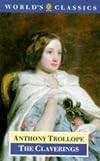
The Claverings
by Anthony Trollope
On This Page
Description
Since its first appearance in 1867, this novel has been acclaimed as one of Trollope's most successful protrayals of mid-Victorian life. The Claverings is filled with contemporary detail and shows, as Trollope often does, the weakness of men and the emotional strength of women.Tags
Recommendations
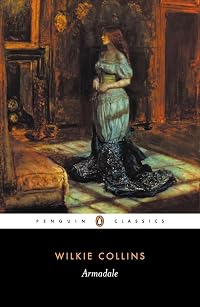
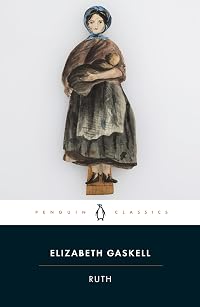
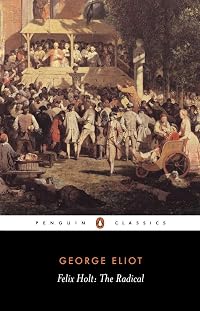


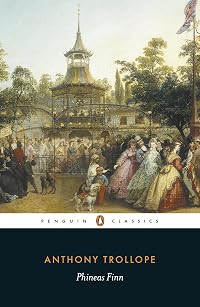


















Member Recommendations
gtross Similar plot: an Anglo-American woman returns home from the continent, a social outcast under a cloud of suspicion after a disastrous marriage to a sadistic count, and falls in love with a hapless young man, already engaged, who lets himself be guided more by his feelings than by his sense of what is prudent and correct. Similar also in intensity.
Member Reviews
It is rather an unusual sensation for me not to have much sympathy with the main protagonist in a Trollope novel. Normally they deserve your sympathy, your pity and normally your respect; Harry Clavering got none from me. Fortunately this in no way coloured my enjoyment of this novel which follows Harry Clavering, cousin to a baronet, in the ups and downs of love all the while trying to make out his place in the world.
Trollope has a knack for creating some truly memorable characters, his best ones often have the worst characters. Madame Gourdeloup is a tour de force, a manipulative scheming woman who you love to hate. Poor Sir Hugh doesn't stand a chance next to her in the competition for least likeable character in this book.
Having show more read a few novels by Trollope I had guessed the ending when I was about two-thirds of the way through, he just can't help punishing offenders. However I did still enjoy this book, it's not a pacy read but a wonderful one to while away long evenings with. show less
Trollope has a knack for creating some truly memorable characters, his best ones often have the worst characters. Madame Gourdeloup is a tour de force, a manipulative scheming woman who you love to hate. Poor Sir Hugh doesn't stand a chance next to her in the competition for least likeable character in this book.
Having show more read a few novels by Trollope I had guessed the ending when I was about two-thirds of the way through, he just can't help punishing offenders. However I did still enjoy this book, it's not a pacy read but a wonderful one to while away long evenings with. show less
Well, this book is a masterpiece. This is a story of a promising young man Harry Clavering, that declares his love to a beautiful woman, Lady Ongar, that rejects him so she can marry to money, even though she actually loves him, and throughout the novel she tries to make amends for her misery. A difficult task because she has to deal with the deceiving and greedy Sophie Gordeloup and her brother Peteroff. Besides the villain of the piece Sir Hugh, who is Harry's cousin, which is the husband of Lady Ongar's sister, while Harry falls in love and is engaged with Florence Burton, until he starts making money. The plot drives itself smoothly and succintly as it becomes more and more complex. Something I noticed is that when the characters show more are at their lowest, most miserable and confused on what to do the novel gets funnier, and of course that was intended and is nothing less than brilliant.
Trollope is incredible at describing the inner struggles of his characters, his dialogue is always interesting and entertaining, and he makes it look so simple:
There was about his heart - about his actual anatomical heart, with its internal arrangements of valves and blood vessels - a heavy dragging feeling that almost amounted to corporal pain, and which he described to himself as agony.
It's crazy that this isn't one of his most well known books, not even one of his best (according to Trollope fans), but one of his most rewarding and controlled. I'll keep on reading him, of course.
Men and women say that they will read, and think so - those, I mean, who have aqcuired no habit of reading - believing the work to be, of all works, the easiest. It may be work, they think, but of all works it must be the easiest of achievment. Given the absolute faculty of reading, the task of going through the pages of a book must be, of all tasks, the most certainly within the grasp of the man or woman who attemps it. Alas! no; if the habit be not there, of all tasks it is the most difficult. show less
Trollope is incredible at describing the inner struggles of his characters, his dialogue is always interesting and entertaining, and he makes it look so simple:
There was about his heart - about his actual anatomical heart, with its internal arrangements of valves and blood vessels - a heavy dragging feeling that almost amounted to corporal pain, and which he described to himself as agony.
It's crazy that this isn't one of his most well known books, not even one of his best (according to Trollope fans), but one of his most rewarding and controlled. I'll keep on reading him, of course.
Men and women say that they will read, and think so - those, I mean, who have aqcuired no habit of reading - believing the work to be, of all works, the easiest. It may be work, they think, but of all works it must be the easiest of achievment. Given the absolute faculty of reading, the task of going through the pages of a book must be, of all tasks, the most certainly within the grasp of the man or woman who attemps it. Alas! no; if the habit be not there, of all tasks it is the most difficult. show less
Is there a Victorian novelist who handles love triangles as well as Trollope, with the exception perhaps of Henry James?
The Claverings is Trollope at his finest. With his usual skill, he presents us with characters who are all flawed and therefore human, led by greed, power, rank, status, and sheer narcissism; at the same time, however, Trollope is a skillful writer, able to dig deep into the psychological makeup of his characters to provide compelling reasons for their actions, and also elicit a sympathy for even the most grotesque deeds.
Harry Clavering finds himself in an awkward position: two years ago, he was jilted by his first love, Julia Brabazon, so that she could make a more financially advantageous marriage to Lord Ongar. When show more Julia returns—as Lady Ongar, after the death of her much older (and horribly unjust) husband—Harry has already pledged himself to another woman, Florence Burton.
The one who got away returns, then, and sets The Claverings into motion, a novel with a cast of characters as diverse as a Russian spy, a belligerent and lowly curate, and a captain whose answer to matters of the heart is almost always extortion. To give any more away would spoil the meticulous structure of the novel, where Trollope reveals things and always remains in command of his reader.
The Claverings may well be the best place to begin with Trollope; sadly, however, it also seems to be one of the most under-read of his novels. show less
The Claverings is Trollope at his finest. With his usual skill, he presents us with characters who are all flawed and therefore human, led by greed, power, rank, status, and sheer narcissism; at the same time, however, Trollope is a skillful writer, able to dig deep into the psychological makeup of his characters to provide compelling reasons for their actions, and also elicit a sympathy for even the most grotesque deeds.
Harry Clavering finds himself in an awkward position: two years ago, he was jilted by his first love, Julia Brabazon, so that she could make a more financially advantageous marriage to Lord Ongar. When show more Julia returns—as Lady Ongar, after the death of her much older (and horribly unjust) husband—Harry has already pledged himself to another woman, Florence Burton.
The one who got away returns, then, and sets The Claverings into motion, a novel with a cast of characters as diverse as a Russian spy, a belligerent and lowly curate, and a captain whose answer to matters of the heart is almost always extortion. To give any more away would spoil the meticulous structure of the novel, where Trollope reveals things and always remains in command of his reader.
The Claverings may well be the best place to begin with Trollope; sadly, however, it also seems to be one of the most under-read of his novels. show less
[The Claverings] is one of Trollope's lesser known novels, and though I quite liked it, I can see why. It contains a lot of his common themes - contrasting those who work for money vs. those who inherit, an abusive marriage with a domineering husband, and women who have to choose between love and money in marriage.
In this novel, we're thrown into the action right away. Julia Brabazon is deserting Harry Clavering to marry the extremely wealthy Lord Ongar, despite knowing he's an evil person. Well, he dies early in their marriage and she does inherit, but not without being punished for her decision by being shunned by society for accusations made by her husband about her behavior during their marriage. Harry, in the meantime, has met a show more lovely young woman - Florence Burton - and he is about to embark on earning a living through her family's business. When Julia returns to London, alone and friendless, Harry will have to decide which woman he wants to spend his life with.
In addition, there are the usual side stories. Julia's sister is trapped in a loveless and abusive marriage. One of Harry's sisters finds herself in love with a penniless curate. And there are some unsavory characters hanging on to Julia connected to her deceased husband, hoping for her money.
All in all I really liked this one, but I didn't find it as special as some of Trollope's other novels. It is quite a bit shorter, though, if that appeals to you. show less
In this novel, we're thrown into the action right away. Julia Brabazon is deserting Harry Clavering to marry the extremely wealthy Lord Ongar, despite knowing he's an evil person. Well, he dies early in their marriage and she does inherit, but not without being punished for her decision by being shunned by society for accusations made by her husband about her behavior during their marriage. Harry, in the meantime, has met a show more lovely young woman - Florence Burton - and he is about to embark on earning a living through her family's business. When Julia returns to London, alone and friendless, Harry will have to decide which woman he wants to spend his life with.
In addition, there are the usual side stories. Julia's sister is trapped in a loveless and abusive marriage. One of Harry's sisters finds herself in love with a penniless curate. And there are some unsavory characters hanging on to Julia connected to her deceased husband, hoping for her money.
All in all I really liked this one, but I didn't find it as special as some of Trollope's other novels. It is quite a bit shorter, though, if that appeals to you. show less
I enjoyed this very much despite not really being sure if it was a massive satire or a straightforward drama. A bit of both, I expect. Also despite there really being a dearth of sympathetic characters, which leads me to believe it was more of a satire. In some ways I feel rather sorry for Julia. She marries for money, rather than love, which is what women at that time were supposed to do but I feel that she would be condemed for either choice. However, she is her own worst enemy and seems to make rather a hash of all of her affairs. I also found the simpering superiority of Florence and Cecelia a bit hard to take and felt sorry for Harry to end up with Florence but he is no great prize either. Most of the secondary characters are show more either villians or fools, though the hoops that Madame Gordelope made Archie and Bodle jump through made for some great humour. I thoroughly enjoyed hating Hugh and expect I was meant to.
Still, a very enjoyable listen and is leading back into more Trollope. show less
Still, a very enjoyable listen and is leading back into more Trollope. show less
For a Victorian novel, this is a surprisingly easy and quick read. Main character Harry Clavering falls hard for impecunious Julia Brabazon. She, however, has her eye firmly on worldly goods, and marries the horrid but filthy rich Ongar. The usual complications occur.
In this novel Trollope’s usual humor is in abeyance for the most part. And nearly every male character is odious or rather fatuous. Not my favorite Trollope, but not a bad book.
In this novel Trollope’s usual humor is in abeyance for the most part. And nearly every male character is odious or rather fatuous. Not my favorite Trollope, but not a bad book.
Julia refuses to marry Harry, because he is poor, and accepts the dissolute Lord Ongar instead. He makes her life a misery and causes unfounded rumours to be spread about her, before dying and leaving her a rich widow. Julia is left isolated and rekindles her friendship with Harry, who has become engaged to Florence, a fact he omits to mention to Julia...
As ever in Trollope, the hero is very weak and imperfect and the women strong and brave. Florence should have dumped Harry while she had the chance and he and the unlikeable Julia deserved each other. Mme Gordeloup was an entertaining villain, although her brother petered out with a bit of a whimper. I enjoyed Archie and Doodles for a bit of comic relief. I never quite worked out why show more Hermione and Sir Hugh didn't go on trying for an heir - they were both still young. The double tragedy towards the end was heavily foreshadowed and poured even more blessings on the undeserving Harry, so that he didn't even have to work for a living. Fanny and Mr Saul were very sweet. show less
As ever in Trollope, the hero is very weak and imperfect and the women strong and brave. Florence should have dumped Harry while she had the chance and he and the unlikeable Julia deserved each other. Mme Gordeloup was an entertaining villain, although her brother petered out with a bit of a whimper. I enjoyed Archie and Doodles for a bit of comic relief. I never quite worked out why show more Hermione and Sir Hugh didn't go on trying for an heir - they were both still young. The double tragedy towards the end was heavily foreshadowed and poured even more blessings on the undeserving Harry, so that he didn't even have to work for a living. Fanny and Mr Saul were very sweet. show less
Members
- Recently Added By
Lists

Favourite 19th century fiction
257 works; 60 members
Talk Discussions
Past Discussions
Group read: The Claverings by Anthony Trollope in 75 Books Challenge for 2023 (February 2024)
Author Information

348+ Works 50,535 Members
Anthony Trollope was born in London, England on April 24, 1815. In 1834, he became a junior clerk in the General Post Office, London. In 1841, he became a deputy postal surveyor in Banagher, Ireland. He was sent on many postal missions ending up as a surveyor general in the post office outside of London. His first novel, The Macdermots of show more Ballycloran, was published in 1847. His other works included Castle Richmond, The Last Chronicle of Barset, Lady Anna, The Two Heroines of Plumplington, and The Noble Jilt. He died after suffering from a paralytic stroke on December 6, 1882. (Bowker Author Biography) show less
Some Editions
Series
Belongs to Publisher Series
Work Relationships
Is contained in
Contains
Has as a study
Common Knowledge
- Canonical title
- The Claverings
- Original title
- The Claverings
- Original publication date
- 1866 - 1867 (serial: Cornhill Magazine) (serial: Cornhill Magazine); 1867 (book: Smith & Elder) (book: Smith & Elder)
- People/Characters
- Harry Clavering; Julia Brabazon; Florence Burton; Hugh Clavering; Cecilia Burton; Captain Boodle (show all 7); Sophie Gordeloup
- First words
- The gardens of Clavering Park were removed some three hundred yards from the large, square, sombre-looking stone mansion which was the country house of Sir Hugh Clavering, the eleventh baronet of that name; and in these garde... (show all)ns, which have little of beauty to recommend them, I will introduce my readers to two of the personages with whom I wish to make them acquainted in the following story.
- Last words
- (Click to show. Warning: May contain spoilers.)(Spoken by Theodore Burton.) / Providence has done very well for Florence. And Providence has done very well for him also; -- but Providence was making a great mistake when she expected him to earn his bread.
Classifications
Statistics
- Members
- 525
- Popularity
- 56,910
- Reviews
- 11
- Rating
- (3.88)
- Languages
- English, German
- Media
- Paper, Audiobook, Ebook
- ISBNs
- 46
- ASINs
- 28