
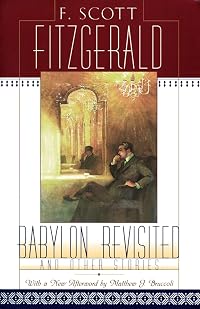
Babylon Revisited and Other Stories
by F. Scott Fitzgerald
On This Page
Description
Written between 1920 and 1937, when F. Scott Fitzgerald was at the height of his creative powers, these ten lyric tales represent some of the author's finest fiction. In them, Fitzgerald creates vivid, timeless characters -- a dissatisfied southern belle seeking adventure in the north; the tragic hero of the title story who lost more than money in the stock market; giddy and dissipated young men and women of the interwar period. From the lazy town of Tarleton, Georgia, to the glittering show more cosmopolitan centers of New York and Paris, Fitzgerald brings the society of the "Lost Generation" to life in these masterfully crafted gems, showcasing the many gifts of one of our most popular writers. show lessTags
Recommendations















Member Reviews
งานของฟิตซ์เจอรัลด์นั้นมีสเน่ห์ทั้งที่ไม่ได้ใช้ภาษาที่ใหญ่โต ภายใต้ความเรียบง่ายนั้นมันก็ได้ดึงดูดผู้อ่านให้เข้าไปอยู่ในเรื่องราวทีละน้อย ๆ แม้แต่ฉากงานเลี้ยงเราก็จะได้รับรู้ถึงเสียงเพลง show more ฉากปราสาทน้ำแข็งเราก็จะสัมผัสกับความหนาวเหน็บ
รวมเรื่องสั้นเล่มนี้เป็นการเอางานสามชิ้นของเขามาพิมพ์รวมเล่มกัน ซึ่งแบ่งเป็นเรื่องสั้นที่เขียนในช่วงแรกของชีวิตนักเขียนของเขาสองเรื่อง "ปราสาทน้ำแข็ง" กับ "ความผันในฤดูหนาว" และอีกเรื่องหนึ่งที่เขียนในชีวิตช่วงหลังของเขาอย่าง "หวนคืนสู่บาบิลอน" ซึ่งแสดงให้เห็นถึงการถ่ายทอดเรื่องราวที่แตกต่างกันอย่างชัดเจนของยุคสมัย สิ่งเหล่านี้มีผลมาจากเหตุการณ์ในชีวิตของผู้ประพันธ์ที่ต้องเผชิญกับความรุ่งโรจน์ และร่วงหล่นลงมาอย่างผู้แพ้
ฟิตซ์เจอรัลด์อาจไม่ใช่นักเขียนอเมริกันแห่งยุคสมัยเมื่อเทียบกับเฮมมิงเวย์ หรือโฟล์คเนอร์ แต่ก็ยากที่จะปฏิเสธถึงความยิ่งใหญ่ในการถ่ายทอดสังคมอเมริกันออกมาได้อย่างแจ่มแจ้ง และก็น่าเศร้าไปพร้อม ๆ กัน เขาคือนักเขียนที่ต่อสู้กับตัวเองมาตลอด ซึ่งแสดงให้เห็นถึงความขัดแย้งอันเหลือล้นในงานเขียนของเขานั่นเอง show less
รวมเรื่องสั้นเล่มนี้เป็นการเอางานสามชิ้นของเขามาพิมพ์รวมเล่มกัน ซึ่งแบ่งเป็นเรื่องสั้นที่เขียนในช่วงแรกของชีวิตนักเขียนของเขาสองเรื่อง "ปราสาทน้ำแข็ง" กับ "ความผันในฤดูหนาว" และอีกเรื่องหนึ่งที่เขียนในชีวิตช่วงหลังของเขาอย่าง "หวนคืนสู่บาบิลอน" ซึ่งแสดงให้เห็นถึงการถ่ายทอดเรื่องราวที่แตกต่างกันอย่างชัดเจนของยุคสมัย สิ่งเหล่านี้มีผลมาจากเหตุการณ์ในชีวิตของผู้ประพันธ์ที่ต้องเผชิญกับความรุ่งโรจน์ และร่วงหล่นลงมาอย่างผู้แพ้
ฟิตซ์เจอรัลด์อาจไม่ใช่นักเขียนอเมริกันแห่งยุคสมัยเมื่อเทียบกับเฮมมิงเวย์ หรือโฟล์คเนอร์ แต่ก็ยากที่จะปฏิเสธถึงความยิ่งใหญ่ในการถ่ายทอดสังคมอเมริกันออกมาได้อย่างแจ่มแจ้ง และก็น่าเศร้าไปพร้อม ๆ กัน เขาคือนักเขียนที่ต่อสู้กับตัวเองมาตลอด ซึ่งแสดงให้เห็นถึงความขัดแย้งอันเหลือล้นในงานเขียนของเขานั่นเอง show less
In some ways, this 1931 short story is the antithesis of Fitzgerald’s The Great Gatsby of 1925. One of the saddest aspects of Gatsby concerns Daisy and Tom's daughter, Pammy. Or rather, lack of concern: she’s mentioned once, I think. She's largely irrelevant to them and to the tragic story.
This is set just after the Gatsby glamour of the Jazz Age and the subsequent Wall Street crash. At first it seems to be an American in Paris, revisiting the sites of Babylonian excess and reminiscing about obscene extravagance and endless partying.
“It was nice while it lasted… We were a sort of royalty, almost infallible, with a sort of magic around us.”
He’s mourning everything he’s lost - not just money – and clearly sees the city show more has changed, as have the people he thought he knew so well.
That is certainly the context, but the story is about the heartfelt desire to do the best for one’s child, of trying to fix past mistakes and the damage they inflicted, of showing love and understanding rather than showering with gifts, and of overcoming obstacles to forge a new life in a positive way.
There’s plenty about guilt, blame, addiction, jealousy, greed, grief, revenge, reform, trust, and forgiveness.
But really, it’s about a little girl and her father. What is best for her?
“The present was the thing.”
Charlie comes to understand that means the here and now, not another gift. However, his realisation doesn’t mean the best outcome is clear or certain. Ambiguity is increased because those with power know less than the reader does. Brilliant.
Gatsby is a tragedy; Babylon might not be.
Image: Fitzgerald with his daughter. (Source)
Quotes
• “It was not an American bar any more - he felt polite in it, and not as if he owned it.”
• “Now at least you [an American] can go into a store without their assuming you're a millionaire. We've suffered like everybody, but on the whole it's a good deal pleasanter.”
• “Outside, the fire-red, gas-blue, ghost-green signs shone smokily through the tranquil rain. It was late afternoon and the streets were in movement; the bistros gleamed.”
• “It had been given, even the most wildly squandered sum, as an offering to destiny that he might not remember the things most worth remembering.”
• “‘I heard that you lost a lot in the crash.’
‘I did,’ and he added grimly, ‘but I lost everything I wanted in the boom.’”
See also
• George Gershwin’s innovatively evocative orchestral piece, An American in Paris, premiered three years before this story was published. See Wikipedia HERE and listen to a version of the piece HERE (c20 mins).
• The Great Gatsby, which I reviewed HERE.
• Significant aspects are autobiographical. See HERE.
• In this, Honoria is nine. Fitzgerald wrote a letter to his 11-year old daughter, titled “Things to Worry About”, but with a much longer list of things not to worry about. Read it HERE.
Short story club
I read this as one of the stories in The Art of the Short Story, by Dana Gioia, from which I'm aiming to read one story a week with The Short Story Club, starting 2 May 2022.
You can read this story here.
You can join the group here. show less
This is set just after the Gatsby glamour of the Jazz Age and the subsequent Wall Street crash. At first it seems to be an American in Paris, revisiting the sites of Babylonian excess and reminiscing about obscene extravagance and endless partying.
“It was nice while it lasted… We were a sort of royalty, almost infallible, with a sort of magic around us.”
He’s mourning everything he’s lost - not just money – and clearly sees the city show more has changed, as have the people he thought he knew so well.
That is certainly the context, but the story is about the heartfelt desire to do the best for one’s child, of trying to fix past mistakes and the damage they inflicted, of showing love and understanding rather than showering with gifts, and of overcoming obstacles to forge a new life in a positive way.
There’s plenty about guilt, blame, addiction, jealousy, greed, grief, revenge, reform, trust, and forgiveness.
But really, it’s about a little girl and her father. What is best for her?
“The present was the thing.”
Charlie comes to understand that means the here and now, not another gift. However, his realisation doesn’t mean the best outcome is clear or certain. Ambiguity is increased because those with power know less than the reader does. Brilliant.
Gatsby is a tragedy; Babylon might not be.
Image: Fitzgerald with his daughter. (Source)
Quotes
• “It was not an American bar any more - he felt polite in it, and not as if he owned it.”
• “Now at least you [an American] can go into a store without their assuming you're a millionaire. We've suffered like everybody, but on the whole it's a good deal pleasanter.”
• “Outside, the fire-red, gas-blue, ghost-green signs shone smokily through the tranquil rain. It was late afternoon and the streets were in movement; the bistros gleamed.”
• “It had been given, even the most wildly squandered sum, as an offering to destiny that he might not remember the things most worth remembering.”
• “‘I heard that you lost a lot in the crash.’
‘I did,’ and he added grimly, ‘but I lost everything I wanted in the boom.’”
See also
• George Gershwin’s innovatively evocative orchestral piece, An American in Paris, premiered three years before this story was published. See Wikipedia HERE and listen to a version of the piece HERE (c20 mins).
• The Great Gatsby, which I reviewed HERE.
• Significant aspects are autobiographical. See HERE.
• In this, Honoria is nine. Fitzgerald wrote a letter to his 11-year old daughter, titled “Things to Worry About”, but with a much longer list of things not to worry about. Read it HERE.
Short story club
I read this as one of the stories in The Art of the Short Story, by Dana Gioia, from which I'm aiming to read one story a week with The Short Story Club, starting 2 May 2022.
You can read this story here.
You can join the group here. show less
"Babylon Revisited" is a ghost story. And the best short story ever written. I am not kidding! I would never do that.
There's this beautiful bit about how the guy imagines his dead wife on a swing, swinging faster and faster, like a pendulum, and it makes it seem as if time is going faster and faster, which it is. No more bull market. This guy loses everything in the end. This always seems to happen to Fitzgerald’s characters, poor kittens.
There's this beautiful bit about how the guy imagines his dead wife on a swing, swinging faster and faster, like a pendulum, and it makes it seem as if time is going faster and faster, which it is. No more bull market. This guy loses everything in the end. This always seems to happen to Fitzgerald’s characters, poor kittens.
Charlie Wales is back in Paris, here to see his little daughter, Honoria.
Charlie has apparently been an alcoholic and a profligate, but now only takes one drink every afternoon.
He remembers giving thousand-franc notes to an orchestra to play a single number and tossing hundred-franc notes to a doorman for calling a cab.
His wife had died and his daughter had been taken from him.
Honoria now lives with Aunt Marion and Uncle Lincoln – later we learn that Marion is his late wife Helen’s sister.
When Charlie sees Honoria, she says that she wants to live with him, since she loves him better than anybody else, and know that he loves her better than anybody else, now that Mummy’s dead.
Later, Charlie tells Marion that he wants to have show more a home with Honoria in it, He admits that he has previously acted badly but now hasn’t had more than a drink a day for over a year.
He is bringing his sister over from the US to keep house for him and he wants awfully to have Honoria with them too.
Charlie had once previously locked Helen out when it was raining and she came to Marion and Lincoln’s house soaked to the skin.
Marion has legal guardianship of Honoria and Charlie wants her to set this aside.
Marion dislikes Charlie greatly.
He lives in Prague, where he has a business. He will take a French governess to Prague with him and has got a lease on a new apartment.
His income is twice as large as Marion and Lincoln’s.
Helen dies of heart trouble, though Marion thinks Charlie was responsible for her death.
Marion finally says “Do what you like. She’s your child.”
Charlie had loved Helen very much until they had “senselessly begun to abuse each other’s love, tear it into shreds”.
He talks to Helen as one can talk to someone who has passed on, and she says she wants Honoria to be with him. She thinks he is being good and doing better.
He wakes up happy. But he mustn’t love Honoria too much ; he knows the injury a father can do to a daughter or a mother to a son by attaching them too closely.
We see how Charlie really loves his daughter and she loves him and how he has turned his life around and thus is capable of looking after her properly. He is sure Helen wouldn’t have wanted him to be so alone.
This is a simple, well-told and enjoyable story, apparently partly autobiographical. show less
Charlie has apparently been an alcoholic and a profligate, but now only takes one drink every afternoon.
He remembers giving thousand-franc notes to an orchestra to play a single number and tossing hundred-franc notes to a doorman for calling a cab.
His wife had died and his daughter had been taken from him.
Honoria now lives with Aunt Marion and Uncle Lincoln – later we learn that Marion is his late wife Helen’s sister.
When Charlie sees Honoria, she says that she wants to live with him, since she loves him better than anybody else, and know that he loves her better than anybody else, now that Mummy’s dead.
Later, Charlie tells Marion that he wants to have show more a home with Honoria in it, He admits that he has previously acted badly but now hasn’t had more than a drink a day for over a year.
He is bringing his sister over from the US to keep house for him and he wants awfully to have Honoria with them too.
Charlie had once previously locked Helen out when it was raining and she came to Marion and Lincoln’s house soaked to the skin.
Marion has legal guardianship of Honoria and Charlie wants her to set this aside.
Marion dislikes Charlie greatly.
He lives in Prague, where he has a business. He will take a French governess to Prague with him and has got a lease on a new apartment.
His income is twice as large as Marion and Lincoln’s.
Helen dies of heart trouble, though Marion thinks Charlie was responsible for her death.
Marion finally says “Do what you like. She’s your child.”
Charlie had loved Helen very much until they had “senselessly begun to abuse each other’s love, tear it into shreds”.
He talks to Helen as one can talk to someone who has passed on, and she says she wants Honoria to be with him. She thinks he is being good and doing better.
He wakes up happy. But he mustn’t love Honoria too much ; he knows the injury a father can do to a daughter or a mother to a son by attaching them too closely.
We see how Charlie really loves his daughter and she loves him and how he has turned his life around and thus is capable of looking after her properly. He is sure Helen wouldn’t have wanted him to be so alone.
This is a simple, well-told and enjoyable story, apparently partly autobiographical. show less
I need to be in the right mood for Fitzgerald, and preferably armed with a cocktail. I do love him, though, so long as I keep to the right mindset. These stories are classic Fitzgerald.
During the 20 years of his writing career, F. Scott Fitzgerald published scores of short stories, many of which are truly excellent. These stories have been anthologized in collections both large and small.
This particular collection, compiled in 1960, contains ten of the best stories Fitzgerald ever published. Among them are "Winter Dreams," "Absolution" (orginally intended as a chapter in "The Great Gatsby"), "May Day", the bizarre fantasy of "The Diamond as Big as the Ritz", and the incomparable "The Ice Palace". Other stories in the collection are "The Rich Boy", "The Freshest Boy", "Crazy Sunday", "The Long Way Out", and the semi - autobiographical "Babylon Revisited", a work said to epitomize Modernist writing of the post - WW1 show more era.
This collection offers the best possible introduction to Fitzgerald's short stories, works that surely deserve the same recognition given to his novels. show less
This particular collection, compiled in 1960, contains ten of the best stories Fitzgerald ever published. Among them are "Winter Dreams," "Absolution" (orginally intended as a chapter in "The Great Gatsby"), "May Day", the bizarre fantasy of "The Diamond as Big as the Ritz", and the incomparable "The Ice Palace". Other stories in the collection are "The Rich Boy", "The Freshest Boy", "Crazy Sunday", "The Long Way Out", and the semi - autobiographical "Babylon Revisited", a work said to epitomize Modernist writing of the post - WW1 show more era.
This collection offers the best possible introduction to Fitzgerald's short stories, works that surely deserve the same recognition given to his novels. show less
"The Ice Palace" This work juxtaposes two opposing cultures against each other from the perspective of a warm-hearted southern girl who becomes engaged to a northerner. Sally Carrol feels an energy inside her that is not present in the friends with whom she grew up. She seeks to fulfill this side of her by getting engaged to an ambitious northerner. When she takes the train to visit him in the winter, she is thrilled to play the winter games she sees the children engaging in, but is put off by the "cold" personalities around her. She comes to realize that her fiancees family are only humoring her in arranging for her to go sledding and play in the snow - these games are just for kids. Her fiancee is enthusiastic about seeing the "Ice show more Palace" that hasn't been erected since 1885. Sally Carrol finds this information ominous, expecting the icy halls to be filled with the ghosts of bygone eras. Sally Carrol becomes trapped in the tunnels beneath the ice palace, unable to find her way out int he labyrinth, and truly sees a ghost.
"May Day" Philip Dean is happy at first to hear from his old college buddy, Gordon Sterrett, but, when he finds out that Gordon has fallen upon bad times, his instincts are to recoil as the sob story threatens to spoil his vacation. Gordon wants money to pay off a girl who is blackmailing him, but Philip is unwilling to part with that much money. Instead, he takes Gordon out to a party where Gordon sees his old girlfriend who is in love with him. She is appalled to see the change in Gordon, now drunk and despondent. The blackmailing girl picks Gordon up outside the party and things only get worse.
"The Diamond as Big as the Ritz" John T. Unger goes off to college for the first time because his parents are proud of him and don't want him to be stuck in small-town Hades. John spends most of his vacations with friends. One of them invites him to stay for summer vacation. On the way there, Percy Washington tells him that his father is the richest man in America - why, he even has a diamond as big as the Ritz hotel. Percy's father, grandfather, and great-grandfather before him have managed to keep the Montana estate off the maps and totally secret. Once there, John meets the girl of his dreams, but, when she accidentally lets it slip that none of their friends make it off the estate alive, John needs to find a way out fast. This story represents the family's wealth as an evil influence, corrupting their moral integrity until they will do anything to hold onto their secret mines and money.
"Winter Dreams" Dexter Green is a fourteen-year-old golf caddy when he first sees Judy Jones. A chance encounter with her leads him to the sudden idea that he is too old to caddy anymore and immediately quits. Dexter is a successful owner of a laundry business when he sees Judy again. She turns his world upside down, but only for a few weeks, and then he discovers that she keeps any number of men dangling. When he finally realizes he cannot have Judy, he becomes engaged to someone else, but Judy comes back into his life, saying: "I wish you'd marry me." Dexter is caught up in his emotions, about to wreck his engagement for the chance to be with Judy. But Dexter's world only disintegrates when he realizes that Judy's beauty was only temporary.
"Absolution" Rudolph Miller is a typical boy entering his teens, with typical unholy thoughts. He avoids the confessional until his father bullies him into going. While he is there, confessing the sins he dreads to confess, he commits the mortal sin of lying during confession! Rudolph is terrified to take communion the next day with this unconfessed sin damning his immortal soul. He tries the subterfuge of "accidentally" drinking water the next morning, thereby making himself unfit for taking the Holy elements, but his father catches him in the act before he has had a chance to take a sip. When his father sends him to confession again, Rudolph rebels and confesses none of the egregious sins that stain his soul. Later, he tremblingly walks into the priest's office to tell him of his horrible behavior, but the priest's reaction is wholly unexpected, and sends the boy running from the room. show less
"May Day" Philip Dean is happy at first to hear from his old college buddy, Gordon Sterrett, but, when he finds out that Gordon has fallen upon bad times, his instincts are to recoil as the sob story threatens to spoil his vacation. Gordon wants money to pay off a girl who is blackmailing him, but Philip is unwilling to part with that much money. Instead, he takes Gordon out to a party where Gordon sees his old girlfriend who is in love with him. She is appalled to see the change in Gordon, now drunk and despondent. The blackmailing girl picks Gordon up outside the party and things only get worse.
"The Diamond as Big as the Ritz" John T. Unger goes off to college for the first time because his parents are proud of him and don't want him to be stuck in small-town Hades. John spends most of his vacations with friends. One of them invites him to stay for summer vacation. On the way there, Percy Washington tells him that his father is the richest man in America - why, he even has a diamond as big as the Ritz hotel. Percy's father, grandfather, and great-grandfather before him have managed to keep the Montana estate off the maps and totally secret. Once there, John meets the girl of his dreams, but, when she accidentally lets it slip that none of their friends make it off the estate alive, John needs to find a way out fast. This story represents the family's wealth as an evil influence, corrupting their moral integrity until they will do anything to hold onto their secret mines and money.
"Winter Dreams" Dexter Green is a fourteen-year-old golf caddy when he first sees Judy Jones. A chance encounter with her leads him to the sudden idea that he is too old to caddy anymore and immediately quits. Dexter is a successful owner of a laundry business when he sees Judy again. She turns his world upside down, but only for a few weeks, and then he discovers that she keeps any number of men dangling. When he finally realizes he cannot have Judy, he becomes engaged to someone else, but Judy comes back into his life, saying: "I wish you'd marry me." Dexter is caught up in his emotions, about to wreck his engagement for the chance to be with Judy. But Dexter's world only disintegrates when he realizes that Judy's beauty was only temporary.
"Absolution" Rudolph Miller is a typical boy entering his teens, with typical unholy thoughts. He avoids the confessional until his father bullies him into going. While he is there, confessing the sins he dreads to confess, he commits the mortal sin of lying during confession! Rudolph is terrified to take communion the next day with this unconfessed sin damning his immortal soul. He tries the subterfuge of "accidentally" drinking water the next morning, thereby making himself unfit for taking the Holy elements, but his father catches him in the act before he has had a chance to take a sip. When his father sends him to confession again, Rudolph rebels and confesses none of the egregious sins that stain his soul. Later, he tremblingly walks into the priest's office to tell him of his horrible behavior, but the priest's reaction is wholly unexpected, and sends the boy running from the room. show less
Members
- Recently Added By
Lists

Harold Bloom - The Western Canon: D. The Chaotic Age
833 works; 24 members

Mad Men Reading List
25 works; 5 members
My Mad Men Reading List
47 works; 1 member
Author Information

631+ Works 142,819 Members
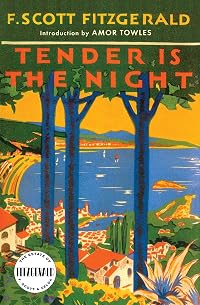
F(rancis) Scott Fitzgerald was born in St. Paul, Minnesota, on September 24, 1896. He was educated at Princeton University and served in the U.S. Army from 1917 to 1919, attaining the rank of second lieutenant. In 1920 Fitzgerald married Zelda Sayre, a young woman of the upper class, and they had a daughter, Frances. Fitzgerald is regarded as one show more of the finest American writers of the 20th Century. His most notable work was the novel, The Great Gatsby (1925). The novel focused on the themes of the Roaring Twenties and of the loss of innocence and ethics among the nouveau riche. He also made many contributions to American literature in the form of short stories, plays, poetry, music, and letters. Ernest Hemingway, who was greatly influenced by Fitzgerald's short stories, wrote that Fitzgerald's talent was "as fine as the dust on a butterfly's wing." Yet during his lifetime Fitzgerald never had a bestselling novel and, toward the end of his life, he worked sporadically as a screenwriter at motion picture studios in Los Angeles. There he contributed to scripts for such popular films as Winter Carnival and Gone with the Wind. Fitzgerald's work is inseparable from the Roaring 20s. Berenice Bobs Her Hair and A Diamond As Big As The Ritz, are two short stories included in his collections, Tales of the Jazz Age and Flappers and Philosophers. His first novel The Beautiful and Damned was flawed but set up Fitzgerald's major themes of the fleeting nature of youthfulness and innocence, unattainable love, and middle-class aspiration for wealth and respectability, derived from his own courtship of Zelda. This Side of Paradise (1920) was Fitzgerald's first unqualified success. Tender Is the Night, a mature look at the excesses of the exuberant 20s, was published in 1934. Much of Fitzgerald's work has been adapted for film, including Tender is the Night , The Great Gatsby, and Babylon Revisited which was adapted as The Last Time I Saw Paris by Metro-Goldwyn-Mayer in 1954. The Last Tycoon, adapted by Paramount in 1976, was a work in progress when Fitzgerald died of a heart attack on December 21, 1940, in Hollywood, California. Fitzgerald is buried in the historic St. Mary's Cemetery in Rockville, Maryland. (Bowker Author Biography) show less
Some Editions
Series
Belongs to Publisher Series
Work Relationships
Contains
Common Knowledge
- Canonical title
- Babylon Revisited and Other Stories
- Original title
- Babylon Revisited and Other Stories
- Original publication date
- 1960
- First words
- The sunlight dripped over the house like golden paint over an art jar, and the freckling shadows here and there only intensified the rigor of the bath of light.
- Last words
- (Click to show. Warning: May contain spoilers.)"For God's sake let's talk about something else--let's go back to oubliettes."
- Original language
- English US
- Disambiguation notice
- This is a collection of stories. Don't combine with the induvial story.
Classifications
Statistics
- Members
- 1,477
- Popularity
- 15,710
- Reviews
- 13
- Rating
- (3.96)
- Languages
- 6 — Chinese, English, German, Hungarian, Italian, Polish
- Media
- Paper, Audiobook, Ebook
- ISBNs
- 25
- ASINs
- 28