On This Page
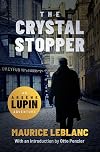
Description
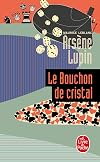
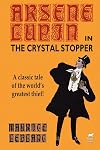
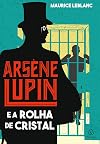
In this fast-paced mystery from Maurice Leblanc, criminal genius Arsene Lupin sets out to prove the truth of the old saying about honor among thieves. During a burglary, two of his sometimes accomplices are apprehended and ultimately sentenced to death. But Lupin is convinced of the innocence of one of the men who has been arrested and sets out to verify that his hunch is correct..
Tags
Recommendations
























Member Reviews
In The Crystal Stopper, Leblanc tried to up the suspense by knocking Lupin down a few notches and raising his opponent up a few notches. Sadly, the result did not work as well for me as The Extraordinary Adventures of Arsene Lupin, Gentleman-Burglar, or even Arsene Lupin.
In most of the previous Lupin stories I've read, Lupin is better than the best, always more cunning than those around him. He usually pulls off his schemes in some clever and wildly arrogant way. In this book, the tables are turned, and Lupin can barely keep up with Daubrecq, his opponent. Every move he makes, Daubrecq is always at least a step ahead.
Because it's not Lupin's life in the balance, but rather his comrade's, I suppose the “will Lupin succeed?” show more feeling that Leblanc was probably trying to achieve is believable. Even so, rather than feeling more on the edge of my seat each time Daubrecq bested Lupin, I instead became more and more annoyed. I think the bit where Leblanc really lost me was when that toad of a man managed to best Lupin shortly after having been tortured. Lupin got his groove back near the end of the book, but after being knocked so flat for so long, I couldn't accept it. Leblanc's explanations for how Lupin managed it ended up coming across as flimsy authorial hand-waving to me.
Just as I was less than happy with how the love interest in Arsene Lupin was portrayed, I wasn't happy with Clarisse. She would, I'm guessing, have been at least in her forties, maybe her late thirties. She lived through the death of her husband, giving birth to two children, and lots of stress. All those things could potentially age any woman before her time, but Leblanc's descriptions of her left me with the impression that she was physically a tragically tired-looking 20-something (so that she could be beautiful enough for Lupin to fall for) who happened to have a bit of gray hair. Such a big deal was made about that gray hair that it wasn't until I did a check in the text prior to writing this post that I realized she didn't have solid gray No, she just had a bit of gray in her otherwise dark hair, but this was a Big Deal.
Clarisse's determination to save her son should have been awesome, and I suppose it was, at times. However, whenever the going got tough and Lupin's latest plan to beat Daubrecq fell through, Clarisse's first answer seemed to be to attempt suicide. I mean, what? This is a woman who was strong enough to survive so much hardship, and she attempts or threatens to kill herself before all hope is really lost? I would have thought a woman like her wouldn't have gone that far unless both her sons were already dead.
Lupin's victorious ending seemed to come out of the blue. I'm still not sure how he learned of the true location of the list (did he really realize where it was on the fly, while torturing Daubrecq? how...disappointing), and his actions to get at that list seemed to come awfully close to the torture he had, earlier in the book, decided he'd never be able to do. While I still plan on reading more Arsene Lupin books, I hope that my next one is better.
(Original review, with read-alikes and watch-alikes, posted on A Library Girl's Familiar Diversions.) show less
In most of the previous Lupin stories I've read, Lupin is better than the best, always more cunning than those around him. He usually pulls off his schemes in some clever and wildly arrogant way. In this book, the tables are turned, and Lupin can barely keep up with Daubrecq, his opponent. Every move he makes, Daubrecq is always at least a step ahead.
Because it's not Lupin's life in the balance, but rather his comrade's, I suppose the “will Lupin succeed?” show more feeling that Leblanc was probably trying to achieve is believable. Even so, rather than feeling more on the edge of my seat each time Daubrecq bested Lupin, I instead became more and more annoyed. I think the bit where Leblanc really lost me was when that toad of a man managed to best Lupin shortly after having been tortured. Lupin got his groove back near the end of the book, but after being knocked so flat for so long, I couldn't accept it. Leblanc's explanations for how Lupin managed it ended up coming across as flimsy authorial hand-waving to me.
Just as I was less than happy with how the love interest in Arsene Lupin was portrayed, I wasn't happy with Clarisse. She would, I'm guessing, have been at least in her forties, maybe her late thirties. She lived through the death of her husband, giving birth to two children, and lots of stress. All those things could potentially age any woman before her time, but Leblanc's descriptions of her left me with the impression that she was physically a tragically tired-looking 20-something (so that she could be beautiful enough for Lupin to fall for) who happened to have a bit of gray hair. Such a big deal was made about that gray hair that it wasn't until I did a check in the text prior to writing this post that I realized she didn't have solid gray No, she just had a bit of gray in her otherwise dark hair, but this was a Big Deal.
Clarisse's determination to save her son should have been awesome, and I suppose it was, at times. However, whenever the going got tough and Lupin's latest plan to beat Daubrecq fell through, Clarisse's first answer seemed to be to attempt suicide. I mean, what? This is a woman who was strong enough to survive so much hardship, and she attempts or threatens to kill herself before all hope is really lost? I would have thought a woman like her wouldn't have gone that far unless both her sons were already dead.
Lupin's victorious ending seemed to come out of the blue. I'm still not sure how he learned of the true location of the list (did he really realize where it was on the fly, while torturing Daubrecq? how...disappointing), and his actions to get at that list seemed to come awfully close to the torture he had, earlier in the book, decided he'd never be able to do. While I still plan on reading more Arsene Lupin books, I hope that my next one is better.
(Original review, with read-alikes and watch-alikes, posted on A Library Girl's Familiar Diversions.) show less
un peu plus confus que les précédents
Den sista av de böcker om Arsène Lupin jag införskaffat, Kristallproppen, är olik de tidigare i att här är det Lupins egna tankar vi får följa. Det är egentligen inte någon fördel. Lupins uppgift bör vara den ständigt gäckande skuggan, inte som här ljuskäglan som försöker ta fatt på de viktiga papper en betydligt mer skurkaktig skurk, deputerade Dubrecq, använder till utpressning, närmast för att rättsprocessen mot en av Lupins kumpaner, tillika son till hans (Dubrecqs) gamla kärlek, skall föras hela vägen till schavotten.
Denne Dubrecq är en förvisso en högst passande skurk, med hämndlystnad, brinnande åtrå efter att kontrollera sin gamla kärlek samt snabbhet i tanken som får Lupin att framstå som lika show more dum och förivrad som de som tidigare jagat honom. Lägg därtill att någon tycks ha legat steget före Lupin och kunnat bryta sig in honom, och mycket av hans mystik går förlorad.
Lupin-böckerna, och denna i synnerhet, får nog ses som ett slags förstudier till senare berätttelser om gentlemannatjuvar. Liksom Sherlock Holmes vinner Lupin lite för ofta på någonting som undanhålles läsarna, men hos Holmes har mysterierna mer detaljer som gör att man känner att man ändå har någon chans. En detektiv kan dessutom tillåtas vara något steg efter, men om en person som utmålats som övermänsklig skall agera detektiv måste den inte bara lyckas att precis parera sig till seger, utan förväntas antingen tidigt inse sakernas tillstånd eller ha någon osedvanligt elegant plan. Så även om det centrala mysteriet är tämligen vackert konstruerat, så är upplägget runt omkring på en nivå som får ses som tämligen primitiv, och det hela blir därför en besvikelse. show less
Denne Dubrecq är en förvisso en högst passande skurk, med hämndlystnad, brinnande åtrå efter att kontrollera sin gamla kärlek samt snabbhet i tanken som får Lupin att framstå som lika show more dum och förivrad som de som tidigare jagat honom. Lägg därtill att någon tycks ha legat steget före Lupin och kunnat bryta sig in honom, och mycket av hans mystik går förlorad.
Lupin-böckerna, och denna i synnerhet, får nog ses som ett slags förstudier till senare berätttelser om gentlemannatjuvar. Liksom Sherlock Holmes vinner Lupin lite för ofta på någonting som undanhålles läsarna, men hos Holmes har mysterierna mer detaljer som gör att man känner att man ändå har någon chans. En detektiv kan dessutom tillåtas vara något steg efter, men om en person som utmålats som övermänsklig skall agera detektiv måste den inte bara lyckas att precis parera sig till seger, utan förväntas antingen tidigt inse sakernas tillstånd eller ha någon osedvanligt elegant plan. Så även om det centrala mysteriet är tämligen vackert konstruerat, så är upplägget runt omkring på en nivå som får ses som tämligen primitiv, och det hela blir därför en besvikelse. show less
Jul 30, 2024Swedish
43.Υπέροχη ιστορία . Αγωνία και δράση μέχρι τη τελευταία σελίδα
Jul 4, 2022 (Edited)Greek
Ratings
Members
- Recently Added By
Lists

Books Read in 2021
5,361 works; 113 members
Author Information

265+ Works 7,239 Members
Maurice Leblanc was a prolific French writer of novels and short stories, many of which became films. He passed away in 1941.
Some Editions
Series

Belongs to Publisher Series
Work Relationships
Common Knowledge
- Canonical title
- The Crystal Stopper
- Original title
- Le Bouchon de cristal
- Original publication date
- 1912
- People/Characters
- Arsène Lupin; Clarisse Mergy; Deputy Alexis Daubrecq; Antoine Mergy; Vaucheray; Grognard (show all 10); Le Ballu; Marquis d'Albufex; Secretary-General Louis Prasville; Chief Inspector Blanchon
- Important places
- Rouen, Normandie, France; France; Château Tancarville; Boulevard Gambetta, Nice; Rue Châteaubriand; Rue Balzac
- Important events
- Panama Canal Scandal
- First words
- The two boats fastened to the little pier that jutted out from the garden lay rocking in its shadow.
- Last words
- (Click to show. Warning: May contain spoilers.)"Clarisse... Clarisse... On the day when I am tired and disappointed and weary of life, I will come to you down there, in your little Arab house ... in that little white house, Clarisse, where you are waiting for me...”
- Original language
- French
Classifications
Statistics
- Members
- 341
- Popularity
- 92,761
- Reviews
- 5
- Rating
- (3.54)
- Languages
- 10 — English, French, German, Greek, Italian, Polish, Portuguese (Portugal), Spanish, Swedish, Turkish
- Media
- Paper, Audiobook, Ebook
- ISBNs
- 69
- ASINs
- 36