
Juan José Millás
Author of El mundo
About the Author
Image credit: Miguel A. Monjas
Works by Juan José Millás
Espacios literarios: La otra cara de Madrid: Relatos de Juan Madrid, Javier Marías y Juan José Millás. Lektüre (2008) 3 copies
Un mapa de la realidad. Antología de textos de laenciclopedia espasa (Spanish Edition) (2005) 1 copy
Maria y Mercedes.: Dos relatos sobre la familia y el trabajo (ATALAYA PEQUEÑO) (Spanish Edition) (2005) 1 copy
Contextos 1 copy
Estudio en escarlata 1 copy
19. P.planeta 2006-2008. La fortuna de Matilda Turpin. El mundo. La hermandad de la buena suerte — Author — 1 copy
El circulo vicioso 2002 1 copy
Laura y Pablo 1 copy
Premios Planeta 2007 1 copy
Associated Works
The Origins of Desire: Modern Spanish Short Stories (Modern European Short Stories) (1993) — Contributor — 14 copies
George Clooney. El nuevo seductor. El Pais semanal. Domingo 9 de agosto de 1998 — Author and Photographer — 1 copy
Tagged
Common Knowledge
- Canonical name
- Millás, Juan José
- Birthdate
- 1946-01-31
- Gender
- male
- Awards and honors
- Premio de Periodismo Francisco Cerecedo (2005)
Premio Nacional de Narrativa (2008) - Nationality
- Spain
- Birthplace
- Valencia, Spain
- Places of residence
- Madrid, Spain
- Associated Place (for map)
- Spain
Members
Reviews
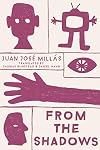
Entertainingly disturbing and thought-provoking. Recommended!
One obvious reason to read foreign literature is to learn about other places. In this particular novel from Spain, I discovered a VERY recognizable world largely focused on media and the Internet and the idea of fame. Yet precisely because the main character has the ongoing habit of interviewing himself in his head, I was more than once disoriented by his cold-blooded past-tense narration of events still unfolding suspensefully in show more the present.
To begin with I found our antihero, Damián Lobo, fairly off-putting, particularly in his fetishizing of his “Chinese sister.” But his imaginary interviews show that he wants more than anything to be known, to be understood. So it almost seems a victory of sorts that even as his actions become more and more extreme, he gets better at explaining himself and the world around him. Somehow he SOUNDS saner the more insane he clearly is. Sure, the guy is crazy—AND it’s a crazy world. show less
One obvious reason to read foreign literature is to learn about other places. In this particular novel from Spain, I discovered a VERY recognizable world largely focused on media and the Internet and the idea of fame. Yet precisely because the main character has the ongoing habit of interviewing himself in his head, I was more than once disoriented by his cold-blooded past-tense narration of events still unfolding suspensefully in show more the present.
To begin with I found our antihero, Damián Lobo, fairly off-putting, particularly in his fetishizing of his “Chinese sister.” But his imaginary interviews show that he wants more than anything to be known, to be understood. So it almost seems a victory of sorts that even as his actions become more and more extreme, he gets better at explaining himself and the world around him. Somehow he SOUNDS saner the more insane he clearly is. Sure, the guy is crazy—AND it’s a crazy world. show less
 This review was written for LibraryThing Early Reviewers.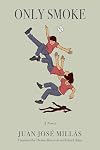
Millás plays with the role of the reader in fiction, the role of the story in the reader's life. Carlos, the main character, knows his absent father only through his bitter, somewhat overprotective mother. When his father dies, Carlos inherits his apartment in Madrid and his library. The book on his father's nightstand is Grimm's Fairy Tales. As Carlos starts to read it, he finds himself both inside and outside the stories, and sometimes meets his late father wandering about. Carlos reads show more several of the stories, which largely follow the original Brothers Grimm, with some ellipsis. He and his father sometimes deliberately tinker with the outcome of the tales. The novel follows the interaction of Carlos' life and the fairy tales that he reads; the whole becomes itself a sort of fairy tale. show less
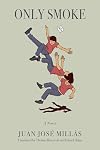
On his eighteenth birthday, Carlos learns that the father he never knew has passed and left him money and his apartment. “Such a troubled man” his mother always said about his father.
The apartment was filled with books. Carlos wasn’t a reader. He did bring home a notebook in which his father had written a story that was perhaps a memoir, perhaps a fantasy. Hoping to learn more, Carlos returns to the apartment and decides to live there until school begins. He picks up the book on the show more bedside table which his father had been reading–Grimm’s Fairy Tales–and opens to Cinderella.
Carlos finds himself transported into another world, “struck by the story’s capacity to remove him from his own life and force him to be the witness of another that was totally unconnected.” In the stories, he encounters his father’s ghost.
How, he therefore wondered, might I tell whether I’ve left reality behind and entered a fairy tale or left a fairy tale behind and entered reality? from Only Smoke by Juan José Millás
Carlos dresses in his father’s clothes. Takes as lover his father’s neighbor who had been attracted to his father. And nightly in the tales he searches for his father.
…Sleeping Beauty. It’s got it all: the genetic and emotional burdens we come into the world with, how these get challenged over the course of a life, and the contrast between waking life and the dream world. But above all, the healing power of love. from Only Smoke by Juan José Millás
Fairy tales, especially Grimm’s versions, are lessons in life. Their magical fantasy worlds reflect psychological and worldly truths.
One of the tales Carlos encounters is about a king whose son is born missing an ear, so he commands everyone in the kingdom to cut their ear off so the prince won’t feel different. When the boy grows the ear, the king has everyone sew theirs back on. Bizarre, and so insightful.
Carlos claims his father’s life as a just compensation for having been abandoned, but there is a distinctly Freudian element in his supplanting his father. THe happily ever after ending has a dark twist, as do so Grimm’s tales.
I loved this imaginative, wild book with its humor and darkness. It addresses the power of story to connect and transform lives and questions the intersection of reality and dream.
Thanks to the publisher for a free book. show less
The apartment was filled with books. Carlos wasn’t a reader. He did bring home a notebook in which his father had written a story that was perhaps a memoir, perhaps a fantasy. Hoping to learn more, Carlos returns to the apartment and decides to live there until school begins. He picks up the book on the show more bedside table which his father had been reading–Grimm’s Fairy Tales–and opens to Cinderella.
Carlos finds himself transported into another world, “struck by the story’s capacity to remove him from his own life and force him to be the witness of another that was totally unconnected.” In the stories, he encounters his father’s ghost.
How, he therefore wondered, might I tell whether I’ve left reality behind and entered a fairy tale or left a fairy tale behind and entered reality? from Only Smoke by Juan José Millás
Carlos dresses in his father’s clothes. Takes as lover his father’s neighbor who had been attracted to his father. And nightly in the tales he searches for his father.
…Sleeping Beauty. It’s got it all: the genetic and emotional burdens we come into the world with, how these get challenged over the course of a life, and the contrast between waking life and the dream world. But above all, the healing power of love. from Only Smoke by Juan José Millás
Fairy tales, especially Grimm’s versions, are lessons in life. Their magical fantasy worlds reflect psychological and worldly truths.
One of the tales Carlos encounters is about a king whose son is born missing an ear, so he commands everyone in the kingdom to cut their ear off so the prince won’t feel different. When the boy grows the ear, the king has everyone sew theirs back on. Bizarre, and so insightful.
Carlos claims his father’s life as a just compensation for having been abandoned, but there is a distinctly Freudian element in his supplanting his father. THe happily ever after ending has a dark twist, as do so Grimm’s tales.
I loved this imaginative, wild book with its humor and darkness. It addresses the power of story to connect and transform lives and questions the intersection of reality and dream.
Thanks to the publisher for a free book. show less

On his 18th birthday, Carlos's mother tells him that his father is dead and that she hid it from him for a few days looking for the right moment to tell him. The man walked out on the family years earlier so Carlos had never expected anything from him. But as it turns out, the father left his apartment to his son and despite the mother's objections, Carlos decides to move there.
The apartment is lined with books which does not impress Carlos much - he was never a reader so he cannot even show more determine if any of the books are good. But then he finds a notebook of his father and then a worn out copy of the Brother Grim fairy tales and they open to him a world he had never known existed.
The notebook first looks like the rambling of a lunatic (or the beginning of a novel) but the more Carlos looks into the circumstances, the more it starts feeling like the reality. Had he stumbled on fiction mixing in reality or is reality not exactly what he had always believed? And just when he thinks that things cannot get any more weird, he decides to read the book of fairy tales that he found on his father's night stand and ends up transported inside of the story. And then it happens again and again. Somewhere in there, he will find a way to connect to his dead father and while awake, Carlos will finally find his path to reading and appreciating the written word.
So is that a fantasy novel or are all of those weird happenings part of one's imagination or dreams? That is probably up to the reader - the novel can be read both ways. The author is definitely leaning at least partially towards the imagination and the power of literature and its ability to transport someone to different worlds. But the narrative allows the alternate reading as well.
At the end, I wished that there was a bit more of a resolution to the novel. It seems to close its main narrative line (the missing father is finally confronted) but that line seems almost like a lead into a story that never takes shape. The use of fairy tales to drive the story was interesting and I liked the not so subtle metaphors about reading and the power of storytelling. But it still felt unfinished - more a sketch of a novel than a novel. Or maybe that was the point - it is all about making you part of the story and allowing your imagination to work after all. show less
The apartment is lined with books which does not impress Carlos much - he was never a reader so he cannot even show more determine if any of the books are good. But then he finds a notebook of his father and then a worn out copy of the Brother Grim fairy tales and they open to him a world he had never known existed.
The notebook first looks like the rambling of a lunatic (or the beginning of a novel) but the more Carlos looks into the circumstances, the more it starts feeling like the reality. Had he stumbled on fiction mixing in reality or is reality not exactly what he had always believed? And just when he thinks that things cannot get any more weird, he decides to read the book of fairy tales that he found on his father's night stand and ends up transported inside of the story. And then it happens again and again. Somewhere in there, he will find a way to connect to his dead father and while awake, Carlos will finally find his path to reading and appreciating the written word.
So is that a fantasy novel or are all of those weird happenings part of one's imagination or dreams? That is probably up to the reader - the novel can be read both ways. The author is definitely leaning at least partially towards the imagination and the power of literature and its ability to transport someone to different worlds. But the narrative allows the alternate reading as well.
At the end, I wished that there was a bit more of a resolution to the novel. It seems to close its main narrative line (the missing father is finally confronted) but that line seems almost like a lead into a story that never takes shape. The use of fairy tales to drive the story was interesting and I liked the not so subtle metaphors about reading and the power of storytelling. But it still felt unfinished - more a sketch of a novel than a novel. Or maybe that was the point - it is all about making you part of the story and allowing your imagination to work after all. show less
Lists
Awards


You May Also Like


Associated Authors
Statistics
- Works
- 68
- Also by
- 5
- Members
- 2,738
- Popularity
- #9,382
- Rating
- 3.7
- Reviews
- 105
- ISBNs
- 299
- Languages
- 14
- Favorited
- 1
