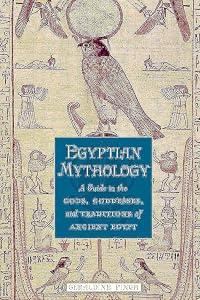
Handbook of Egyptian Mythology
by Geraldine Pinch
On This Page
Description
From stories of resurrected mummies and thousand-year-old curses to powerful pharaohs and the coveted treasures of the Great Pyramids, ancient Egypt has had an unfaltering grip on the modern imagination. Now, in Egyptian mythology, Geraldine Pinch offers a comprehensive introduction that untangles the mystery of Egyptian mythology spanning ancient Egyptian culture from 3200 BC to AD 400. Pinch opens a door to this hidden world and casts light on its often-misunderstood belief system. She show more discusses the nature of myths and the history of Egypt, from the predynastic to the postpharaonic period. She explains how Egyptian culture developed around the flooding of the Nile, or the "inundation," a phenomenon on which the whole welfare of the country depended, and how aspects of the inundation were personified as deities. She explains that the usually cloudless skies made for a preoccupation with the stars and planets. Indeed, much early Egyptian mythology may have developed to explain the movement of these celestial bodies. She provides a timeline covering the seven stages in the mythical history of Egypt and outlining the major events of each stage, such as the reign of the sun God. A substantial A to Z section covers the principal themes and concepts of Egyptian mythology as well as the most important deities, demons, and other characters. For anyone who wants to know about Anubis, the terrifying canine god who presided over the mummification of bodies and guarded burials, or Hathor, the golden goddess who helped women to give birth and the dead to be reborn, or an explanation of the nun, the primeval ocean from which all life came, Egyptian Mythology is the place to look. Spanning Ancient Egyptian culture (ca. 3200 BC to AD 400), the handbook of Egyptian mythology is the only complete survey of Egyptian mythology of its kind available in English. show lessTags
Recommendations





Member Reviews
This is an excellent introduction to the mythology of Ancient Egypt. More than just an encyclopedia of gods and goddesses, this book takes a thematic approach and presents the major stories using major concepts (such as creation, death, morality, etc.). I found it very easy to get through and now feel ready to delve deeper into this subject (using the excellent resources listed in the book)!
This is a good reference work for studies in Ancient Egyptian mythology. Note, you won't find the literature represented here per se but rather you will be introduced to Ancient Egypt in general and their thought, cosmology & religion in particular. In begins with a short introduction to myth and Ancient Egyptian history. Then it proceeds to introduce the reader to how Ancient Egyptians conceived of their world both in terms of linear time and in terms of cyclical time. By far the largest portion of the book is an wonderful A to Z reference guide to the deities, themes, and concepts of Ancient Egyptian mythology. For the size, this little book is pretty comprehensive and will definitely be a useful resource for future Near Eastern show more studies. show less
Ratings
Members
- Recently Added By
Lists

r/History Recommended Reading List
603 works; 12 members

Books Recommended by ESOTERICA Youtube Channel (Dr Justin Sledge)
29 works; 1 member
Author Information

16+ Works 1,864 Members
Series
Belongs to Publisher Series
Common Knowledge
- Canonical title
- Handbook of Egyptian Mythology
- Original title
- Handbook of Egyptian Mythology
- Alternate titles
- Egyptian Mythology: A Guide to the Gods, Goddesses, and Traditions of Ancient Egypt
- Original publication date
- 2002
- People/Characters
- Achilles; Aesop; Agathos Daimon; Aker; Ahmose; Akh (show all 335); Akhenaten; Alexander the Great; Amazons; Amenemhat I; Amenhotep II; Amenhotep III; Ammit; Amun; Amun Kematef; Amun-Min; Amun-Ra; Amunet; Anat; Andjety; Anput; antelopes; Anubis; Anuket; Aphrodite; Apis bull; Apollo; Apophis; Arabs; Ares; Asclepius; Ash; Asherah, fertility goddess; Ashtoreth; Donkey; Assyrians; Astarte; Aten; Atum; Atum-Khepri; Atum-Ra; Augustus Caesar; Baal; Babi; baboons; Banebdjedet; Bastet; Bat; Bata; Martin Bernal; Bes; Bes-Shu; Beset; Helena Petrovna Blavatsky; Napoleon Bonaparte; J.F. Borghouts; Buchis bull; E. A. Wallis Budge; Bull; Julius Caesar; Caesarion; Cambyses; Cats; Chaeremon; Jean-François Champollion; Chaos; Chaos Monster; Cheops; Clement of Alexandria; Cleopatra VII; Arthur Conan Doyle; Crocodile; Aleister Crowley; Darius I; Demeter; Diodorus Siculus; Dionysus; Djadjaemankh; Djedi; Djoser; Dogs; Duamutef; Eileithyia; Ennead; Fish; James G. Frazer; Sigmund Freud; Frog; Théophile Gautier; Geb; Gazelle; Gengen; Greeks; Griffin; Hadrian; H. Rider Haggard; Hapy; Harun al-Rashid; Harpocrates; Harsiese; Harsomtus; Hathor; Hathor-Nebethetepet; Hathor-Tefnut; Hatmehyt; Hatshepsut; Hauron; Heh; Hehet; Heka; Hephaistos; Heqet; Herakles; Hercules; Hermes; Hermes Trismegistus; Herodotus; Heryshaf; Hesat; Hippocrates; Hippolyta; hippopotami; Hittites; Homer; Horapollo; Horemakhet; Horemheb; Erik Hornung; Horus; Horus-Bes; Horus the child; Horus the Elder; Horus-Shed; Horus-Sopdu; Hu; Hyksos; Iah; Iamblichus; Ichneumon; Ihy; Imhotep; Imsety; Ipet; Ishtar; Isis; Isis-Thermouthis; Iusaas; jackals; Jesus of Nazareth; Joseph of Nazareth; Carl Jung; Kek; Keket; Khaemweset; Khasekhemwy; Khenti-Amentiu; Khenty-en-irty; Khenty-irty; Khenti-kheti; Khephren; Khepri; Khereduankh; Khnum; Khonshu; Khufu; G.S. Kirk; Leopard; Claude Lévi-Strauss; Libyans; Lion; lionesses; H.P. Lovecraft; Maat; Mafdet; Maga; Magicians; Mahes; Manetho; Mark Antony; Mehet-Weret; Mehit; Menes; Menkara; Merenptah; Meretseger; Merykara; Meryra; Meskhenet; Min; Mnevis Bull; Mongoose; Monkey; Montu; Montu-Ra; Moses; mummies; Mutt; Mut-Sekhmet-Bastet; Mutemwiya; Narmer; Naunet; Nebhepetre Mentuhotep I; Nectanebo II; Nefertem; Nefertiti; Nehebkau; Nehmetawy; Neith; Nekhbet; Nemty; Neper; Nephthys; Nero; Neith; Nut; Octavian; Onuris; Onuris-Shu; Oracles; Orion; Osiris; Osiris Wennefer; Osorkon II; Pakhet; Pan; Panthers; Penthesilea; Penwenti; Pepi II; Peribsen; Persians; Perseus; Philistines; Phoenix; Pig; Piye; Pliny the Elder; Plutarch; Edgar Allan Poe; Priestess; Priest; Ptah; Ptah-Sokar-Osiris; Ptah-Tatenen; Ptolemy I Soter; Ptolemy II "Mikros" Philadelphos; Ptolemy V; Qebehsenuef; Ra; Ra-Atum; Ra-Horakhty; Raet-Tawy; Rameses I; Ramses II; Ramses III; Rameses VI; Rameses XI; Renenet; Renenutet; Reret; Rhampsinit; Sax Rohmer; Romans; Ruddedet; Ruty; Sah; Saladin; Satet; Scarab; Scorpion; Scorpion II; Sea People; Sefkhet-Abwy; Sekhmet; Serapis; Serqet; Seshat; Seth; Seti I; Shabaqo; Shai; William Shakespeare; Shed; Shentayet; Sheshonq I; Shesmetet; Shezmu; Shu; Sia; Siamun; Sirius; Snake; Sneferu; Sobek; Sobek-Ra; Sokar; Sokar-Osiris; Sopdet; Sopdu; Sothis; Sphinx; Bram Stoker; Strabo; Ta-Bitjet; Taboubu; Tatenen; Taweret; Tayet; Tefnut; Tenemet; Theseus; Thoth; Thutmose III; Thutmose IV; Tiy; Trajan; Turtle; Tutankhamun; Tutu; Typhon; Udjat; Unas; Uraeus; Virgin Mary; Vulture; Wadjet; E.A. Wallis Budge; Ubaoner; Jane Webb; Weni; Wepwawet; Werethekau; Wosret; Yam; Zeus
- Important places
- Abydos, Egypt; Tell el-Amarna, Egypt; Alexandria, Egypt; Armant, Egypt; Asyut, Egypt; Aswan, Egypt (show all 79); Athribis, Egypt; Atlantis; Avaris, Egypt; Behbeit el-Hagar, Egypt; Bigeh, Egypt; Bubastis, Egypt; Busiris, Egypt; Buto, Egypt; Byblos, Lebanon; Byzantine Empire; Chemmis; Coptos, Eygypt; el-Dakka, Eygypt; Deir el-Medina, Egypt; Dendera, Egypt; Deserts; Duat; Edfu, Egypt; Egypt; Elephantine Island, Egypt; Esna, Egypt; Faiyum, Egypt; Fields of Offerings; Fields of Reeds; Gebel Barkal; Giza, Egypt; Hall of the Two Truths; Heliopolis, Egypt; Heracleopolis; Hermopolis, Egypt; Hibis, Egypt; Hierakonpolis, Egypt; Hnes, Egypt; Isheru; El-Kab, Egypt; Kamutef; Karnak Temple Complex, Luxor, Egypt; Kom Ombo, Egypt; Krokodilopolis, Egypt; Kush; Lebanon; Libya; Luxor, Egypt; Mammesi; Medamud, Egypt; Medinet Habu, Egypt; Memphis, Egypt; Mendes; Mesopotamia; Moon; Napata, Nubia; Nekhen; Nile River; Nile Valley; Nubia; Ombos; Oxyrhynchus, Egypt; Philae, Egypt; Ramesseum; Sais, Egypt; Saqqara, Egypt; Sehel Island; Siwa Oasis, Egypt; Smithis; Tanis, Egypt; Thebes, Egypt; Thinis; Tod, Egypt; Ugarit; Underworld; Valley of the Golden Mummies; Valley of the Kings, Egypt; Valley of the Queens, Thebes, Egypt
- Important events
- Divine Tribunal; Epagomenal Days; Gnosticism; Heb-Sed; Inundation; Battle of Qadesh (show all 7); Sed Festival
- Original language
- English
Classifications
- Genres
- Nonfiction, Religion & Spirituality, History
- DDC/MDS
- 299.3113 — Religion Other religions Shintoism/Taoism/Other Mythologies Of North African Origin Ancient Egyptian
- LCC
- BL2441.3 .P56 — Philosophy, Psychology and Religion Religions. Mythology. Rationalism Religions. Mythology. Rationalism History and principles of religions African Egyptian
- BISAC
Statistics
- Members
- 475
- Popularity
- 63,942
- Reviews
- 2
- Rating
- (4.08)
- Languages
- English
- Media
- Paper, Audiobook, Ebook
- ISBNs
- 6
- ASINs
- 1